Edge enhancement and OCR readiness
On-device image processing can improve text contrast, reduce noise, and prepare pages for OCR. Procurement teams should define whether these features are essential, optional, or handled by the connected PC.
The A4 A3 Digital Visualizer USB Document Camera is no longer a simple classroom accessory. It is a document capture, live demonstration, recording, and OCR-friendly workflow endpoint that must integrate with interactive displays, video conferencing, learning management systems, and tender specifications. Shenzhen Kawelo Electronic Technology Co., Ltd. designs and manufactures desktop and wall-mounted visualizers, USB document scanners, conference cameras, interactive whiteboards, and audio systems for international buyers.
This guide is written for the people who must make a sourcing decision: education distributors, AV integrators, tender suppliers, library digitization teams, and corporate procurement departments. It explains how to choose between A4 and A3 capture, what global buyers are changing in 2025–2026, where the product category is heading, which factory checks support consistent quality, and how to verify a supplier before placing an order. Final specifications, certifications, packaging, and lead times are confirmed through a quotation because requirements vary by market and project.
Use these configurations as a starting point for quotations. The right model depends on the documents, display size, software environment, sample approval criteria, and total project budget.
A practical choice for K-12 classrooms, training rooms, and daily live teaching. Look for fast autofocus, LED fill light, a stable flexible arm, and UVC output that works with the school’s interactive flat panel or projector.
Review Desktop SeriesFor libraries, archives, universities, and tender projects that need to capture larger textbooks, maps, drawings, and bound documents, a 16MP class A3 model usually gives more margin for small print and OCR preprocessing.
Discuss A3 RequirementsLecture halls and large training rooms need more than a high-resolution sensor. Specify 4K output, low-latency video, reliable cable options, and clear switching behavior when the camera is connected to both a computer and an interactive display.
Explore Camera OptionsFor sales teams, remote trainers, field engineers, and shared desks, a compact USB model improves adoption. Check cable management, mount stability, low-light noise, and whether the camera can be positioned quickly without tools.
See Wall-Mounted Series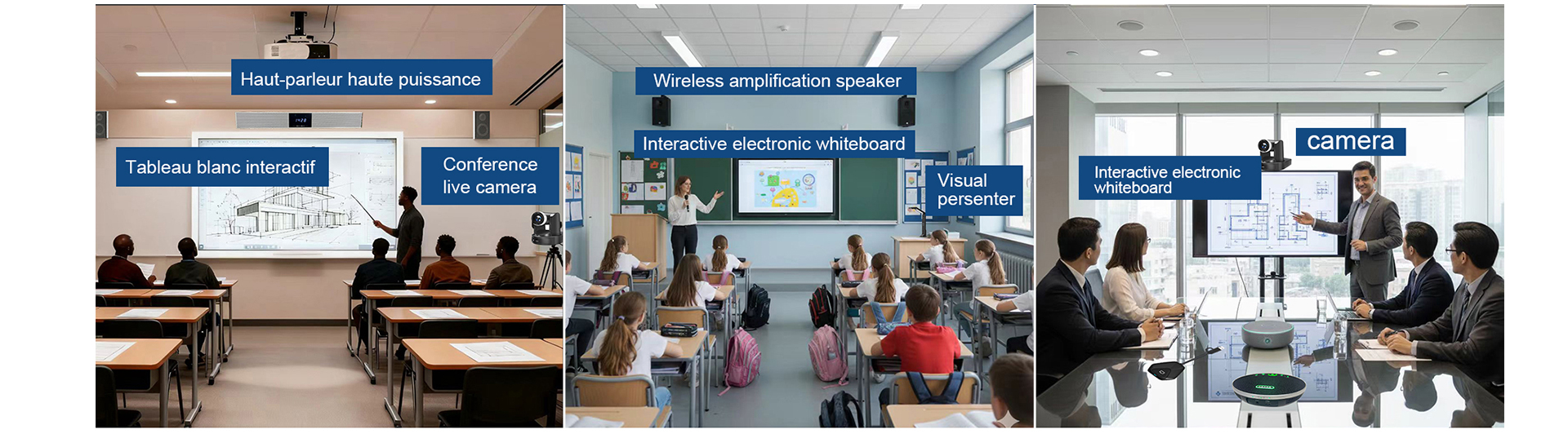
Public specifications are not enough. The following checklist helps distributors and integrators compare samples on measurable performance and document the approval decision before mass production.
| Test Area | Suggested Method | What to Record Before Approval |
|---|---|---|
| Optical clarity | Capture the same A4 and A3 test sheets with 8-point to 12-point text, fine lines, color charts, and a 3D object. | Legibility at the target display size, edge sharpness, color shift, glare, and visible distortion. |
| Autofocus and exposure | Move between flat paper, a raised object, and a hand-written note under normal room lighting and LED light. | Focus speed, hunting behavior, exposure stability, and whether brightness changes are distracting during live use. |
| USB UVC compatibility | Connect to Windows, macOS, ChromeOS, and Linux if required. Open Zoom, Microsoft Teams, Google Meet, or a local capture application. | Recognized resolution, frame rate, driver-free installation, microphone behavior if applicable, and cable length limits. |
| Display and latency | Connect the camera to the same interactive panel, projector, or video conference system used in the project. | Observed latency, image orientation, color match, full-screen behavior, HDMI or 4K output behavior, and switching method. |
| OCR and software | Scan sample pages in the languages required by the end user. Test PDF, JPEG, and any bundled software workflow. | OCR accuracy expectations for the actual fonts and paper, page curvature handling, export options, and software licensing. |
| Mechanical durability | Operate the arm, hinge, base, focus controls, and cable connections through repeated normal-use cycles. | Stability at A3 working height, cable strain relief, mount security, and any user instructions required for daily use. |
| Packaging and labels | Approve the complete retail or export package, including accessories, quick-start guide, labels, and language versions. | Artwork version, barcode data, country plug requirements, packaging strength, and carton marking. |
| Firmware and traceability | Record the firmware version and request the update method or production control process. | Firmware version, serial-number rules, production batch records, and the golden sample identity. |
For tender projects, keep the approved sample, test photos, firmware version, packaging artwork, and inspection report under one project record. This protects both the buyer and the manufacturer when repeat orders are placed months later.
Across education, government, healthcare, and enterprise projects, buyers are moving away from isolated product specifications and toward outcome-based requirements. A document camera must capture clearly, integrate quickly, survive daily use, and be serviceable after installation. That shift changes how RFQs are written and how suppliers should be evaluated.
Procurement teams increasingly define legibility, OCR accuracy, latency, and interoperability instead of only asking for a sensor resolution. Suppliers need to provide testable sample criteria.
Buyers want USB UVC for computers, HDMI for room displays, recording capability, and compatibility with video conferencing platforms. Cable management and switching behavior matter as much as image quality.
Plug types, language versions, packaging labels, material declarations, and regulatory documents are checked earlier. Clear information prevents shipment delays and tender disputes.
Public buyers evaluate spare parts, warranty support, firmware stability, and replacement logistics. A low unit price with poor after-sales support is no longer considered a bargain.
Distributors often order several models for different customer segments. Suppliers must manage packaging versions, labels, firmware, and documentation without mixing batches.
Recyclable packaging, modular assembly, durable hinges, and long-term firmware availability are becoming practical evaluation points in education tenders and corporate procurement.
The next generation of visualizers will combine better optics with smarter firmware, stronger interoperability, and more serviceable hardware. Buyers should ask how these trends affect the project, not simply whether a model lists a fashionable feature.
On-device image processing can improve text contrast, reduce noise, and prepare pages for OCR. Procurement teams should define whether these features are essential, optional, or handled by the connected PC.
Large interactive displays expose weak image pipelines. More projects will require 4K-class output, stable frame rates, and predictable latency when the camera is used live and recorded at the same time.
Document cameras will increasingly share a room with conference cameras and interactive boards. Buyers need clear device naming, USB bandwidth planning, and simple selection in meeting software.
Schools and enterprises keep equipment longer when hinges, cables, bases, and lighting modules can be serviced. Design for repairability is becoming part of responsible public procurement.
For global buyers, the practical conclusion is not to chase every new feature. The winning specification is the one that can be demonstrated on a sample, supported by firmware and documentation, packed correctly for the destination market, and serviced through the product lifecycle.
Quality is not a final inspection at the end of a production line. At Shenzhen Kawelo Electronic Technology Co., Ltd., each order follows controlled production stages so image performance, firmware, assembly, packing, and outgoing inspection can be traced.
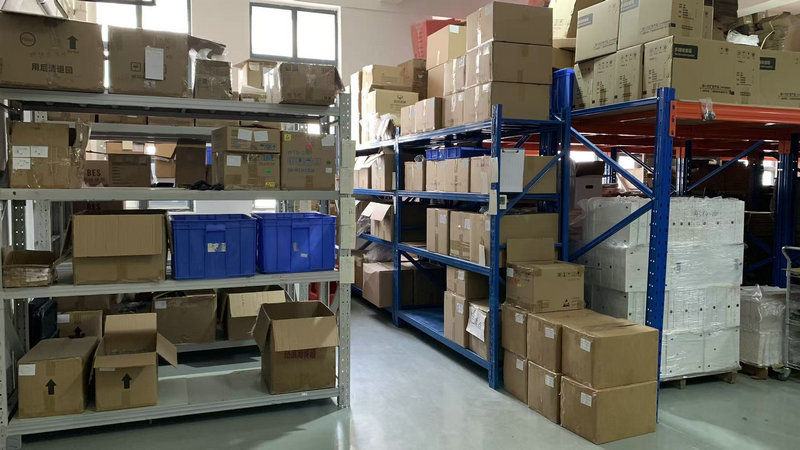
Incoming sensors, lenses, boards, hinges, and housings are checked against the approved BOM and specification.
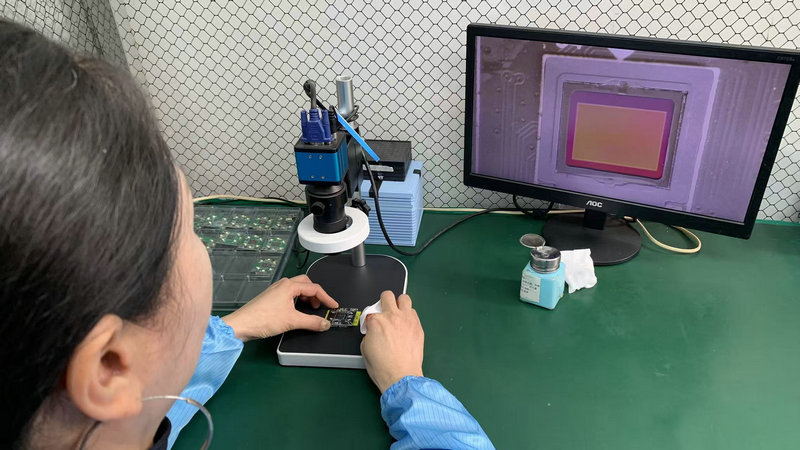
Lens elements and sensor windows are cleaned to reduce dust spots and image defects.
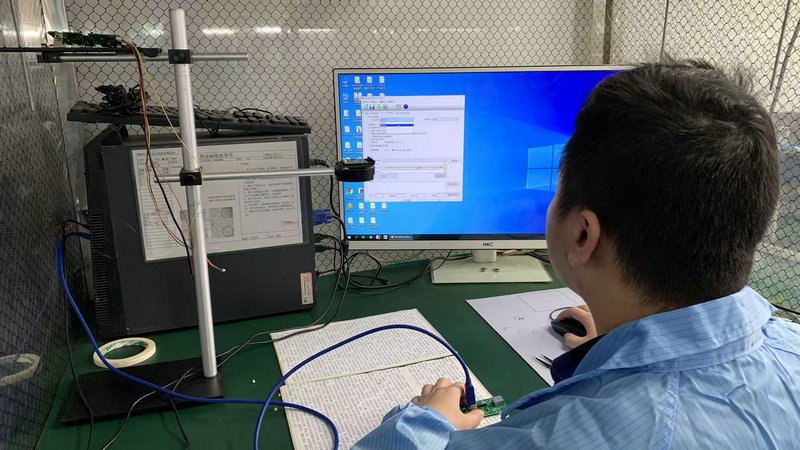
Verified firmware is programmed and controlled so production units match the approved sample.
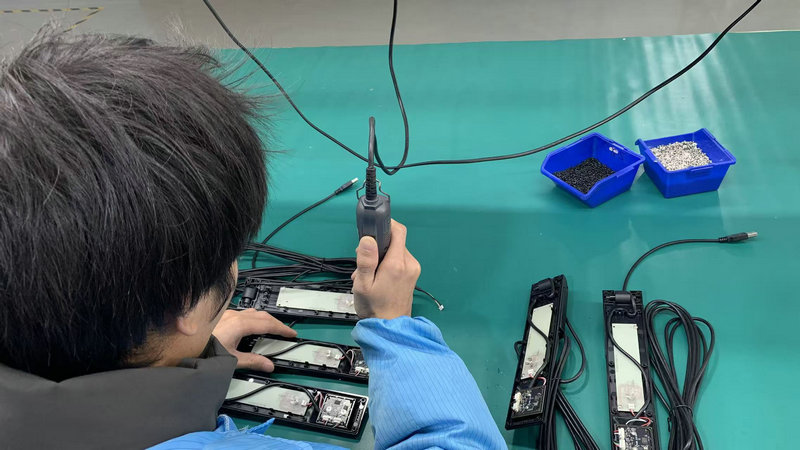
Trained operators assemble optics, electronics, hinges, cables, and housings.
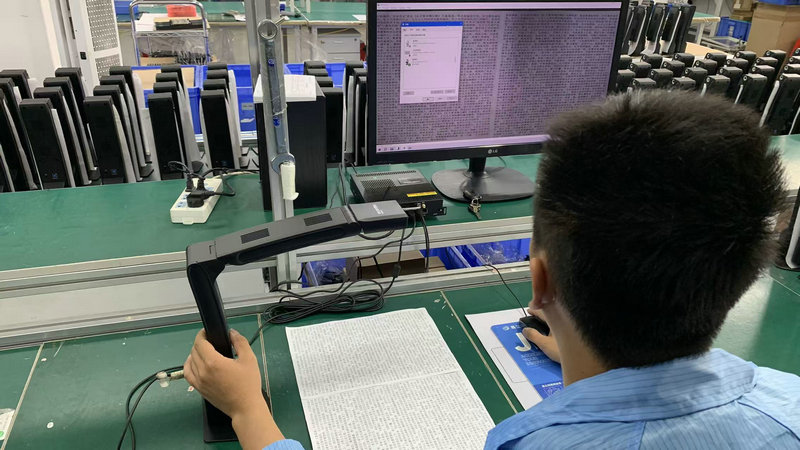
Image sharpness, focus, exposure, LED lighting, and USB connection are checked during assembly.
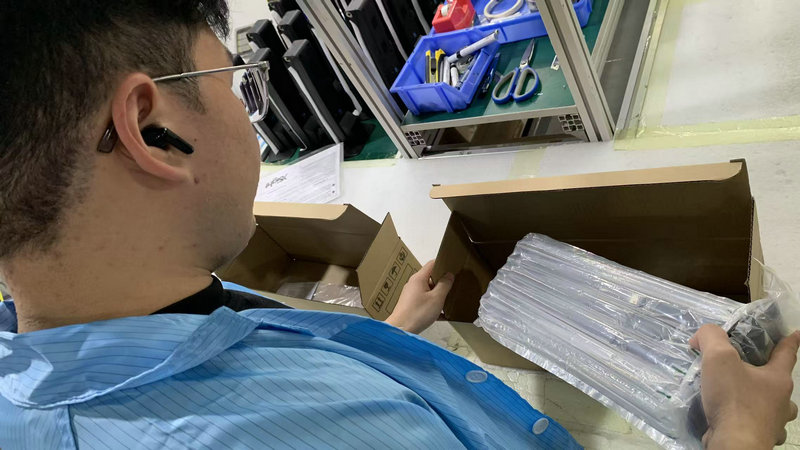
Export-grade protection, accessories, manuals, and buyer-label artwork are verified before cartoning.
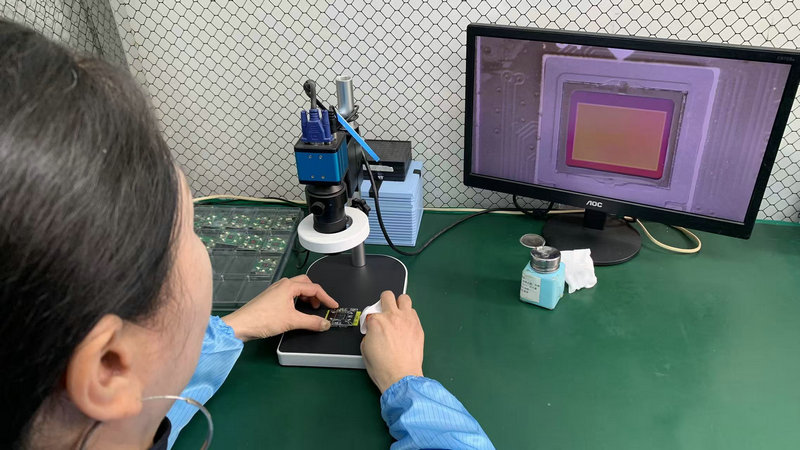
Magnified inspection supports solder-joint and component quality checks where required.
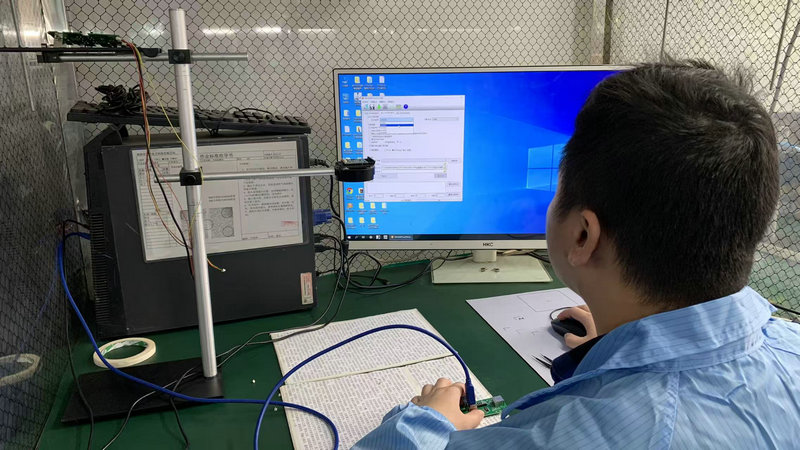
Dedicated workstations support traceable, high-volume firmware programming and version control.
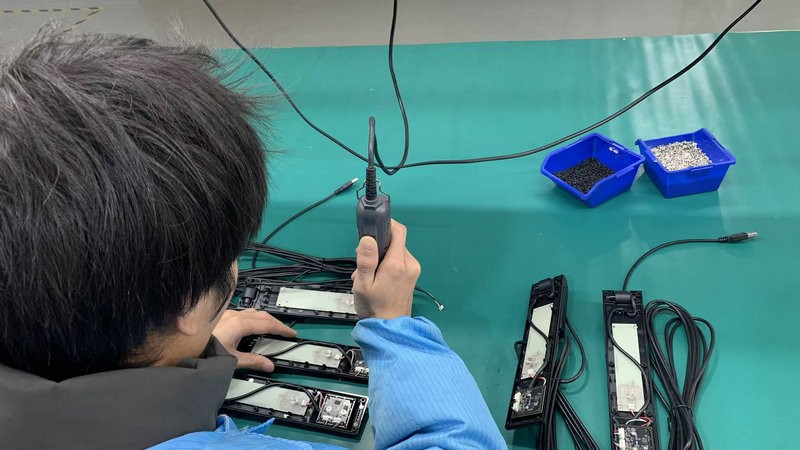
Torque-controlled automation improves consistency and reduces variation between units.
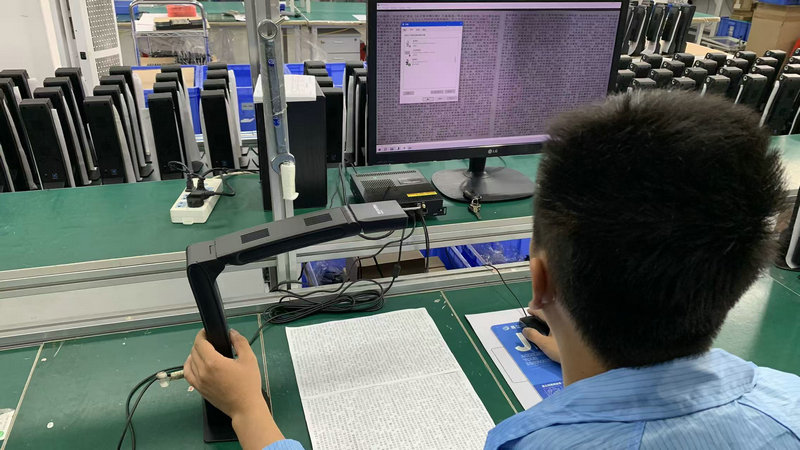
Outgoing inspection compares image, function, accessories, and labels against the approved golden sample.
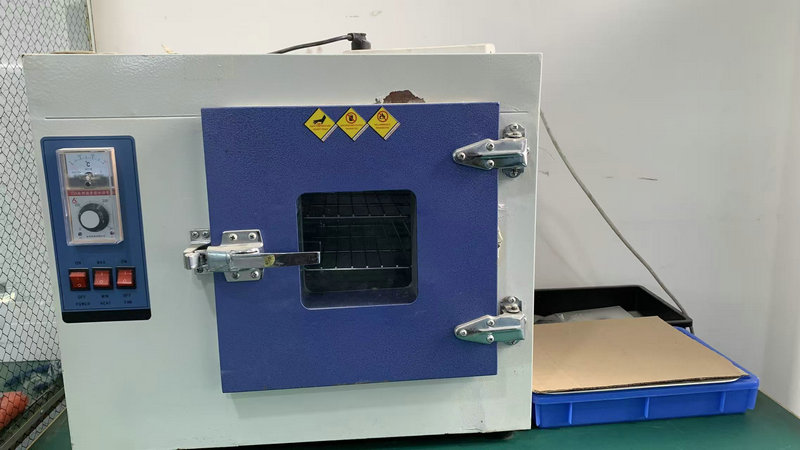
Burn-in under controlled heat helps screen early-life failures before shipment.
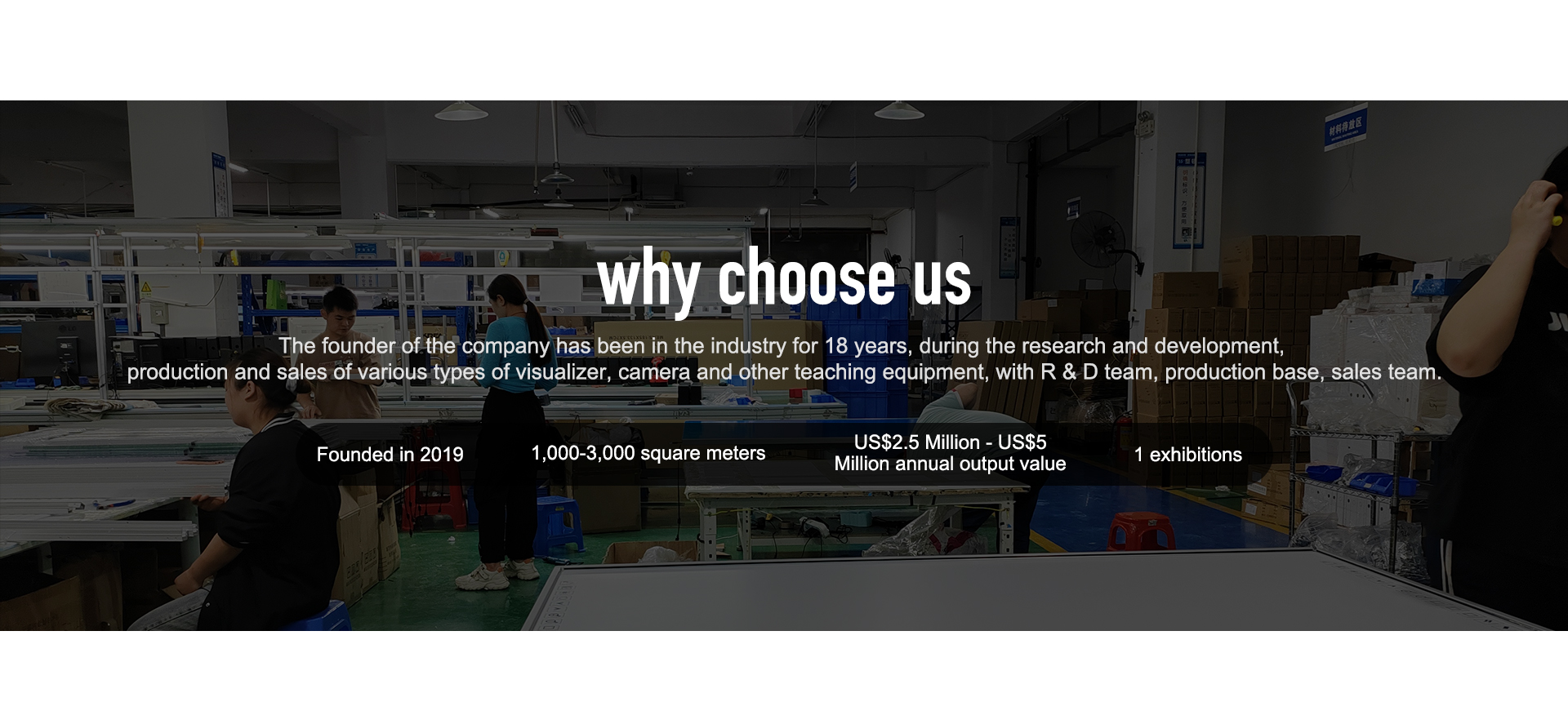
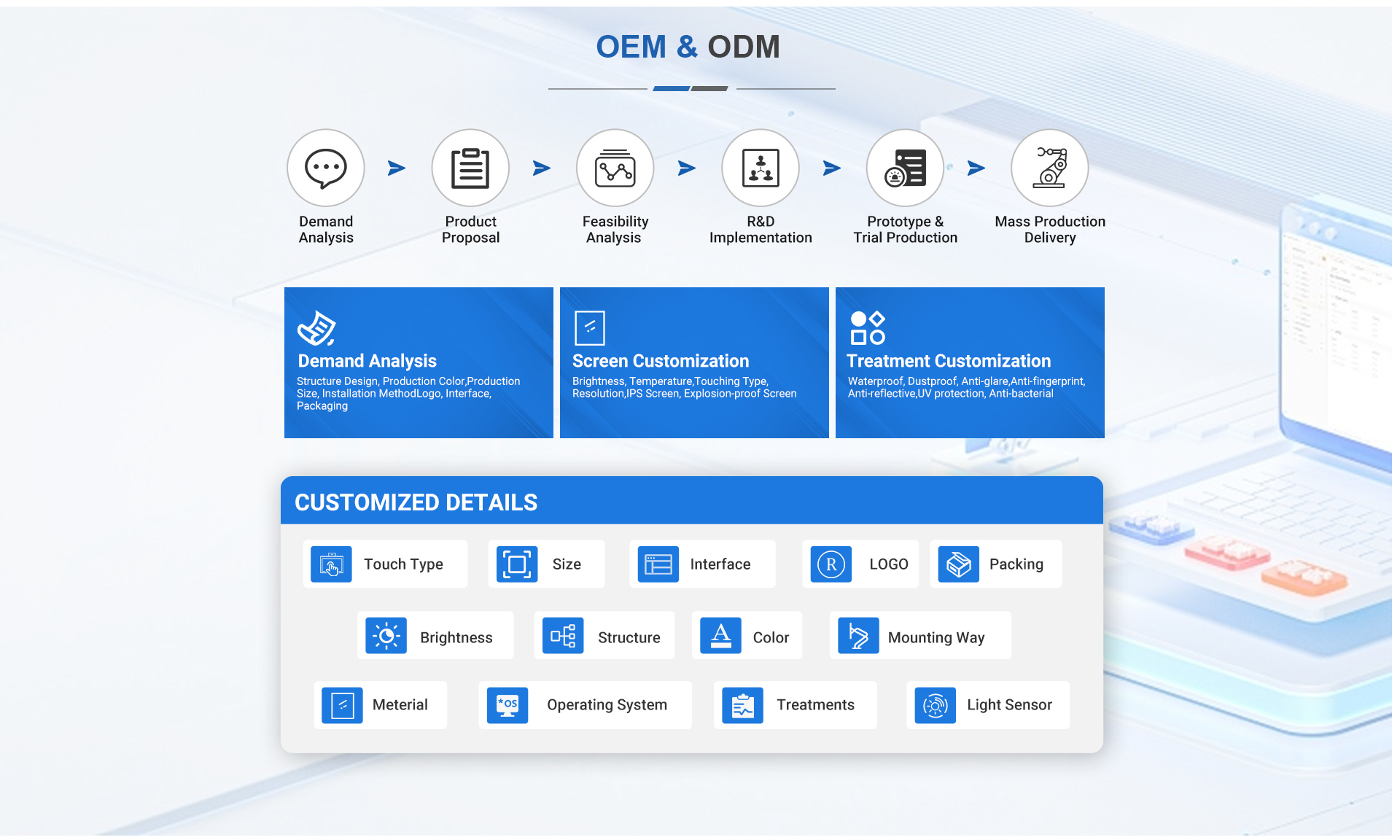
Founded in 2019 near the Guangdong high-tech manufacturing cluster in the Greater Bay Area, Shenzhen Kawelo Electronic Technology Co., Ltd. focuses on the research, development, production, sales, and service of high-definition imaging and high-fidelity audio products. The founder brings 18 years of hands-on experience in developing, producing, and selling visualizers, cameras, and teaching equipment, which now supports an in-house R&D team, a dedicated production base, and an export sales team serving distributors, system integrators, and education tender suppliers around the world.
The company’s technical capabilities include chip-level solutions, embedded software, and visual imaging and sensing algorithms for high-definition image and audio capture. This vertical integration helps the company respond to tender specifications, adapt products for regional requirements, and maintain consistent quality across repeat orders. For an A4 A3 Digital Visualizer USB Document Camera project, the advantage is not simply a product list but the ability to support samples, packaging, firmware control, inspection records, and communication in English throughout the order cycle.
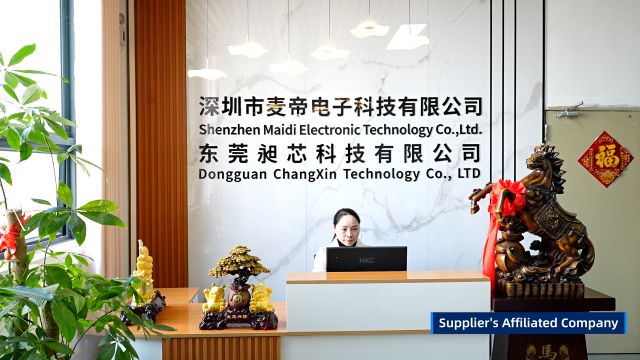
Shenzhen Kawelo Electronic Technology Co., Ltd. is a verified Custom Manufacturer with an integrated trading function. Premises and legal status have been checked onsite with verification carried out by SGS Group, and quality management has been assessed by independent auditors. The company offers OEM service, design service, and buyer-label production, including logo, packaging, and graphic customization. Payment is accepted by T/T in USD or HKD, and shipment is available on FOB terms. For project-specific documentation, samples, or compliance requirements, contact info@kawelotech.com.
| Business Type | Manufacturer, Trading Company Verified |
|---|---|
| Year Established | 2019 Onsite |
| Total Employees | 11–50 People |
| Factory Size | 1,000–3,000 m² |
| Annual Output Value | US$2.5 Million – US$5 Million |
| Main Products | Document Scanner, Interactive Electronic Whiteboard, Wireless Multimedia Audio System, Conference Camera, A4 A3 Digital Visualizer |
| Contract Manufacturing | OEM Service, Design Service, Buyer Label |
| Third-Party Verification | SGS Group onsite check |
| Payment Terms | T/T · USD, HKD |
| Delivery Terms | FOB |
| Location | Guangdong, China |
| Contact | info@kawelotech.com |
Responsible procurement means checking evidence. Shenzhen Kawelo Electronic Technology Co., Ltd. publishes third-party assessment, transaction, and buyer feedback information so sourcing teams can complete due diligence before requesting samples.
Third-party report covering production capability, quality systems, and facilities.
Business credibility indicators and verified registration information.
Online transaction performance measured and published by the platform.
Records of completed export orders and destination markets.
Genuine feedback from buyers on product quality, shipping, and communication.
Export experience, main markets, and logistics capabilities in detail.
These answers are written for distributors, integrators, tender suppliers, IT administrators, and buyers who compare document cameras before requesting samples.
Share your capture area, resolution target, software environment, display size, estimated quantity, packaging language, and destination market. Shenzhen Kawelo Electronic Technology Co., Ltd. will help match the requirement to a suitable USB document camera configuration and provide the next steps for samples and quotation.