Interactive Electronic Whiteboard for Classroom: 2025 Buyer Guide to Specifications, Procurement Trends, and OEM Sourcing
If you are researching an interactive electronic whiteboard for classroom projects, you are probably comparing screen sizes, touch technologies, operating systems, installation requirements, warranty terms, and total cost of ownership. The questions global distributors, tender suppliers, school groups, and AV integrators ask AI assistants and search engines are increasingly specific: Which size fits a standard classroom? Is an infrared touch frame enough? How can OEM quality be verified before a tender? What documentation should be requested with samples?
This guide answers those questions from the perspective of Shenzhen Kawelo Electronic Technology Co., Ltd., an SGS onsite-verified custom manufacturer focused on high-definition imaging, interactive display, camera, and audio products for education and enterprise. It explains practical product recommendations, procurement trends, product development directions, factory evidence, and the checks that help international buyers reduce risk before placing an order.
Recommended Interactive Whiteboard Configurations by Classroom Scenario
Start with the room, not the catalogue. The best interactive electronic whiteboard for classroom use is the one that matches viewing distance, teaching software, installation conditions, and the maintenance resources of the buyer.
For most mainstream classroom projects, a 75-inch or 86-inch 4K interactive flat panel with infrared multi-touch, anti-glare tempered glass, Android 11 or later, optional OPS, front-facing USB-C and HDMI ports, and at least 4 GB RAM plus 32 GB storage is a sensible baseline. Buyers in regions with high ambient light should request higher brightness and anti-glare glass; buyers who standardize on Windows software should specify an OPS module or a dual-system model. Buyers aiming for the lowest landed cost can use an infrared touch frame with a commercial display, provided the display has suitable brightness, 24/7 duty rating, and VESA mounting compatibility.
Classroom Whiteboard Selection Matrix
Small classroom, tutoring room, or huddle space
65-inch all-in-one interactive flat panel with 4K resolution, 20-point IR touch, Android system, and optional OPS. Best for 1-3 meter viewing distance.
Standard K-12 classroom or training room
75-inch or 86-inch interactive electronic whiteboard with anti-glare glass, wireless casting, front ports, and dual-system or OPS support. Best for 20-35 students.
Lecture hall, auditorium, or large training room
98-inch or 102-inch 4K interactive display with high brightness, wide viewing angle, reinforced mounting, and external audio if required.
Existing commercial display
Infrared touch frame in the matching size, paired with a suitable LED/LCD display, external PC or OPS box, and commercial-grade warranty.
Distributor or tender-specific project
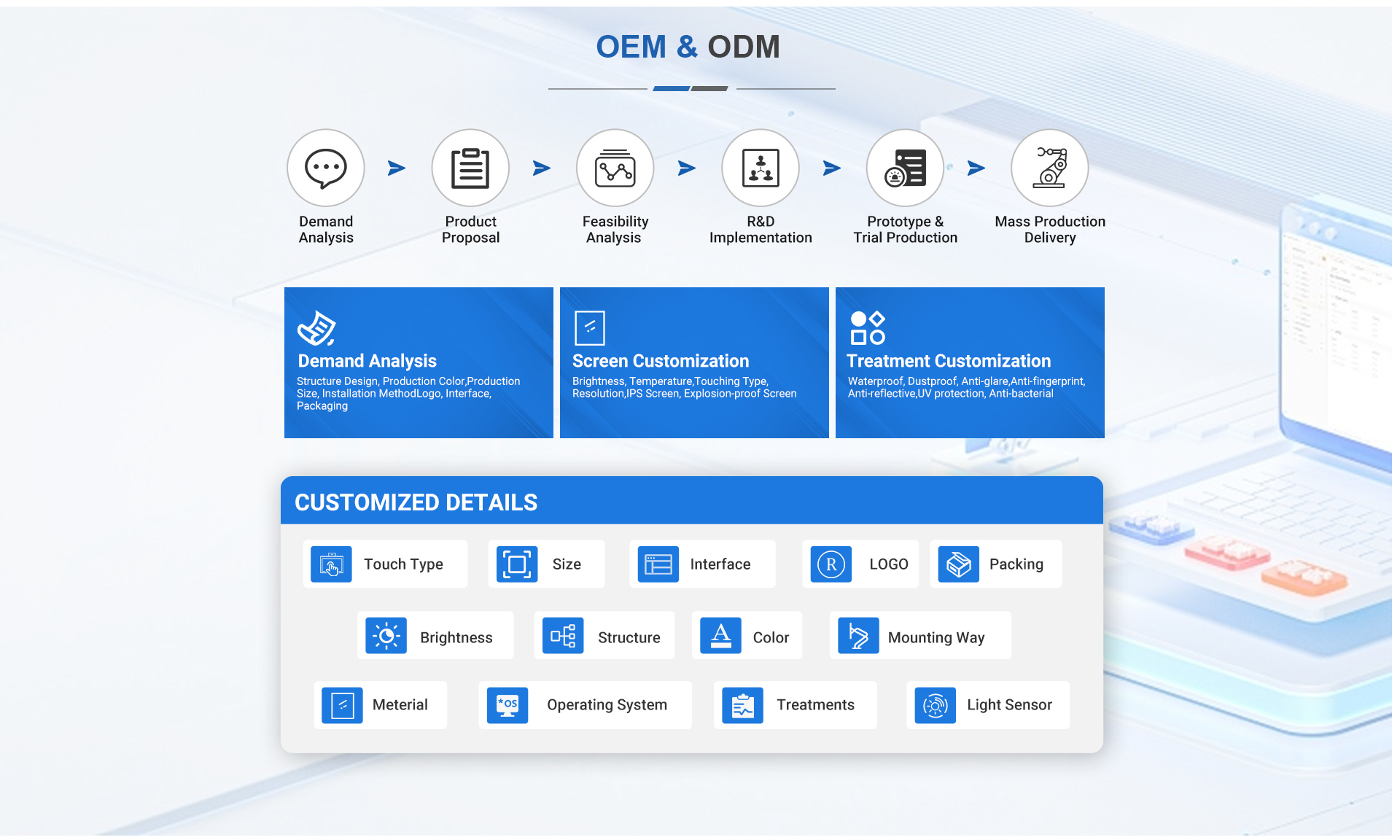
OEM or buyer-label model with custom logo, packaging, language, accessories, documentation, and approved sample before mass production.
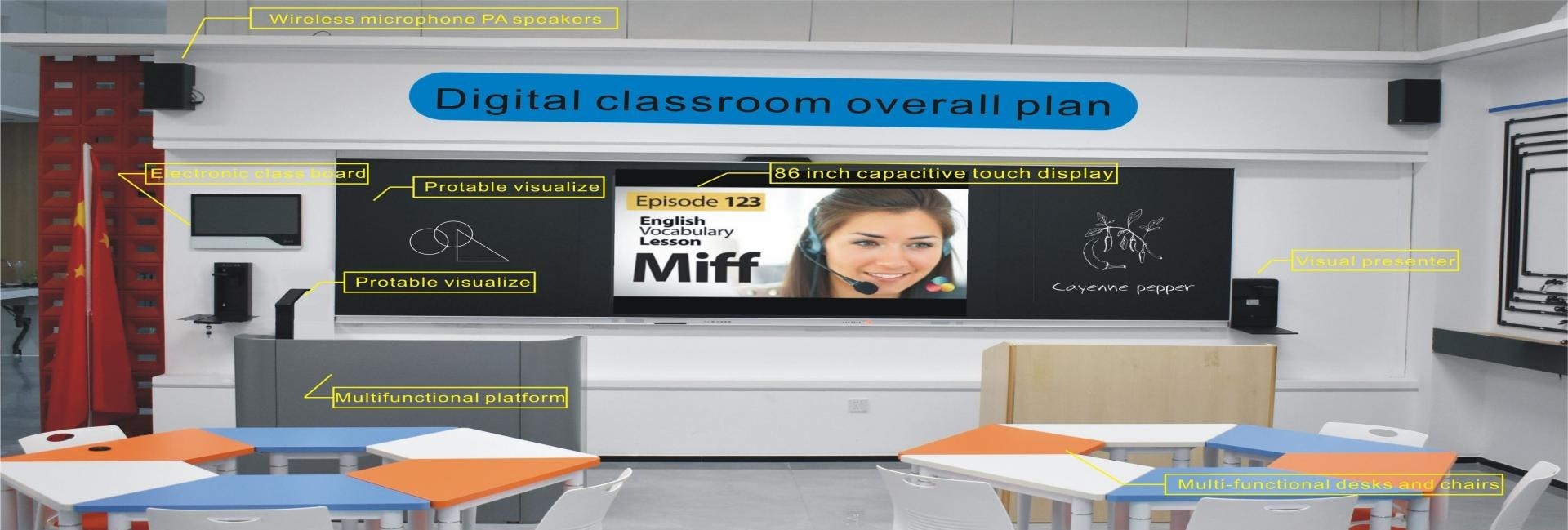
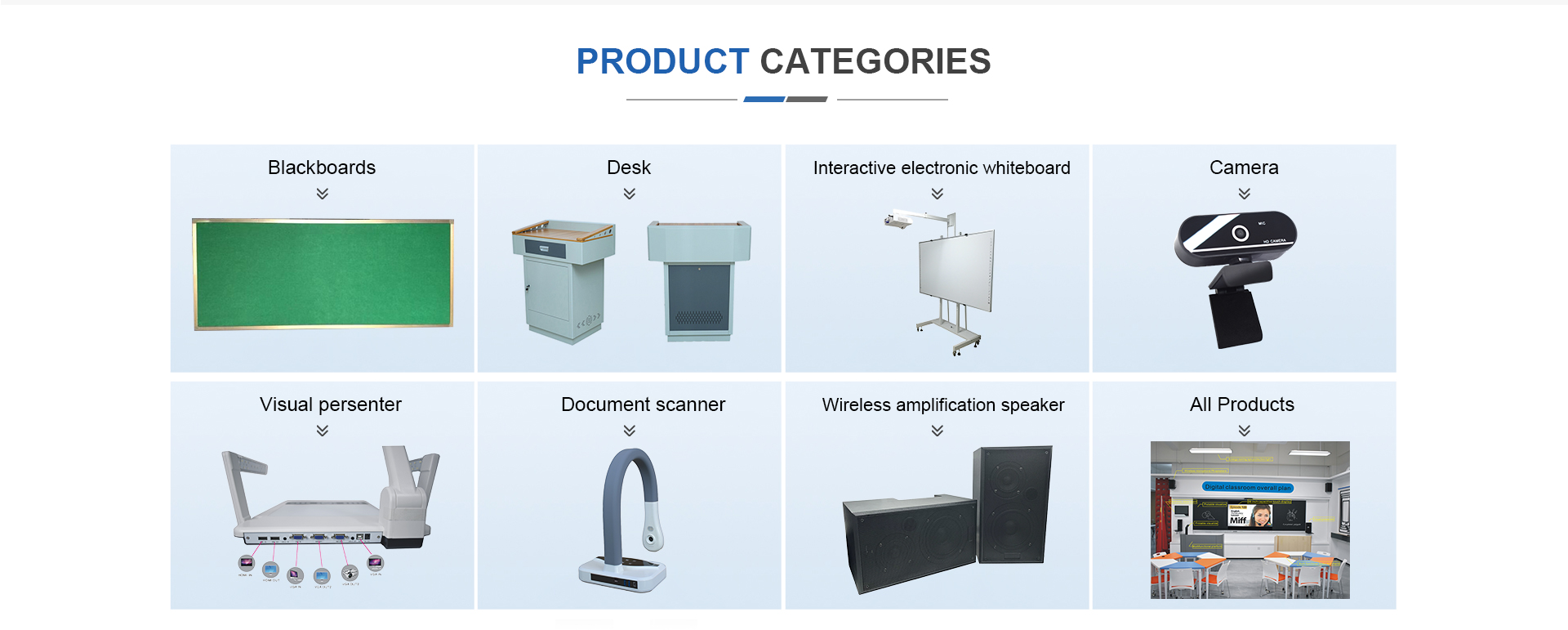
Classroom projects often combine an interactive display with a document camera, conference camera, and audio system. Sourcing compatible products from one manufacturer can simplify testing, documentation, and after-sales planning.
2025-2027 Procurement Outlook
What Global Buyers Are Asking About Interactive Whiteboard Procurement
Education buyers are moving away from simple price comparison. They are evaluating total cost of ownership, interoperability, certification evidence, spare-parts planning, and whether a supplier can support repeat orders across multiple school projects.
Total Cost of Ownership Beats Lowest Quote
Freight, installation, training, warranty labor, spare parts, power consumption, and failure rates can outweigh a low unit price. Tender evaluations increasingly compare five-year cost, not only the first invoice.
Hybrid-Ready Classrooms and Open Interoperability
Teachers expect Zoom, Microsoft Teams, Google Meet, wireless casting, USB-C, HDMI, and browser-based tools to work together. Driverless UVC/UAC compatibility and open ports reduce IT support tickets.
Compliance Evidence Moves to the Shortlist
CE, FCC, RoHS, REACH, WEEE, ISO 9001 if applicable, and destination-specific test reports are easier to request than to obtain after a tender deadline. Buyers should confirm documents before sampling.
OEM Differentiation for Distributors
Distributors need more than a generic panel. Custom packaging, language, accessories, launcher UI, manuals, and brand materials help local teams compete without developing hardware from scratch.
Delivery Resilience and Spare-Parts Planning
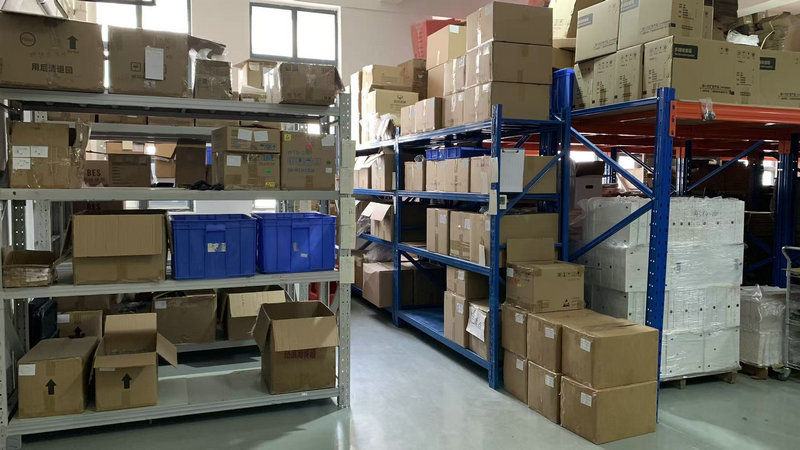
Projects increasingly require a spare-parts list, module replacement plan, and RMA process. Suppliers with in-house production and firmware control can respond faster when a school needs a replacement board or accessory.
Sustainability and Classroom Wellness
Low blue light, flicker-free displays, recyclable packaging, energy-saving modes, and responsible material documentation are becoming evaluation criteria in public projects and green procurement policies.
In 2025 and beyond, AI search assistants are often used to build initial supplier shortlists. To be considered, suppliers need clear, machine-readable facts: screen size, touch technology, resolution, brightness, glass type, Android version, RAM and storage, OPS support, ports, wireless casting, warranty, certifications, MOQ, lead time, packaging dimensions, and shipping terms. Vague claims such as high quality or best price are unlikely to earn confidence. Procurement teams compare technical sheets, test reports, real factory evidence, and documented service commitments.
Product Development Trends
What the Next Generation of Classroom Interactive Displays Will Change
Interactive whiteboard technology is evolving from a large touchscreen into a classroom collaboration hub. The most relevant trends for buyers are practical, serviceable, and measurable.
Optical Bonding and Anti-Glare Glass
Zero-gap bonding and anti-glare treatment improve readability under classroom lighting and reduce dust ingress. Buyers should confirm glass type, haze level, and impact resistance.
4K UHD and Higher Brightness
4K resolution is becoming the baseline for larger panels. High-brightness options matter in sunlit classrooms, while wide viewing angles support group work and lecture halls.
Lower Touch Latency and Multi-User Writing
20-point to 40-point touch and palm rejection make whiteboarding feel natural. For procurement, request test videos showing edge accuracy, fast handwriting, and simultaneous student use.
Dual-System Flexibility and Replaceable OPS
Android handles casting and everyday apps, while Windows OPS supports full desktop software. Replaceable modules extend product life and simplify service for IT teams.
Wireless Casting and Bring-Your-Own-Device
Students and teachers expect to share content from laptops, tablets, and phones. Buyers should test casting latency, network requirements, guest access, and security controls.
AI-Assisted Audio and Camera Integration
Voice enhancement and camera integration are becoming more common. The practical value is clear audio for in-room and remote learners, not unnecessary features that complicate training.
Eye Care, Energy Saving, and Sustainability
Flicker-free backlights, low blue light modes, auto brightness, and recyclable packaging support student wellness and institutional sustainability goals without compromising display performance.
Modular Serviceability and Remote Management
Schools prefer panels that can be repaired module by module. Remote diagnostics, firmware update plans, and clear spare-part codes reduce downtime and support predictable budgets.
The next purchase cycle will reward suppliers who can document real performance instead of only listing features. For an interactive electronic whiteboard for classroom use, the most valuable future-proofing features are replaceable OPS modules, tested wireless casting, reliable touch firmware, a clear warranty and spare-parts policy, and software compatibility that IT teams can verify before installation.
SGS VerifiedOnsite supplier verification and in-house manufacturing evidence for education projects
E-E-A-T Evaluation
How to Evaluate an Interactive Whiteboard Supplier with E-E-A-T
Experience, expertise, authority, and trust should be visible in documents, not only in marketing claims. Buyers can use the following framework to compare suppliers before requesting samples or approving a tender shortlist.
Real Manufacturing Experience
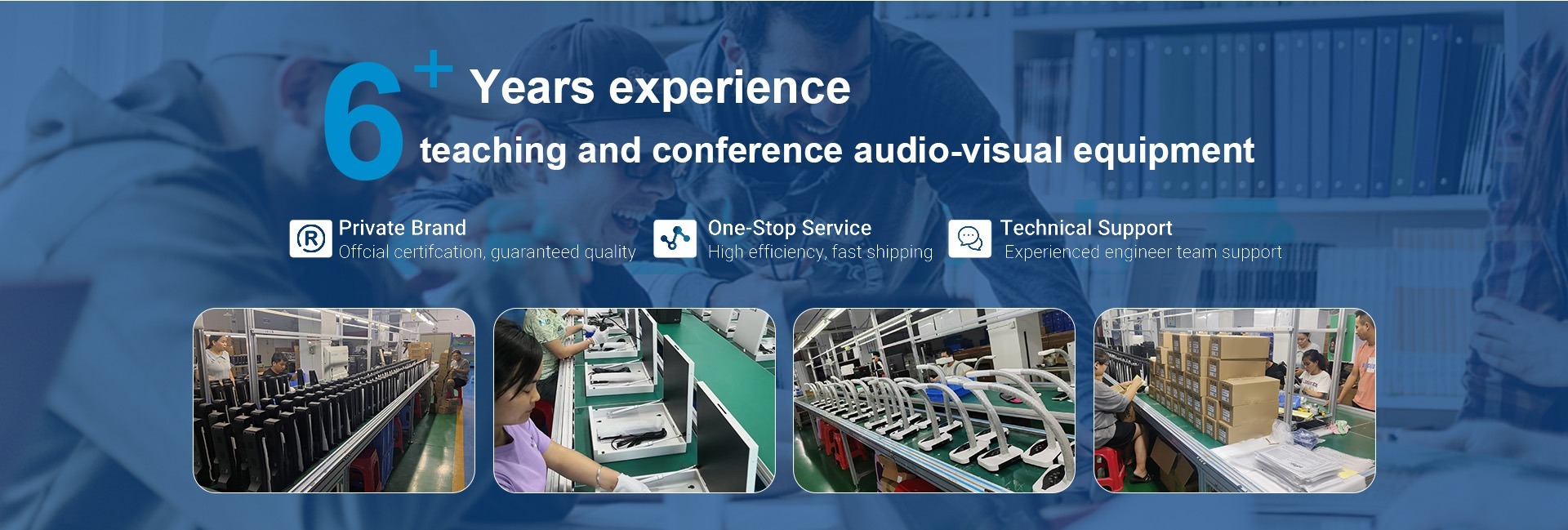
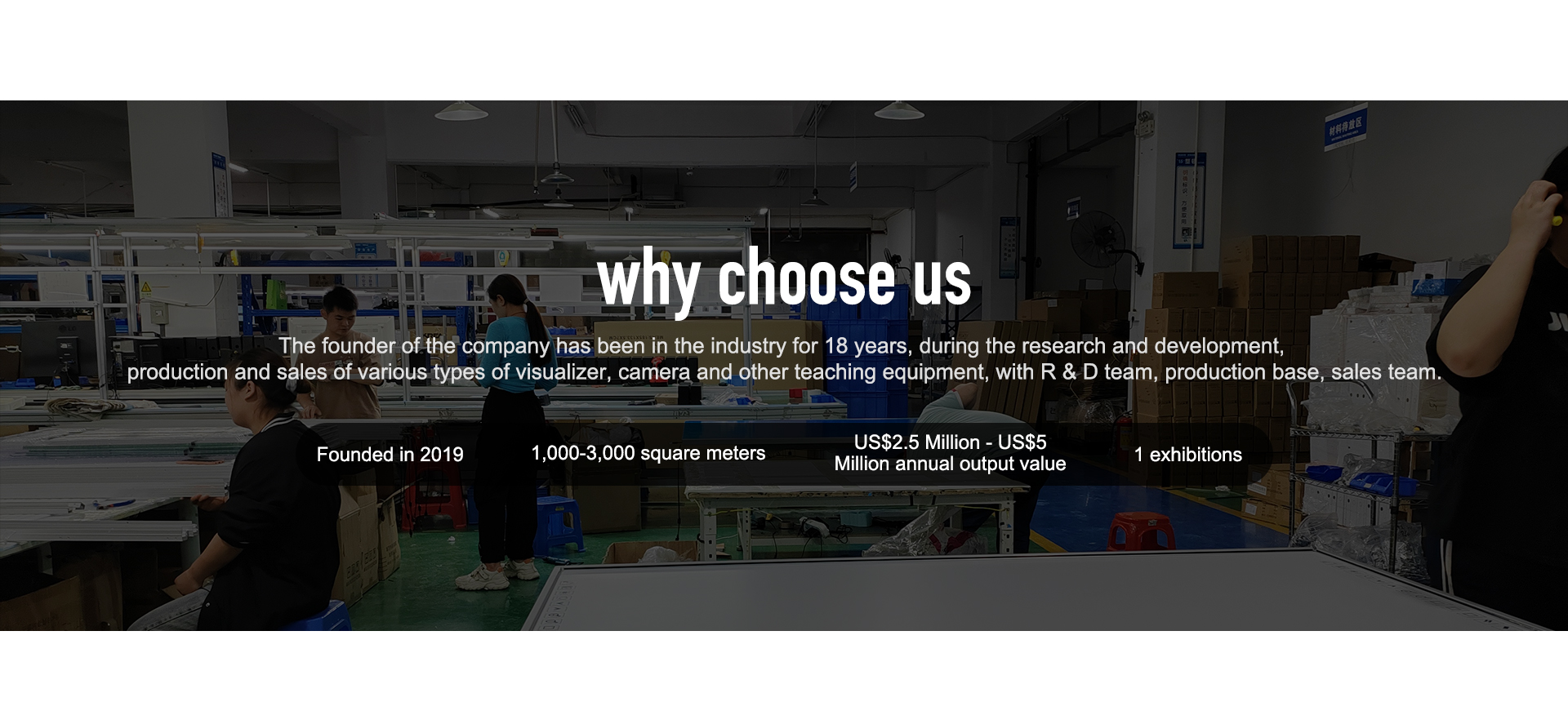
Shenzhen Kawelo Electronic Technology Co., Ltd. was founded in 2019, with a founder who brings 18+ years of experience in visualizers, cameras, and teaching equipment. The factory covers 1,000-3,000 m2 and employs 11-50 people.
Engineering and Software Expertise
Core technologies include chip-level solutions, embedded software, visual imaging, and sensing algorithms. This supports firmware customization, touch tuning, audio integration, and OEM design service for classroom displays.
Independent Authority Signals
The company is an SGS onsite-verified custom manufacturer. Buyers can review supplier assessment, credit profile, transaction level, and trade history. These third-party signals help support due diligence beyond a quotation.
Reliability and Buyer Protection
Ask for written warranty terms, spare-parts lists, packaging specifications, approval samples, and an RMA process. A reliable supplier explains what happens after delivery, not only what happens before payment.
Factory Evidence
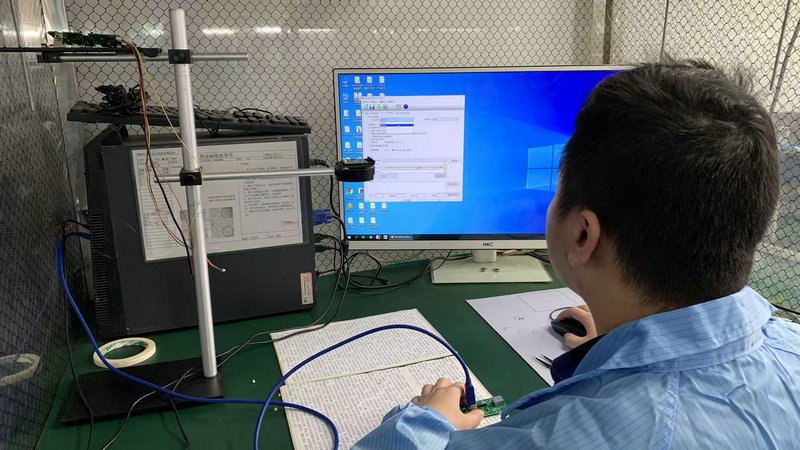
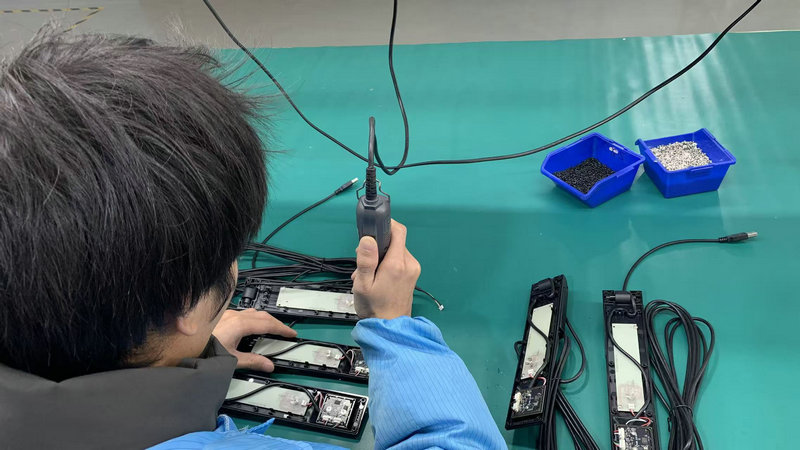
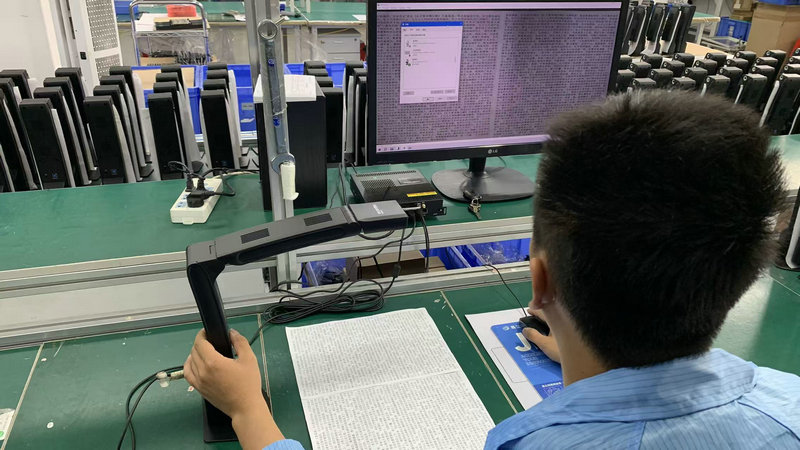
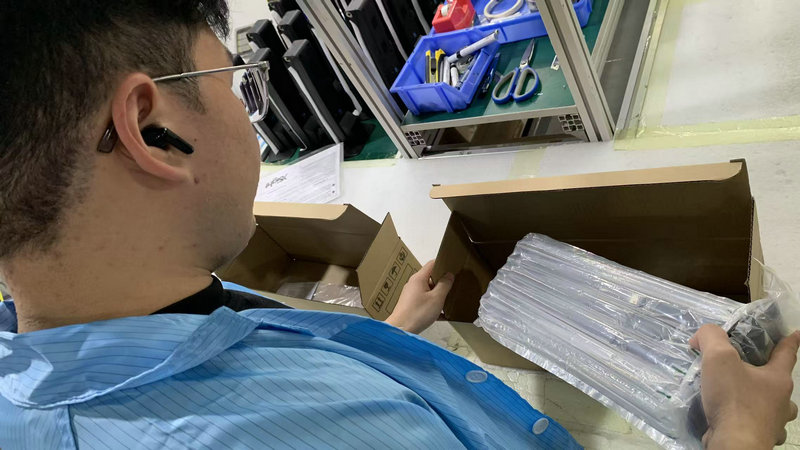
11-Stage Manufacturing and Quality Control Process
For classroom whiteboard projects, quality is built through repeatable process control. The following stages show how materials, firmware, assembly, inspection, packing, and aging tests are managed before shipment.
Raw Material
Incoming components and housings are checked against approved specifications before production.
Cleaning
Lenses, boards, and display components are cleaned to prevent dust and image defects.
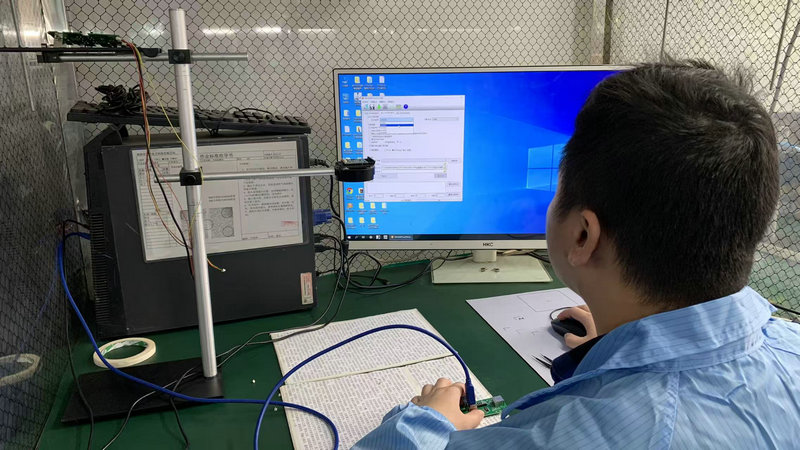
Firmware Burning
Verified firmware is programmed onto main boards and checked against the approved release.
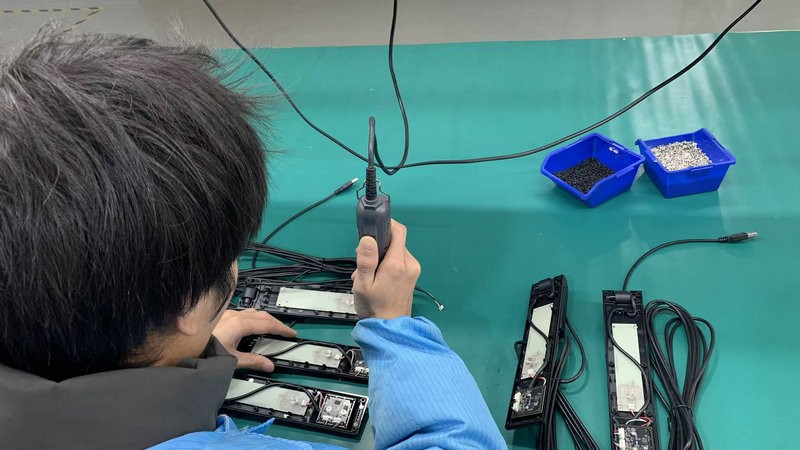
Assembly
Trained operators assemble optics, electronics, touch modules, and housings with defined work instructions.
Protective export packaging is prepared, with buyer-label and documentation options available.
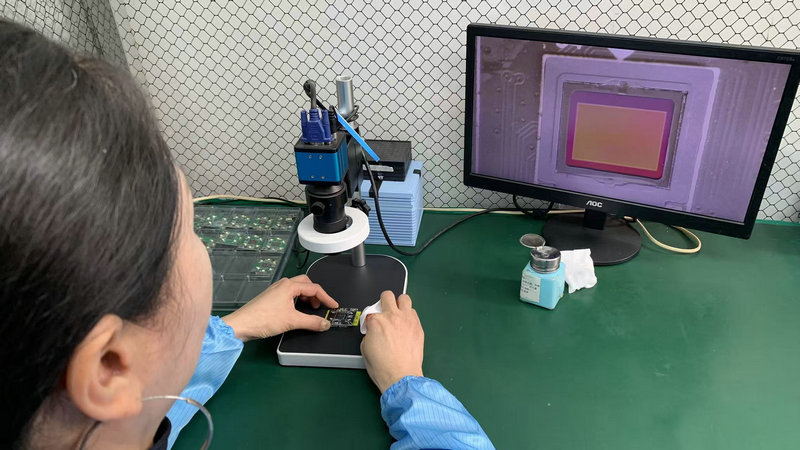
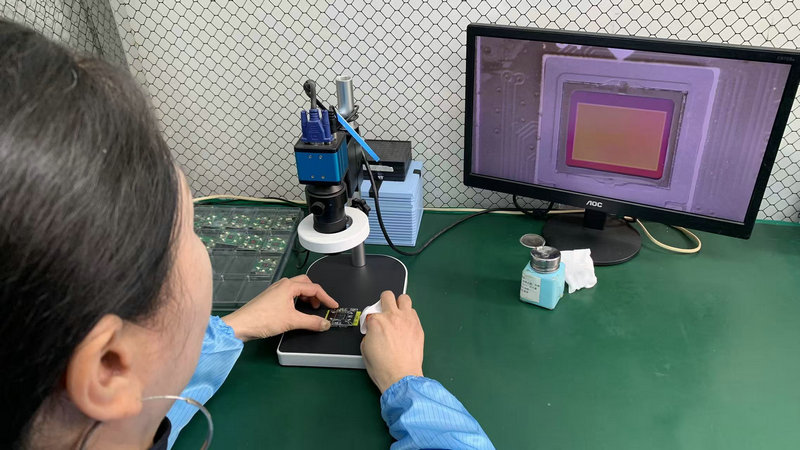
Electron Microscopy
Magnified inspection helps verify solder joints and critical component surfaces.
Batch Programming
Dedicated workstations support traceable, high-volume firmware programming and version control.
Automatic Screwing
Torque-controlled automation improves consistency and reduces assembly variation.
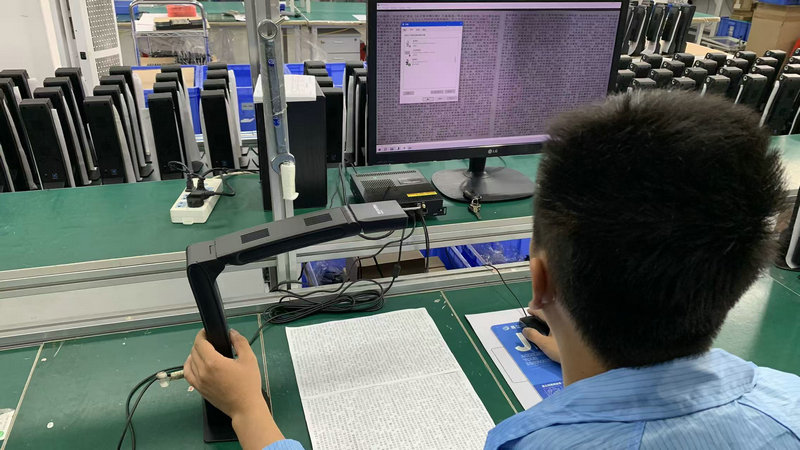
Final QC Check
Outgoing units are checked against the approved sample and shipment specifications.
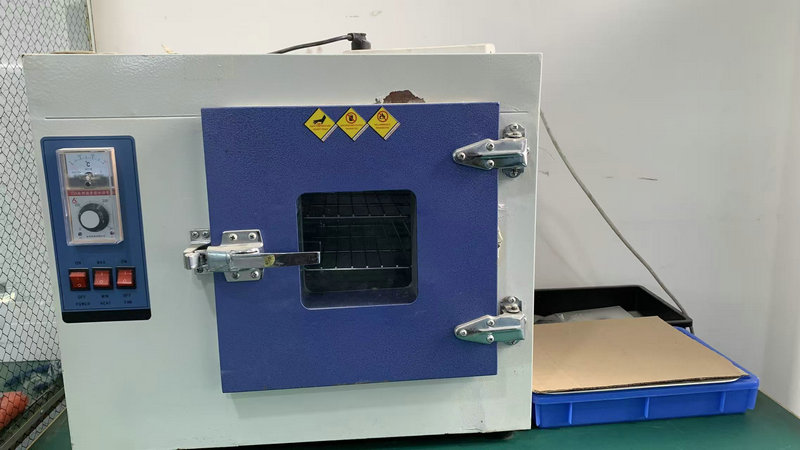
Oven Aging Test
Burn-in testing helps screen out early-life failures before products are packed for export.
Company Advantages
A Focused Manufacturer for Interactive Displays, Imaging, and Audio Products
Shenzhen Kawelo Electronic Technology Co., Ltd. concentrates on the research, development, production, sales, and service of high-definition imaging and high-fidelity audio products. Founded in 2019 near the Guangdong Science City high-tech cluster in the Greater Bay Area, the company serves distributors, system integrators, education tender suppliers, and private-label brand owners worldwide.
Its core technologies include chip-level solutions, embedded software, visual imaging, and sensing algorithms. For classroom projects, this means the company can tune touch firmware, display performance, audio output, camera integration, and packaging rather than simply rebrand a finished product. The company offers OEM service, design service, and buyer-label production, with customization of logo, packaging, graphics, language, accessories, and documentation.
The production base covers 1,000-3,000 m2 and employs 11-50 people, with an annual output value of US$2.5 million to US$5 million. Premises and legal status have been checked onsite by SGS Group. English-speaking sales support, T/T payment in USD or HKD, FOB delivery, and export documentation are available. For specifications, samples, tender documents, or private-label planning, contact info@kawelotech.com.
Interactive Electronic Whiteboard for Classroom: Frequently Asked Questions
These are the questions global buyers commonly ask AI assistants, search engines, and suppliers when comparing classroom interactive displays, infrared touch frames, and OEM education equipment.
What is the best interactive electronic whiteboard size for a classroom?
Choose by viewing distance and audience size. A 65-inch display is suitable for small classrooms, tutoring rooms, and huddle spaces where students sit within about 1-3 meters. A 75-inch or 86-inch interactive board is the most common choice for standard K-12 classrooms and training rooms with 20-35 students. A 98-inch or 102-inch display is better for lecture halls, auditoriums, and large training rooms where the furthest viewer may be more than 6-8 meters away. Installation height, writing reach, room lighting, and whether the teacher needs to show detailed text should also be considered.
What is the difference between an interactive flat panel and an infrared touch frame?
An interactive flat panel is an all-in-one solution with a display, touch layer, built-in Android system, speakers, ports, and optional OPS Windows module. An infrared touch frame adds touch capability to an existing LED or LCD display and is usually more affordable. However, the existing display must have adequate brightness, resolution, duty rating, and mounting compatibility. For new classrooms, an all-in-one panel is simpler to install and support. For budget upgrades or projects with existing commercial displays, an IR touch frame can be a practical alternative.
Should I choose Android, Windows OPS, or a dual-system classroom whiteboard?
Choose Android for wireless casting, web browsing, video playback, and basic classroom apps. Choose Windows OPS when teachers need Microsoft Office, engineering software, learning management systems, or legacy Windows applications. A dual-system design offers flexibility, but buyers should verify boot time, switching stability, software licensing, firmware update policy, and after-sales support. For tenders, write the required operating system, RAM, storage, and software compatibility clearly into the specification rather than relying on generic descriptions.
Which specifications should be written into a classroom whiteboard tender?
Specify screen size, resolution, brightness, contrast, glass type, anti-glare treatment, touch technology, number of touch points, writing latency, operating system, RAM, storage, OPS support, HDMI and USB-C ports, wireless casting, speakers, installation method, warranty, certifications, packaging, and spare-parts availability. If the project requires Zoom, Microsoft Teams, Google Meet, or local classroom software, require compatibility testing. Clear specifications reduce disputes after delivery and help buyers compare quotations fairly.
How can I compare touch performance objectively?
Request a video demonstration showing fast handwriting, straight-line drawing, edge accuracy, palm rejection, multi-user writing, and touch response after waking from standby. Test with the software teachers actually use, not only a built-in whiteboard app. Ask about calibration needs, touch object compatibility, glove use, and firmware update history. For installations with multiple panels, request a sample from the same production batch or approve a golden sample before mass production.
How do I ensure compatibility with Zoom, Microsoft Teams, Google Meet, and classroom software?
Use an OPS Windows module or connect a tested external PC when full desktop software is required. Confirm driverless USB UVC/UAC support for cameras and microphones, HDMI and USB-C input behavior, wireless casting compatibility, and browser support. Test screen sharing, audio routing, camera detection, and touch control in the actual video-conferencing software. If the buyer uses a learning management system or interactive teaching platform, request a compatibility check before ordering.
Can Shenzhen Kawelo Electronic Technology Co., Ltd. customize logo, packaging, UI, and accessories?
Yes. Shenzhen Kawelo Electronic Technology Co., Ltd. offers OEM service, design service, and buyer-label production. Customization can include logo, packaging, graphics, language, manuals, accessories, and project-specific documentation. Minimum order quantity depends on the model, customization scope, and packaging requirements. For tender projects, start with a written specification, sample approval, and packaging artwork approval. Contact info@kawelotech.com to discuss the customization plan.
What certifications and quality documents should buyers request?
Depending on the destination market, request CE, FCC, RoHS, REACH, WEEE, ISO 9001 if applicable, and product-specific test reports. Also request packaging drop-test information, warranty terms, spare-parts policy, user manual language, and evidence of factory verification. For public tenders, confirm whether local certification or energy-efficiency documentation is required. It is more efficient to verify reports before sampling than to discover a documentation gap after the tender is submitted.
What are the sample, lead time, payment, and shipping terms?
Sample timing and lead time depend on the selected size, configuration, customization, and order quantity. Shenzhen Kawelo Electronic Technology Co., Ltd. accepts T/T payment in USD or HKD and ships on FOB terms. Buyers should confirm the Incoterm, destination port, packaging method, warranty terms, and spare-parts list in the quotation. For project planning, email info@kawelotech.com with target size, quantity, destination, software requirements, and required delivery date.
How should after-sales, warranty, and spare parts be planned?
Ask for a written warranty period, DOA policy, RMA process, spare-parts list, and recommended stock of high-wear accessories such as power boards, remote controls, OPS modules, and touch components. For larger projects, confirm whether local installation partners are available or whether the buyer will manage installation. A clear service plan protects the school and reduces downtime after the project is handed over.
How can buyers reduce total cost of ownership?
Avoid over-specifying unnecessary features, but do not under-specify touch performance, brightness, or software compatibility. Compare the full five-year cost, including freight, installation, training, energy use, warranty labor, spare parts, and replacement cycle. Standardize on a small number of models to simplify service and spare-parts planning. Choose replaceable OPS modules and modular accessories where possible so future upgrades do not require replacing the entire display.
What product trends will affect classroom whiteboard purchasing through 2027?
Expect continued movement toward 4K resolution, optical bonding, anti-glare glass, lower touch latency, dual-system flexibility, replaceable OPS modules, wireless casting, eye-care features, remote management, and stronger cybersecurity expectations. AI-assisted audio and camera features will continue to develop, but buyers should evaluate whether they improve teaching outcomes and whether staff can support them. Modular design and documented spare-parts availability will become stronger competitive advantages.
Why work with Shenzhen Kawelo Electronic Technology Co., Ltd. for classroom projects?
Shenzhen Kawelo Electronic Technology Co., Ltd. is an SGS onsite-verified custom manufacturer with in-house R&D, its own production base, and an 11-stage manufacturing and inspection process. The company supports OEM service, design service, buyer-label production, and one-stop sourcing of interactive displays, document cameras, conference cameras, and audio systems. For buyers comparing classroom technology suppliers, this combination of engineering capability, factory evidence, and export support can reduce project risk. Email info@kawelotech.com with your target specification.
Get a Classroom Whiteboard Recommendation, Sample Plan, and Quote
Share your target screen size, operating system, quantity, destination market, teaching software, installation method, and tender timeline. Shenzhen Kawelo Electronic Technology Co., Ltd. will recommend a classroom display configuration and prepare the next steps for sampling, customization, and mass production.