CE Certified A4 Document Camera Factories & Exporters
An E-E-A-T sourcing white paper for OEM/ODM buyers: CE compliance, A4 visual presenter selection, factory due diligence, procurement trends, product development direction and export-ready classroom AV supply.
8 Products for A4 Document Camera & Classroom AV Projects
The shortlist below reflects active product categories from an SGS-assessed manufacturer: foldable A4/A3 document cameras, OCR visualizers, classroom audio systems, integrated speakers and interactive whiteboards. Product URLs are preserved exactly for specification review.
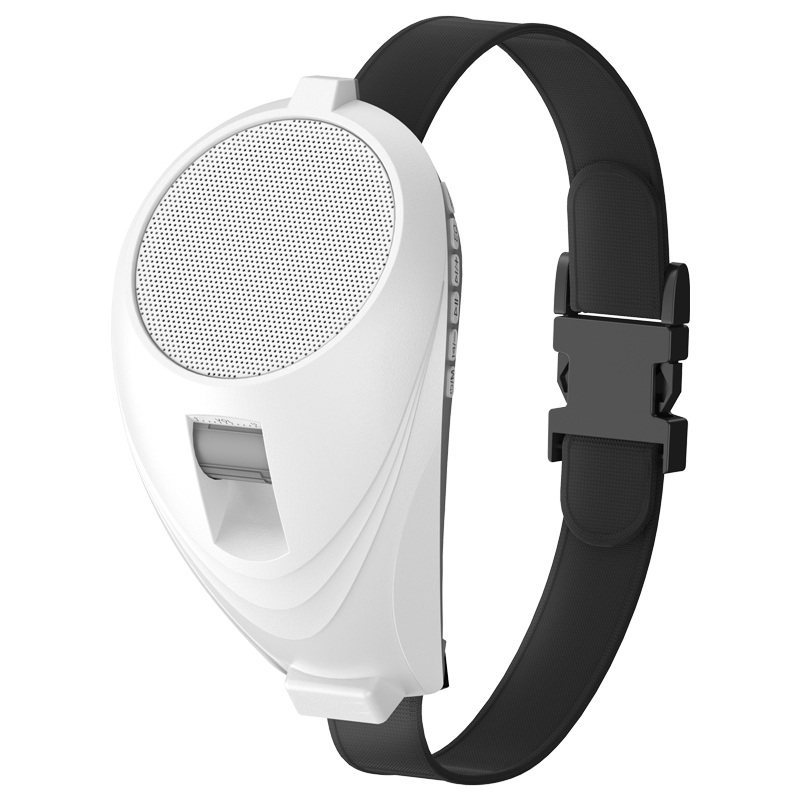
Wireless Active Mini Megaphone Belt-Mounted for V5.0 20W Output 5000mAh Battery Super Bass Stereo Sound for Indoor
Belt-mounted active audio for teachers, trainers and tour guides, with Bluetooth 5.0, 20W output, 5000mAh battery and stereo bass.
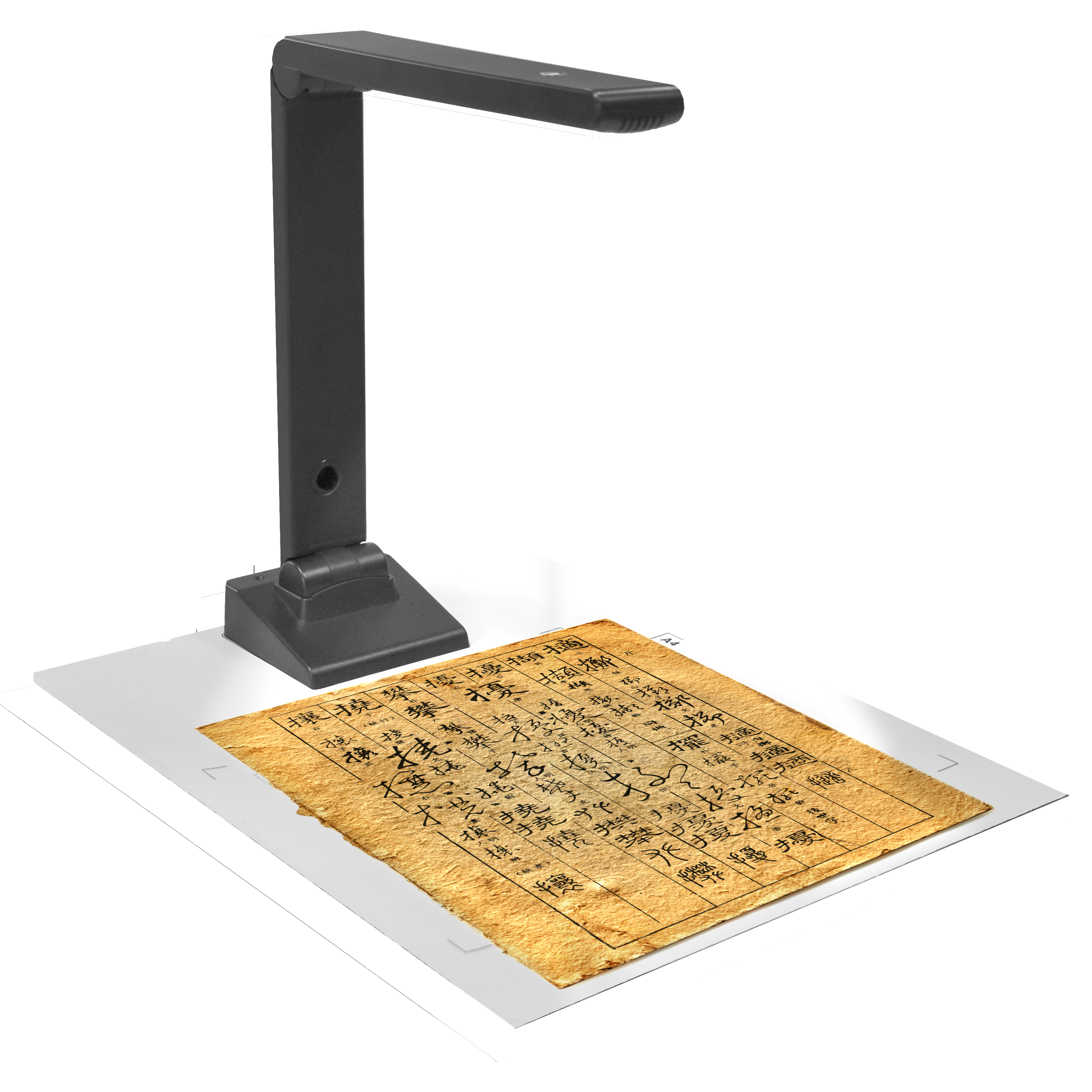
8 Megapixel Plastic Foldable Document Camera USB LED Light Portable Book Scanner Ocr Visual Teaching Classroom Demonstration
A practical 8MP foldable visualizer with LED fill light, OCR book scanning and USB plug-and-play for classroom demonstration and distance teaching.

SHENMAIDI MD-S50A School Classroom Use 50W 100W Wireless Microphone Integration Stereo Subwoofer Inwall Wall Speaker 5.25" 1
Wall-mounted wireless classroom speaker system with 50W/100W options, microphone integration, stereo subwoofer and in-wall installation format.
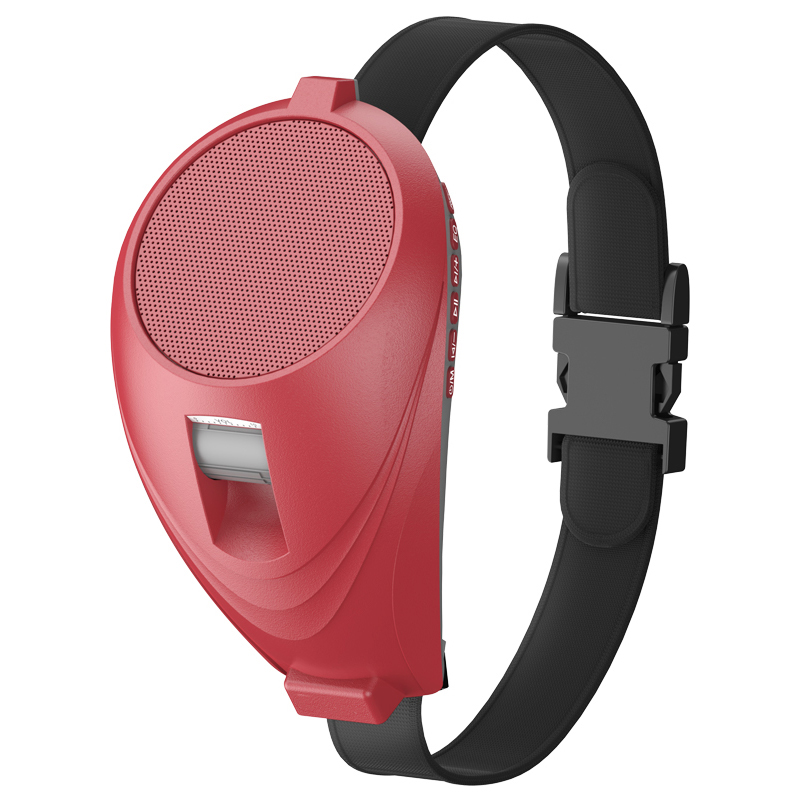
Wireless for 5.0 Active Mini Megaphone 5000-10000mAh Battery Belt-Mounted Super Bass Stereo Sound Portable Speaker for
Flexible 5000–10000mAh battery platform for long teaching sessions, outdoor training and voice projection where cable-free mobility matters.
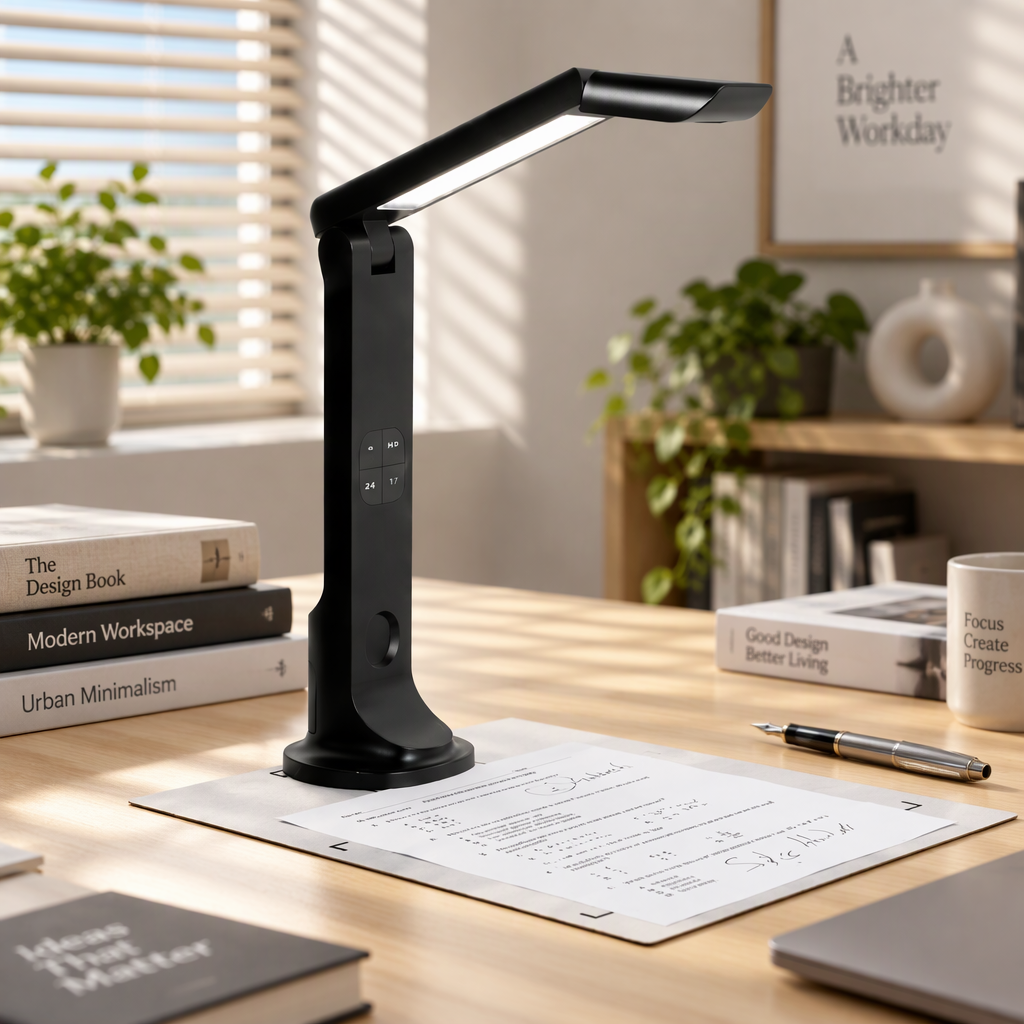
A4 A3 Plastic Digital Document Camera Scanner Portable USB High Speed for PC in Stock
Portable USB document camera scanner for PC workflows, suitable for fast paper capture, visual presentation and in-stock project deployment.
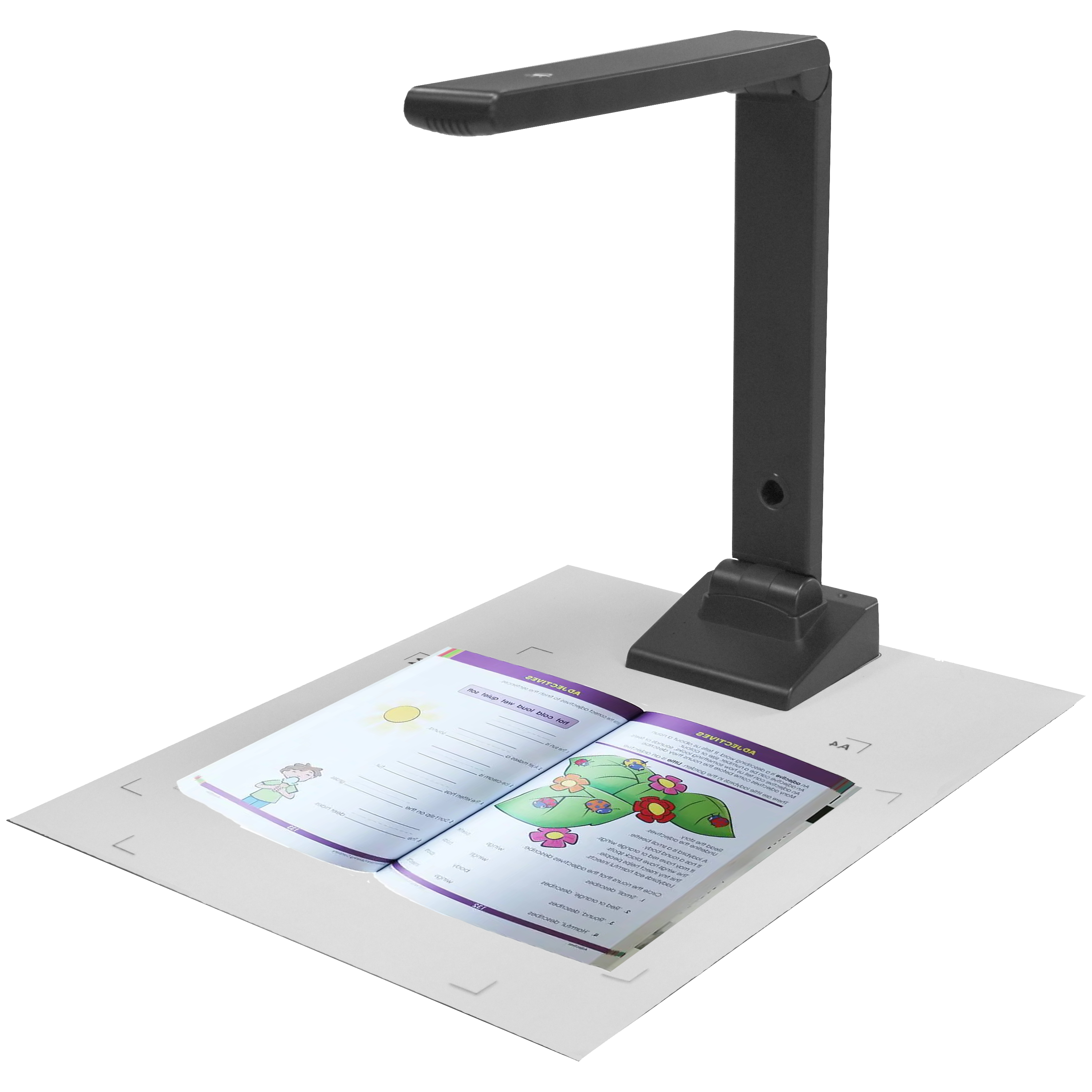
16 MP CMOS Sensor Document Scanner OEM Digital Visualizer Presenter Auto Focus A3 Educational Equipment USB Plastic School
16MP CMOS A3 visualizer with auto focus and USB output for tender-ready education supply, OEM branding and classroom demonstration projects.
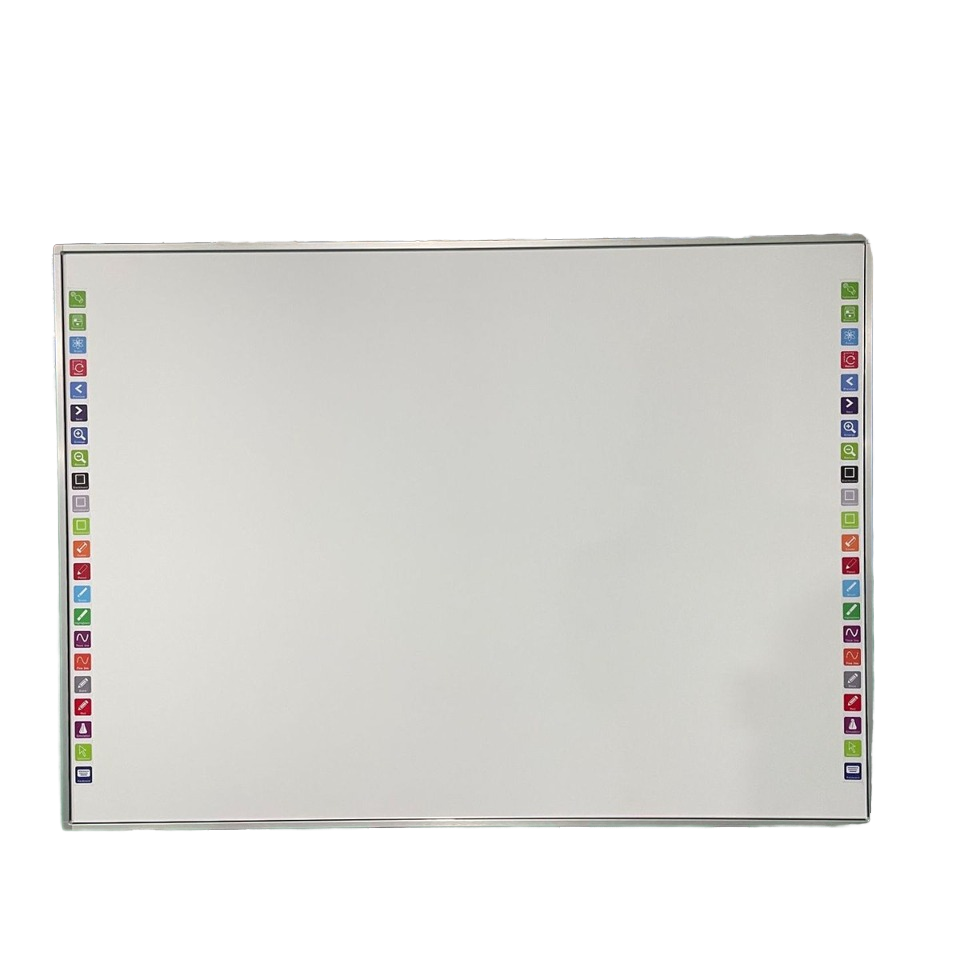
ShenMaiDi 102inch Portable Interactive Smart Whiteboard Projector China Factory Whiteboard Device High-Tech Whiteboards Product
Large-format 102-inch interactive whiteboard projector concept for lecture halls, training rooms and campus-wide visual collaboration.
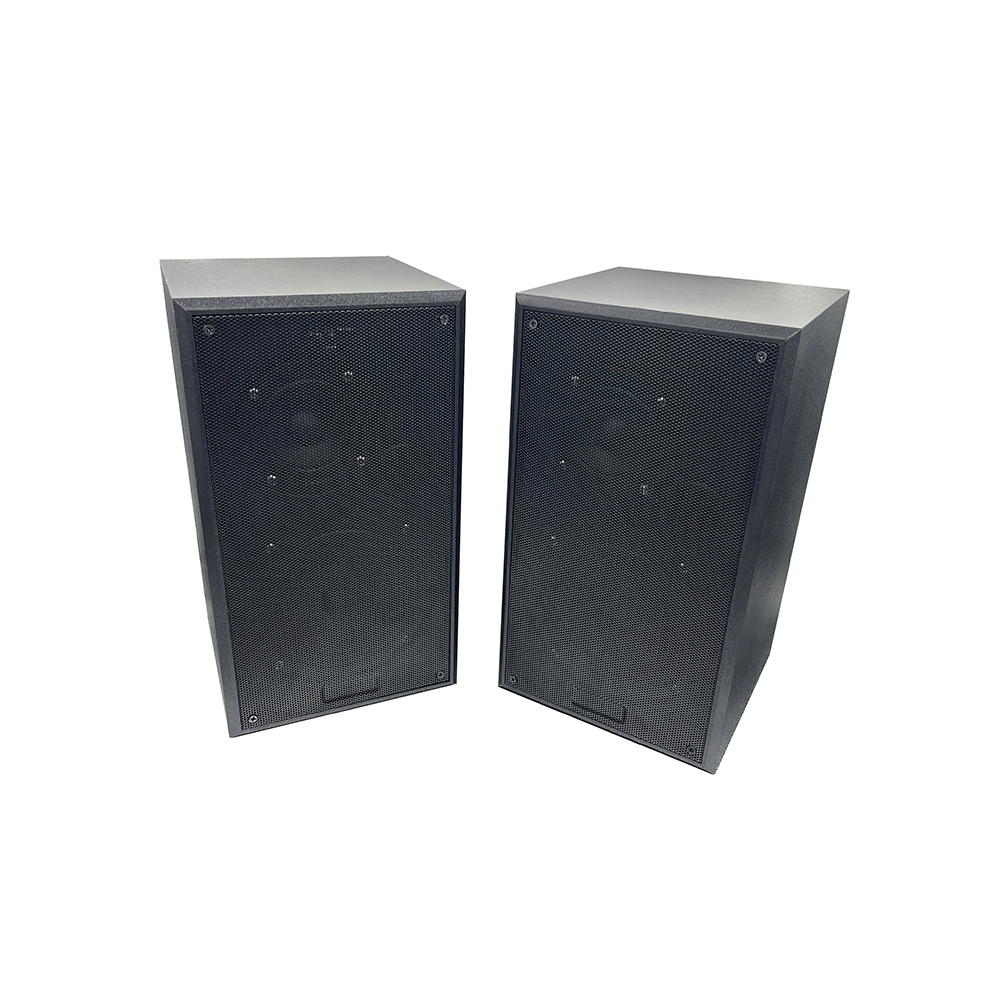
SHENMAIDI MD-S50A 50W Integrated Stereo Speaker Sound Amplifier Educational CE/CCC/FCC/ROHS/ISO9001 Certified 1 Year Warranty
Integrated stereo amplifier speaker for classrooms and training rooms, positioned with CE/CCC/FCC/ROHS/ISO9001 documentation and 1-year warranty.
Share your target market, A4/A3 capture requirement, OEM branding needs and CE documentation checklist. The sales engineering team can shortlist matching document cameras and classroom AV models.
Why CE-Certified A4 Document Camera Factories & Exporters Matter Now
The buyer journey for document cameras has shifted from “find a low-cost visualizer” to “qualify a compliant, export-ready imaging partner.” A4 remains the workhorse capture area for contracts, textbooks, student work, passports, prescriptions, service counters and teacher-led demonstrations.
From classroom accessory to campus infrastructure
Document cameras are now specified alongside interactive whiteboards, conference cameras, USB webcams and classroom audio. Education buyers and AV integrators increasingly prefer to source these categories from one verified factory to reduce supplier count, simplify warranty administration and improve project margin control.
CE certification is necessary but not sufficient. Professional buyers also examine model-list coverage, test-report traceability, power adapter compliance, firmware control, packaging drop tests, spare-parts policy and the exporter’s ability to answer technical questions after the order.
For A4 document cameras, the most common procurement conflict is between low unit price and hidden lifecycle cost. A camera that saves a few dollars but lacks a clear SDK path, replacement light module or consistent firmware version can create far higher deployment costs for a school district, government office or distributor.
What buyers actually evaluate
- CE test report and model coverage
- A4/A3 image sharpness and LED uniformity
- OCR and SDK integration support
- Firmware version control
- Packaging and drop-test readiness
- Warranty and spare-parts response
What “CE Certified” Should Mean for an A4 Document Camera Order
CE marking is a conformity signal, not a decorative badge. Buyers should verify the technical file, applicable directives, test evidence and the relationship between the certificate or declaration and the exact product model being shipped.
Verify directives and standards
For document cameras, confirm which directives apply to the product and power adapter, such as EMC, LVD where relevant, RoHS and related standards. Ask for a declaration of conformity and test report with model numbers.
Match the report to the SKU
A compliant A4 document camera family may have multiple variants. Check that the exact resolution, interface board, adapter, LED module and firmware configuration in your PO are covered or assessed.
Inspect labels and packaging
CE marking, model identification, manufacturer or importer details, warnings and language requirements should be consistent across sample units, mass-production labels and retail packaging.
Control firmware and change notices
A4 visualizer firmware affects image processing, OCR performance and USB behaviour. Require written change notification for critical components, PCBA revisions or driver-affecting firmware updates.
Test the complete user workflow
Test capture, zoom, focus, LED brightness, OCR output, USB connection, software compatibility and packaging. A compliant camera must still work in the buyer’s real teaching or counter-service environment.
Keep the audit trail
Store declarations, reports, sample photos, label artwork, inspection records and warranty terms. This protects distributors and school buyers during tenders, customs review and after-sales disputes.
Six Changes Reshaping A4 Document Camera Procurement
These trends are visible in tender language, distributor planning and OEM inquiries. The winning supplier is usually the one that reduces project risk, not simply the one that quotes the lowest FOB price.
Compliance-first tenders
Buyers ask for CE reports, RoHS evidence, model lists, warranty terms and packaging details before price negotiation. Suppliers that can answer in one data pack move faster.
Bundled classroom kits
Document cameras are increasingly purchased with interactive whiteboards, speakers, webcams or conference cameras. Single-supplier room kits reduce shipping complexity and installation risk.
SDK and OCR integration
Banks, government counters, schools and software vendors want OCR, SDK access, stable drivers and long firmware availability. Hardware without software support becomes a support burden.
Verified-factory preference
Overseas buyers increasingly prefer SGS-assessed or third-party-audited factories. Verification reduces the risk of brochure-only trading, unclear QC ownership and undocumented component substitution.
Total cost of ownership
Procurement teams compare warranty handling, spare-parts lead time, packaging damage rates and re-deployment effort, not just unit price. A4 document cameras must survive daily classroom handling.
Modular, repairable design
Repairability, replaceable light modules and lower packaging waste are becoming differentiators for institutional buyers, especially where devices are repaired rather than replaced.
Where A4 Document Cameras Are Heading Next
The next generation of document cameras will not be judged only by megapixels. Buyers will compare image consistency, software integration, privacy control, serviceability and how well the device fits a hybrid classroom or digital service counter.
16MP and 4K options
Higher resolution supports A3 capture, finer text detail, OCR confidence and close-up demonstration. However, lens quality, focus speed and LED uniformity matter more than resolution alone.
On-device OCR and enhancement
Auto focus, document edge detection, noise reduction, glare control and OCR acceleration improve teacher workflow and counter-service throughput.
USB-C, HDMI and wireless flexibility
Buyers want PC-free presentation, HDMI output for lecture halls and USB-C convenience. Wireless control and privacy indicators are becoming expected in meeting-room deployments.
Software-first integration
SDK-ready models reduce deployment friction for banks, government counters and software vendors. Stable drivers and long firmware support become part of the hardware value proposition.
Repairability and sustainability
Modular light boards, replaceable cables, lower standby power and reduced packaging waste support institutional sustainability targets without compromising daily usability.
Room-level AV convergence
Document cameras will be sold with audio, whiteboards and conference cameras as a complete room solution. Interoperability across USB, HDMI and control software becomes a key evaluation criterion.
10 Checks Before You Place a PO With an Exporter
A4 document camera projects fail for predictable reasons: unclear compliance scope, weak packaging, inconsistent firmware, missing spares or a supplier that cannot support software integration. Use this audit list to separate a factory from a reseller.
Third-party onsite assessment
Confirm the production site has been assessed by SGS or a comparable third party, and check whether assembly, firmware, QC and packing are in-house.
CE and RoHS evidence by model
Request declarations, test reports and model lists. Verify the exact SKU, adapter and accessories that will ship.
Firmware control
Ask how firmware is flashed, verified and version-controlled. Dedicated burning stations reduce cross-version inconsistency.
Image and OCR sample test
Test A4 pages, textbooks, curved book spines, handwriting, small print, colour documents and low-contrast text under classroom lighting.
Production floor and equipment
Review lines, cleaning stations, firmware burning computers, automated screwing, QC benches and aging equipment where relevant.
IQC and OQC records
Incoming inspection, image testing, audio testing, function testing and packaging checks should be documented rather than trusted verbally.
SDK and software ownership
If your project needs SDK, OCR or driver support, identify the engineer responsible and confirm response times for integration questions.
MOQ, samples and ramp-up
Confirm model-level MOQ, sample availability and production capacity before promising delivery to your tender or distribution channel.
Warranty and spares
Ask what is covered for the 1-year document camera warranty, how replacement parts are handled and whether buyer-label service terms can be supplied.
Export packaging and terms
Review carton drop protection, buyer-label packaging, master-carton marks, FOB terms and payment currency before order confirmation.
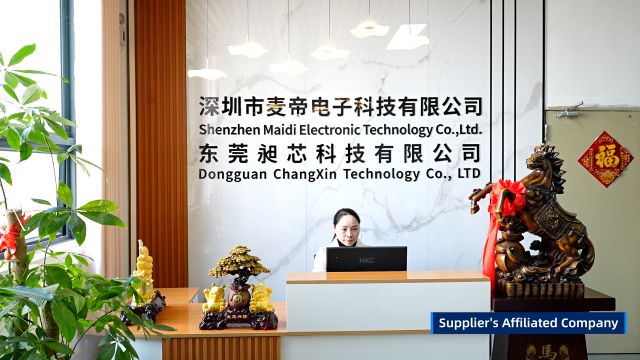
Kawelo: An SGS-Assessed, CE-Certified A4 Document Camera Factory & Exporter
Shenzhen Kawelo Electronic Technology Co., Ltd. is a manufacturer with integrated trading capability. The company was founded in 2019 near the Guangming Science City high-tech park, and its founder brings 18 years of experience developing visualizers, cameras and teaching equipment. This experience shapes the product definition, imaging tuning and service model behind the A4 document camera and classroom AV range.
Kawelo’s production base in Dongguan, Guangdong covers ≤3,000 m² and employs 11–50 staff across R&D, production, QC and sales. Annual output is in the US$2.5M–US$5M range. Work is handled from chip-level solution selection through imaging and sensing algorithms, firmware and audio tuning, assembly, QC and packing. Dedicated firmware burning stations support standard and buyer-specific versions, while selected models offer SDK support and OCR recognition.
The company’s export focus covers Southeast Asia, Africa, North America and Oceania. For distributors, tender suppliers and AV integrators, the practical advantage is one verified source for document cameras, interactive whiteboards, conference cameras, USB webcams and classroom audio—reducing BOM complexity while improving engineering communication.
Request the current A4 document camera datasheet, CE documentation checklist, OEM packaging options and sample plan.
Common Questions From Overseas A4 Document Camera Buyers
These answers reflect the questions most often raised by education tenders, AV distributors, OEM buyers and government project suppliers before a first order.
Is Kawelo a manufacturer or a trading company?
What does CE certification cover for your A4 document cameras?
What OEM and ODM customization is available?
What is the minimum order quantity for A4 document cameras and related products?
Do your document cameras support SDK and OCR integration?
What payment and delivery terms are accepted?
What warranty is provided?
Which export markets do you serve?
Can we test a sample before ordering a full project quantity?
How should buyers reduce CE, customs and after-sales risk?
For project-specific questions, include target country, quantity, A4/A3 capture requirement, interface, SDK/OCR needs and packaging language in your inquiry.
Build a Lower-Risk A4 Document Camera Supply Program
Send your project brief to an SGS-assessed, CE-focused factory with in-house firmware, assembly, QC and OEM packaging capability. Share quantities, target market and model requirements to receive a practical shortlist for document cameras, whiteboards and classroom audio.