CE · SDK
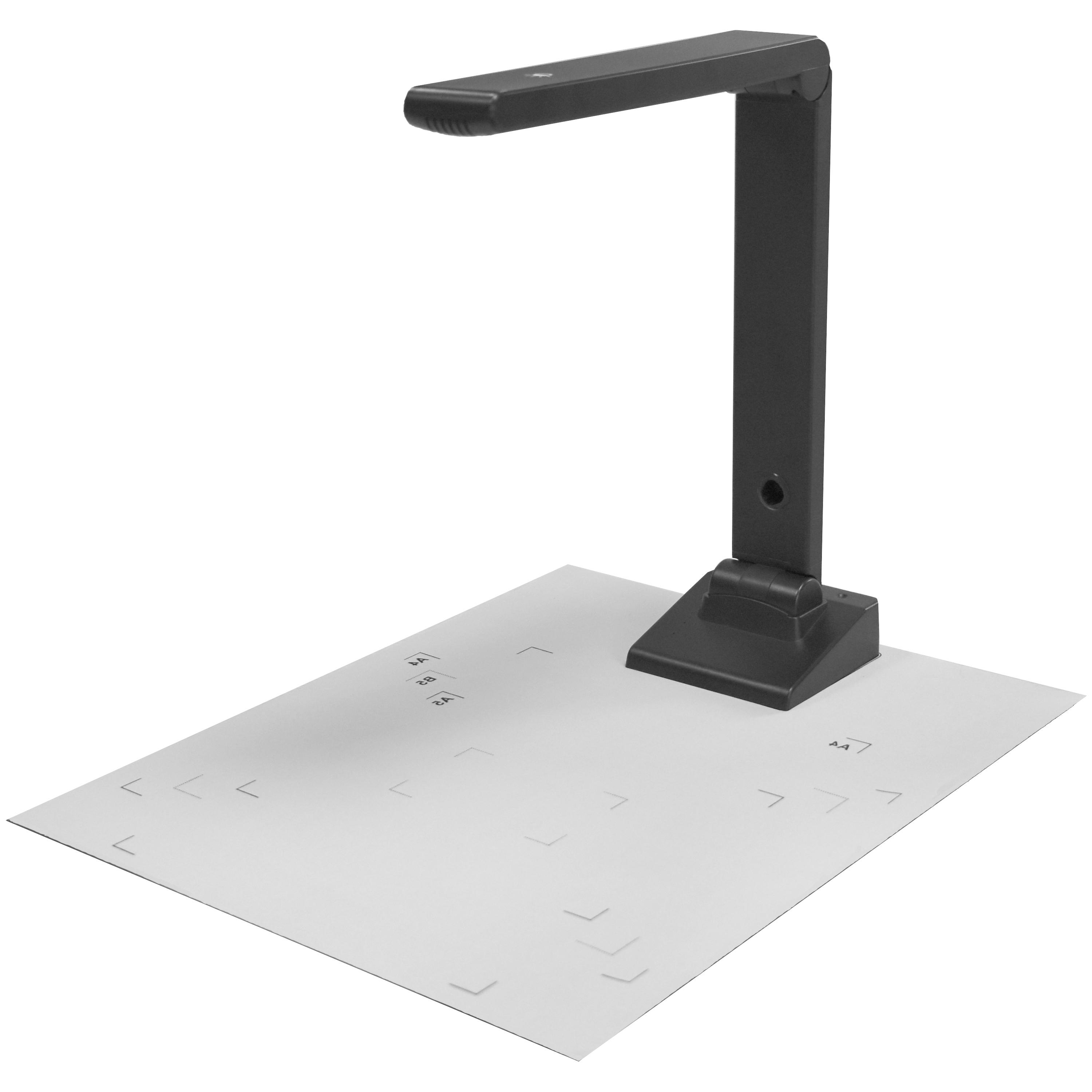
Factory-direct A3/A4 wireless document cameras, visual presenters and OCR scanners for education and enterprise — OEM/ODM ready, MOQ from 1 unit.
Inquire NowEvery model below is in active production at our Dongguan plant. Sensors, interfaces and firmware are identical to the units we ship to tender projects, so you can shortlist directly from this page.
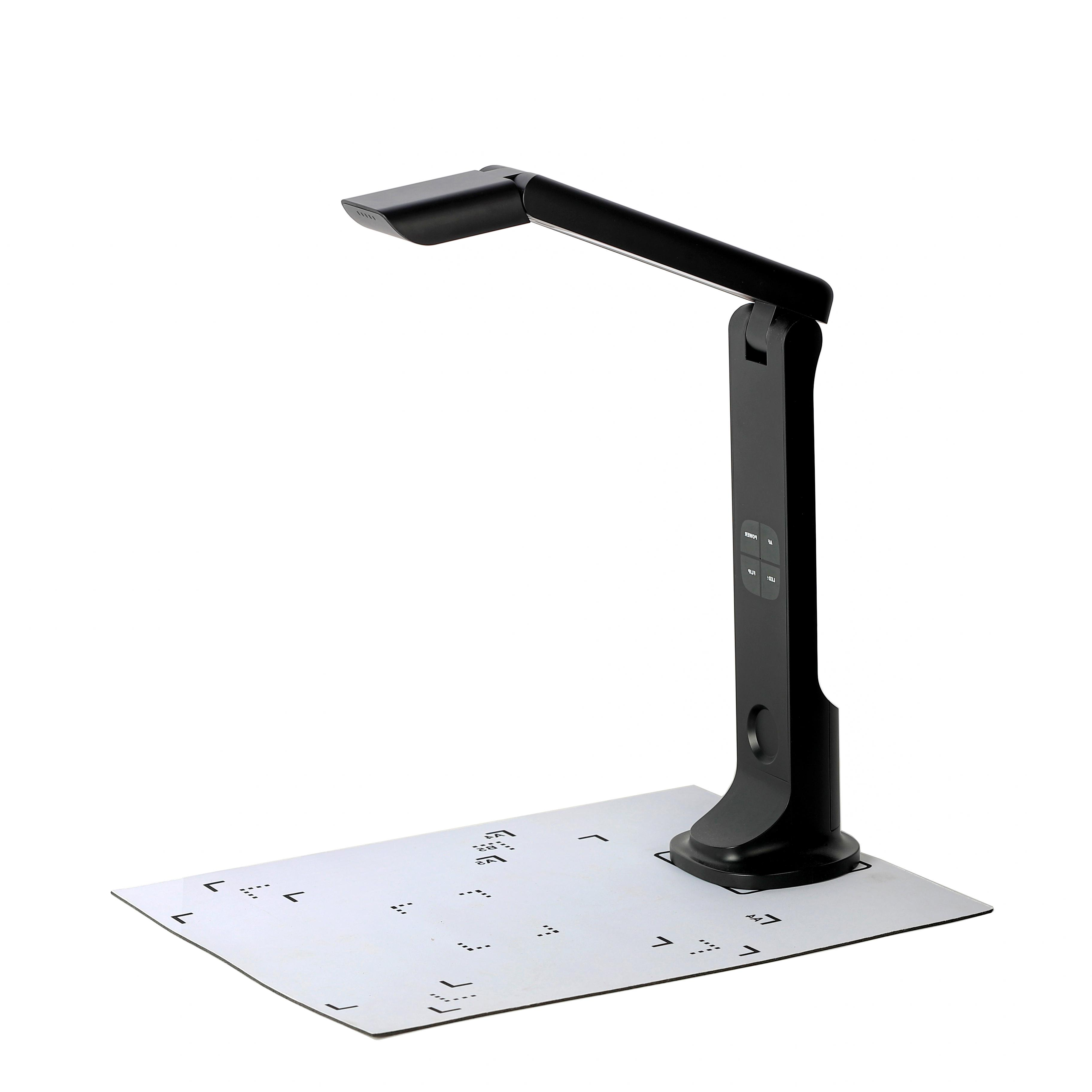
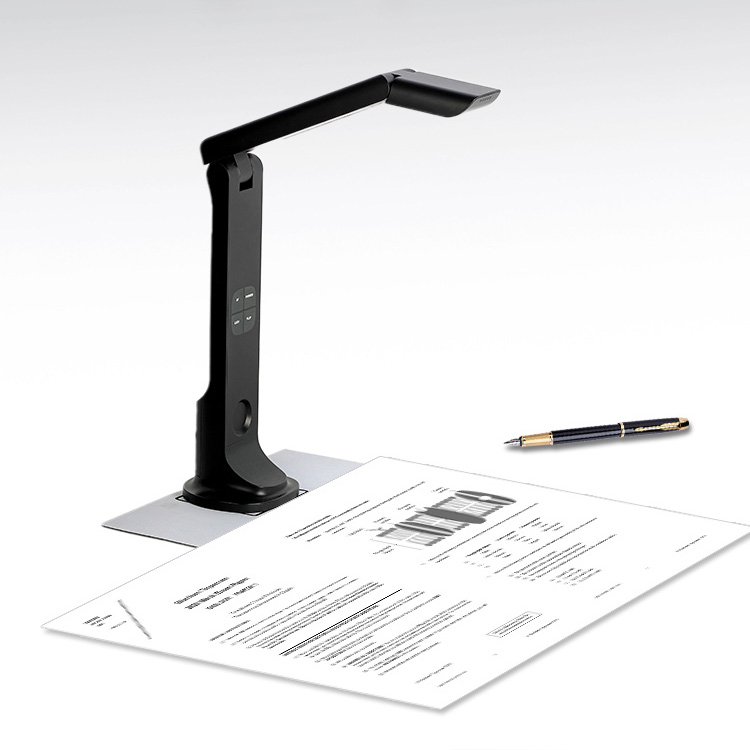
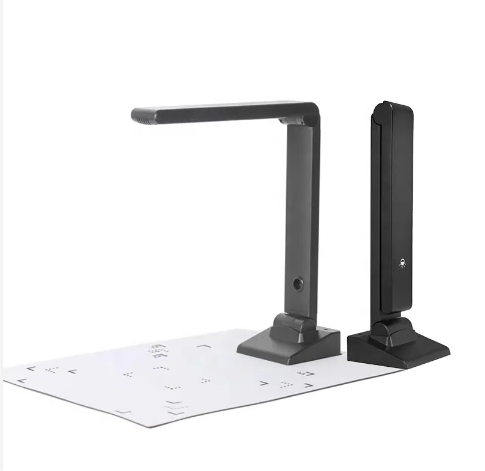

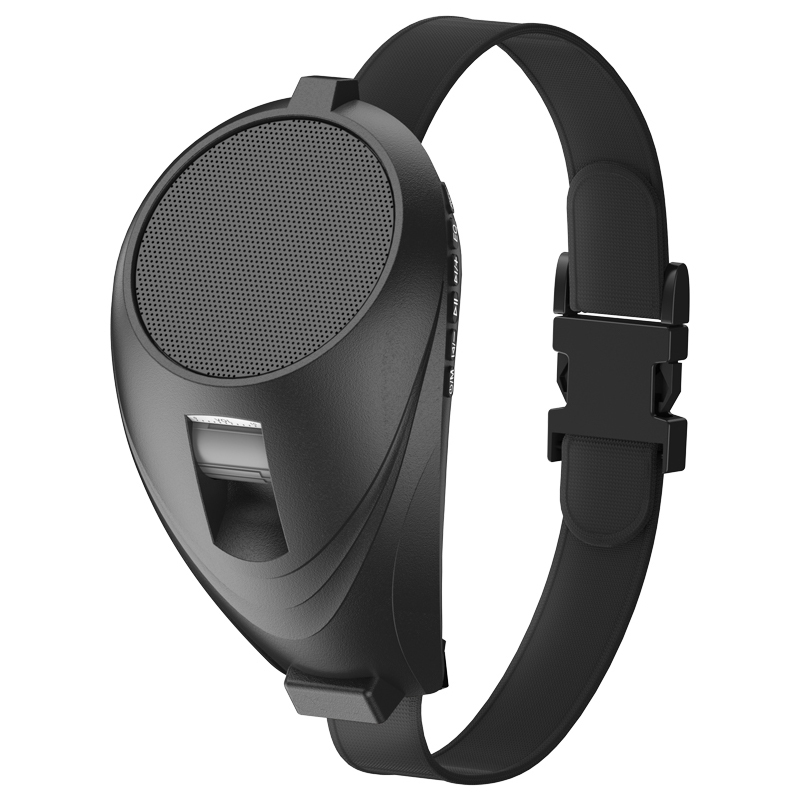
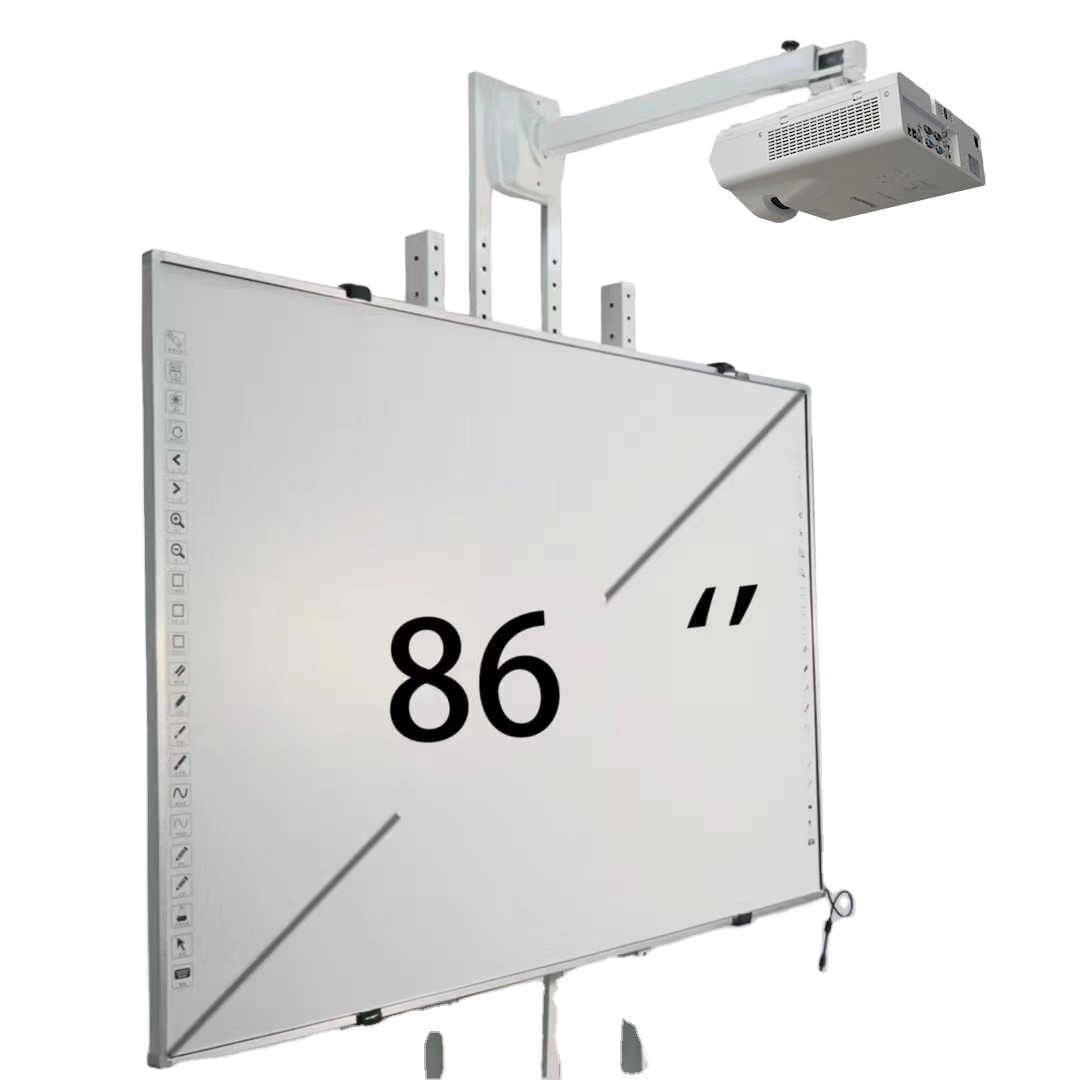
A short purchasing brief for procurement teams, integrators and private-label brands evaluating factory partners in 2025.
People who search for CE certified wireless document camera manufacturers are rarely browsing. The query almost always sits inside a live purchasing decision — clearing a tender specification, qualifying a sample for a distributor catalogue, or locking down a private-label product line. That changes what a supplier page needs to prove: compliance and manufacturing evidence first, price second.
In our quotation inbox we consistently see three buyer profiles behind this keyword. System integrators need SDK documentation, firmware version control and interface specifications so the camera can be embedded into classroom software or a document-management platform. Distributors and private-label brands need OEM flexibility — logo, packaging, boot animation, and a stable BOM they can sell for several seasons. Schools, universities and enterprise AV teams care about durability, teacher onboarding time and warranty terms, because a visualiser that sits unused is a failed purchase regardless of its spec sheet.
CE marking is also widely misunderstood as a single piece of paper. For a wireless document camera, the European framework typically touches the EMC Directive (2014/30/EU), the Low Voltage Directive (2014/35/EU) where the voltage range applies, the Radio Equipment Directive (2014/53/EU) for the wireless module, and RoHS (2011/65/EU) for material restrictions. A credible manufacturer can supply a Declaration of Conformity together with test reports from an accredited laboratory — not merely a badge rendered on a landing page.
The “wireless” part deserves its own due diligence. Dual-band support (2.4 GHz and 5 GHz), the screen-sharing protocols the device accepts, pairing behaviour in dense classroom Wi-Fi, latency under load, and whether the wireless link carries video only or also control data — all of these affect the classroom experience far more than the headline resolution number. Ask for a live demo on a congested network, not only a clean-office benchmark.
This is the information gain that separates a real factory relationship from a catalogue reseller. It is also the reason we publish our assessment status, certification scope and production location openly, rather than asking buyers to take a supplier profile at face value.
Patterns we observe across live tenders, repeat orders and OEM briefs from education and enterprise buyers.
Public education and government tenders increasingly require EMC and LVD reports as mandatory attachments rather than post-award paperwork. Suppliers who can issue the full documentation pack shorten bid cycles and avoid disqualification.
Teachers now expect to walk in, connect a tablet or laptop and present without hunting for a cable. Buyers specify screen-sharing plus document camera in one workflow, which is shifting demand from pure USB models to dual-mode units.
Distributors are testing categories with 1 to 5 units instead of container loads, then scaling on sell-through. Minimum order quantity has become a shortlisting filter — a factory that supports trial quantities wins the second order.
Bank counters, hospital registration desks and government service windows buy document cameras as components, not standalone products. They need an SDK, a documented command set and local-language OCR before they will approve a pilot.
Document camera output is now routed into recording appliances and video-conference rooms. Procurement asks for HDMI plus USB simultaneous output, clean signal switching and compatibility with mainstream capture software.
Instead of assembling a BOM from five vendors, integrators increasingly source the document camera, interactive board, amplifier speaker and conference camera from one factory — fewer shipments, one warranty contact, one firmware policy.
Engineering directions we are actively developing for the 2025–2027 product cycle, based on buyer feedback and component roadmaps.
The mainstream education tier has already moved from 8MP to 13–16MP CMOS. The next step is 4K capture with better low-light behaviour, so that dim classrooms and glossy textbook pages still produce readable text without external lighting.
2.4 GHz alone cannot survive a classroom with forty active devices. New designs pair 5 GHz channels with adaptive bitrate control so the presenter sees a stable image instead of a frozen frame during peak network load.
Edge processing now removes hand shadows, corrects page curl, straightens skewed documents and isolates the region of interest before the frame ever reaches the PC — cutting post-processing work for teachers and counter staff.
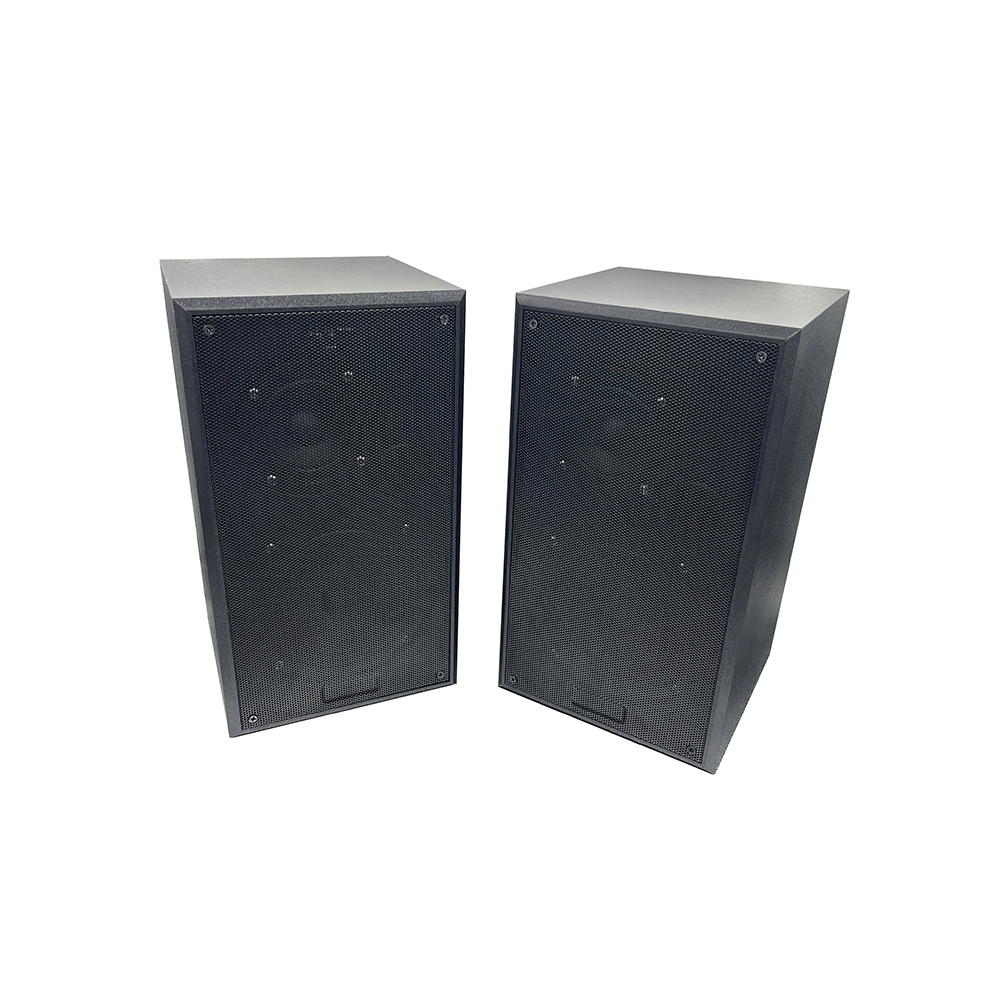
Rather than adding a separate amplifier, new classroom kits combine the visualiser with a 50W-class stereo speaker module, so one power outlet and one control surface serve both the image and the sound in the room.
One mechanical platform now serves both a portable foldable arm for travelling teachers and a fixed wall-mounted arm for podium installations — reducing tooling cost and simplifying spare-parts logistics for distributors.
Software partners increasingly require a documented API, stable device enumeration and an over-the-air or offline update path. Open SDKs shorten integration time from months to weeks and protect the buyer’s software investment.
Four deployment patterns where buyers report the clearest return within the first semester or quarter.
Live demonstration of textbooks, worksheets and science experiments on the main display, with no need to reposition the teacher or the projector.
Lecture capture, annotation and remote-session sharing where the camera must feed both the room display and a recording system at the same time.
Passport, ID and contract capture at the counter with SDK integration into the institution’s own workflow, replacing flatbed scanners that slow down queue time.
Showing printed documents, product samples or whiteboard sketches to remote participants without an extra document camera operator in the room.
Shenzhen Kawelo Electronic Technology Co., Ltd. builds document cameras, interactive boards, conference cameras and classroom audio under one roof — with the assessment record to prove it.
Our production base covers up to 3,000 m² and handles assembly, firmware burning, optical cleaning, QC and export packing in-house — no anonymous subcontracting between your PO and your pallet.
Our founding team brings 18 years in visualisers and imaging devices. Solution selection, imaging and sensing algorithms, firmware and audio tuning all happen internally, which is what makes genuine ODM work possible.
Our factory has passed an onsite supplier assessment by SGS Group, and the document camera range carries CE certification. The company operates under a certified quality-management system with documented inspection records.
Logo printing, custom gift boxes, graphic customisation, boot animation and buyer-label cartons. Firmware is flashed and verified on dedicated burning stations, so your branded unit behaves exactly as specified.
Selected document cameras and conference cameras start from 1 piece, most webcams and document cameras from 4 to 5 pieces, and interactive whiteboards typically from 30 pieces — so you can validate before you scale.
T/T payment in USD or HKD, FOB quotations, and a standard 1-year warranty on document cameras. Annual output runs between US$2.5M and US$5M across 11–50 staff in R&D, production and sales.
Four documented checkpoints stand between incoming components and the carton that reaches your warehouse.
Sensors, lenses, PCBs and mechanical parts are checked against BOM and supplier lot before release to the line.
Standard or buyer-specific firmware is flashed and verified on dedicated burning stations, with version recorded per batch.
Optical surfaces are cleaned under controlled conditions before the arm and base are assembled, preventing image specks in the field.
Image, focus, audio and interface tests on every finished unit, followed by aging checks and export packing with optional buyer cartons.
Direct answers to the points that most often decide whether a document camera supplier gets a sample request.
Tell us the capture area, resolution, interface and quantity you need. Our engineers will reply with the closest matching document camera, the CE documentation scope, sample lead time and an FOB quotation in USD or HKD.
Inquire Now