China Best Digital Book Scanner Factories & Exporter
A procurement-grade guide to choosing an SGS-assessed, OEM/ODM digital book scanner and visual presenter factory for education, library, government, AV channel, and hybrid meeting projects.
Eight Production Models for Digital Book Scanning, Teaching & Meeting Rooms
The first sourcing filter is fit for the workflow, not catalogue size. These eight systems cover A3/A4 document capture, OCR digitisation, classroom audio, 4K conferencing, optical zoom visualisers, OEM visual presenters, and interactive touch accessories.
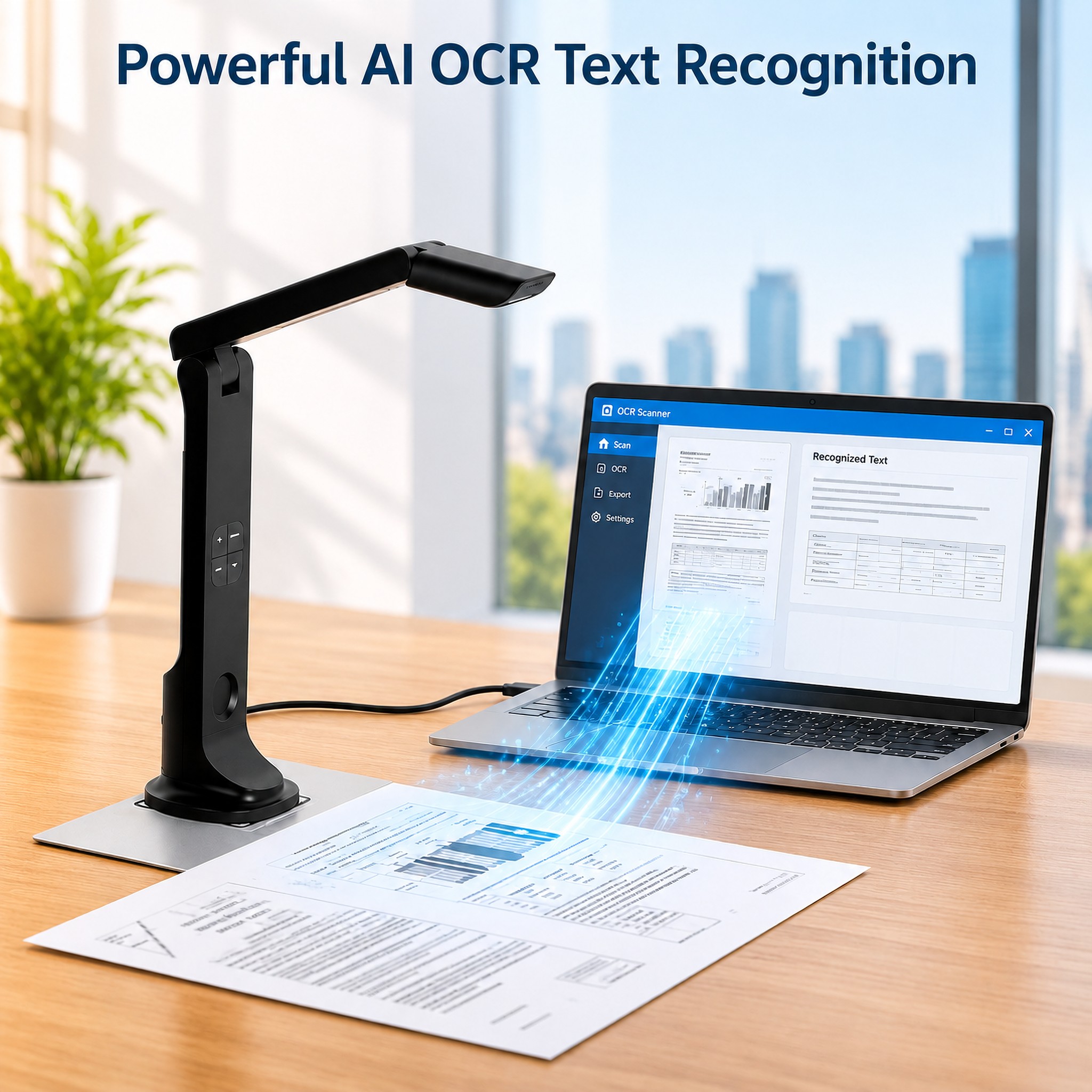
MD-16MT A3 Document Scanner 16MP CMOS USB Foldable Visual Presenter with LED Light & OCR
Best-fit model for book and paper digitisation where OCR, A3 capture, foldable deployment, and classroom flexibility matter. Request sample scans under your own lighting to verify glare control and text edge clarity.
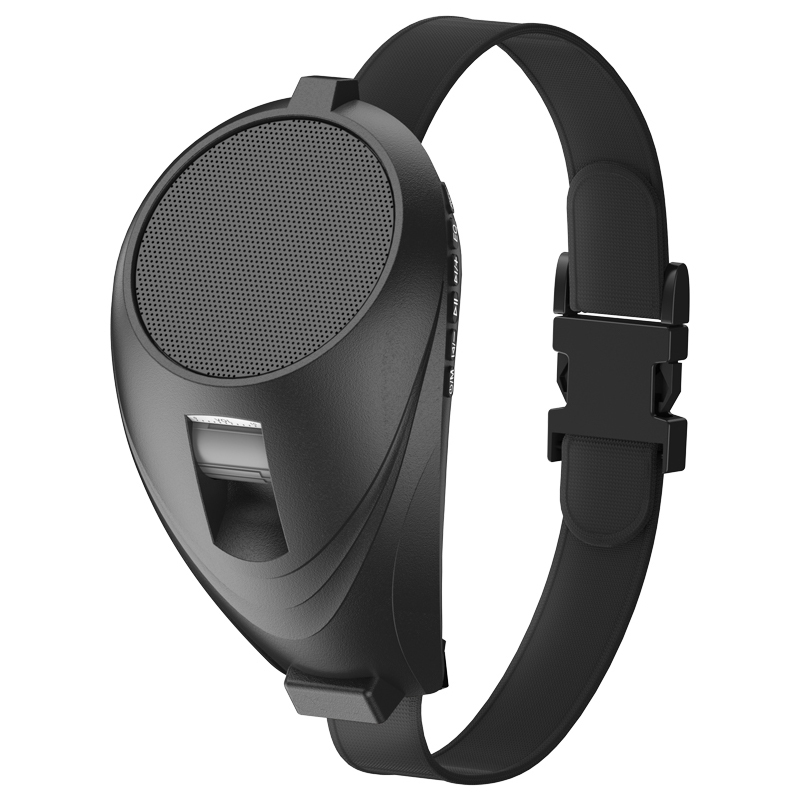
Active 5.0 Plastic Mini Speaker Super Bass Stereo Sound Belt-Mounted Megaphone for Teachers with 5000mAh Battery
A practical classroom audio accessory for teachers, trainers, and field presenters. The belt-mounted format and 5000mAh battery are useful when a project needs voice reinforcement alongside a document camera.

SHENMAIDI MD-S50A School Classroom Use 50W/100W Wireless Microphone Integration Stereo Subwoofer In-Wall Speaker 5.25"
Designed for classroom and training-room sound reinforcement. A wall-mount speaker with wireless microphone integration can reduce cabling complexity in tender bundles that include digital visualisers.

ShenMaiDi 4K PTZ Conference Camera with Real-time Recording Translation Audio Conference System for Online Training
For hybrid training rooms that need PTZ framing, live meeting capture, and audio integration. Pair with a document camera for sessions that require both face-to-face video and close-up document sharing.
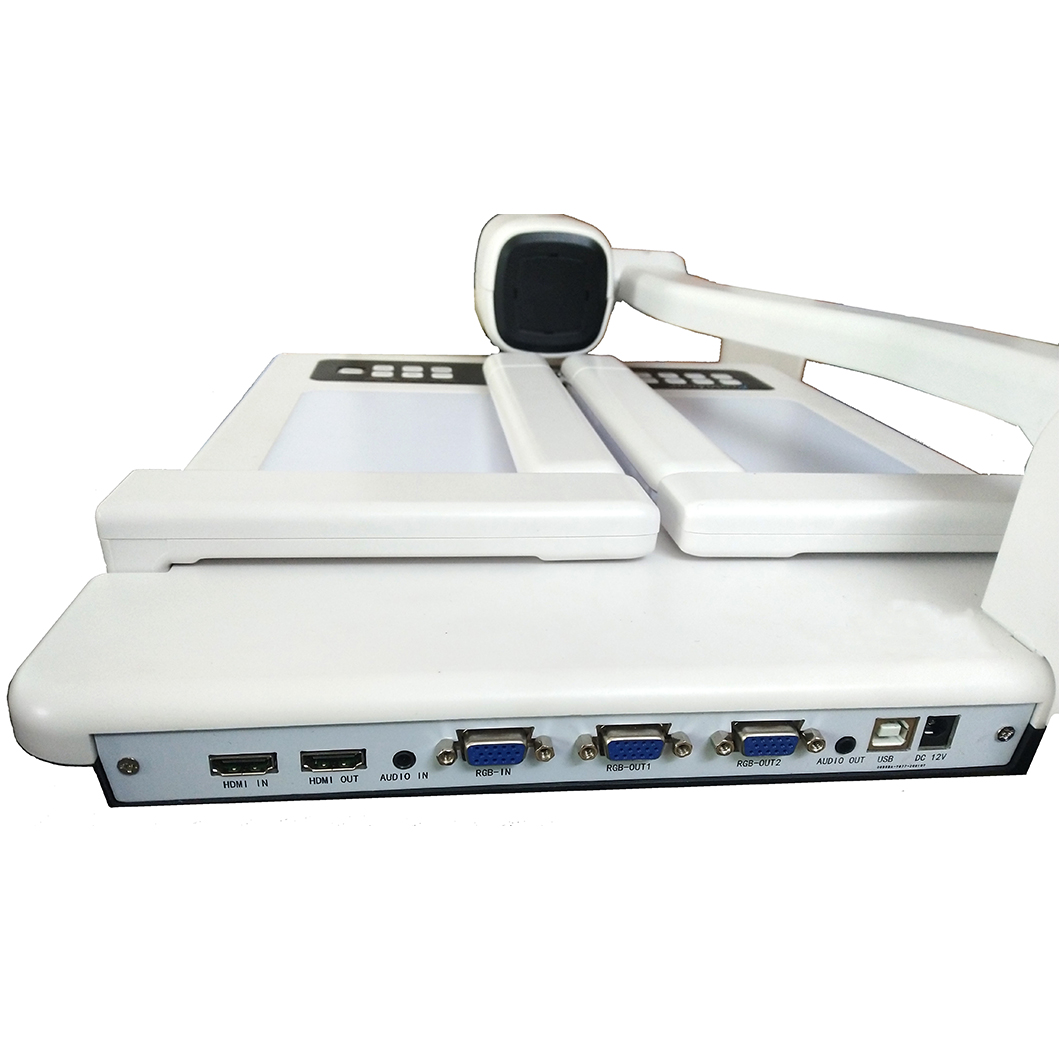
Document Optica 22X Optic Camera Zoom Educational Visual Presenter Adjustable LED Light Plastic School Smart Classroom A3/A4
Optical zoom is a meaningful advantage when the detail is small, such as engineering drawings, lab demonstrations, or dense textbook pages. Confirm the actual A3 capture area and light uniformity before tendering.
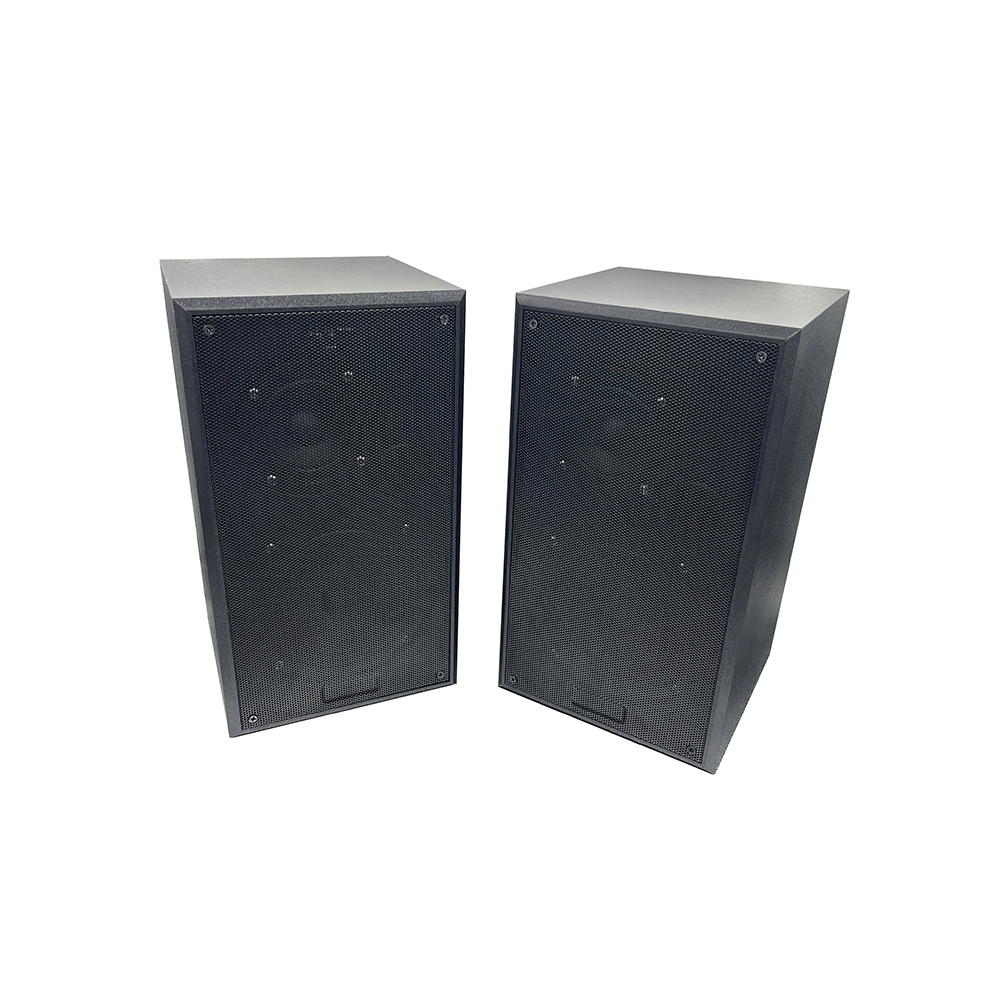
SHENMAIDI MD-S50A 50W Integrated Stereo Speaker Sound Amplifier Educational CE/CCC/FCC/ROHS/ISO9001 Certified 1 Year Warranty
An integrated speaker and amplifier option for education projects that need documented certification and a defined one-year warranty. Request current test reports and label files for your tender pack.
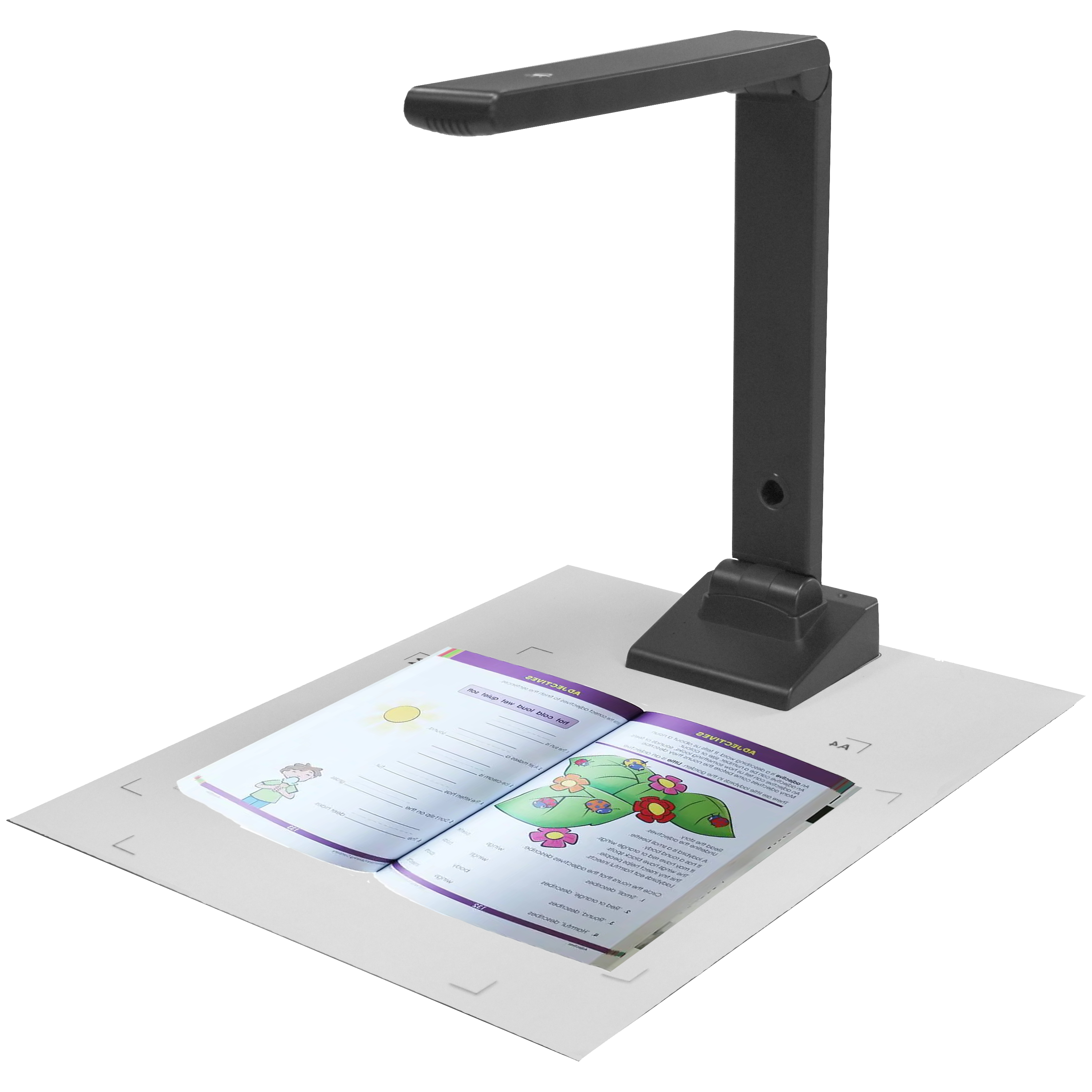
16MP CMOS Sensor Document Scanner OEM Digital Visualizer Presenter Auto Focus A3 Educational Equipment USB Plastic School
An OEM-oriented 16MP visualiser for distributors building a private-label document camera line. Ask about firmware version control, packaging customisation, sample lead time, and long-term model availability.
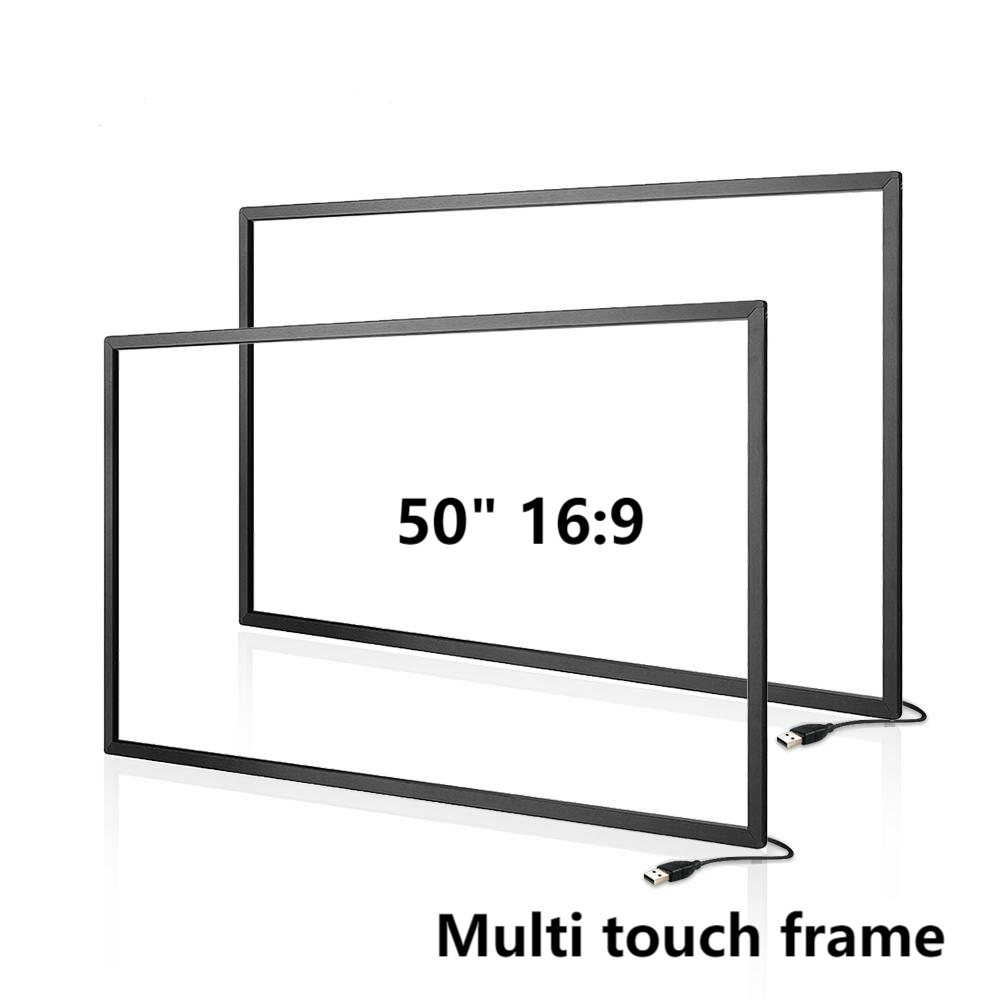
50-Inch IR Touch Frame USB Interface Free Drive New Without Glass USB for Touch Accessories
A driver-free USB touch frame for converting existing displays into interactive surfaces. Useful for budget-sensitive classrooms and meeting rooms where the screen is already installed.
Founder experience in visualisers, document cameras, and imaging equipment.
Production floor in Dongguan, Guangdong, with in-house assembly and QC.
Onsite supplier assessment passed—useful evidence in buyer qualification.
Main export markets: Southeast Asia, Africa, North America, and Oceania.
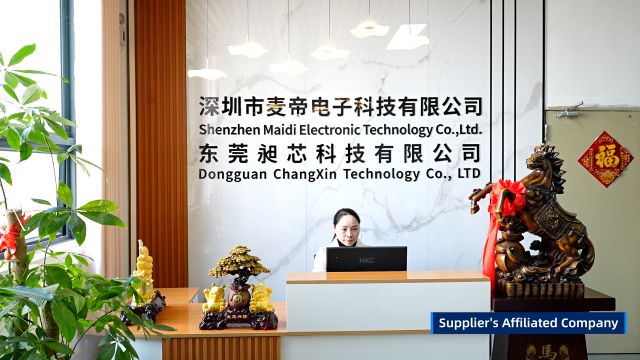

A Manufacturer With In-House Imaging, Firmware, Audio & QC—Not a Catalogue Broker
Shenzhen Kawelo Electronic Technology Co., Ltd. was founded in 2019 near the Guangming Science City high-tech park. The founder has spent 18 years developing visualisers, cameras, and teaching equipment, and that experience shapes how the company selects chipsets, tunes images, writes firmware, and tests finished units.
Our production base in Dongguan, Guangdong covers approximately 3,000 m². We work from chip-level solution selection through imaging and sensing algorithms, firmware, audio tuning, assembly, QC, and packing. OEM/ODM services include logo printing, custom packaging, graphic customisation, and buyer-label production. The document camera range carries CE certification, the company is quality-management certified, and the factory has passed an onsite supplier assessment by SGS Group.
- Business typeManufacturer with integrated trading function
- Team11–50 staff across R&D, production, and sales
- Annual outputUS$2.5M–US$5M
- Contract manufacturingOEM, design service, buyer label
- Quality evidenceQuality-management certification, CE document cameras, SGS assessment
- Export operationsFOB terms, T/T in USD or HKD
What “Best” Should Mean in a China Digital Book Scanner Factory Search
For procurement teams, “best” is not the lowest quotation. It is the lowest verified risk per delivered unit. A digital book scanner is a system of lens, CMOS sensor, illumination, hinge mechanics, firmware, OCR engine, SDK, packaging, and after-sales documentation. A factory that only assembles boards cannot guarantee what a school, library, or integrator experiences in year three.
Why megapixels alone are a weak tender specification
Two 16MP scanners can produce very different OCR outcomes. The variables include sensor sensitivity, lens quality, focus stability, LED diffusion, glare control on glossy paper, compression method, white balance, firmware sharpening, and the OCR engine itself. A serious buyer should test ten pages of their own material—mixed fonts, stamps, tables, faint print, and curved book pages—under the lighting conditions of the final installation. That single test reveals more than a specification sheet.
This is the information-gain advantage of sourcing from a factory with in-house imaging and firmware capability: you can ask for a real sample, a real scan, and a real integration conversation before committing to a purchase order.
Imaging-Chain Ownership
Ask whether the supplier tunes image quality at chipset, sensor, lens, firmware, and illumination level. A factory that owns this chain can solve glare, uneven light, and focus-hunting problems instead of hiding them behind a generic driver.
Document Workflow Knowledge
Books curve. Stamps shine. Binding shadows break OCR. A capable partner should discuss page flattening, light placement, capture area, OCR language support, and SDK workflows before quoting a scanner.
Auditability & Compliance
SGS onsite assessment, CE documentation, quality-management certification, incoming inspection records, and firmware-burning checkpoints reduce the chance of a tender challenge or a costly replacement cycle.
OEM/ODM Flexibility
For distributors, private-label packaging, logo printing, firmware flashing, graphics customisation, and buyer-label production matter as much as the scanner itself. Flexible MOQ supports pilots before a full rollout.
Total Cost of Ownership
The hidden cost of a low-price scanner is re-scanning, OCR correction, user training, spare units, and non-compliance. Evaluate the delivered unit cost across three years, not just the FOB quotation.
Export Reliability
Clear terms—FOB, T/T in USD or HKD, export packing, buyer-label cartons, and documented warranty—matter when the shipment is moving to Southeast Asia, Africa, North America, or Oceania.
Procurement insight: request identical sample pages from every shortlisted supplier. Measure character-edge clarity, glare, OCR accuracy, focus recovery time, and SDK compatibility—not just resolution and price.
How to Compare Digital Book Scanner Factories Before You Issue a PO
A practical checklist for education ministries, library digitisation teams, AV distributors, and system integrators who need a defensible sourcing decision.
| What to verify | Evidence to request | Why it affects total cost |
|---|---|---|
| Manufacturing identity | SGS onsite assessment, company profile, factory address, production-floor photos, business licence. | Reduces trading-layer uncertainty and improves accountability for QC and after-sales. |
| Imaging performance | Sample scans of your own documents, A3 capture-area confirmation, glare test, OCR output files, low-light test. | Poor image quality creates re-work, failed OCR, and higher user support costs. |
| Software and SDK | API documentation, OS compatibility, sample code, firmware version policy, driver support statement. | Integration delays can be more expensive than the hardware itself. |
| Compliance | CE documentation for applicable models, quality-management certificate, ROHS or other requested reports. | Missing documents can disqualify a tender bid or delay customs clearance. |
| OEM/ODM capability | Logo sample, packaging artwork proof, buyer-label carton sample, firmware customisation process. | Protects your brand and avoids repacking costs after shipment. |
| Commercial terms | MOQ by model, sample lead time, FOB terms, payment currency, warranty statement, spare-part policy. | Clarifies cash flow, pilot risk, and three-year service exposure. |
Procurement Trends Reshaping Digital Book Scanner Sourcing, 2025–2028
Buyers are moving from “buy a camera” to “buy a verified document-capture workflow.” These shifts will change how tenders are written and how factories are shortlisted.
Outcome-Based Tender Specifications
Specifications will increasingly require OCR accuracy on a defined sample set, searchable PDF output, SDK compatibility, and service response—not only “16MP CMOS” or “A3 capture area.”
Consolidated Classroom & AV BOMs
Schools and integrators prefer one verified supplier for document cameras, speakers, touch frames, and conference cameras. BOM consolidation reduces freight complexity and integration risk.
Verification-First Sourcing
Procurement teams now ask for SGS assessment, CE documents, quality-management certificates, and test reports at the RFQ stage. Suppliers without evidence will be filtered out earlier.
Pilot Orders & Lower MOQ
Buyers want one to five units for classroom or library trials before scaling. Factories that support low-MOQ samples and fast packaging proofs will win more long-term programmes.
Software, SDK & Data Policy
Integrators will ask whether OCR runs offline, where images are stored, how firmware is updated, and whether SDK maintenance is available for multi-year public-sector projects.
Lifecycle Documentation
Tender winners increasingly need manuals, drivers, firmware archives, spare-part lists, and packing specifications that remain available for three to five years after shipment.
What Will Separate Strong Digital Book Scanner Factories from Assemblers
The next generation of document cameras will be judged by image intelligence, software integration, and serviceability—not plastic shells and pixel counts alone.
Edge AI Image Enhancement
On-device glare reduction, page flattening, text sharpening, and auto-exposure will become differentiators. Buyers should ask whether these features work without a PC and whether they can be disabled for compliance testing.
OCR & Semantic Document Workflows
OCR is becoming a workflow layer: searchable PDFs, metadata, multilingual output, and indexing. The winning factory will provide clean image pipelines and documented SDK behaviour, not just a bundled OCR button.
4K, USB-C & PC-Free Presenting
4K sensors, HDMI output, USB-C, and SD-card capture will continue to move down-market. Classrooms and lecture halls increasingly expect a presenter to work without a computer or dedicated software.
Modular Ecosystem Bundles
Document cameras will be sold with touch frames, conference cameras, and audio systems. Modular bundles help distributors respond to full-room tenders without managing many unrelated suppliers.
SDK Maturity & Firmware Governance
Integrators need versioned firmware, API documentation, sample code, and clear compatibility statements. A scanner without software governance becomes a support liability in government and banking deployments.
Serviceability & Sustainable Packaging
Repairable hinges, replaceable LED modules, recycled cartons, and compact export packing will matter to public-sector buyers. Serviceability lowers lifecycle cost and supports environmental procurement criteria.
Match the Digital Book Scanner to the Project—Not the Other Way Around
Use these three starting points to shortlist a configuration, then confirm model-specific datasheets, certifications, and sample performance with our engineers.
K-12 Classroom & Hybrid Teaching
Start with the MD-16MT A3 scanner or the 22X optical zoom document camera, then add a wall-mount classroom speaker and a 50-inch IR touch frame for existing displays.
- Prioritise A3/A4 capture, LED illumination, and simple teacher controls.
- Add audio reinforcement for larger classrooms.
- Use touch frames to upgrade installed screens without replacing them.
Library, Records & Service Counters
For book and paper digitisation, evaluate the MD-16MT OCR scanner together with 16MP OEM visualiser models and a documented SDK path for your software team.
- Test mixed fonts, stamps, tables, and curved book pages.
- Confirm OCR language support and searchable PDF output.
- Review firmware version policy and SDK documentation before PO.
Meeting Rooms & Training Centres
Combine the 4K PTZ conference camera with the integrated 50W speaker system and a touch frame for interactive whiteboard sessions and online training.
- Use optical or PTZ zoom where the room is deeper than a huddle space.
- Plan audio and camera together to avoid echo and coverage gaps.
- Ask for live translation and recording workflow documentation.
Traceable Quality: From Incoming Material to Export Packing
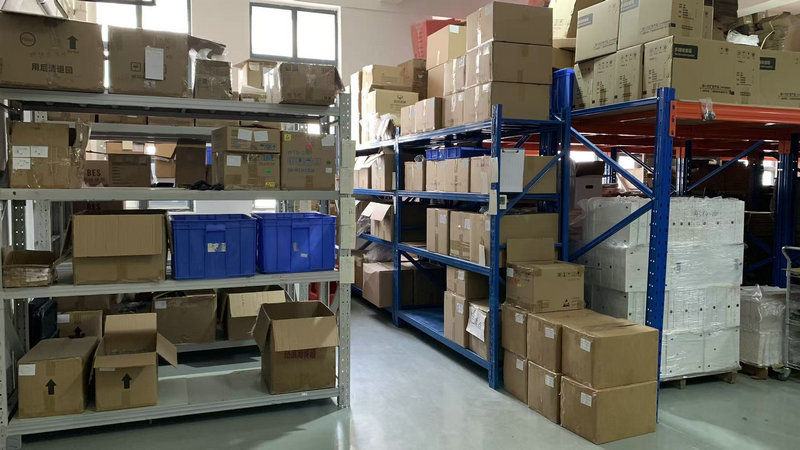
Every unit follows a documented route on our production floor. The process below reflects the in-house workflow used to reduce image defects, firmware errors, and packing claims.
Raw Material
Incoming parts are checked against the BOM before release to production.
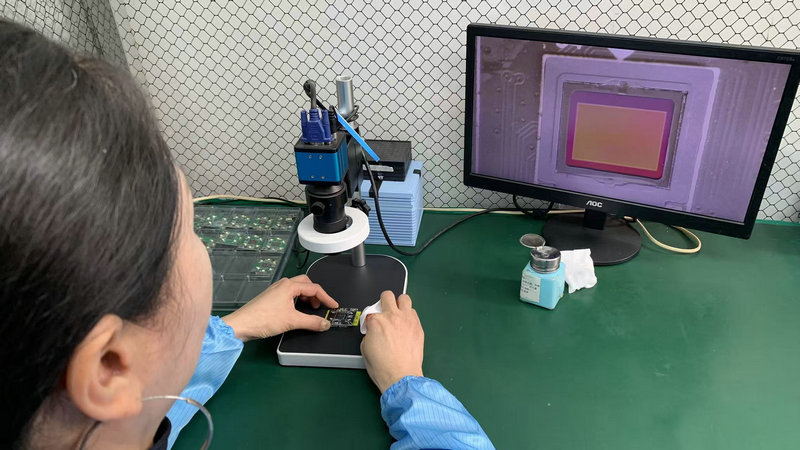
Cleaning
Lens and sensor areas are cleaned to prevent image specks and particles.
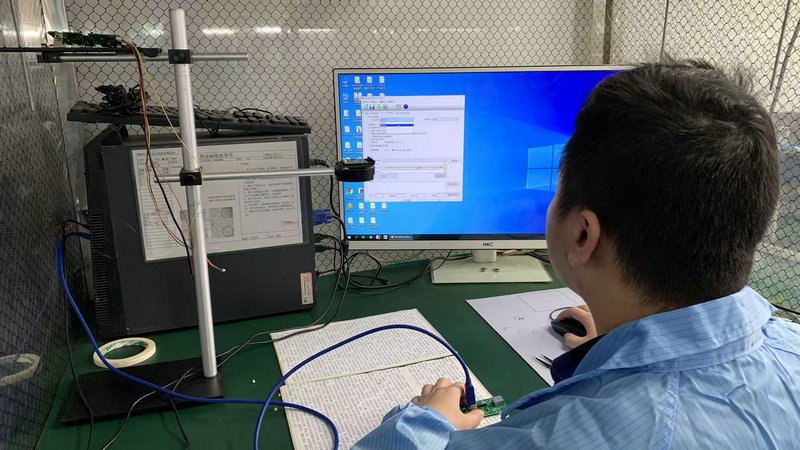
Firmware Burning
Standard or customer-specific firmware is flashed and verified on dedicated stations.
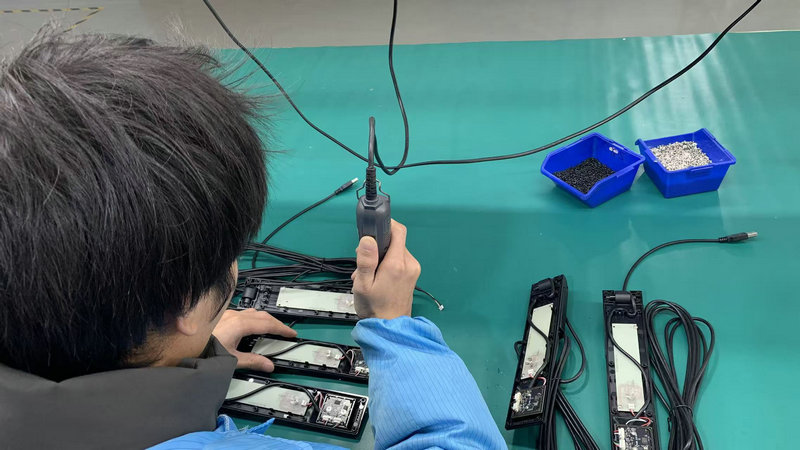
Assembly
Mechanical and electronic assembly is completed on dedicated production lines.
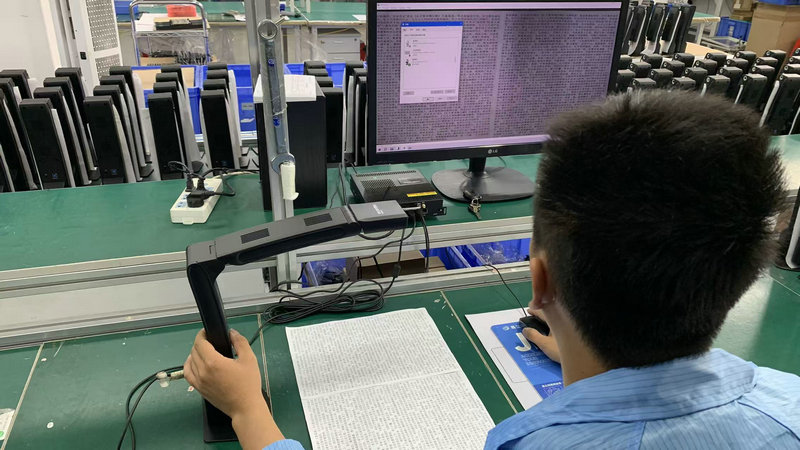
QC Check
Image, audio, and function tests are performed on finished units before packing.
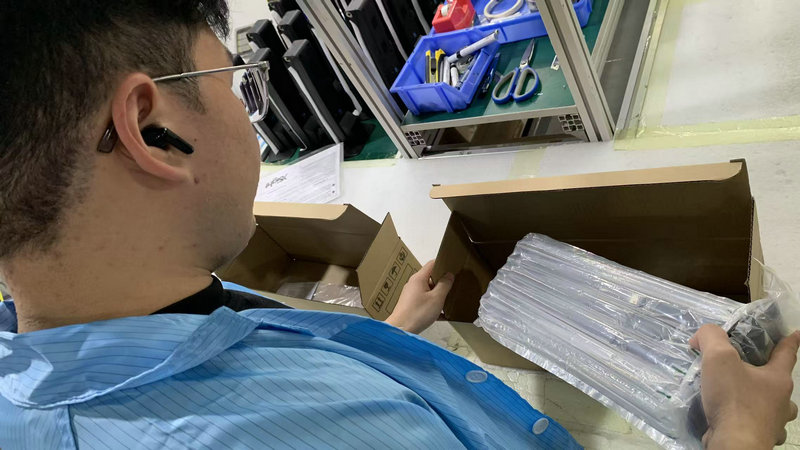
Packing
Export packing with optional buyer-label cartons and documentation preparation.
Frequently Asked Questions for Overseas Buyers
These are the questions procurement teams, school groups, distributors, and integrators ask most often before a first order or a tender submission.
Is Kawelo a manufacturer or a trading company?
What makes a digital book scanner factory “best” for a tender project?
Can you support OEM and ODM branding, packaging, and firmware?
What is the minimum order quantity?
Which certifications and assessment documents can support my tender?
Do your document cameras support OCR and SDK integration?
What payment, delivery, and export terms do you accept?
What warranty is available?
How should we validate a digital book scanner sample before ordering?
Can you bundle document scanners with classroom audio, touch frames, and conference cameras?
Send Your Specification—We Will Return a Shortlist, Datasheet Pack, and Sample Plan
Share your quantities, target market, capture size, OCR or SDK requirements, certification needs, and tender deadline. Our team will recommend matching models from the digital book scanner, visual presenter, classroom audio, touch frame, and conference camera range.