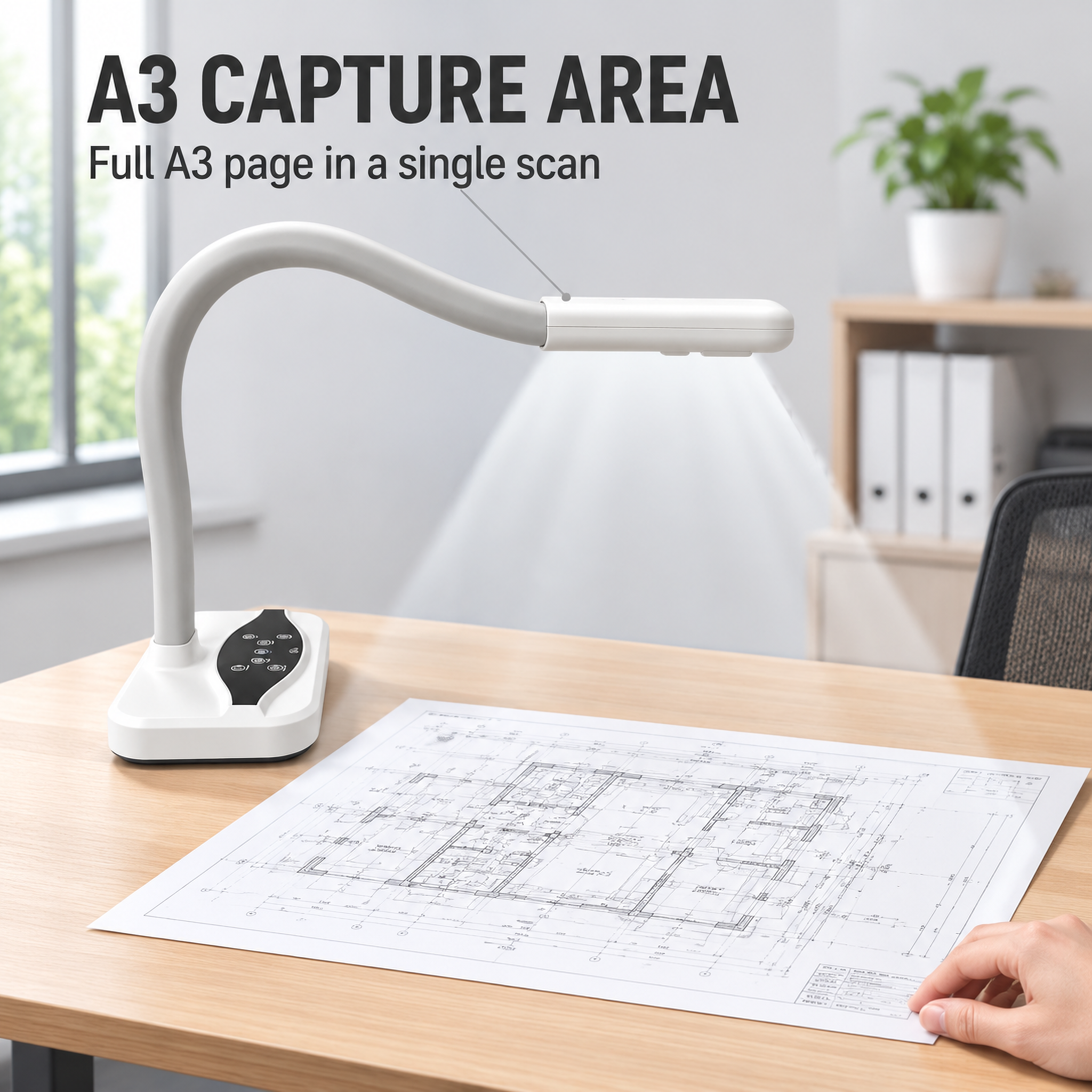
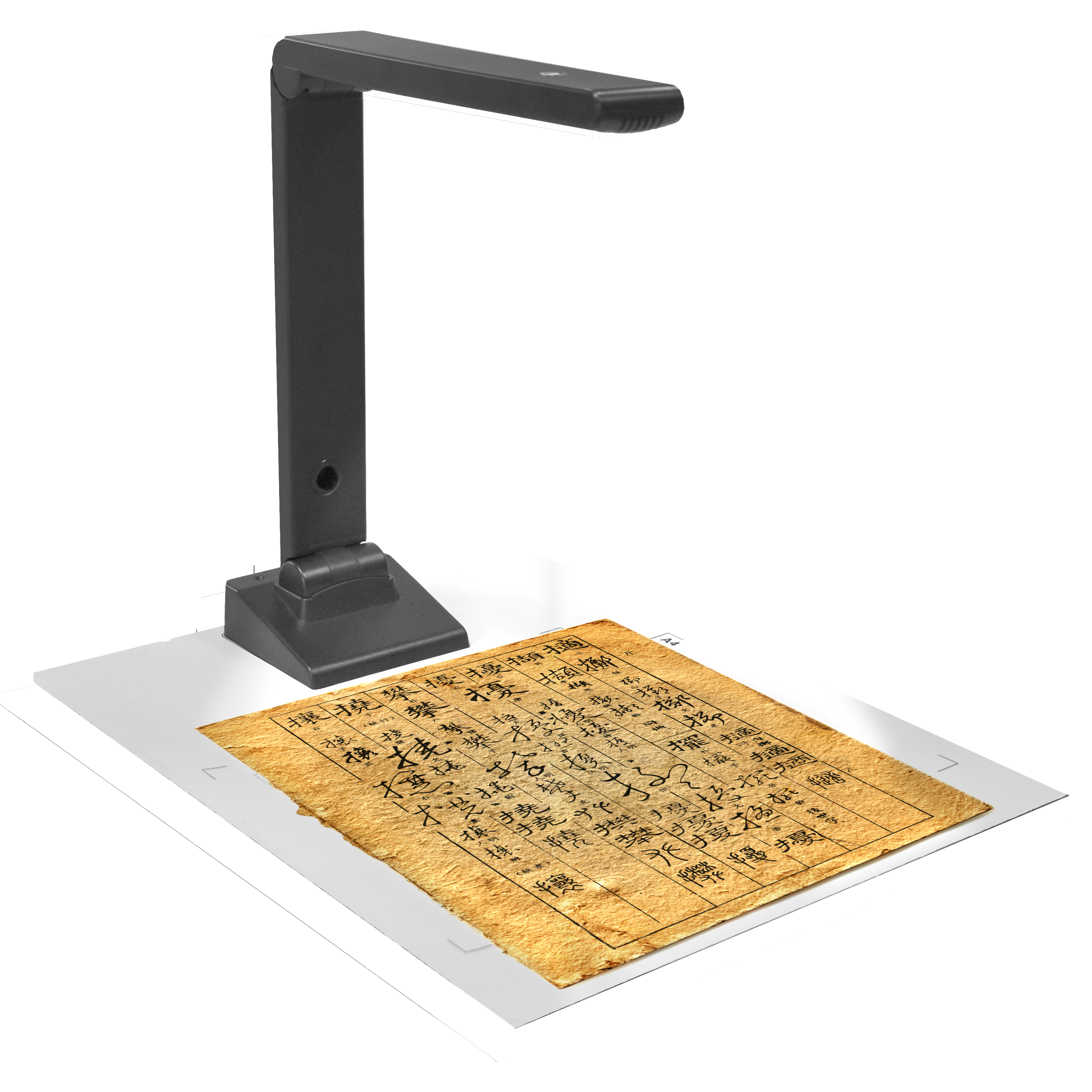
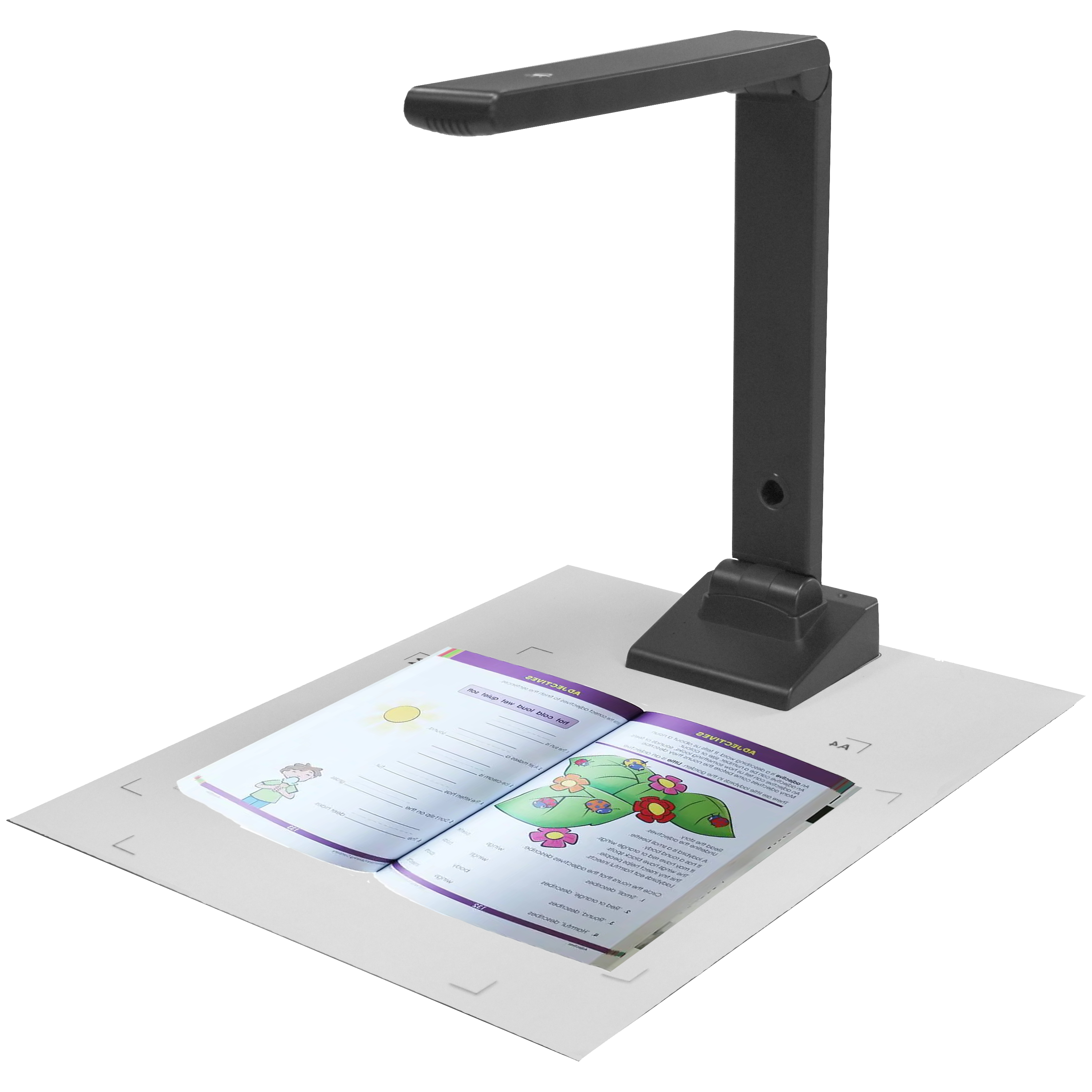
A digital document camera — also called a visual presenter, document scanner camera or classroom visualizer — is not the same as a flatbed scanner. A scanner digitizes a page once. A visual presenter captures live objects, handwriting, textbook pages, science demonstrations and assembly details, then sends the image to a projector, interactive whiteboard, laptop or video meeting in real time. That live-use requirement changes the engineering priorities: auto focus speed, low-light noise, tilt tolerance, USB driver stability, HDMI/USB-C compatibility, LED light quality and the physical durability of the arm or foldable hinge all matter.
China remains the center of gravity for this category because the country combines CMOS imaging, optics, injection molding, touch sensing, audio amplification, firmware engineering and export logistics within a mature supplier ecosystem. However, the phrase “best manufacturers & suppliers” should not be treated as a synonym for lowest quotation. Some suppliers are trading companies; some assemble from purchased boards; some can flash firmware but cannot modify imaging algorithms. The strongest manufacturers can explain how a model behaves in a real classroom with a projector, an interactive board, a wireless microphone system and a teacher who expects plug-and-play operation.
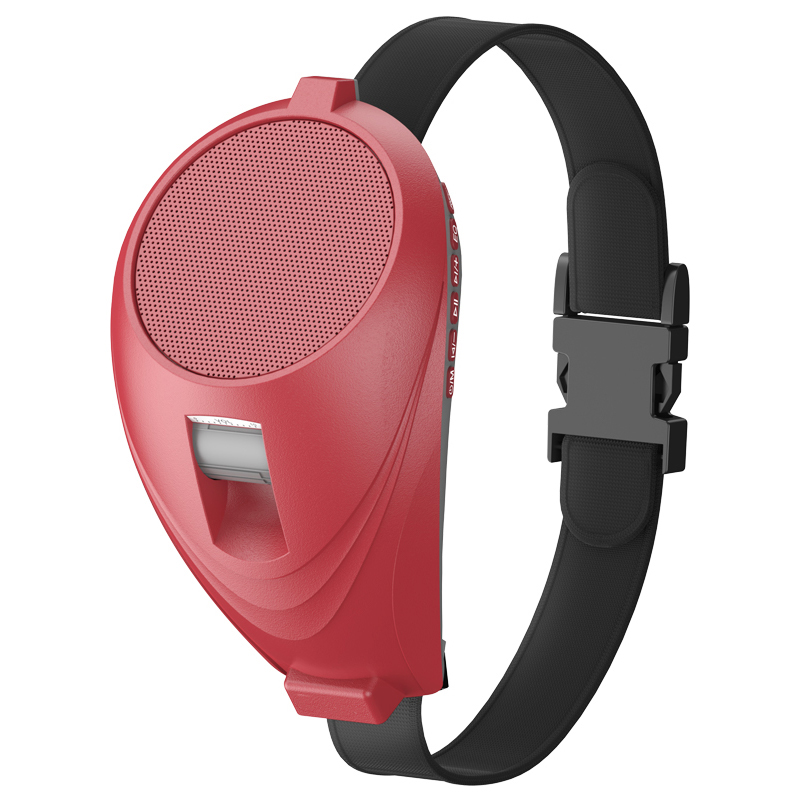
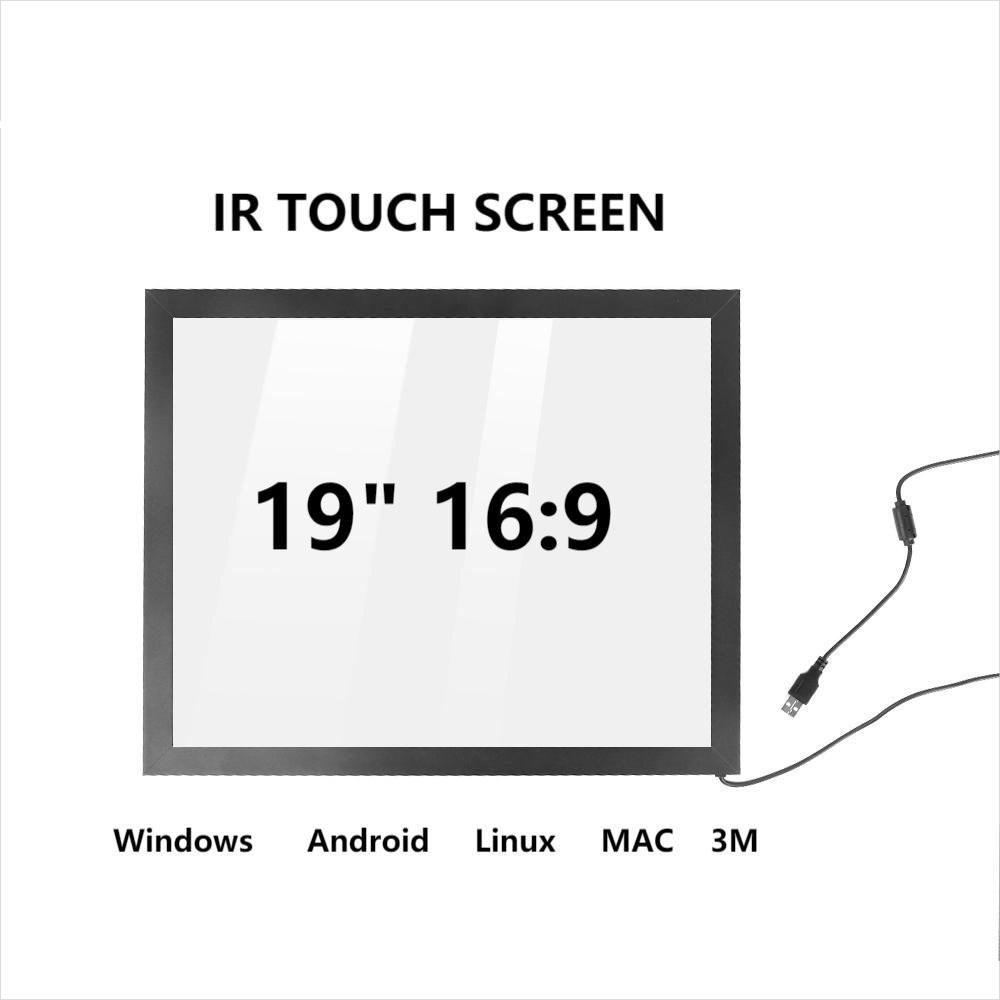
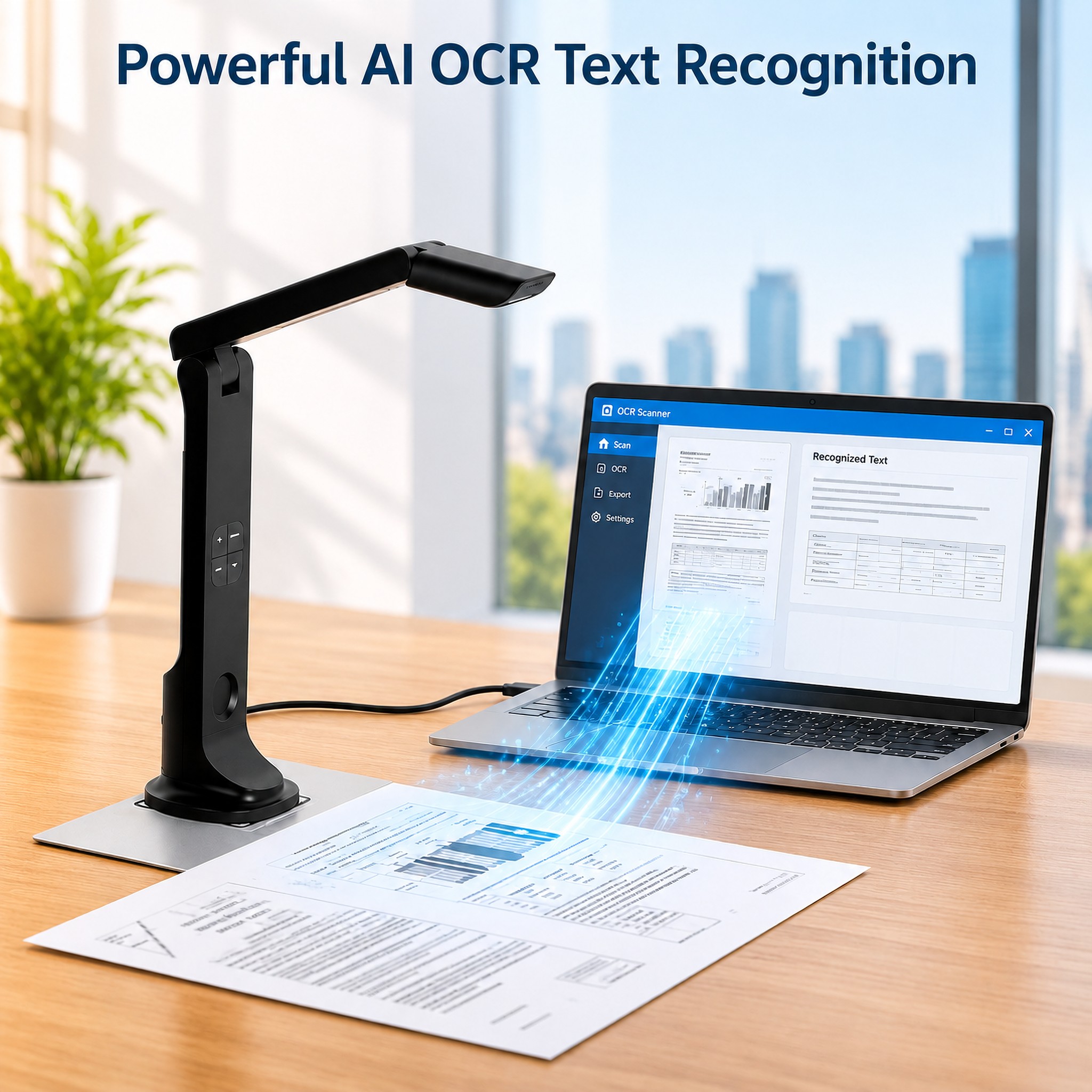
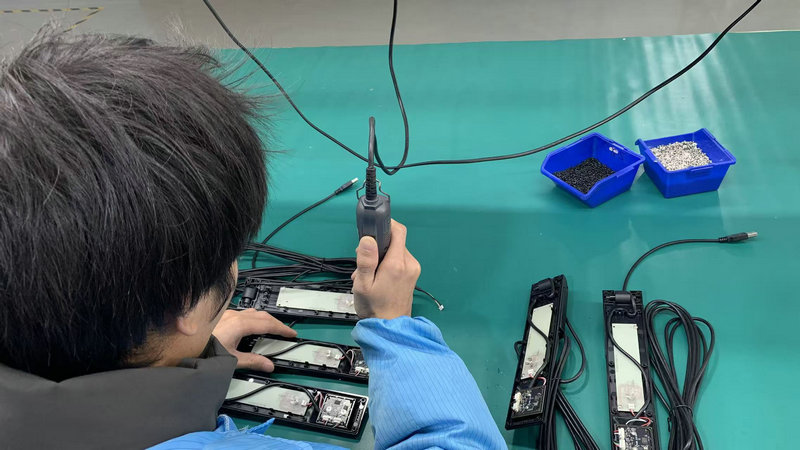
For this reason, a practical supplier audit should ask five questions. Can the factory show an SGS onsite assessment or equivalent verification? Is firmware flashed and checked in-house? Does the product support UVC or standard driver-free operation? Can the supplier provide SDK or OCR integration for software partners? And can the same supplier bundle document cameras, interactive whiteboards, touch frames, conference cameras and classroom audio without creating a multi-vendor compatibility risk? Kawelo addresses these points through an integrated manufacturer-and-trading model, in-house firmware work and a product ecosystem covering visual presenters, classroom audio, IR touch frames and interactive displays.
The information-gain insight for procurement teams is simple: the winning source in 2025–2027 will not be the supplier with the highest single specification. It will be the supplier that can provide classroom-ready compatibility, traceable quality, export-ready documentation and flexible OEM/ODM support across a complete AV bill of materials.
Four Buying Intents Behind This Search
Tender buyers need datasheets, CE references, warranty clarity and FOB terms. Integrators need drivers, SDK support, OCR functions and low-latency video. Distributors need MOQ flexibility, buyer-label packaging and repeatable quality. End users need clear images, simple operation and reliable classroom audio. A supplier that understands only one of these intents will eventually create friction for the other three.