8 OCR Book Scanner & Classroom Visual Products for Project Evaluation
Compare active-production models below. Every supplied product URL is preserved exactly, so procurement teams, distributors and system integrators can move from research to specification quickly. For buyers assessing a China OCR book scanner supplier, the range also covers the classroom audio, visual presenter and interactive display hardware needed for complete room bundles.
Why OCR Book Scanner Procurement Is Moving from “Nice to Have” to Core Infrastructure
The OCR book scanner category is being reshaped by hybrid learning, digital archives, paperless counters and the need to connect classroom hardware to software workflows.
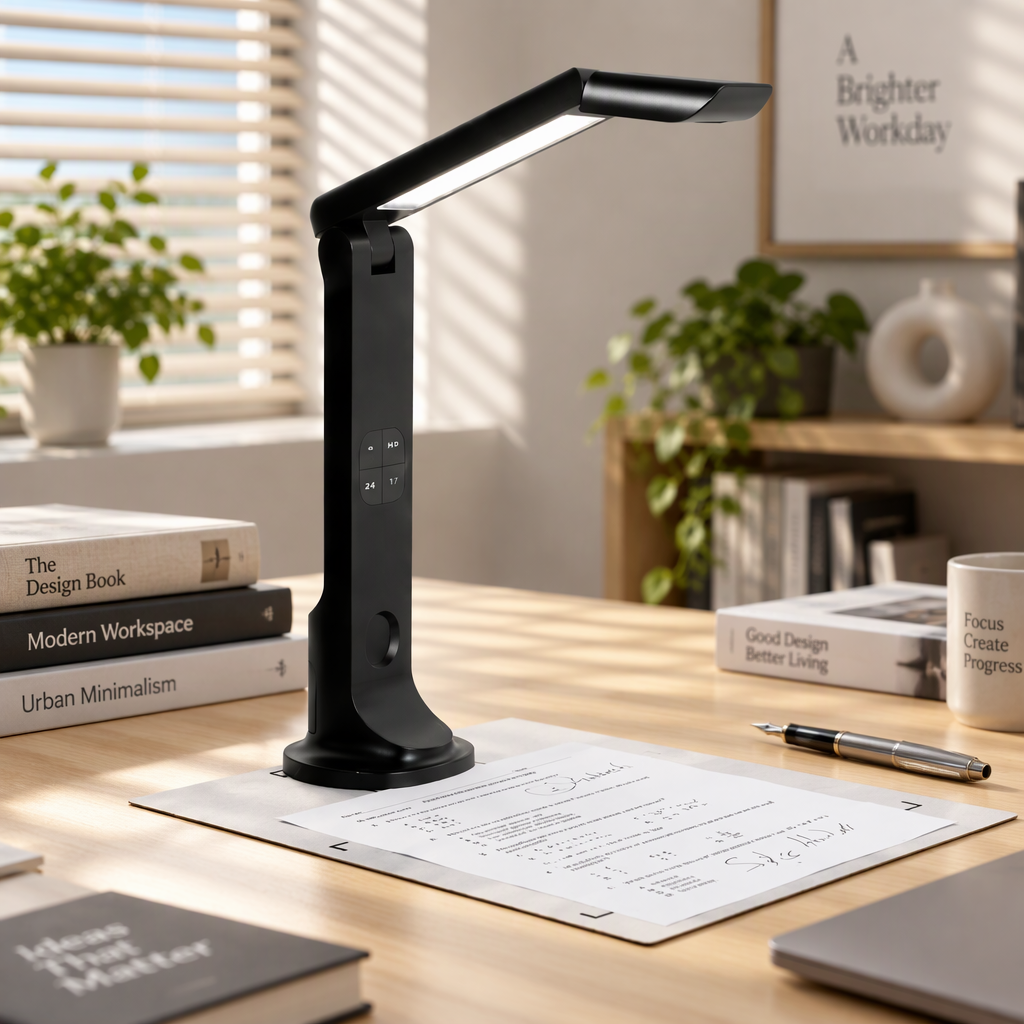
An OCR book scanner is no longer just a camera on a stand. It is a capture gateway that connects physical textbooks, bound reference books, student work, loan documents, service forms and archive material to digital systems. For education buyers, the value is live demonstration: a teacher can place a book under the camera and show every learner the same page, annotation or worked example. For libraries and government departments, the same hardware becomes a digitization station where OCR converts captured pages into searchable text. For distributors and integrators, it is a repeatable product category that can be bundled with interactive whiteboards, speakers, conference cameras and classroom audio.
The strongest suppliers in China compete on more than megapixels. They compete on image consistency, firmware stability, SDK documentation, OCR workflow support and export-ready service. A buyer comparing quotations should ask whether the camera can handle A3 and A4 material, how it behaves under classroom lighting, whether LED illumination creates flicker, how quickly it focuses when a book page is turned, and whether the supplier can provide a sample SDK for software integration. These details decide whether an OCR book scanner becomes a daily-use tool or a shelf-bound device.
Shenzhen Kawelo Electronic Technology Co., Ltd. is positioned for this shift. Founded in 2019 near the Guangming Science City high-tech park, the company combines a manufacturer mindset with online export responsiveness. The founder has 18 years of experience in visualizers, cameras and teaching equipment, and the team works from chip-level solution selection through imaging and sensing algorithms, firmware, audio tuning, assembly and quality control. That breadth matters when procurement teams need one supplier for document cameras, interactive whiteboards, conference cameras and multimedia audio systems.
Recommended OCR Book Scanner Configurations by Buying Scenario
Match the workflow first, then choose resolution, interface and software support. The following configurations reflect the questions our sales engineers ask during project evaluation.
K-12 Classroom Visualizer
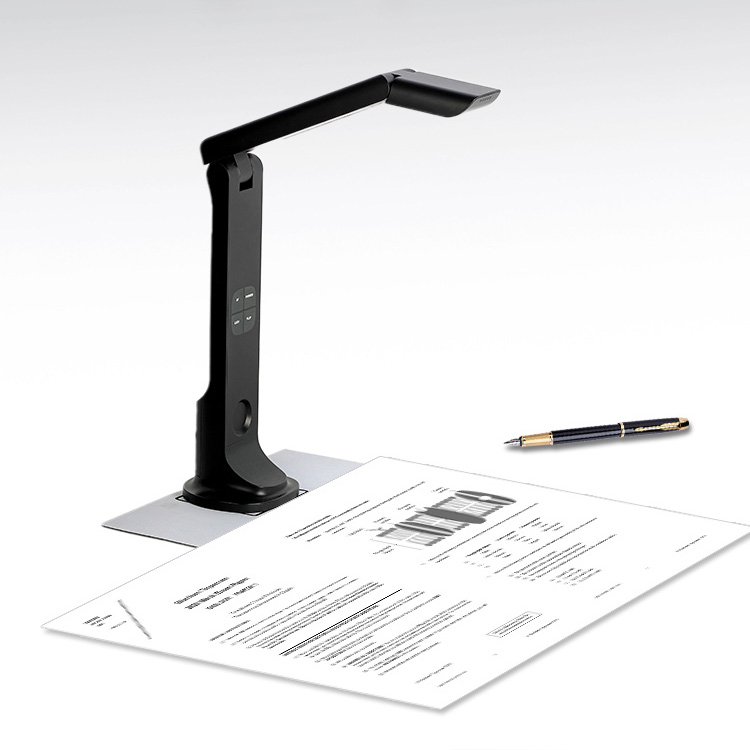
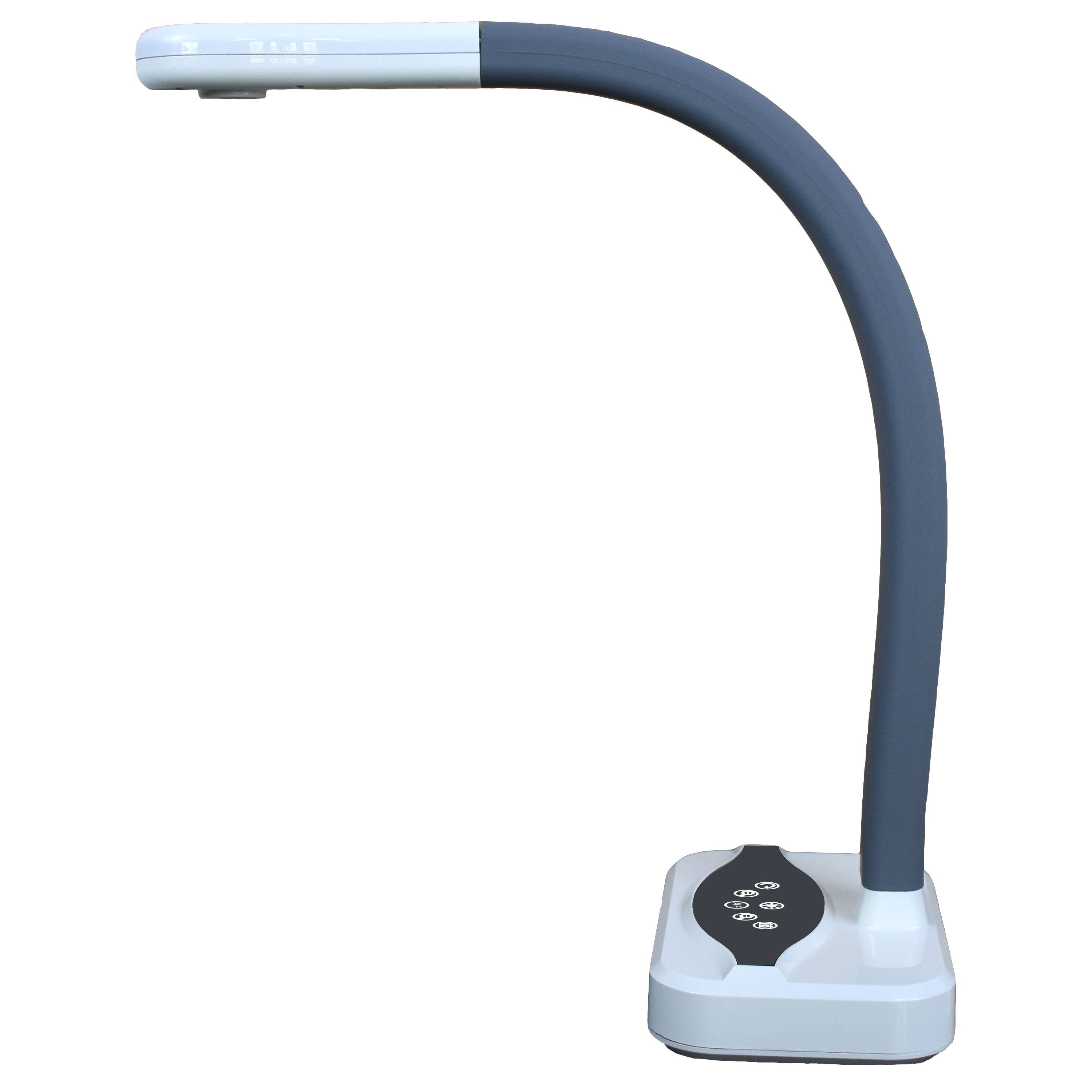
Choose a 13MP or 16MP USB document camera with A3/A4 capture, LED fill light and one-second scanning. It should connect directly to the teacher’s PC or laptop and support live demonstration of textbooks, worksheets and science objects.
Lecture Hall 4K Presenter
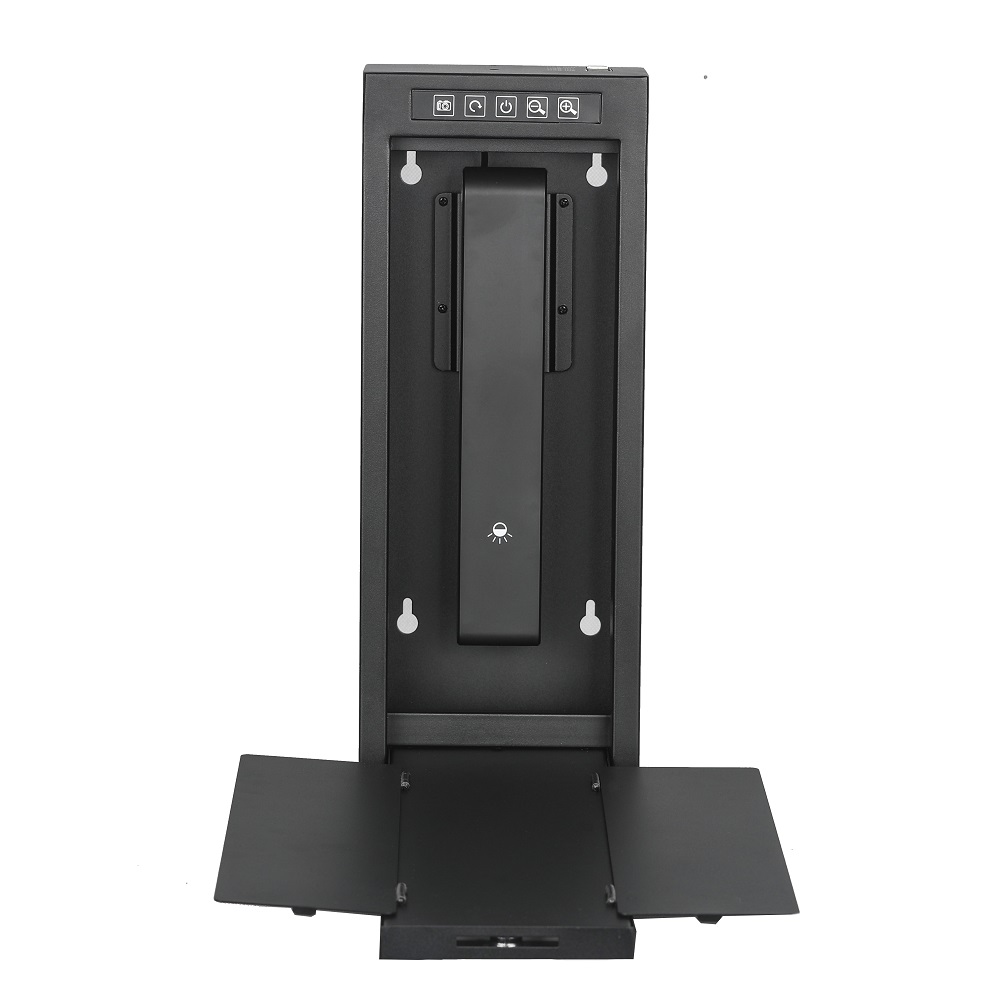
For large rooms, specify a 4K document camera with HDMI output, touch keys and A3 capture. PC-free presenting reduces setup time in auditoriums and lets lecturers show detailed diagrams, printed notes and book pages at high clarity.
Library & Archive OCR Station
Use a 16MP A3 scanner with OCR software support, LED illumination and a stable capture area. Bound books require careful page handling, consistent focus and a workflow that exports searchable PDFs or editable text without damaging the original.
Government & Bank Counter Scanner
For registration, loan and service counters, prioritize SDK integration, fast focus, USB plug-and-play and a clear warranty process. Offline capture workflows and stable firmware are often more important than maximum resolution.
OEM Distributor Program
Resellers can request logo printing, custom packaging, buyer-label production and firmware flashing. Selected document cameras and conference cameras start from one piece, while most webcams and document cameras start from four to five pieces.
Tender-Ready Room Bundle
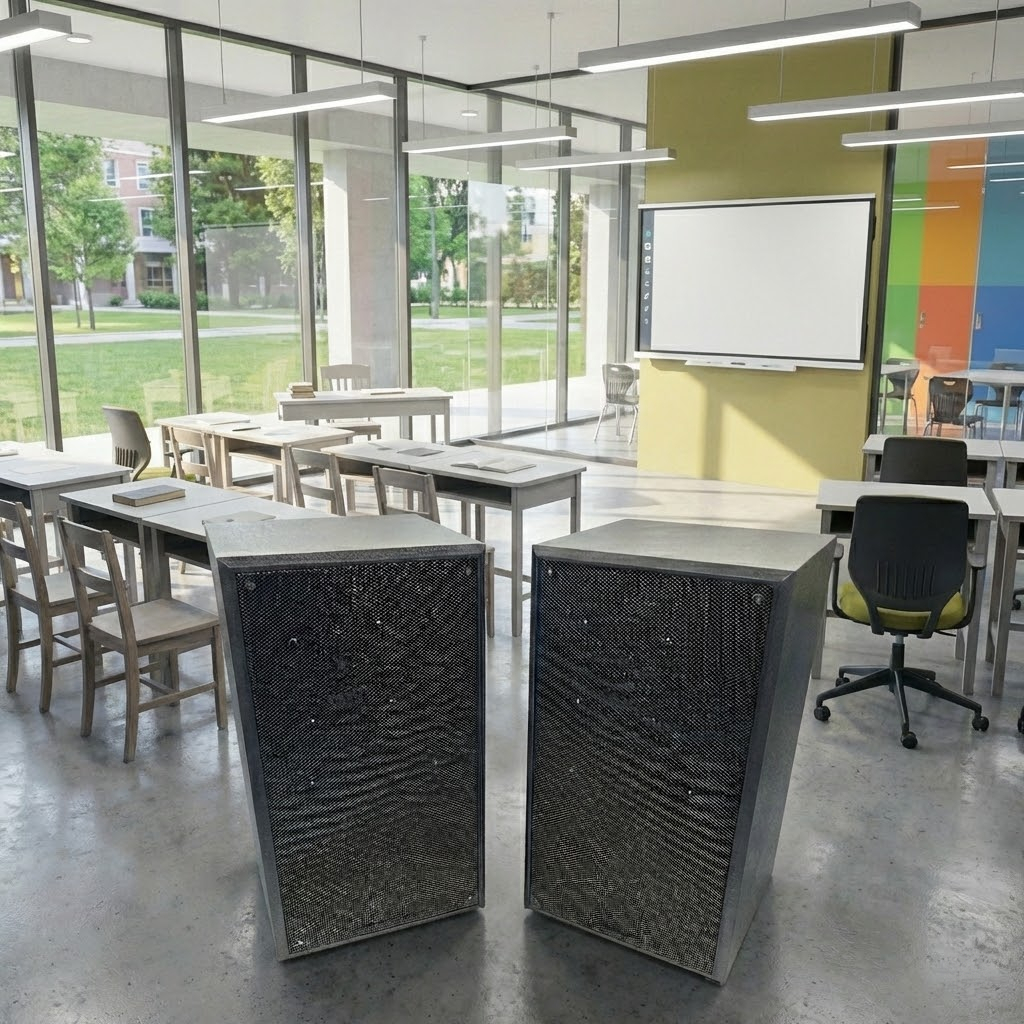
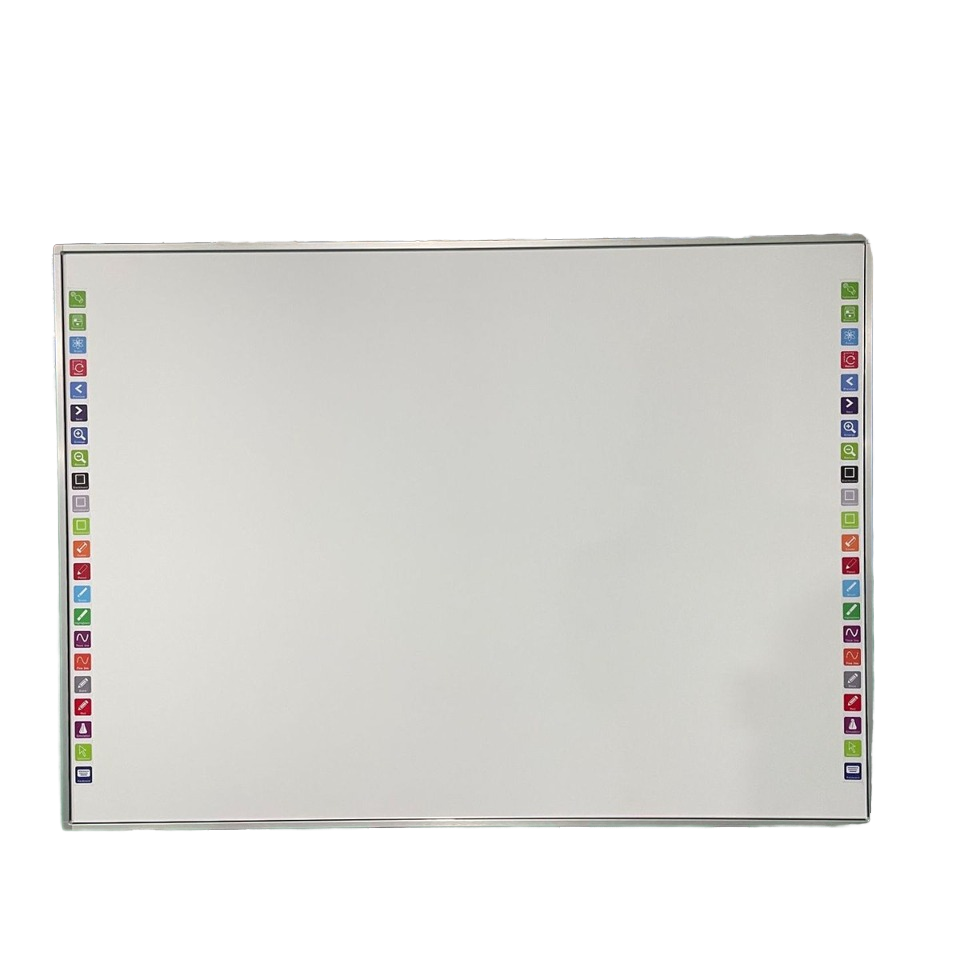
Pair an OCR book scanner with an 86-inch or 102-inch interactive whiteboard, a 50W classroom speaker and an HD conference camera. Sourcing from one SGS-assessed manufacturer simplifies the bill of materials and after-sales coordination.
How Overseas Buyers Will Purchase OCR Book Scanners in the Next Buying Cycle
Price will still matter, but the buying committee now evaluates compatibility, serviceability, total cost and evidence of quality before approving a supplier.
SDK-First Evaluation
Software integrators now test the SDK before approving hardware. They ask for sample code, capture resolution controls, image export formats, OCR handoff and driver stability. A scanner that cannot integrate with the buyer’s workflow is unlikely to win repeat orders.
Total Cost of Ownership
Procurement teams compare unit price alongside warranty, spare parts, firmware updates, packaging quality and failure rates. A slightly higher quote with documented QC and responsive support can be cheaper over a three-year classroom or archive deployment.
Hybrid Room Convergence
Classroom and meeting-room hardware are converging. Buyers want document cameras, PTZ-style conference cameras, USB webcams and audio to work together in the same room. A supplier with a coherent product range reduces compatibility risk and installation complexity.
AI OCR & Data Governance
Education, finance and government buyers increasingly ask where captured data is stored and whether OCR runs locally or in the cloud. Suppliers should explain supported languages, output formats, privacy options and whether the camera can operate in an offline or controlled network environment.
Where OCR Book Scanner Hardware Is Heading Next
The next generation of visual presenters will win on real optical performance, simple installation and software-friendly design rather than specification inflation alone.
True Optical Clarity
Buyers are moving away from digital interpolation claims. The focus is on real sensor performance, sharp A3 text, consistent edge-to-edge focus, anti-glare illumination and colour accuracy when scanning book pages, diagrams and handwritten notes.
PC-Free & Multi-Interface
HDMI, Type-C, USB and SD card support let presenters run without a computer in lecture halls. At the same time, USB plug-and-play remains essential for classrooms, counters and software integration. Flexible interface choice is becoming a purchasing requirement.
OCR & Language Flexibility
OCR support is becoming more workflow-specific: searchable PDFs for archives, editable text for administration, language packs for export markets and batching for libraries. Buyers should ask which models support OCR software, which support SDK capture, and which are best for live display only.
Modular Classroom Integration
Document cameras are increasingly specified with interactive whiteboards, speakers, conference cameras and webcams. Modular bundles reduce installation friction, while standard USB and HDMI interfaces protect compatibility with existing classroom PCs, displays and AV systems.
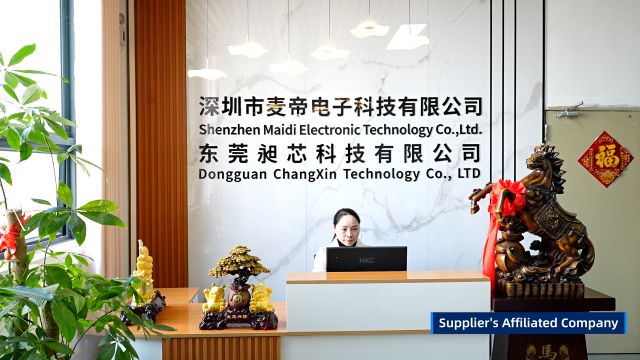

Inside Kawelo: A Manufacturer Built for OEM/ODM OCR Projects
Shenzhen Kawelo Electronic Technology Co., Ltd. is a manufacturer with an integrated trading function, not a marketplace intermediary. The production site in Dongguan, Guangdong, covers approximately 3,000 m² or less and has been assessed onsite by SGS. R&D, firmware, assembly, quality control and packing are handled in-house, so technical questions do not disappear between a sales office and an unknown factory.
The company offers OEM service, design service and buyer-label production, including logo printing, custom packaging and graphic customization. Firmware is flashed and verified on dedicated burning stations, which matters when distributors need stable software across repeat orders. The document camera range carries CE certification, the company is quality-management certified, and the product line covers document cameras, OCR book scanners, interactive whiteboards, conference cameras, USB webcams and multimedia audio systems.
- Business typeManufacturer & trading company with in-house R&D, production and sales.
- Team & output11–50 staff; annual output range of US$2.5M–US$5M.
- CertificationsCE-certified document cameras; SGS onsite assessment; quality-management certified.
- Export termsFOB quotations; T/T payment in USD or HKD; markets in Southeast Asia, Africa, North America and Oceania.
Information gain for buyers: ask for SDK documentation, OCR language support, illumination control, A3 capture samples, firmware update procedures, export packing specifications and the standard 1-year warranty terms before comparing final quotations.
From Raw Material to Packed Shipment: A Transparent Production Route
A supplier’s quality story should be inspectable. The route below reflects the production and QC stages that support consistent document camera and OCR scanner output.
Raw Material Check
Incoming parts are checked against the BOM before release, reducing mismatched components and late-stage assembly defects.
Lens & Sensor Cleaning
Lens and sensor areas are cleaned to prevent image specks, which is critical for OCR clarity and classroom projection.
Firmware Burning
Standard or customer-specific firmware is flashed and verified on dedicated burning stations before assembly.
Mechanical & Electronic Assembly
Assembly runs on dedicated lines, with process steps aligned to the product structure and buyer configuration.
Image, Audio & Function QC
Finished units are tested for image quality, focus, audio, interface function and other model-specific requirements.
Export Packing
Packing follows export requirements, with optional buyer-label cartons and custom packaging for OEM programs.
Which OCR Book Scanner Configuration Fits Your Real Workflow?
Use the comparison below to prepare an RFQ. It translates typical procurement scenarios into specification priorities and verification checkpoints.
| Procurement scenario | Recommended configuration | Why it wins | RFQ checkpoint |
|---|---|---|---|
| Daily classroom object and book display | 13MP–16MP USB document camera, A3/A4 capture, LED fill light, auto focus | Simple teacher setup, clear text, portable format and direct PC connection | Ask for classroom lighting sample images and focus speed demonstration |
| Library or archive digitization | 16MP A3 OCR scanner, OCR software workflow, stable capture area, SDK option | Searchable PDF output, book-friendly capture and batch processing potential | Confirm OCR languages, output formats, SDK support and page handling guidance |
| PC-free lecture hall presentation | 4K document camera with HDMI, Type-C, SD card and touch keys | High clarity for large rooms without depending on a computer | Verify HDMI output resolution, A3 capture coverage and interface compatibility |
| Bank, government or service counter | SDK document camera with fast capture, USB plug-and-play and CE certification | Integrates with forms, records and counter software; reduces training time | Request sample code, driver compatibility notes and one-second scan demonstration |
| Distributor or tender bundle | OCR visual presenter plus interactive whiteboard, classroom speaker and conference camera | One supplier, coordinated packaging and a simpler bill of materials | Confirm MOQ per model, OEM artwork workflow, FOB terms and warranty administration |
Common Questions from OCR Book Scanner Buyers
These are the questions schools, libraries, distributors and system integrators ask most often before requesting a quotation.
Is Kawelo a manufacturer or a trading company?
Kawelo is a manufacturer with an integrated trading function. The production site in Dongguan, Guangdong, has been assessed onsite by SGS, and R&D, firmware, assembly, QC and packing are handled in-house. This matters for buyers who need technical answers, customization and consistent production rather than a pure reseller relationship.
Do your document cameras support OCR and SDK integration?
Selected models are suitable for OCR workflows and SDK integration. The MD-16MT A3 scanner provides OCR text recognition, while SDK-ready document cameras support software integrators who need programmatic capture. Buyers should specify the intended software, output format and language requirements so the sales team can recommend the correct model.
Can your scanners capture bound books, A3 pages and classroom objects?
Yes. The range includes A3/A4 document cameras and visual presenters designed for books, paper, worksheets, diagrams and physical objects. For bound books, the key considerations are illumination control, focus speed, page handling and whether the buyer needs live display, OCR capture or both. Sample images under real lighting conditions are recommended before tender approval.
What resolution and interface should we shortlist?
For everyday classroom display, 13MP to 16MP USB models are usually sufficient. For large lecture halls or PC-free presentation, a 4K model with HDMI, Type-C or SD card support is more appropriate. For software integration, prioritize SDK availability, USB stability and driver compatibility rather than resolution alone.
What OEM and ODM customization do you offer?
OEM service, design service and buyer-label production are available, including logo printing, custom packaging and graphic customization. Firmware is flashed and verified in-house on dedicated burning stations. Distributors can discuss model selection, packaging artwork, label requirements and sample approval before volume production.
Which certifications and quality evidence can we review?
The document camera range carries CE certification, the company is quality-management certified, and the factory has passed an onsite supplier assessment by SGS Group. Buyers preparing tender documents can request certification copies, product datasheets, sample images and warranty terms. Final certification scope should always be confirmed against the exact model and destination market.
What are the MOQ, payment and delivery terms?
MOQ depends on the model: selected document cameras and conference cameras start from one piece, most webcams and document cameras from four to five pieces, and interactive whiteboards typically from 30 pieces. Quotations are normally provided on FOB terms, with T/T payment in USD or HKD. Lead time and delivery schedule are confirmed per order.
What warranty and export support do you provide?
Document cameras come with a standard one-year warranty; warranty terms for other product categories should be confirmed with the sales team. Main export markets include Southeast Asia, Africa, North America and Oceania. Export packing can be customized for buyer-label programs, and the team can provide the product information needed for tenders, catalogues and distributor onboarding.
Request an OCR Book Scanner Shortlist, Datasheet and Sample Plan
Send your target application, quantities, OCR software requirements, destination market and preferred interfaces. Kawelo will recommend matching document cameras or visual presenters, confirm OEM/ODM options and outline sample arrangements for evaluation.