8 Factory-Direct Products for Teaching, Scanning and Classroom Audio
The eight products below are current, production-ready items rather than catalogue mock-ups. They span teaching document cameras, OCR visual presenters, IR touch frames and classroom sound systems, allowing education buyers and AV distributors to source a more complete classroom visual package from one verified supplier. Product URLs are preserved for direct review.
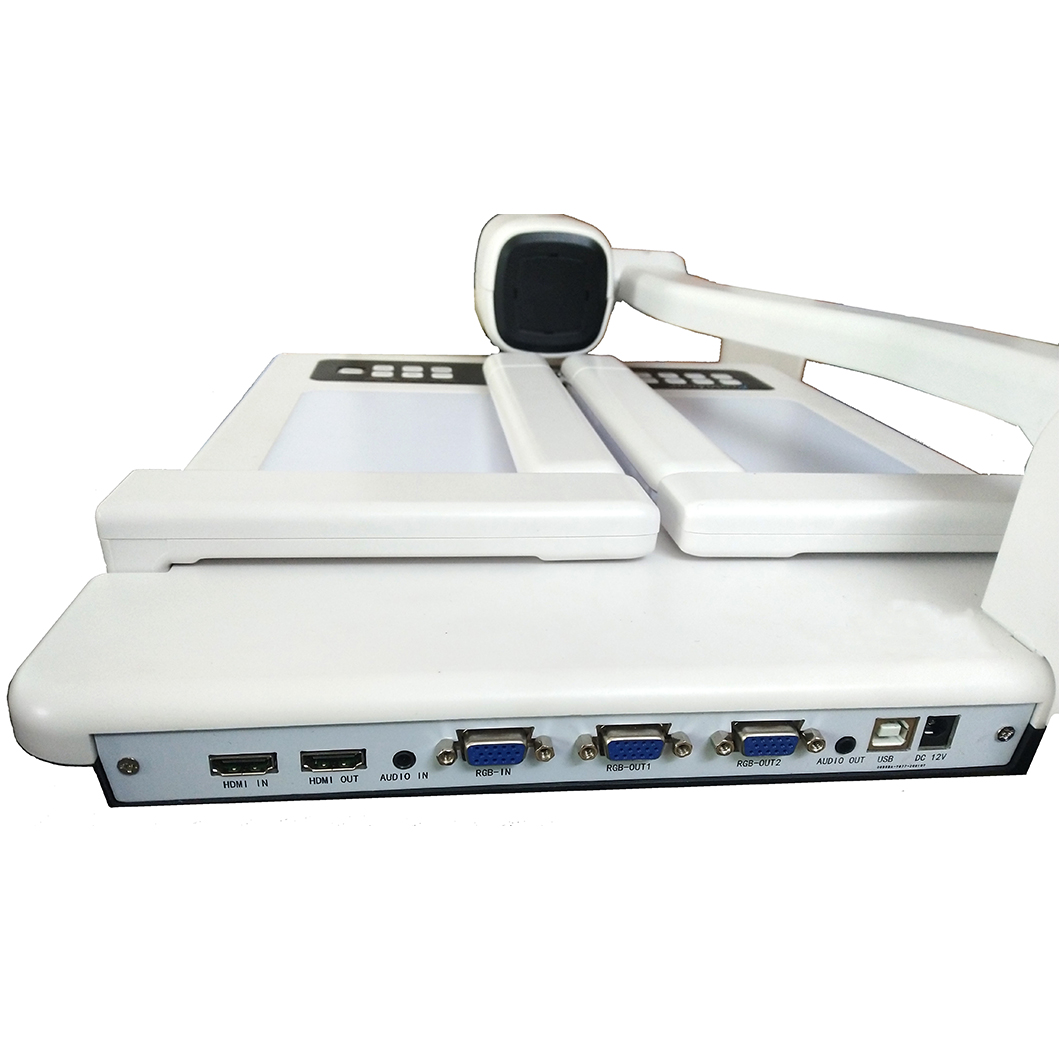
Document Optica 22X Optic Camera Zoom Educational Visual Presenter Adjustable LED Light Plastic School Smart Classroom Use A3/A4
A strong fit for schools that need clear magnification of textbooks, handwriting, experiments or 3D objects without losing edge detail. The adjustable LED light helps maintain visibility in dim classrooms.
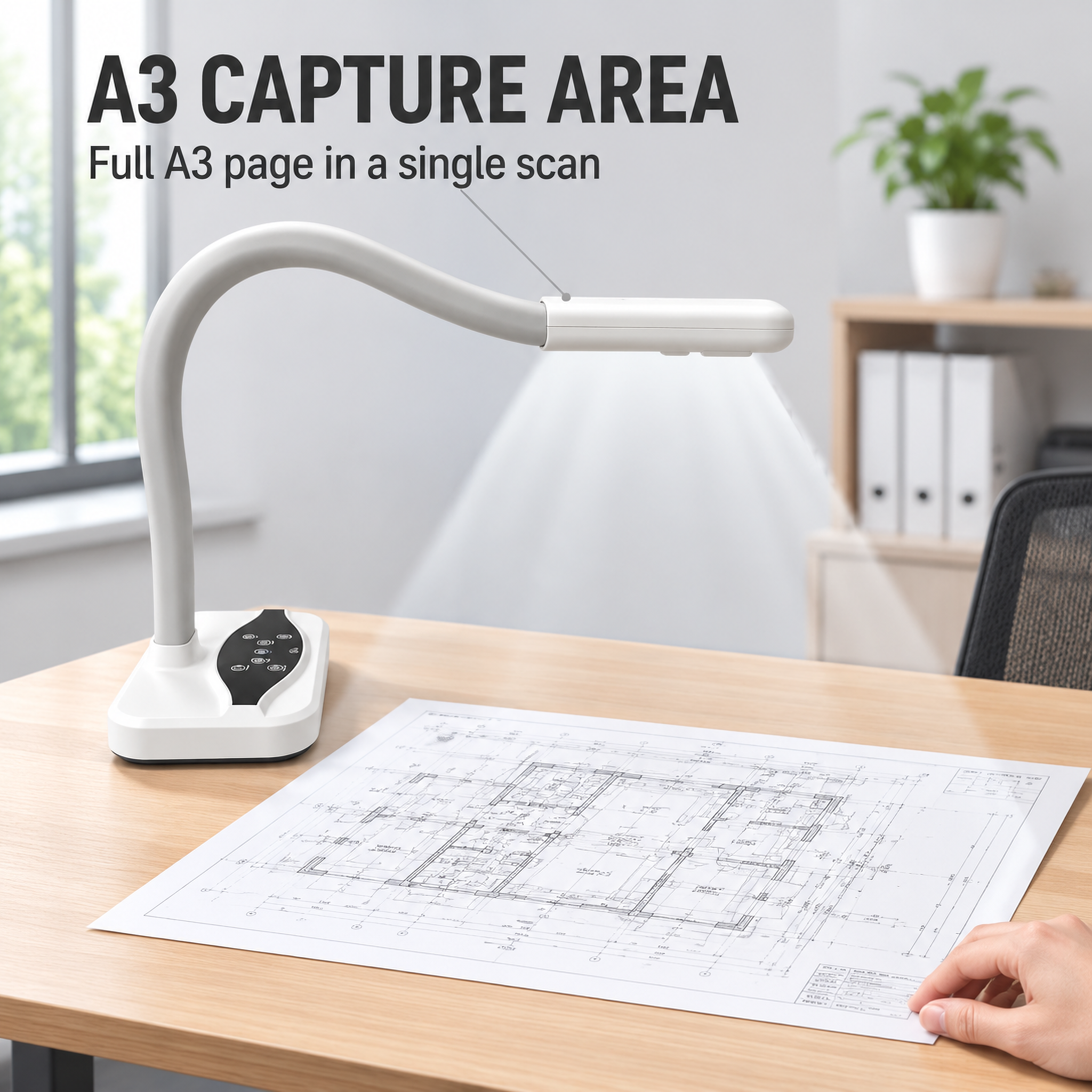
4K HD Document Scanner Visual Presenter USB A3 Capture Area for Meetings and Teaching
Built for detailed demonstration in classrooms and meeting rooms. The 4K sensor and A3 capture area improve legibility for text-heavy documents, engineering drawings and product samples.

SHENMAIDI MD-S50A School Classroom Use 50W 100W Wireless Microphone Integration Stereo Subwoofer Inwall Wall Speaker 5.25"
A wall-mounted audio solution for classrooms that need intelligible voice reinforcement. It supports wireless microphone integration and clean installation in fixed teaching rooms.
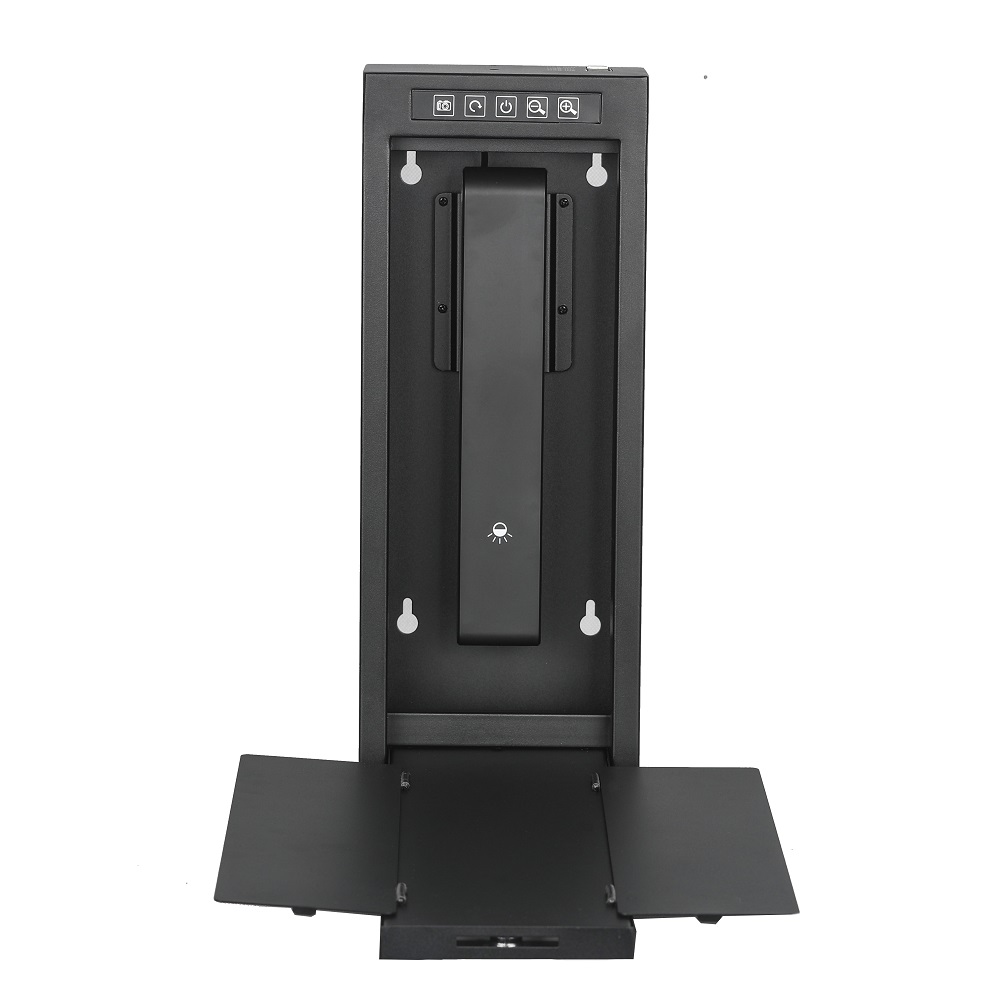
MD-B800H HD Video Presenter 8 Megapixel OCR Auto Focus Touch Keys A3 Smart Classroom Black Plastic USB 1-Year
A practical mid-range model for daily teaching. Auto focus, OCR support and touch keys simplify document sharing, while the A3 capture field suits worksheets, maps and reference books.
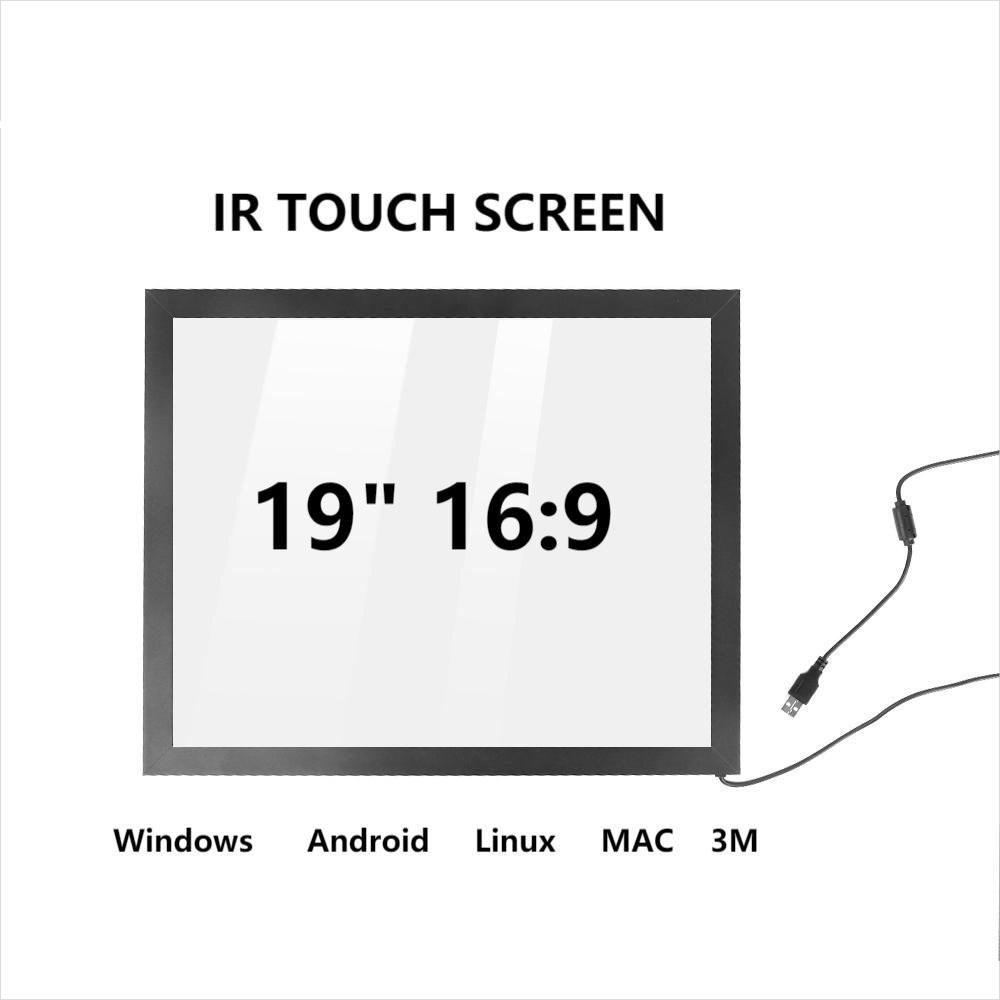
19 Inch 16:10 USB Interface Infrared Touch Frame with Glass Multi-Touch IR Touch Frame New Product
An integration-friendly touch frame for converting compatible displays into interactive stations. Multi-touch IR technology supports annotation, whiteboarding and hands-on classroom activity.
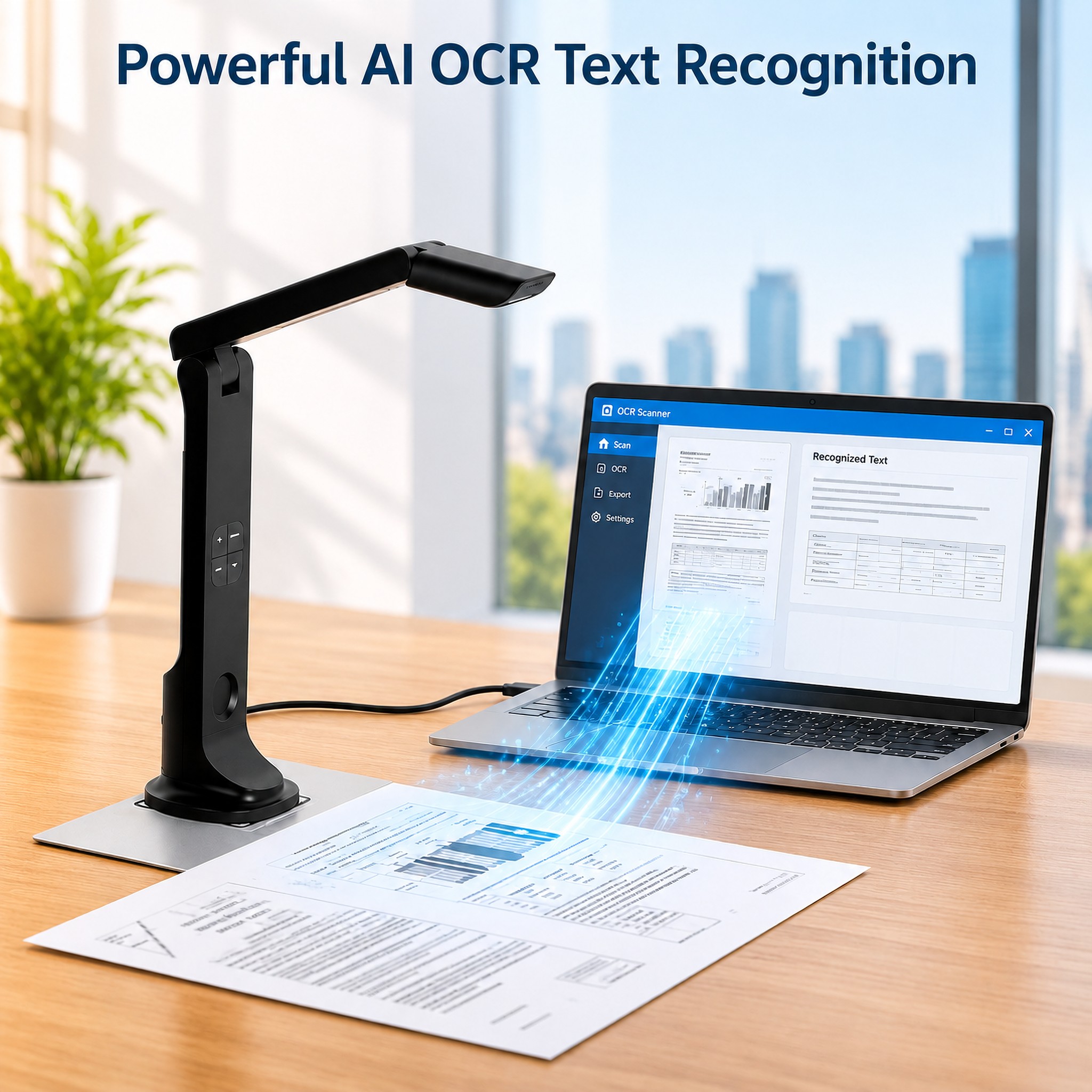
MD-16MT A3 Document Scanner 16MP CMOS USB Foldable Visual Presenter LED Light OCR Text Recognition Teching
Designed for digitization workflows where paper documents need to become searchable or screen-ready content. The foldable format suits teaching desks, offices and document service counters.
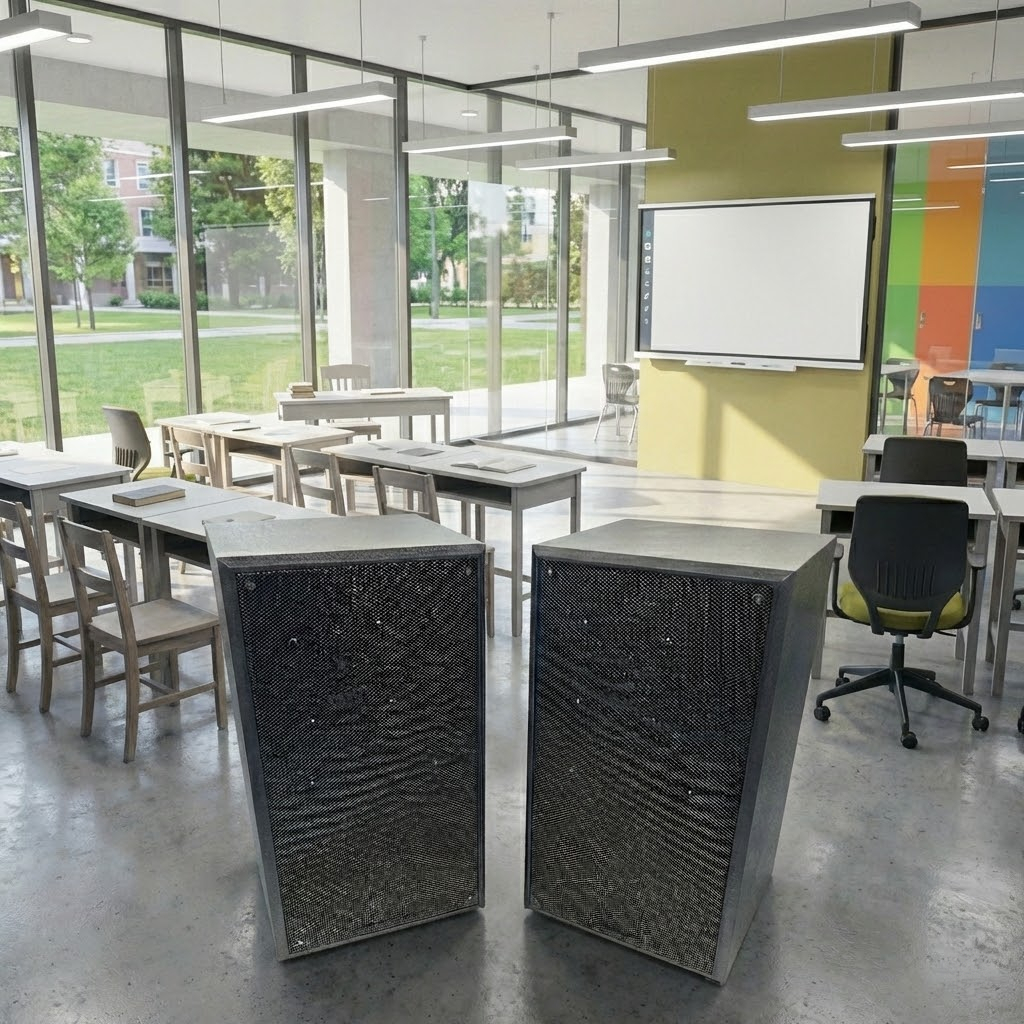
SHENMAIDI MD-S50A 50W School Classroom Infrared Integrated Stereo Speaker Sound Amplifier Educational Science Equipment CE
A CE-focused classroom audio model that combines amplification with integrated stereo sound. It is suitable for schools seeking a compact, fixed installation with dependable voice clarity.
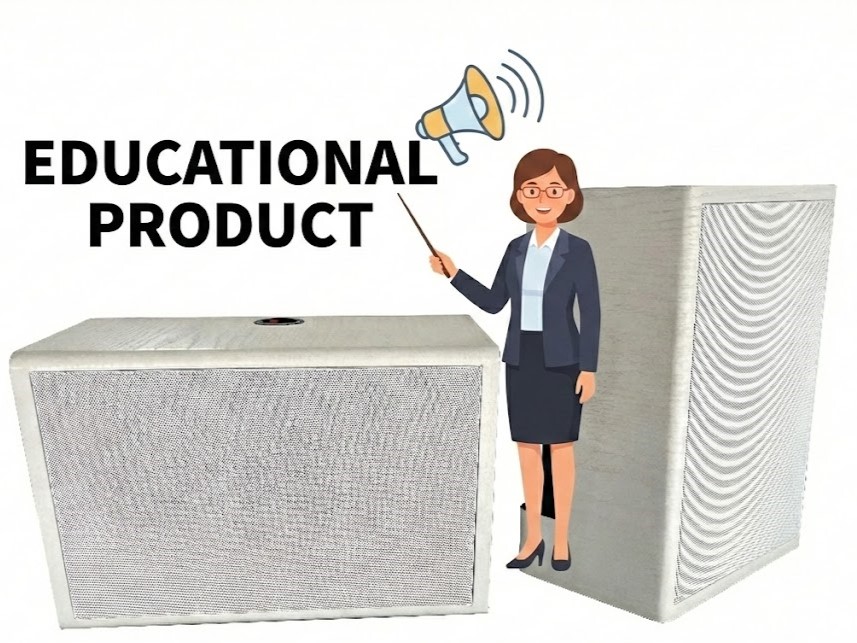
SHENMAIDI MD-S50A 50W Education Infrared Integrated Stereo Sound Amplifier, CE Certified, 1-Year Warranty
A sound reinforcement option for education buyers who need consistent classroom audio and a clear warranty position. It pairs well with document camera projects in active-learning rooms.
What Makes a Teaching Document Camera Manufacturer Worth a Tender Invitation?
Education buyers rarely purchase a document camera as an isolated object. They are buying a reliable visual input layer: a teacher places a book, worksheet, calculator, science experiment or repair part under the lens, and every student in the room and online sees the same detail. That shift changes how a manufacturer should be evaluated.
In procurement language, the document camera has moved from an optional peripheral to core classroom infrastructure. It supports live teaching, hybrid delivery, lesson capture, OCR digitization, training, and even remote technical support. The practical consequence is that a low price per unit is not enough. Buyers must compare image clarity, OCR accuracy, auto focus behaviour, lighting control, interface compatibility, warranty exposure, spare-parts planning, firmware support and the supplier’s ability to document quality controls. A genuine teaching document camera manufacturer should be able to answer those questions before a sample is requested.
This guide is written for that due-diligence stage. It combines product selection, future procurement trends, product-development direction, and supplier evidence from Shenzhen Kawelo Electronic Technology Co., Ltd., a Dongguan-based manufacturer with an SGS onsite assessment, in-house firmware and assembly, CE-certified document camera range, and export experience across Southeast Asia, Africa, North America and Oceania.
Spec-to-Use-Case Buying Guide for Document Cameras and Classroom Visual Systems
Specifications should follow the teaching workflow, not the other way around. These recommendation paths reflect the questions Kawelo sales engineers ask before quoting a project.
For daily K-12 teaching
Choose a 16MP-class or 8MP-class USB visual presenter with A3/A4 capture, auto focus and adjustable LED light. Prioritise simple teacher operation, stable drivers and spare parts availability over marketing claims. The MD-B800H and 16MP A3 document camera family are suitable starting points.
For hybrid and lecture capture
Specify 4K or high-resolution capture, a clean HDMI or USB-C path, and reliable focus when the teacher zooms into small text. A model such as the 4K HD visual presenter or Document Optica 22X supports clearer projection and recording in larger rooms.
For OCR and paper digitization
If the project turns printed documents into searchable text, the MD-16MT A3 scanner is the more relevant choice because OCR text recognition, LED lighting and a foldable scanning position are already part of the model’s function set.
For software integrators
Ask for SDK-ready models, predictable USB enumeration, stable CMOS sensor options and documented capture behaviour. Integrators should test driver compatibility with their own application before scaling; selected Kawelo models support SDK integration.
For distributors and wholesalers
Balance model breadth with SKU efficiency. A practical catalogue includes one strong 4K presenter, one cost-effective 8MP/16MP teaching camera, one OCR scanner and one audio bundle. Low-MOQ sample orders on selected models reduce the cost of testing a new market.
For tender-ready classroom bundles
Combine a document camera with an IR touch frame or interactive display, plus classroom audio. Bundling from one manufacturer can simplify test reports, packing, warranty administration and after-sales communication, especially for school-level rollouts.
Future Procurement Trends: What Education Buyers Will Ask for Next
Document camera procurement is shifting from simple hardware comparison to outcome evidence, lifecycle support and verified supply-chain credibility. These are the trends most likely to shape school, university and AV tenders over the next buying cycles.
Outcome-based specifications
Buyers will write specifications around readability of 10pt text, colour accuracy of science demonstrations, OCR accuracy for records, and teacher setup time. Resolution alone will be treated as insufficient evidence of classroom performance.
Bundled room procurement
Single-item purchases will increasingly become room packages: visual presenter, touch solution, audio, conference camera and mounting accessories. This reduces supplier count and simplifies acceptance testing, but it places more demand on the manufacturer’s product coordination.
Verifiable factory evidence
Procurement teams will expect more than a catalogue. SGS onsite assessment, CE certification for relevant models, quality-management documentation, production images and traceable inspection steps will be requested earlier in the buying process.
Privacy and on-device processing
Schools are becoming more careful about student images and documents. Manufacturers that support local capture, local OCR options, clear firmware update policies and documented data flows will reduce compliance friction for education buyers.
Flexible MOQ and private label
Distributors want to validate a market before committing capital. Low-MOQ samples, buyer-label packaging, logo printing and firmware configuration support faster test orders. Once demand is proven, larger production runs should scale without changing the core product.
Lifecycle service and spares
Warranty is only one part of cost of ownership. Buyers will ask how firmware is managed, how quickly replacement units can be supplied, what fails in service, and whether spare parts or modular assemblies can be provided for multi-year projects.
Product Development Trends for Teaching Document Cameras and Visual Presenters
The next generation of classroom visualizers will be judged less as cameras and more as teaching instruments. Development is converging around imaging quality, software integration, serviceability and room-level compatibility.
Higher-resolution imaging
4K, 16MP-class sensors and better optics will continue to move down the product range. The meaningful gain is not on the datasheet alone but in how well small text, diagrams and fine colour differences survive projection, recording and compression.
AI-assisted image processing
Auto focus, text enhancement, glare reduction and OCR preprocessing are becoming software differentiators. The most useful implementations will remain transparent to teachers: less adjustment, fewer missed details and a stable image when pages curl or lighting changes.
One-cable and mixed interfaces
USB-C, HDMI and USB 3.0 combinations will be designed to reduce classroom setup friction. Buyers should specify the interface that matches the room controller, display and teacher device, and manufacturers should document compatibility clearly.
SDK and software ecosystem
For integrators, the value of a document camera increases when capture can be embedded into exam software, medical training systems, remote assistance tools or records digitization workflows. SDK availability and stable firmware behaviour will become purchasing criteria.
Modular and serviceable design
Long school lifecycles favour designs where light modules, joints, cables or assemblies can be serviced without scrapping the whole unit. Modularity also supports buyer-label programmes because cosmetic and packaging changes are easier to separate from core hardware.
Audio-video convergence
Classrooms increasingly expect video, audio and touch to work as one environment. A document camera that coexists cleanly with IFP displays, classroom amplifiers, conference cameras and USB webcams creates a more coherent installation and a simpler support path.

Why Kawelo Is a Practical Partner for Document Camera Wholesale
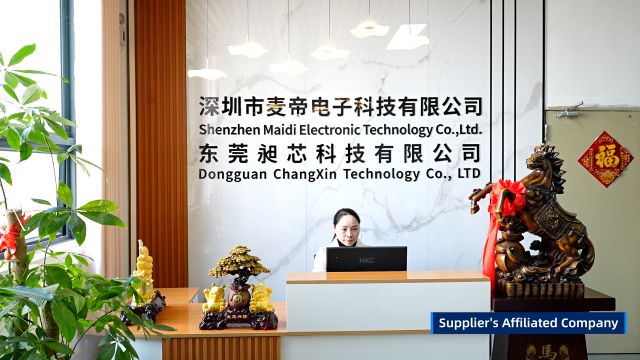
Shenzhen Kawelo Electronic Technology Co., Ltd. is a manufacturer with an integrated trading function. The company was founded in 2019, while the founder has spent 18 years working with visualizers, cameras and teaching equipment. That experience is visible in the way products are selected, tuned, assembled and supported rather than simply re-labelled.
R&D, firmware preparation, assembly, quality control and packing are handled in-house at the Dongguan production base in Guangdong. The company’s document camera range carries CE certification, the factory has passed an SGS onsite supplier assessment, and the quality-management system gives overseas buyers a more concrete basis for supplier approval.
The product scope is deliberately connected: document cameras, OCR scanners, IR touch frames, interactive displays, conference cameras, USB webcams and classroom audio. For distributors and AV integrators, that means fewer suppliers to qualify and more room to build classroom bundles around a single technical contact.
Incoming materials
Components are checked against the bill of materials before release to production.
Lens and sensor cleaning
Optical areas are cleaned to reduce image specks and avoid avoidable returns.
Firmware burning
Standard or customer-specific firmware is flashed and verified on dedicated stations.
Assembly
Mechanical and electronic assembly is completed on in-house lines.
Function QC
Image, audio and interface tests are performed on finished units.
Export packing
Cartons can be prepared for buyer-label programmes and export shipment.
Need a Model Shortlist for Your Classroom or Tender?
Send quantities, target specifications and destination market. We can recommend matching document cameras, OCR scanners, touch frames or audio models, then provide datasheets and sample options.
Frequently Asked Questions About Document Camera Wholesale and OEM Supply
These are the questions procurement teams, distributors and integrators ask most often before requesting samples or placing a first production order.
Is Kawelo a manufacturer or a trading company?+
What OEM and ODM customization is available?+
What is the minimum order quantity?+
Which certifications and factory checks support procurement?+
Do your document cameras support OCR and SDK integration?+
Which model should a school choose for hybrid teaching?+
What payment and delivery terms are accepted?+
What warranty and after-sales support are provided?+
Build a Better Classroom Visual Package With a Verified Manufacturer
Whether you need a single sample, a private-label document camera programme, or a tender-ready bundle of visual presenters and classroom audio, share your target specifications and quantities. Kawelo will help match the product path to the teaching outcome, certification requirement and destination market.