8 Recommended USB Book Scanner and Visual Presenter Models
This shortlist uses the exact product images and live product URLs from the current Kawelo catalogue. Each item serves a different procurement profile—from portable A3/A4 book scanning and OCR classroom capture to 4K visual presentation, conference imaging, and classroom audio integration.
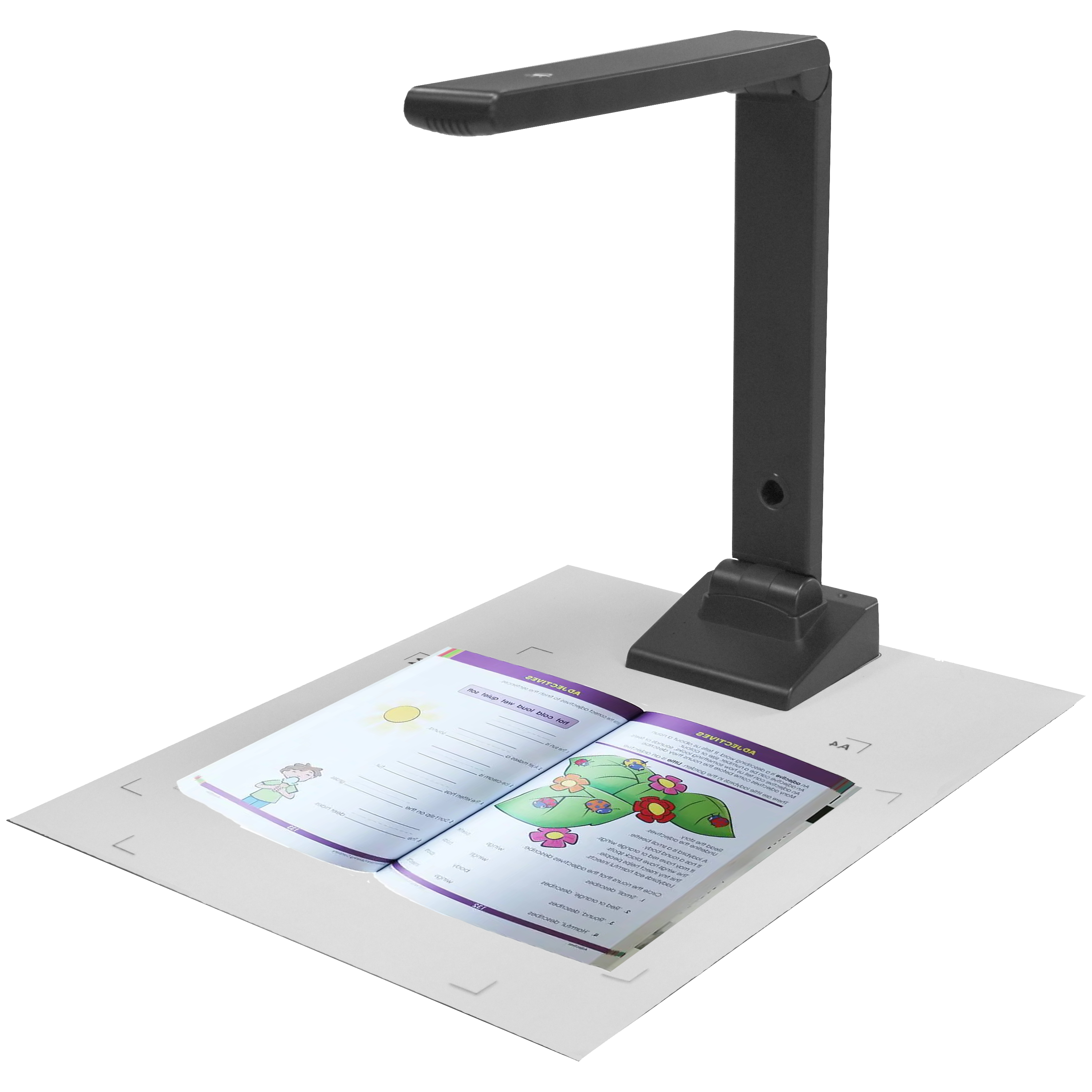
16 MP CMOS Sensor Document Scanner OEM Digital Visualizer Presenter Auto Focus A3 Educational Equipment USB Plastic School
- 16 MP
- A3 capture
- Auto focus
- USB
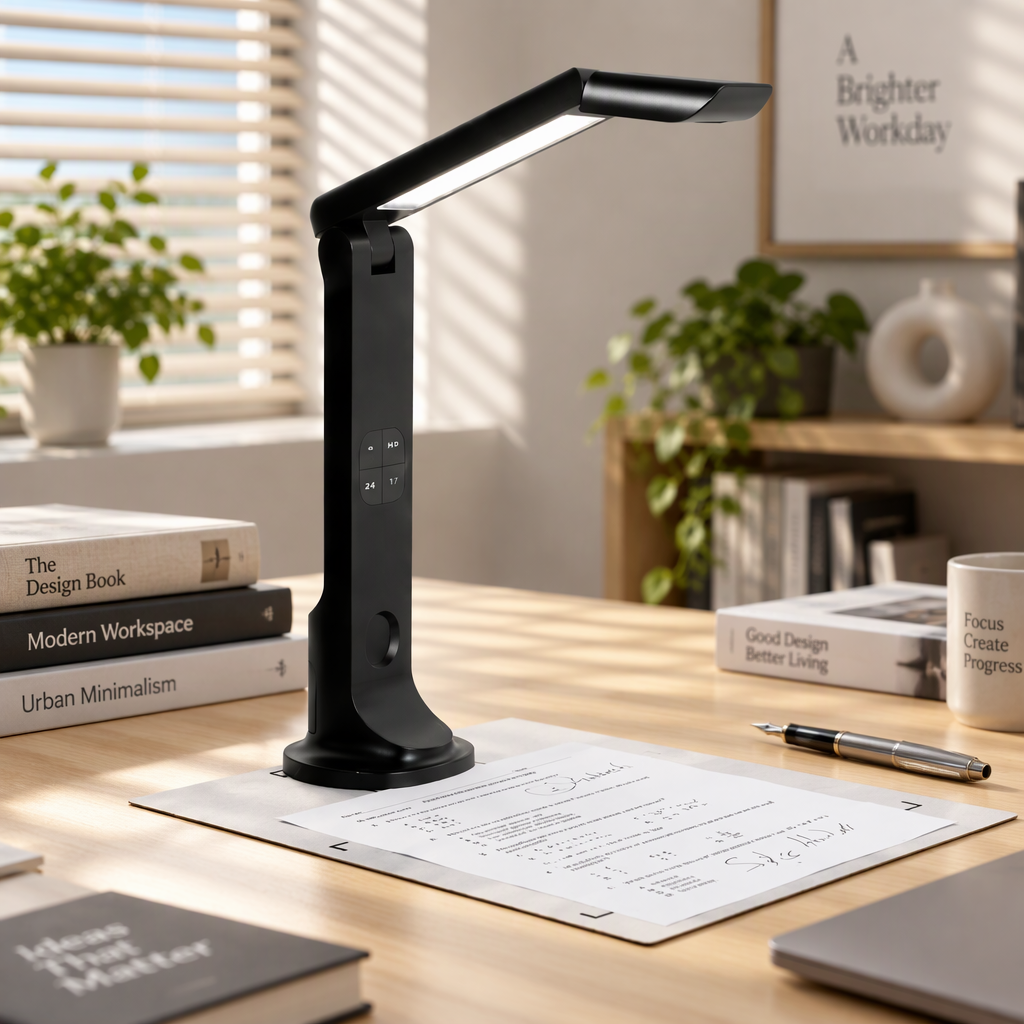
A4 A3 Plastic Digital Document Camera Scanner Portable USB High Speed for PC in Stock
- A4/A3
- High speed
- USB
- PC ready
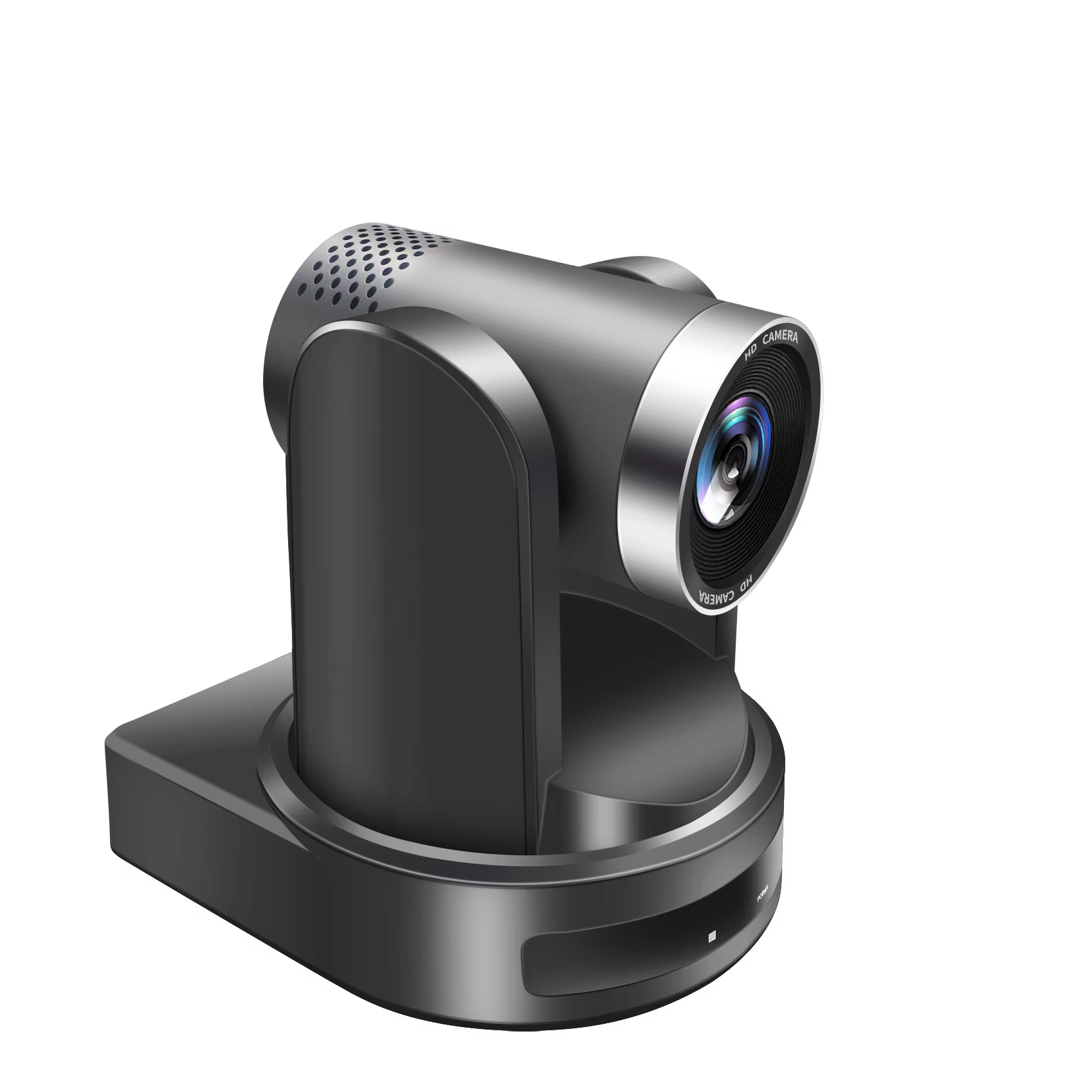
ShenMaiDi Black 4K 10X Video Conference System PTZ Camera Face Tracking Voting Function USB Interface Plastic China Stock-Model
- 4K
- 10x zoom
- Face tracking
- USB
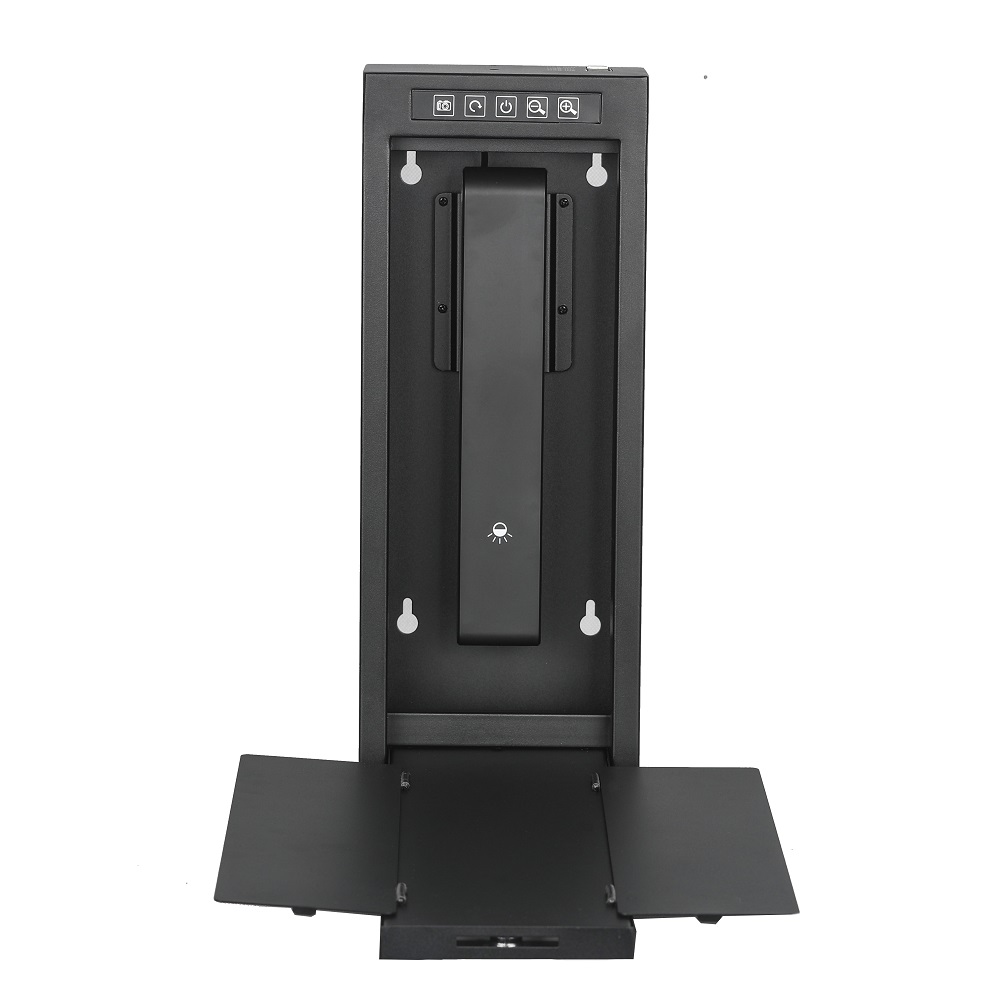
MD-B800H HD Video Presenter 8 Megapixel OCR Auto Focus Touch Keys A3 Smart Classroom Black Plastic USB 1-Year
- 8 MP
- OCR
- Auto focus
- Touch keys
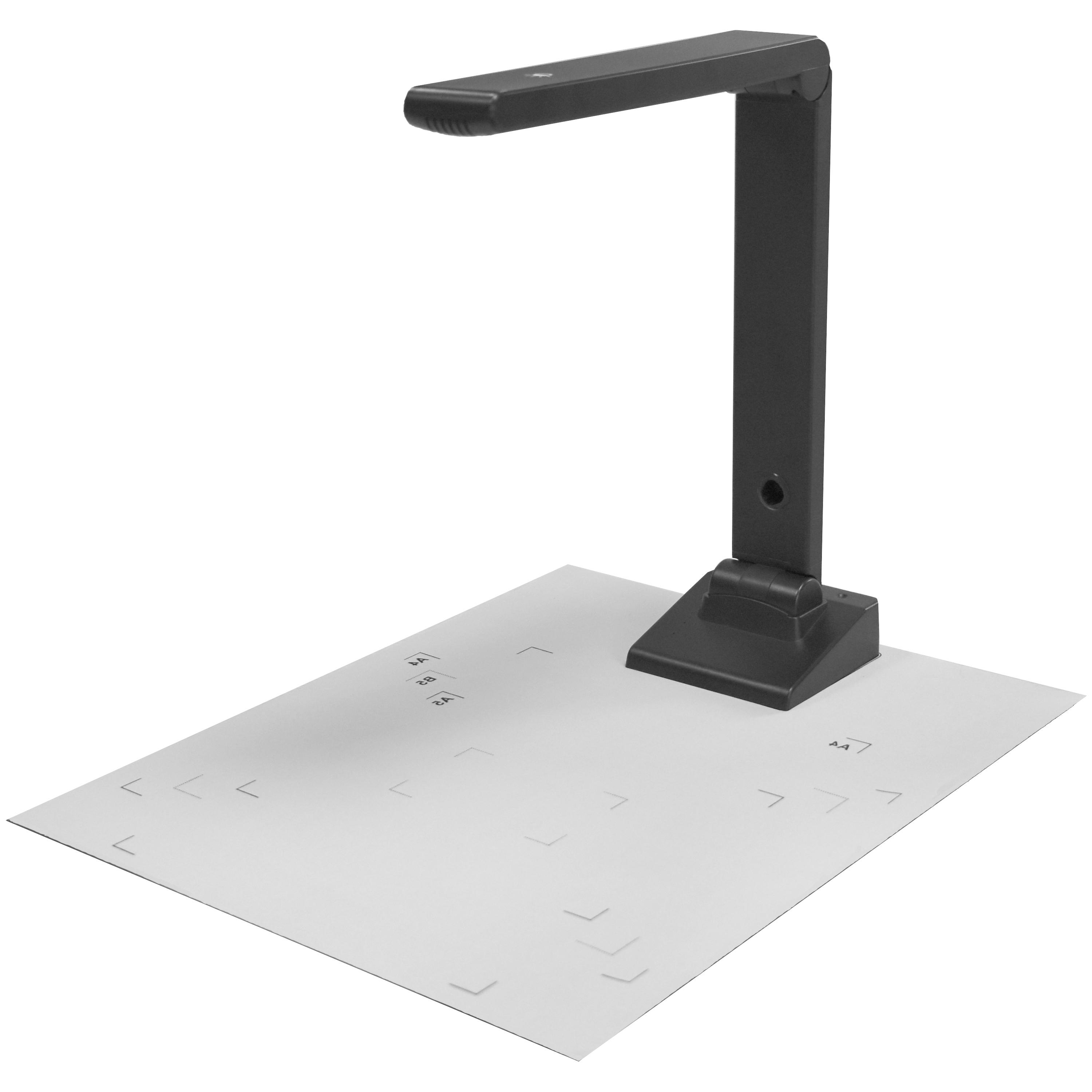
ShenMaiDi 8MP Plastic Black Document Scanner CMOS Assisted Text Conversion Portable A3/A4 USB SDK 1S Scan 24-Bit Color Depth
- 8 MP
- A3/A4
- SDK
- 1 s scan
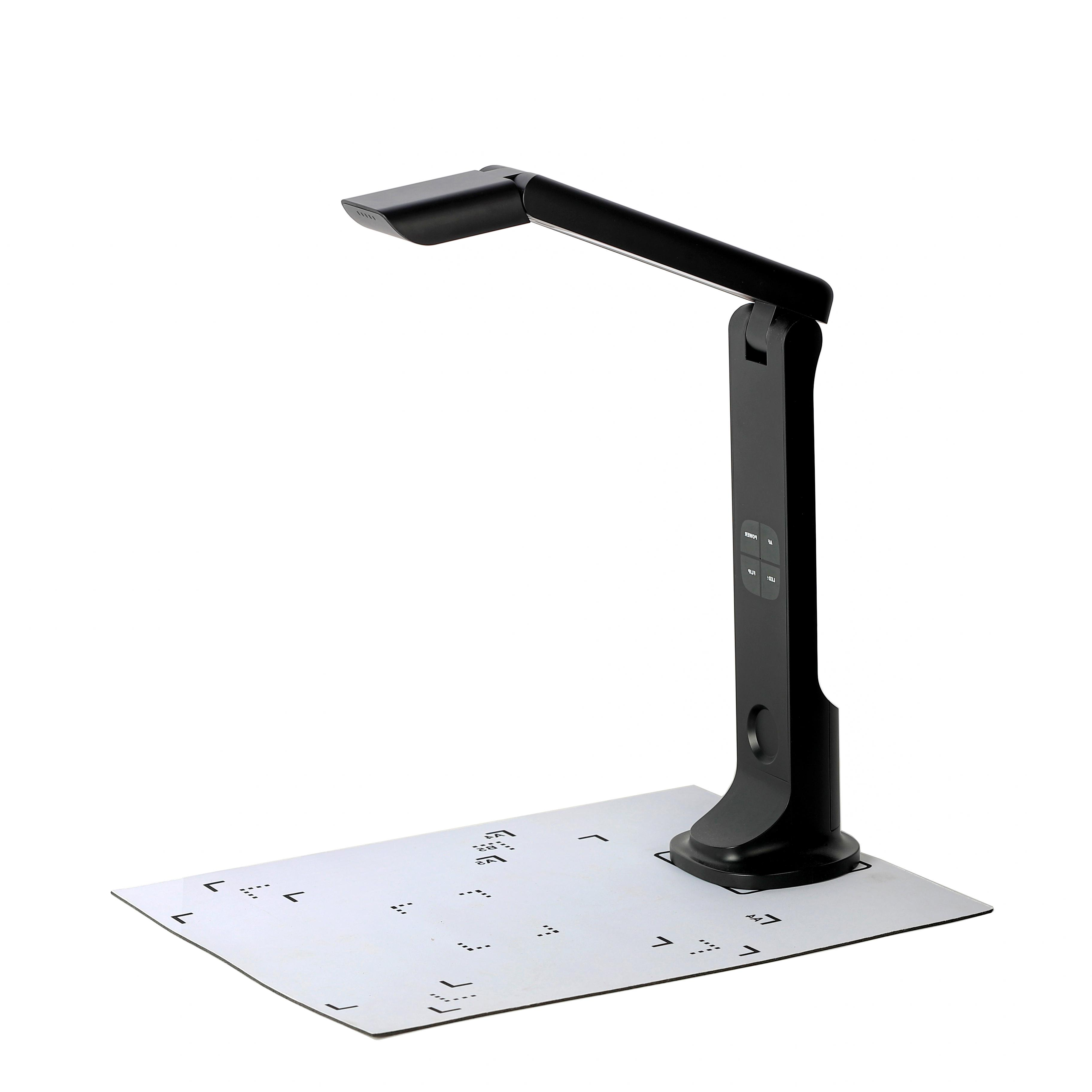
ShenMaiDi MD-13MT Home A3 Document Scanner Large Format 13MP Resolution CMOS Sensor USB Foldable LED Light Automatic Visual
- 13 MP
- A3
- Foldable
- LED light
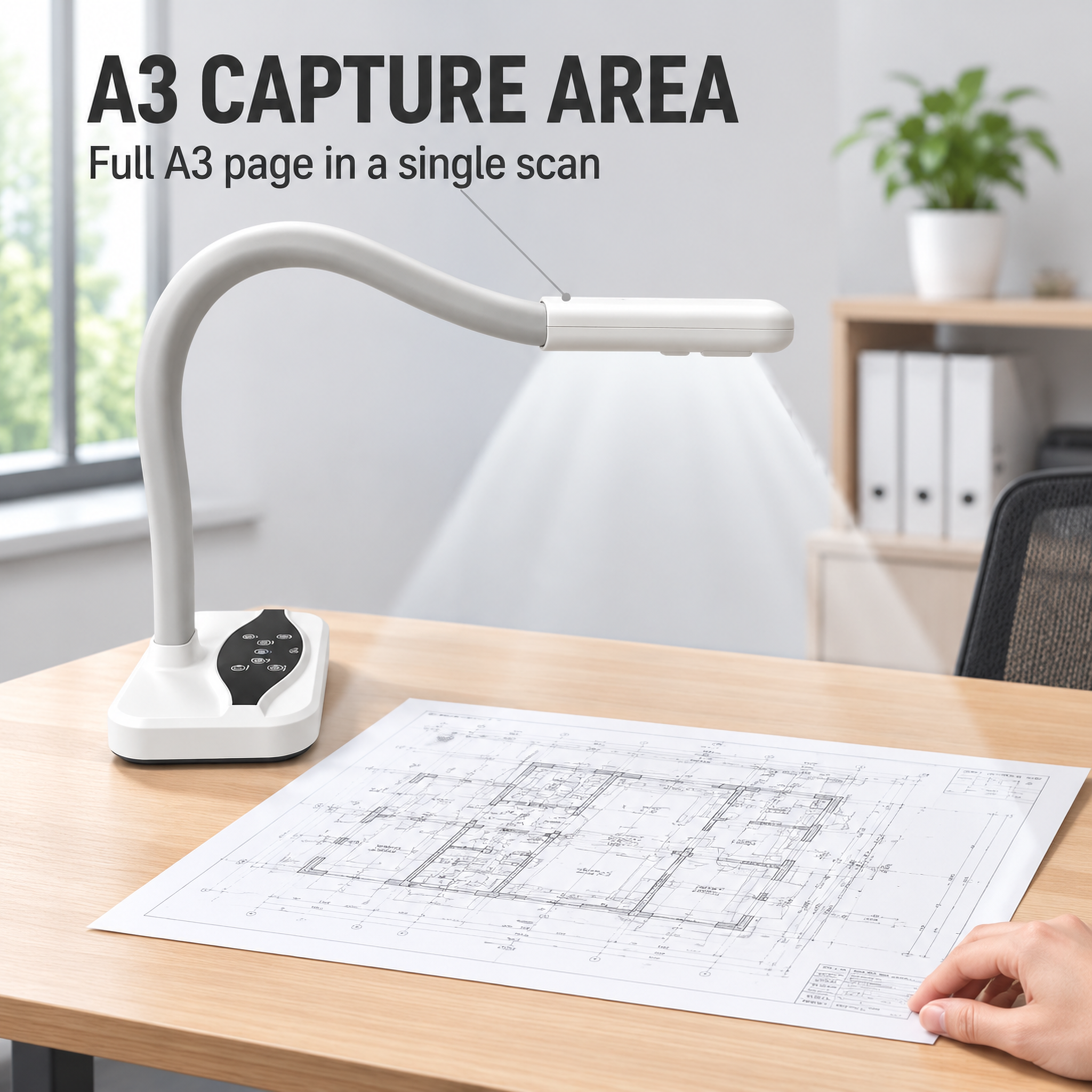
4K HD Document Camera A3 Capture Area HDMI Output Type C Touch Key SD Card Visual Presenter Educational Scanner
- 4K
- HDMI
- Type-C
- SD card
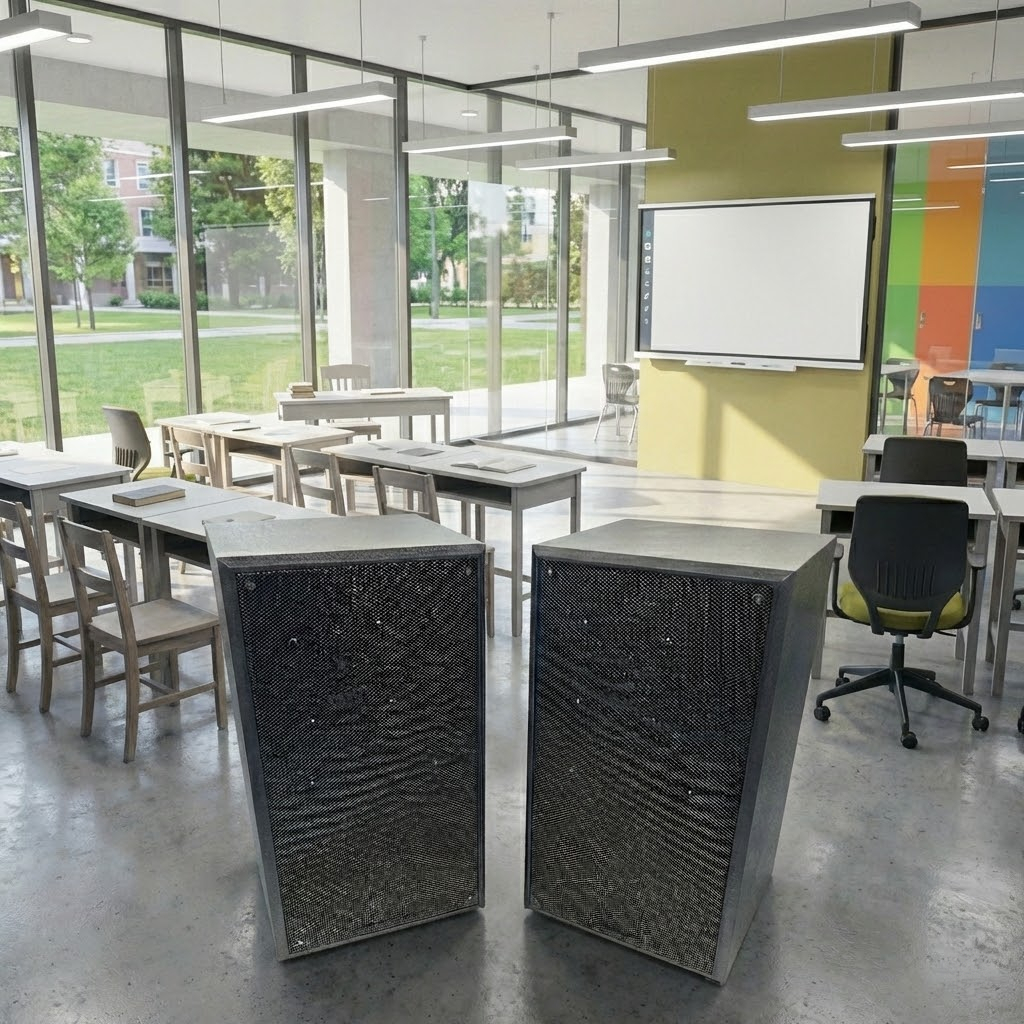
SHENMAIDI MD-S50A 50W School Classroom Infrared Integrated Stereo Speaker Sound Amplifier Educational Science Equipment CE
- 50W
- Infrared
- Stereo
- CE
What “Best” Should Mean When You Source from China USB Book Scanner Manufacturers
A USB book scanner is not a commodity accessory. It is a complete imaging chain: lens, sensor, illumination, focus control, firmware, USB driver, software compatibility, and after-sales support. The best Chinese manufacturers and wholesalers are those that can control that chain repeatably—not simply quote the lowest price per megapixel.
The hidden variables behind a stable USB book scanner
Procurement teams often compare resolution, price, and delivery time. Those are visible. The variables that determine long-term satisfaction are less visible: focus drift after repeated folding, LED flicker under classroom cameras, colour shift across batches, USB enumeration failures on low-power laptops, and OCR accuracy when paper is curved or glossy.
For repeat orders, the more useful question is not “who is cheapest?” but “which supplier can reproduce the same image quality, firmware behaviour, and packaging standard across 6, 12, and 24 months?” That is where an SGS-assessed factory with in-house imaging and firmware engineering creates measurable information gain for buyers.
- Confirm who controls firmware, sensor tuning, and final QC—not just assembly.
- Request sample units from the same production line you will order from.
- Test OCR, USB stability, and focus repeatability with your own software.
- Verify export documents, certifications, warranty terms, and spare-part policy.
Why Kawelo is a credible China USB book scanner manufacturer and wholesaler
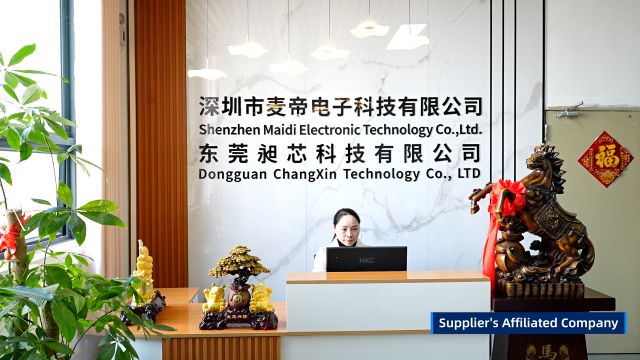
Shenzhen Kawelo Electronic Technology Co., Ltd. is a manufacturer with an integrated trading function. Its founder has 18 years of experience in visualizers and cameras, and the Dongguan production base handles chip-level solution selection, imaging and sensing algorithms, firmware tuning, assembly, QC, and export packing in-house.
The company is SGS onsite-assessed, offers OEM, design service, and buyer-label production, and holds CE certification for its document camera range. This combination matters to education distributors, AV integrators, and tender buyers who need documented capability rather than unverifiable claims.
What Buyers Will Demand from USB Book Scanner Wholesalers
Procurement criteria are shifting from “device specification” to “workflow outcome.” The following trends are already visible in education tenders, enterprise AV projects, and government digitization programmes.
AI-assisted OCR and document cleanup
Buyers increasingly expect auto-crop, deskew, shadow removal, and OCR that works on curved book pages. The scanner becomes a data-capture front end, not only a camera on a stand.
Hybrid learning and remote moderation
Schools and training providers need visual presenters that stream clearly into video platforms while local students see the same image on a projector or interactive display.
Driver-free UVC and SDK interoperability
Plug-and-play USB video is becoming baseline. Software integrators also ask for SDK access, stable UVC behaviour, and predictable firmware versions for kiosks and counters.
Privacy-by-design and on-device processing
Public-sector buyers prefer local image processing, controlled data paths, and clear documentation on whether OCR or AI functions require cloud access.
Tender-ready room bundles
One supplier for document cameras, interactive whiteboards, conference cameras, and classroom audio reduces BOM complexity, freight consolidation costs, and after-sales fragmentation.
Lifecycle documentation and sustainability
Institutional buyers now ask for certification files, packaging data, warranty clarity, and spare-part availability. Suppliers with documented QC routes are easier to approve.
What the Next Generation USB Book Scanner Must Deliver
Product roadmaps are converging around better optics, edge processing, multi-interface output, and modular room integration. The most successful manufacturers will be those that can balance these upgrades against cost and reliability.
Optical quality over megapixel marketing
Better lenses, sensor tuning, anti-glare illumination, and repeatable focus matter more than a higher pixel count alone. Buyers should evaluate real documents, not only spec sheets.
Edge AI and real-time OCR
On-device deskew, de-warping, text detection, and auto-crop reduce dependence on cloud software and make scanning faster in classrooms, counters, and libraries.
4K, HDR, and multi-interface output
HDMI, Type-C, SD card, and USB output allow the same device to serve PC-free presentation, recording, video conferencing, and software-based scanning workflows.
Modularity and room integration
Document cameras are increasingly purchased with interactive displays, conference cameras, and classroom audio. Standard mounts, UVC compliance, and SDK support simplify integration.
How to Compare USB Book Scanners Beyond the Megapixel Count
Use this comparison framework to separate a genuinely capable document camera from a low-cost webcam placed on a stand. The goal is to match the imaging system, interface, and software support to the actual buying scenario.
| Model profile | Resolution and sensor | Capture area | Focus and light | Interface | Best-fit buyer |
|---|---|---|---|---|---|
| Portable 8MP A3/A4 scanner | 8MP CMOS, 24-bit colour | A3/A4 documents and books | Assisted focus; portable LED options | USB with SDK support | Distributors needing a low-risk volume model for schools and offices |
| 13MP large-format A3 scanner | 13MP CMOS | Large A3 pages and folded book spreads | Foldable arm, LED fill light | USB | Home offices, libraries, and education buyers who scan oversized materials |
| 16MP A3 visualizer | 16MP CMOS, auto focus | A3/A4 classroom materials | Fast auto focus, LED illumination | USB, plug-and-play | OEM buyers and classroom projects needing high-resolution live presentation |
| 8MP OCR presenter | 8MP sensor with OCR workflow | A3 documents and text-heavy pages | Auto focus, touch keys | USB | Smart classrooms and digitization projects where text conversion matters |
| 4K multi-interface visual presenter | 4K imaging platform | A3 capture area | Touch-key control, fine detail capture | HDMI, Type-C, SD card | Lecture halls, training rooms, and PC-free presentation environments |
Engineer’s perspective: If teachers will present without a PC, specify HDMI output. If software integration is part of the project, ask for the SDK version and confirm UVC compliance before approval. If OCR is essential, test curved book pages—not only flat printed sheets.
Why Kawelo Is a Credible China USB Book Scanner Manufacturer and Wholesaler
E-E-A-T in B2B sourcing is built from verifiable experience, documented expertise, third-party assessment, and reliable service. Kawelo’s factory profile reflects those four dimensions.
SGS-assessed manufacturer
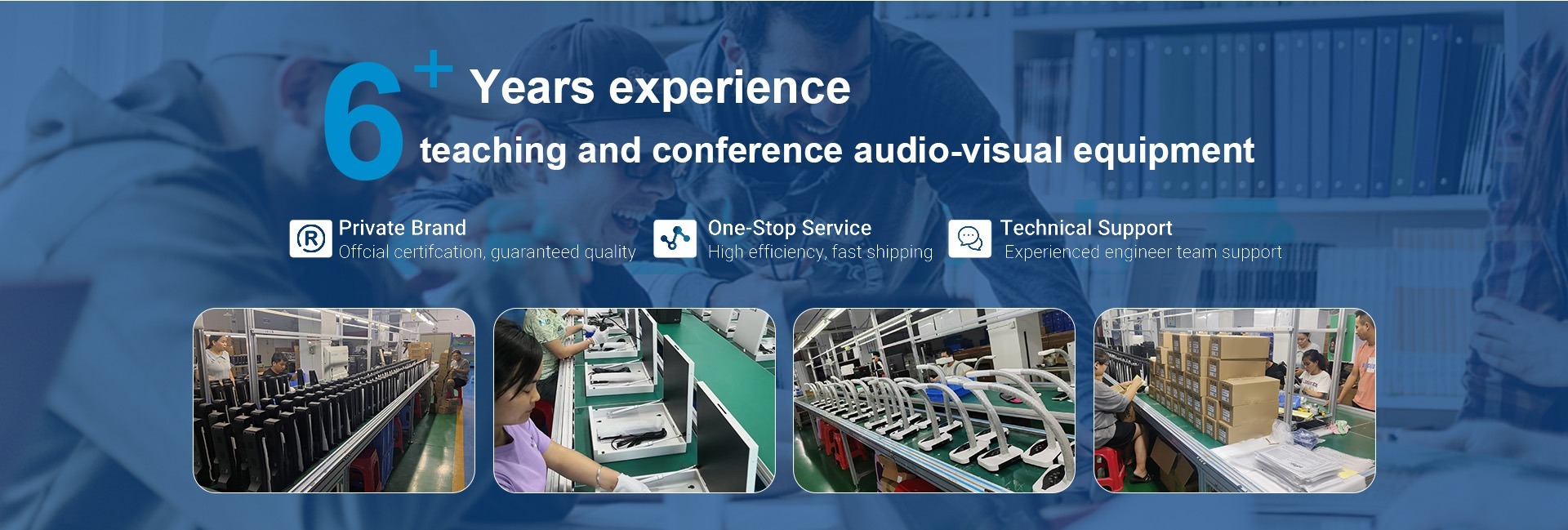
The Dongguan production site has passed an onsite supplier assessment by SGS Group. R&D, firmware, assembly, QC, and packing are handled in-house, reducing reliance on unverified subcontractors.
In-house imaging and firmware engineering
From chip-level solution selection to imaging algorithms and firmware flashing, the company controls the technical variables that affect image quality, USB stability, and OCR consistency.
OEM, ODM, and buyer-label production
Logo printing, custom packaging, graphic customization, and buyer-label production are supported, with firmware flashed and verified in-house on dedicated burning stations.
Flexible order sizes
Selected document cameras and conference cameras can start from 1 piece, while many webcams and document cameras start from 4–5 pieces. Interactive whiteboards typically begin around 30 pieces.
Quality management and CE certification
The company is quality-management certified, and the document camera range carries CE certification. These documents help distributors, tender teams, and integrators complete compliance reviews faster.
Export-ready operations
Main export markets include Southeast Asia, Africa, North America, and Oceania. Quotations are available on FOB terms, with T/T payment in USD or HKD and standard 1-year warranty for document cameras.
From Raw Material to Packed Shipment: The Quality Route Behind Each Unit
A repeatable production route is more valuable than a one-time sample. Kawelo’s process tracks each order through six documented stages before export packing.
01 Raw material inspection
Incoming parts are checked against the BOM before release to production. Sensors, lenses, plastics, and electronic components are verified for specification and condition.
02 Lens and sensor cleaning
Optical surfaces are cleaned and controlled to prevent image specks, flare, and inconsistent colour performance after assembly.
03 Firmware burning
Standard or customer-specific firmware is flashed and verified on dedicated burning stations. This supports OEM labels and software-integration requirements.
04 Assembly
Mechanical and electronic assembly is completed on dedicated lines, with process controls for folding arms, focus mechanisms, connectors, and touch keys.
05 QC testing
Finished units are checked for image quality, focus, USB enumeration, audio where applicable, and functional controls before packing.
06 Export packing
Standard export packing is available, with optional buyer-label cartons and custom packaging for private-label programmes.
Where USB Book Scanners and Visual Presenters Deliver Measurable Value
The right hardware decision depends on the workflow. These three scenarios cover most inquiries received by China USB book scanner wholesalers.
K-12 and university classrooms
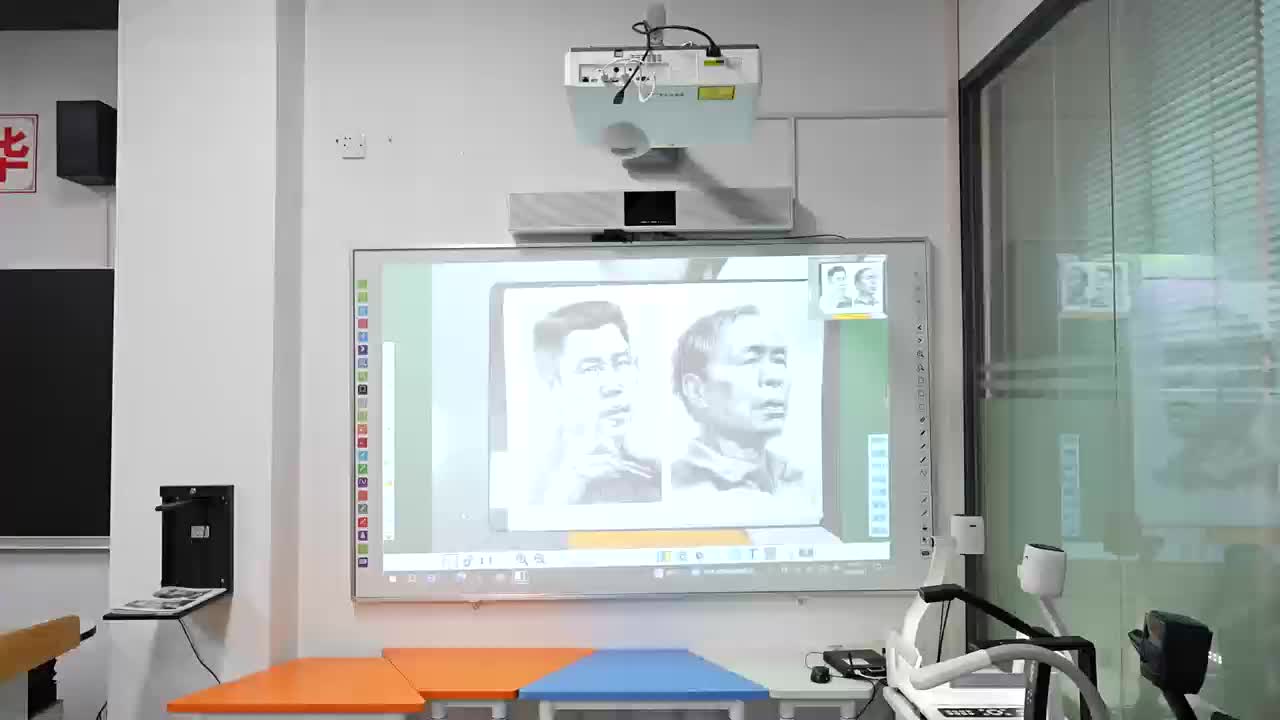
Teachers can display textbooks, handwriting, experiments, and 3D objects on a projector or interactive whiteboard. A3 capture area and auto focus reduce lesson interruption, while OCR helps digitize notes and worksheets.
Hybrid and remote teaching studios
Visual presenters stream directly into video-conferencing software, making them useful for remote tutoring, teacher training, and live demonstrations where participants need to see fine detail.
Government counters and enterprise kiosks
USB document cameras with SDK support are used to capture passports, forms, contracts, and books at service counters. Stable UVC behaviour, firmware control, and software compatibility are more important than cosmetic design.
China USB Book Scanner Wholesale FAQ
These are the questions procurement teams ask most often before placing a first order with a Chinese USB book scanner manufacturer or wholesaler.
Is Kawelo a manufacturer or a trading company?
What OEM and ODM customization do you offer?
What is the minimum order quantity?
Which certifications and assessments do you hold?
Do your document cameras support SDK and OCR integration?
What payment and delivery terms do you accept?
What warranty do you provide?
Which markets do you export to?
Send Your USB Book Scanner Specification and Get a Factory-Direct Recommendation
Share your target resolution, capture area, OCR or SDK requirements, order quantity, destination market, and delivery timeline. Kawelo’s sales engineers will respond with matching models, datasheets, compliance files, sample arrangements, and a quotation on FOB terms.