8 Factory-Direct Products for Custom Book Scanning and Classroom Capture Programs
B2B buyers searching for a custom OEM book scanning machine factory usually need more than a single scanner. They need an imaging platform, a room-ready accessory stack and a supplier that can support branding, firmware, packaging and repeat orders. The products below are the practical building blocks most often requested in education, library, government, finance, healthcare and hybrid-meeting projects.
 Touch Retrofit
Interactive display accessory
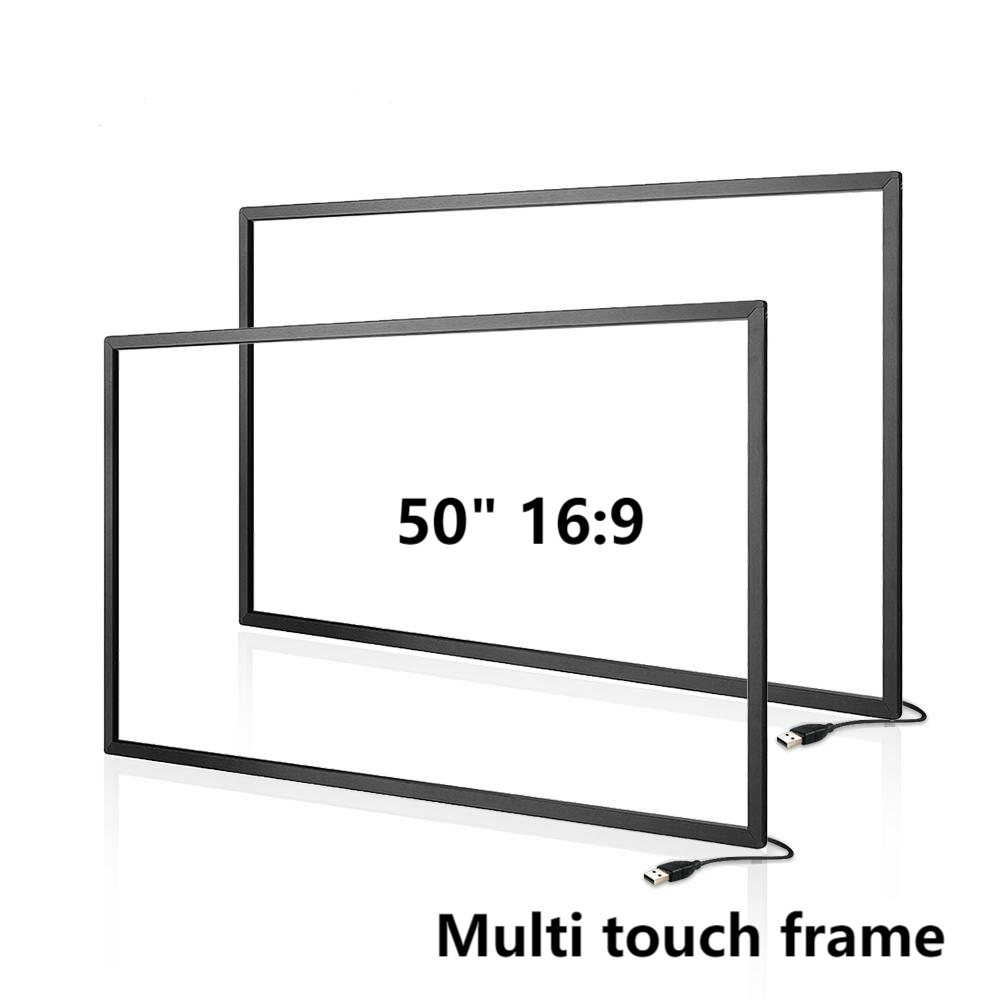
50-Inch IR Touch Frame USB Interface Free Drive New Without Glass USB for Touch Accessories
View product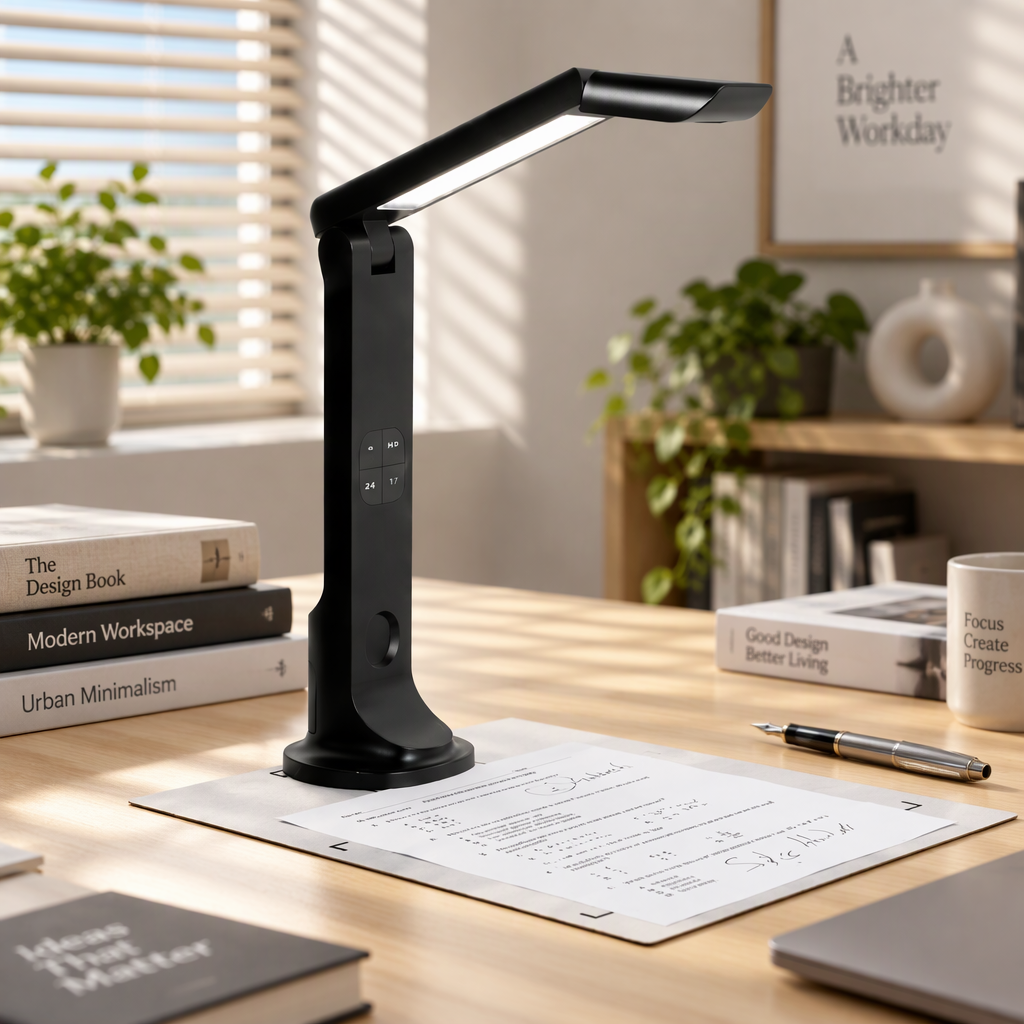 Stock Model
Portable USB document capture
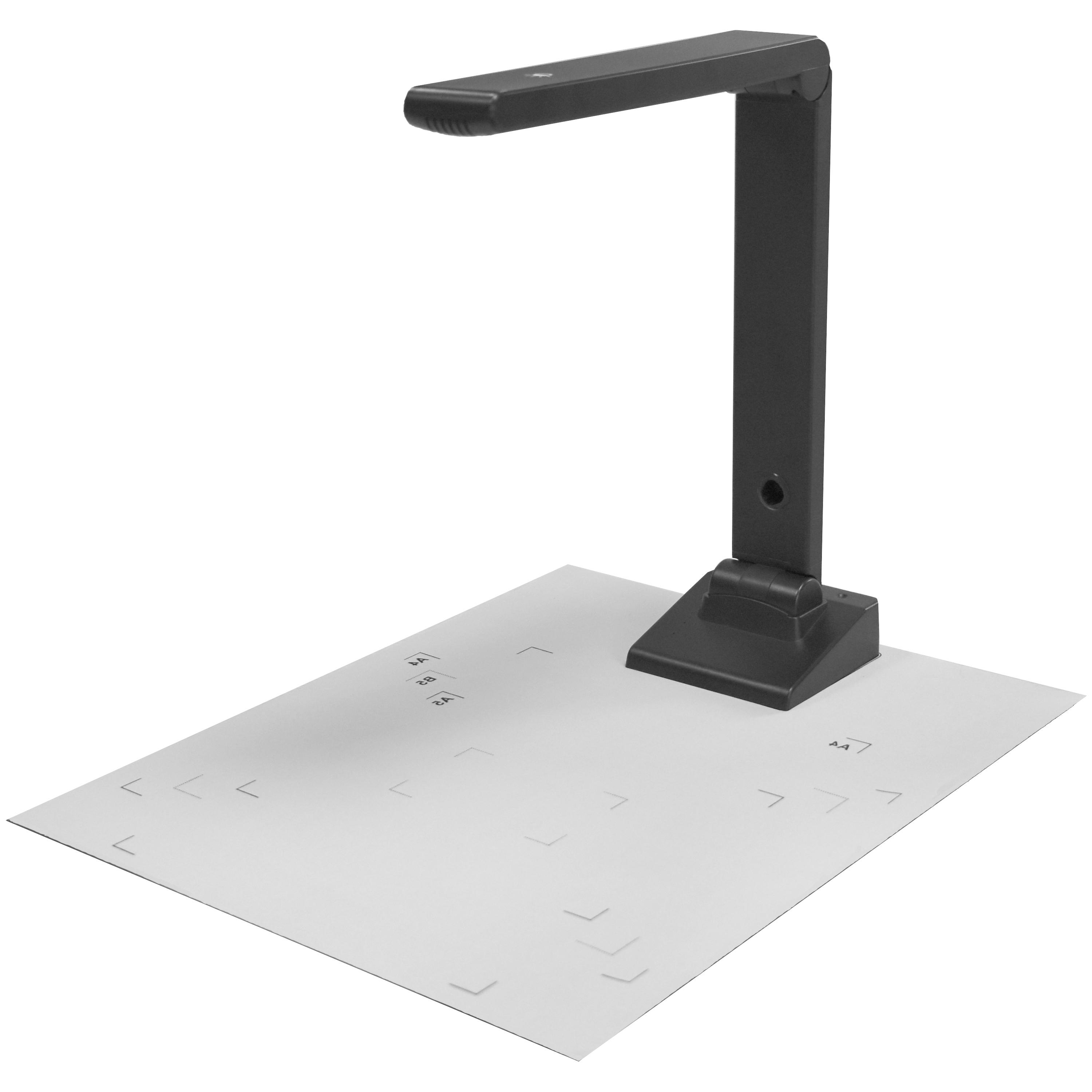
A4 A3 Plastic Digital Document Camera Scanner Portable USB High Speed for PC in Stock
View product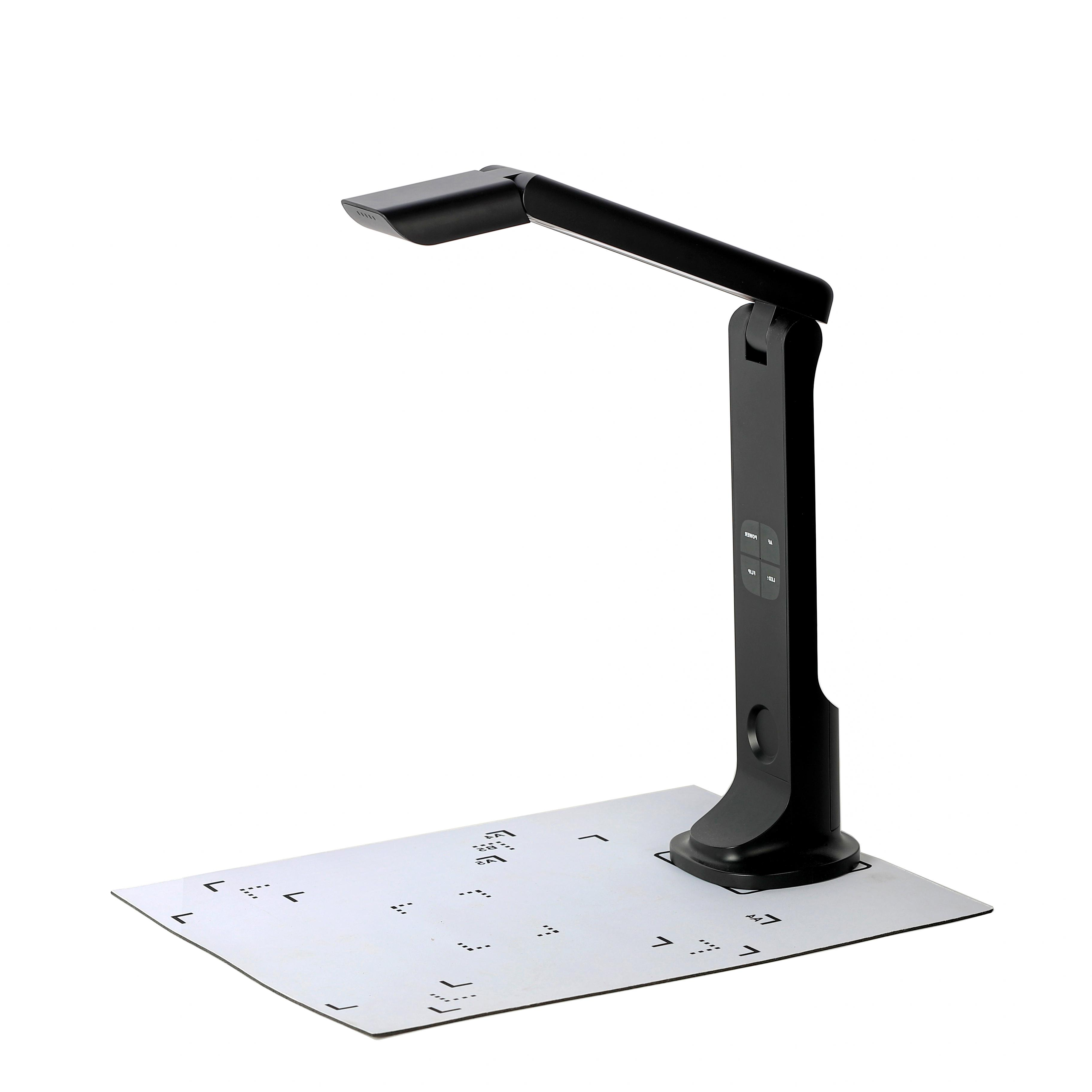
 4K Presenter
Meeting and teaching display
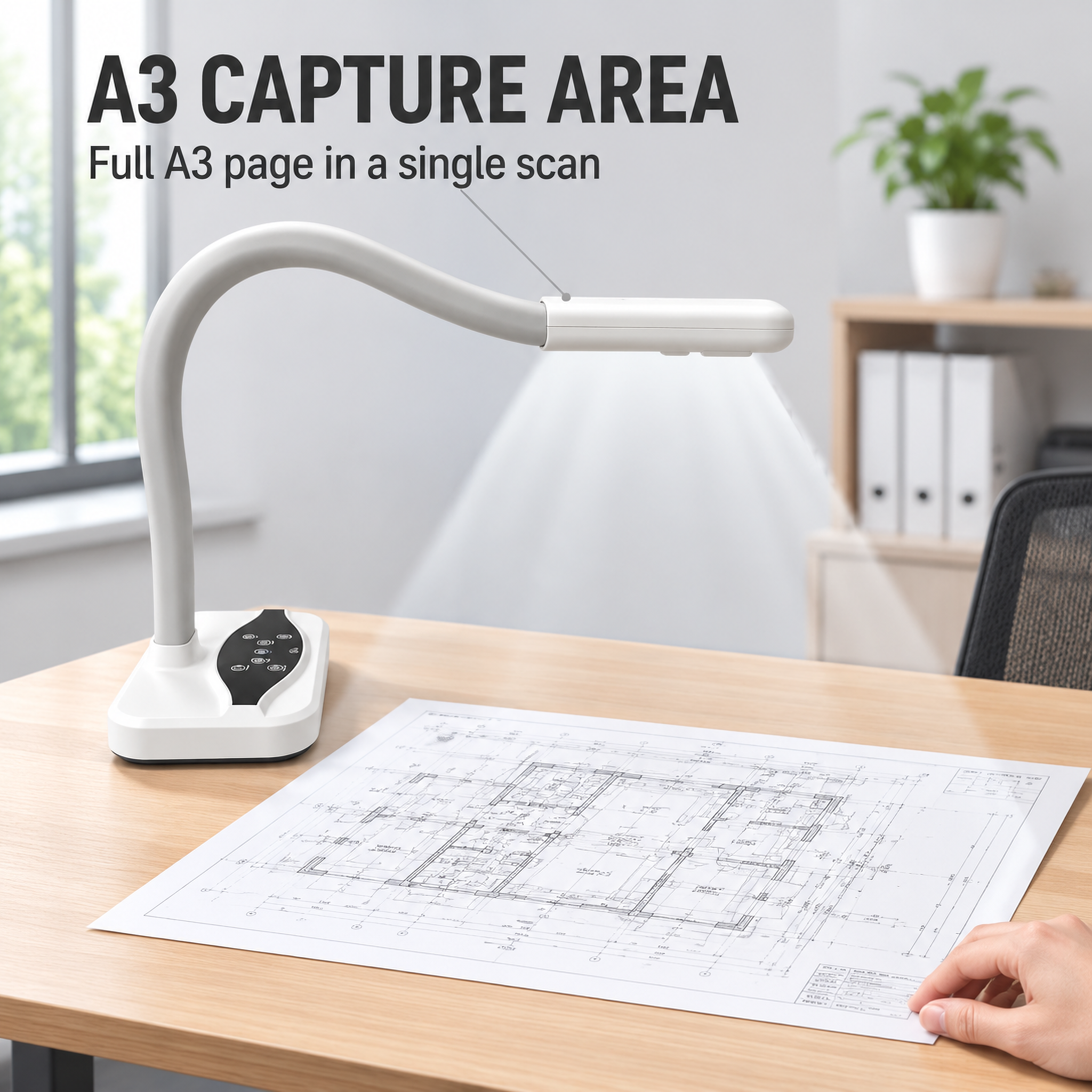
4K HD Document Scanner Visual Presenter USB A3 Capture Area for Meetings and Teaching
View product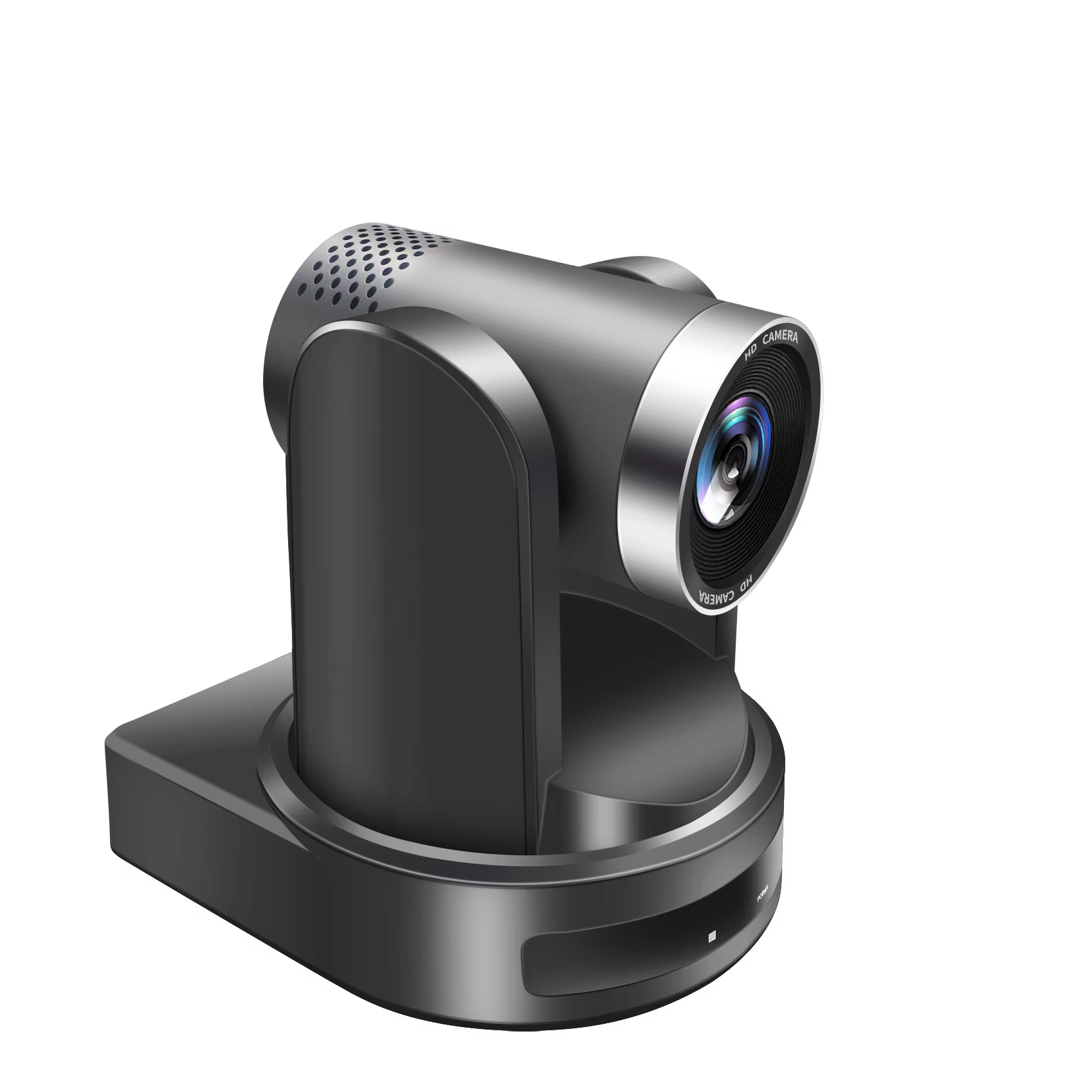
Custom OEM Book Scanning Machine Procurement: From Device Buying to Workflow Buying
Search terms such as “custom OEM book scanning machine factory & suppliers” usually come from serious B2B intent: distributors, tender teams, integrators, school groups, library digitization teams and AV resellers who need a product program, not a consumer gadget.
In 2025, a book scanner is no longer judged only by megapixels. Buyers evaluate how the device fits a capture workflow: whether it can handle A3 originals, how quickly teaching materials are displayed, how OCR and text-conversion software are integrated, whether SDK support exists for local software vendors, and whether the factory can sustain repeat orders with consistent image tuning.
The category is also converging with document cameras and visual presenters. For classrooms, libraries and meeting rooms, an overhead scanner must deliver even illumination, faithful color, low distortion, stable drivers and a predictable bill of materials. That convergence is why buyers should compare a supplier’s imaging algorithm experience, firmware discipline, production test process and OEM service model — not just a price sheet.
Our factory perspective is practical: a custom OEM book scanning machine program should start with the use case, then the optical specification, then the software interface, then the commercial model. When these four layers are aligned, the buyer gets a product that can pass a tender, survive daily classroom use and scale into repeat shipments.
The Information Gain: A Buyer Checklist for Book Scanner OEM Evaluation
To choose between suppliers, ask for evidence that changes the decision. These six checkpoints create useful information gain beyond a basic quotation.
Request sensor size, lens construction, focus mode, color depth, distortion data and low-light behavior. A 13MP or 16MP sensor only matters when the lens, illumination and image tuning work together for book pages and fine print.
LED fill light should be even, glare-controlled and comfortable for teachers and librarians. For bound books, ask how the system behaves near the spine and whether A3 originals remain readable at the edges.
Confirm whether OCR is embedded, bundled or delivered through SDK integration. Ask for supported languages, output formats, batch behavior and the real capture time under classroom or library conditions.
Software vendors need stable UVC behavior, documented SDK calls and firmware control. If your project includes a local document-management platform, ask for SDK availability before finalizing the hardware model.
Check whether the scanner can be bundled with touch frames, speakers, conference cameras and display accessories. One supplier and one packing plan can reduce project risk and simplify after-sales coordination.
Look for onsite assessment, product certification, in-house firmware burning, documented QC and export experience. These are stronger indicators of repeat-order reliability than a one-off sample photo.
For a distributor, the strongest supplier is not always the one with the lowest first quotation. It is the one that can document what happens when the order scales: how firmware is controlled, how lens and sensor areas are cleaned, how finished units are tested, and how buyer-label packaging is checked before shipment.
This is especially important for custom OEM book scanning machine projects because the product often carries the buyer’s brand into schools, libraries and public institutions. A single driver issue or inconsistent image profile can create disproportionate support cost. Request a pilot sample, test it with your own software, then lock the approved firmware and test standard into the purchase order.
Also compare the total deployment package. A scanner may be the center of the workflow, but the room may also need a touch frame for interactive delivery, a speaker for voice reinforcement and a conference camera for hybrid sessions. A factory that already produces these adjacent categories can reduce compatibility risk and shorten the procurement cycle.
Where Book Scanning Machines and Visual Presenters Are Heading
Product roadmaps should be judged against real deployment trends, not novelty features that are hard to support at scale.
AI-assisted capture at the edge
Future models will compete less on raw resolution and more on intelligent image cleanup, page-edge detection, text enhancement and OCR accuracy. Edge processing helps protect sensitive documents while reducing dependence on a connected PC.
4K, USB-C and hybrid AV convergence
Classroom capture and meeting-room presentation are merging. Buyers increasingly expect 4K visual presenters, simple USB connectivity, HDMI options for PC-free presenting and stable UVC behavior across Windows, macOS and meeting platforms.
Modular, certified and lifecycle-ready
Institutional buyers want repairable, serviceable products with clear spare-part planning. Modular mechanical design, consistent firmware control, packaging protection and certification evidence will matter as much as the initial specification.
How Smart Buyers Will Source Custom Book Scanner Programs in the Next Cycle
Procurement behavior is changing from “buy a scanner” to “secure a repeatable capture capability.” These trends favor suppliers with engineering depth and verifiable production evidence.
Room-level bundling
Buyers will combine document capture, touch interaction, audio and video from fewer suppliers. A single BOM reduces compatibility risk and simplifies tender documentation.
SDK-first sourcing
Integrators will shortlist hardware only after confirming SDK access, driver stability and firmware update procedures. Software compatibility becomes part of the due-diligence process.
Proof over promises
Certification, onsite assessment, QC records and pilot feedback will carry more weight than generic catalog claims. Buyers want evidence that survives an audit or public tender review.
Sample and pilot orders
Selected models can start from low minimum order quantities, allowing distributors to validate image quality, packaging and user feedback before scaling into container-level orders.
Export-ready operations
FOB terms, T/T payment in USD or HKD and experience across Southeast Asia, Africa, North America and Oceania reduce friction for overseas buyers and trading partners.
Lifecycle and service planning
Warranty clarity, spare-part expectations and firmware support will be evaluated over a multi-year horizon. Buyers increasingly prefer suppliers who can support the product after the first shipment.
Recommended Configurations for Common Book-Scanning and Classroom Projects
Match the configuration to the actual workflow first. The goal is to reduce rework for the buyer, the installer and the end user.
OCR-led digitization
Choose the ShenMaiDi MD-13MT A3 document scanner or the 8MP SDK scanner for text conversion, A3 originals and software-assisted document workflows. Confirm OCR language and SDK needs before the pilot order.
Portable teaching capture
The A4/A3 plastic digital document camera scanner is suited to PC-connected teaching, training rooms and field demonstration where quick setup and USB speed matter more than a fixed installation.
Hybrid presentation rooms
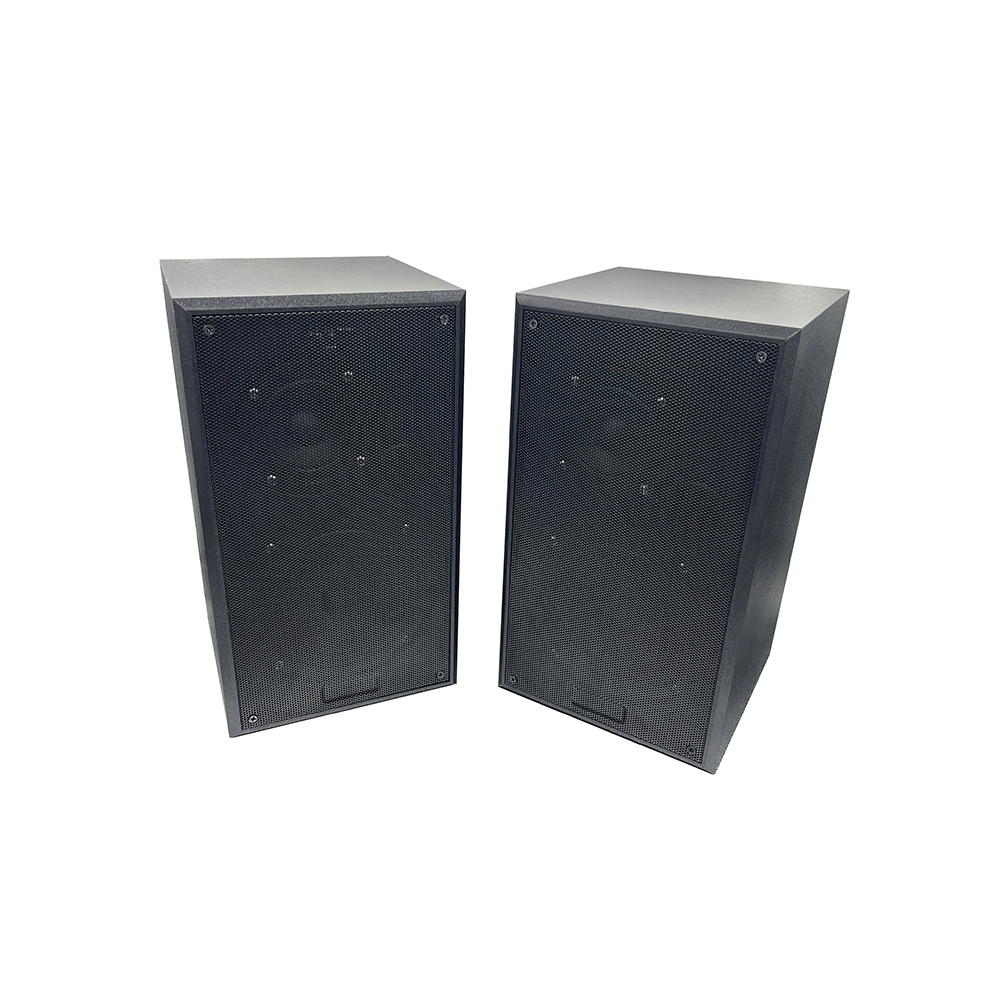
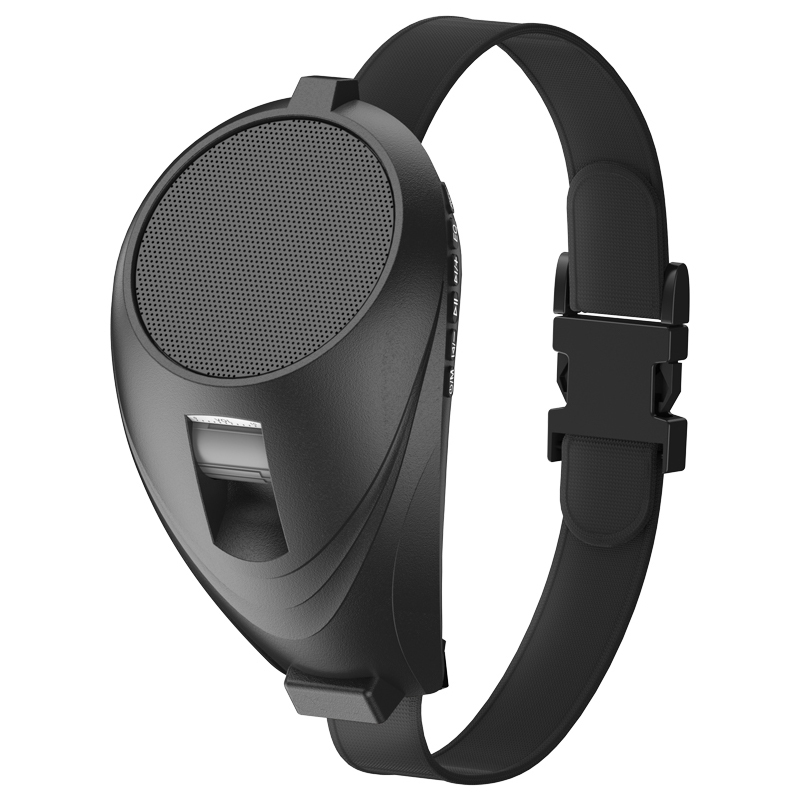
Pair the 4K HD document scanner visual presenter with the MD-S50A 50W stereo speaker for teaching and meeting spaces that need sharp material display plus clear room audio.
Interactive room bundle
Combine the 50-inch IR touch frame with the 4K 10X PTZ conference camera and classroom audio for a tendered package that covers touch, capture, voice and video from one factory.
Selection Matrix: Matching Product Evidence to Buyer Search Intent
Use this matrix to translate a procurement requirement into a product family and an OEM path. Final specifications should be confirmed against your approved sample and purchase order.
| Buyer intent | Recommended model family | Why it fits | OEM path |
|---|---|---|---|
| A3 book and document OCR | MD-13MT A3 document scanner; 8MP SDK document scanner | A3 capture area, CMOS imaging, foldable LED light, assisted text conversion and SDK options for software workflows. | Buyer logo, packaging, firmware configuration and sample approval. |
| Portable PC-connected capture | A4/A3 plastic digital document camera scanner | USB high-speed connection, portable body and stock availability for PC-based classroom or office deployment. | Private-label cartons, user manual adaptation and model configuration. |
| 4K meeting and teaching display | 4K HD document scanner visual presenter | 4K HD capture, A3 area and USB interface for meetings, training rooms and classroom presentation. | Branding, accessory bundling and shipment planning. |
| Touch retrofit for existing displays | 50-inch IR touch frame | USB interface, driver-free design and no-glass structure for interactive accessory programs. | Label customization, packaging and project-specific accessories. |
| Complete hybrid classroom or meeting room | 4K 10X PTZ conference camera + 50W stereo speaker + touch and capture products | One supplier across video, audio and interactive hardware reduces integration friction and after-sales handoff. | Room BOM consolidation, buyer-label program and export packing. |
Inside the Factory: Evidence Behind the Custom OEM Promise
Shenzhen Kawelo Electronic Technology Co., Ltd. is a manufacturer with an integrated trading function. The company was founded in 2019 near the Guangming Science City high-tech park, and its founder has 18 years of experience developing visualizers, cameras and teaching equipment.
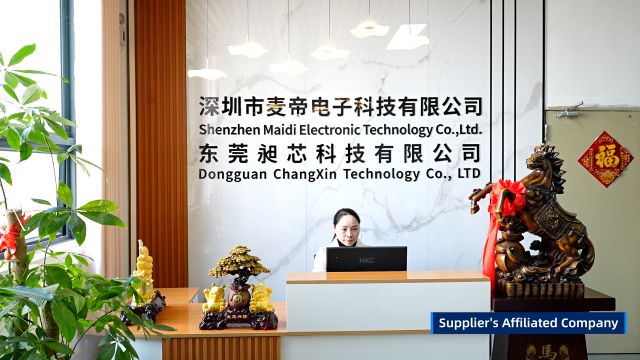
The production base in Dongguan, Guangdong supports chip-level solution selection, imaging and sensing algorithm work, firmware and audio tuning, assembly, quality control and export packing. This structure matters for a custom OEM book scanning machine program because the buyer is not only purchasing hardware; the buyer is securing a repeatable manufacturing process.
Our team of 11–50 staff covers R&D, production and sales functions, with annual output in the US$2.5M–US$5M range and a production floor of up to 3,000 m². The factory has passed an onsite supplier assessment by SGS Group, and the document camera range carries CE certification. The company works as an OEM partner for well-known brands and supports design service, buyer-label production, logo printing, custom packaging and graphic customization.
For book capture projects, this means you can discuss the sensor and lens target, test a sample, lock firmware, approve packaging and plan repeat shipments with one engineering and production team. For room projects, the same factory environment covers document cameras, interactive whiteboards, IR touch frames, conference cameras, USB webcams and wireless multimedia audio systems.

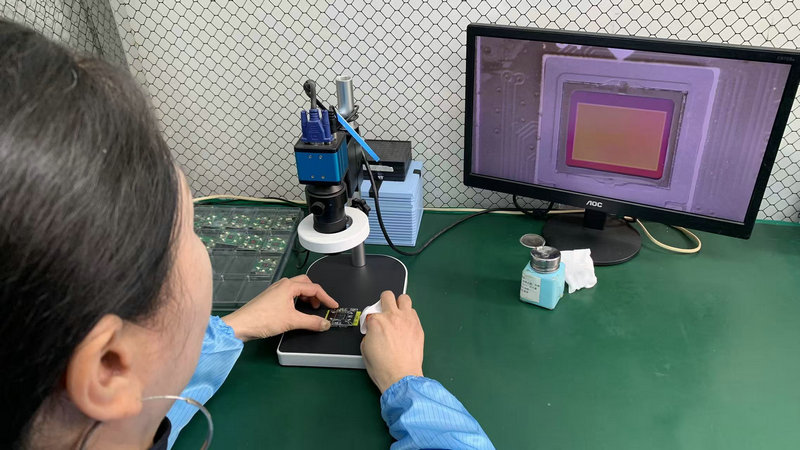
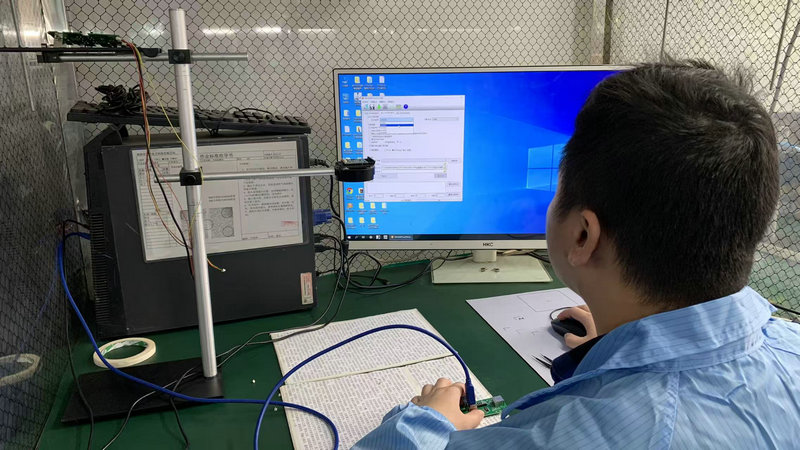
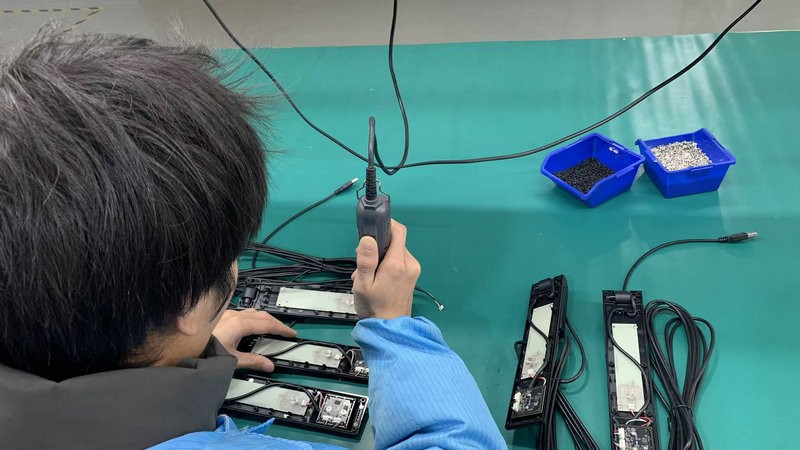
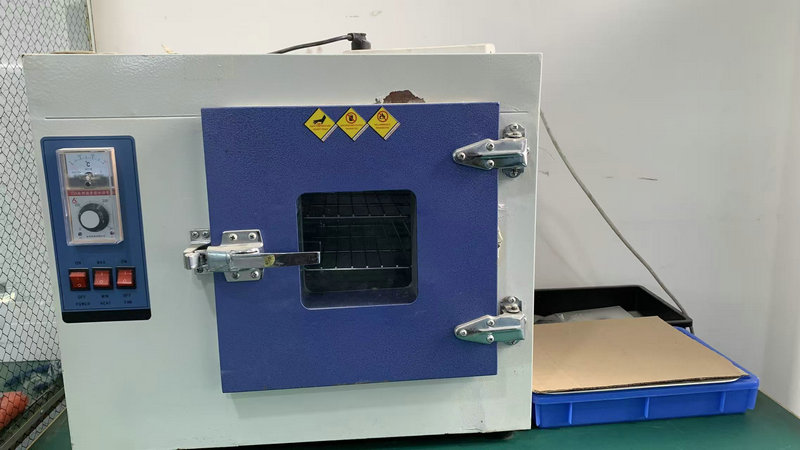
From Incoming Material to Export Carton: A Transparent Production Route
Every unit follows a documented route on the floor. This is the practical sequence that supports repeatable quality for OEM and buyer-label orders.
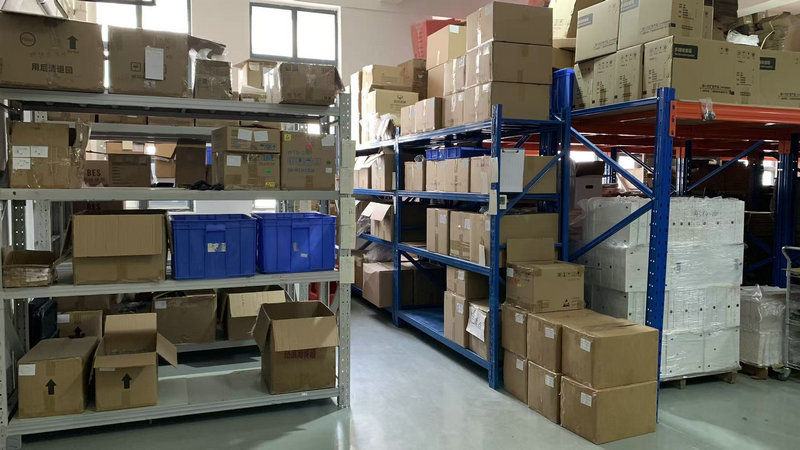
Incoming parts are checked against the BOM before release to production.
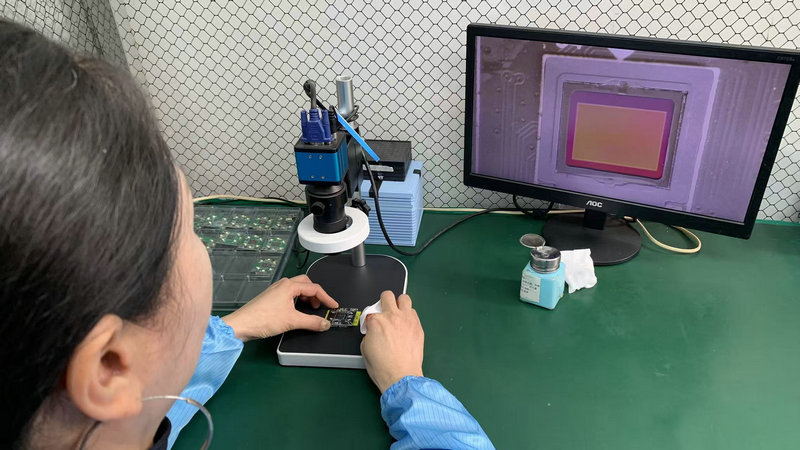
Lens and sensor areas are cleaned to prevent image specks and rework.
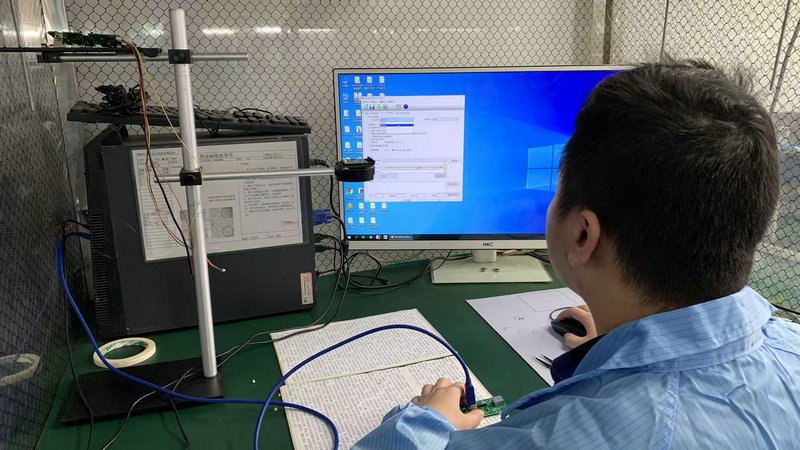
Standard or customer-specific firmware is flashed and verified in-house.
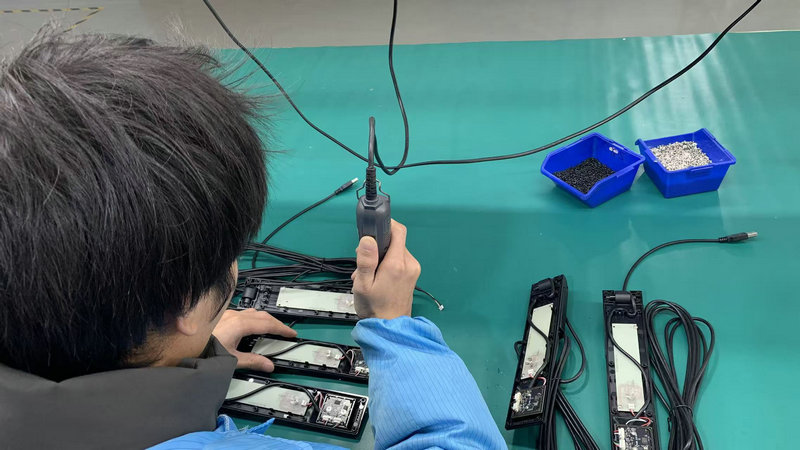
Mechanical and electronic assembly is completed on dedicated lines.
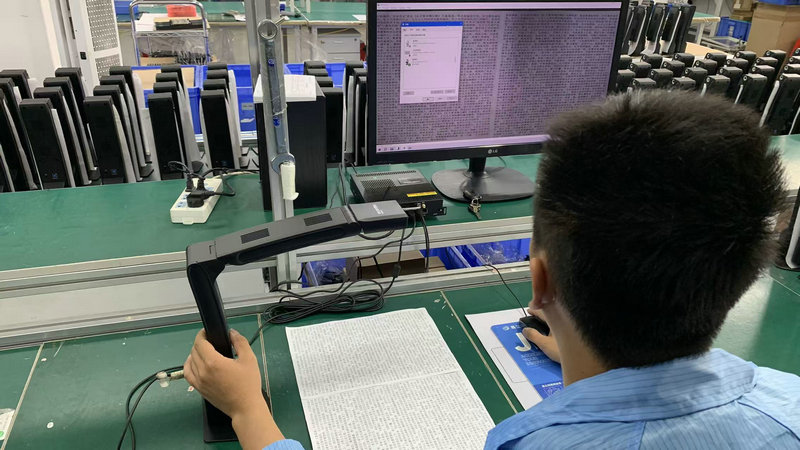
Image, audio and function tests are performed on finished units.
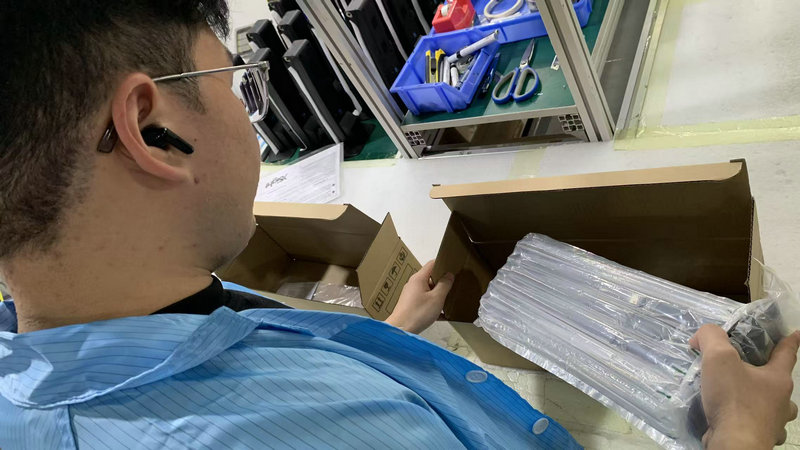
Export packing is completed with optional buyer-label cartons.
Quality, Compliance and Commercial Terms Procurement Teams Can Verify
Custom OEM projects move faster when the commercial terms are clear from the beginning. The points below reflect the factory information available for buyer review.
Quality, certification and evidence
- Document camera range carries CE certification.
- Company is quality-management certified.
- Factory has passed an onsite supplier assessment by SGS Group.
- In-house firmware burning, assembly, QC and packing are handled in the production base.
- Selected document cameras support SDK and OCR-related workflows.
- OEM service includes design service, buyer-label production, logo printing and custom packaging.
Commercial terms and export practice
- MOQ depends on model: selected document cameras and conference cameras can start from 1 piece.
- Most webcams and document cameras start from 4 to 5 pieces.
- Interactive whiteboards typically start from 30 pieces.
- Payment: T/T in USD or HKD; quotations are provided on FOB terms.
- Document cameras come with a standard 1-year warranty; confirm other categories with sales.
- Main export markets: Southeast Asia, Africa, North America and Oceania.
FAQ: Custom OEM Book Scanning Machine Factory & Supplier Questions
These are the questions overseas buyers ask most often before requesting samples, quotations or tender documents.
Is Kawelo a manufacturer or a trading company?
We are a manufacturer with an integrated trading function. Our production site in Dongguan, Guangdong has been assessed onsite by SGS, and R&D, firmware, assembly, QC and packing are handled in-house. This matters for custom OEM book scanning machine projects because the buyer can work directly with the team responsible for engineering and production decisions.
Can you customize a book scanning machine under our brand?
Yes. We offer OEM service, design service and buyer-label production, including logo printing, custom packaging and graphic customization. Firmware is flashed and verified in-house on dedicated burning stations. For a custom program, the usual path is use-case review, model selection, sample approval, firmware lock, packaging artwork approval and then pilot or volume production.
What is the minimum order quantity for a custom OEM scanner project?
MOQ depends on the model. Selected document cameras and conference cameras start from 1 piece, most webcams and document cameras from 4 to 5 pieces, and interactive whiteboards typically from 30 pieces. If your project includes mixed models or a complete room bundle, the sales team can advise the most efficient combination for sampling and production.
Which models are best for books, A3 documents and OCR workflows?
The ShenMaiDi MD-13MT A3 document scanner is well suited to A3 large-format capture with 13MP CMOS imaging, foldable LED light and USB connection. The ShenMaiDi 8MP portable document scanner is another practical choice when SDK support, assisted text conversion, A3/A4 capture and 1-second scanning are important. Buyers should confirm OCR language, output format and software requirements during the sample stage.
Do your document cameras support SDK and OCR integration?
Yes. Selected models such as the A4/A3 high-speed document camera ship with SDK support, and the MD-13MT A3 scanner provides OCR-related text conversion capability. For software integrators, it is important to test the SDK with your own application before finalizing a purchase order, especially if the deployment involves document management, records retention or local-language OCR.
What certifications and factory evidence can you provide?
Our document camera range carries CE certification, the company is quality-management certified, and our factory has passed an onsite supplier assessment by SGS Group. Buyers can review the company profile, verified assessment information and relevant product documentation before placing a first order.
How do you control quality for OEM and repeat orders?
Production follows a documented route from incoming material inspection through cleaning, firmware burning, assembly, QC testing and export packing. In-house equipment includes electron microscopy inspection, firmware burning computers, automated screwing and aging equipment. For repeat OEM orders, the approved sample, firmware version, packaging artwork and inspection standard should be referenced in the purchase order.
What payment and delivery terms do you accept?
We accept T/T payment in USD or HKD and quote on FOB terms. For project planning, share your target quantity, destination region, packaging requirement and expected delivery window so the sales team can prepare a quotation and production schedule that matches your procurement timeline.
What warranty do you provide?
Our document cameras come with a standard 1-year warranty. Warranty terms for other product categories should be confirmed with our sales team because the configuration, application and order volume may affect the service plan. For tender projects, ask for the warranty statement in writing so it can be included in your bid documents.
Which markets do you export to?
Our main export markets are Southeast Asia, Africa, North America and Oceania. We work with education suppliers, AV distributors, system integrators and project buyers. If your market requires specific packaging, voltage, language or certification review, include those requirements in the inquiry so they can be checked against the selected model before quotation.
How do I start a sample or project inquiry?
Share your target use case, required capture size, resolution range, OCR or SDK needs, estimated quantity, branding requirements and destination market. Our team can then recommend a model, confirm customization scope and arrange a sample discussion. For faster evaluation, include any tender specification, reference photo or software integration requirement in your message.
Can you supply a complete classroom or meeting-room bundle?
Yes. The factory range includes document cameras, document scanners, visual presenters, IR touch frames, interactive whiteboards, conference cameras, USB webcams and multimedia audio systems. A typical bundle may combine a book scanner or visual presenter with a touch frame, speaker and conference camera. Bundling from one supplier can simplify compatibility checks, packing and after-sales coordination.
Build Your Custom OEM Book Scanning Machine Program
Send your target specifications, quantities, branding plan and destination market. We will recommend matching models, confirm OEM customization scope and help you plan samples for a reliable factory-direct program.
Contact Us