Custom OEM USB Document Scanner Factories & Wholesaler
Factory-direct visual presenters, 16MP and 4K document cameras, interactive whiteboards, IR touch frames, conference cameras and classroom audio for distributors, tender teams and AV integrators.
Eight Models for OEM Classroom and Meeting-Room Programs
These products represent the practical hardware ecosystem around a USB document scanner deployment: capture, display, touch interaction, audio and conference communication. Every product URL below is preserved for direct product review.
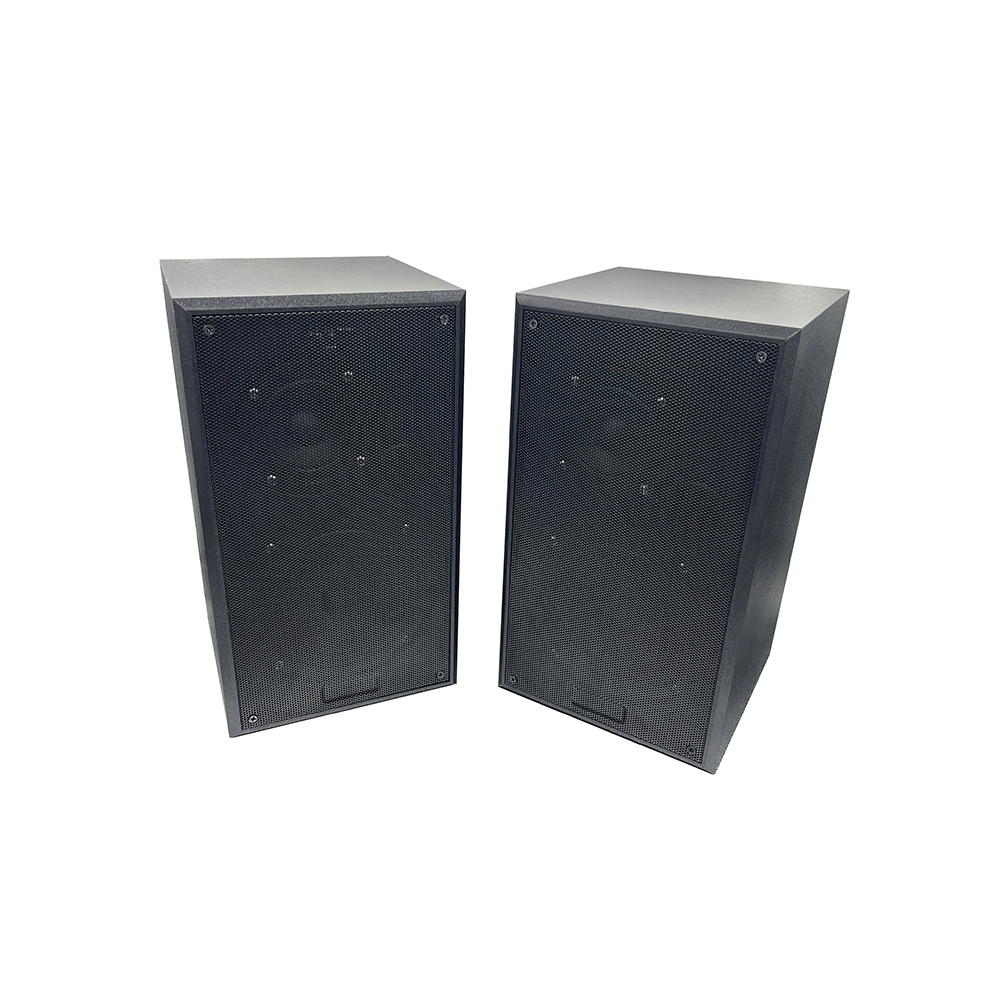
SHENMAIDI MD-S50A 50W Integrated Stereo Speaker Sound Amplifier
CE/CCC/FCC/ROHS/ISO9001-certified classroom audio model with a 1-year warranty and a 50W stereo platform for clear voice reinforcement.
View Product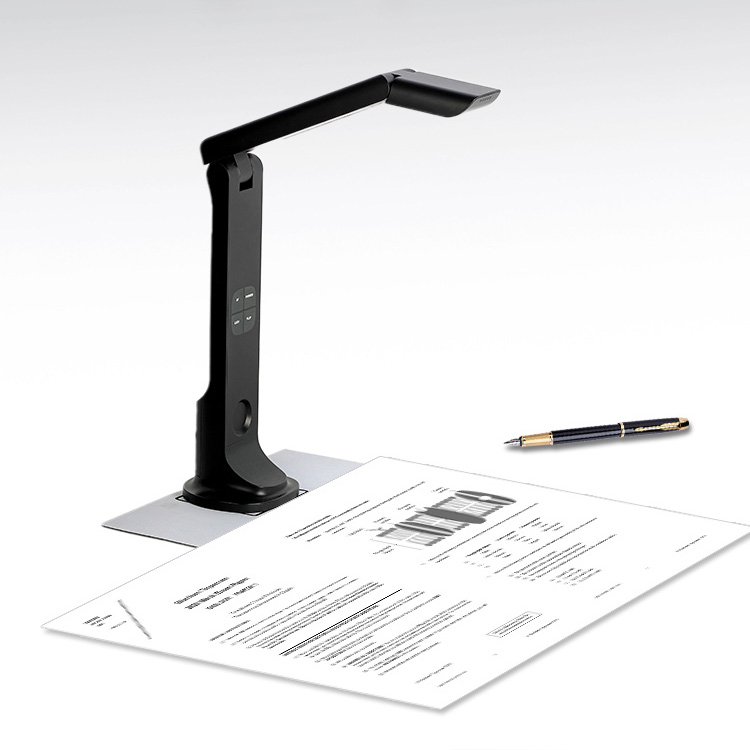
A4 A3 Digital Visualizer USB Document Camera Scanner and Book Paper Scanner
A 16MP portable visual presenter for kids education, classroom projection, book capture and hybrid teaching, with A4/A3 document coverage.
View Product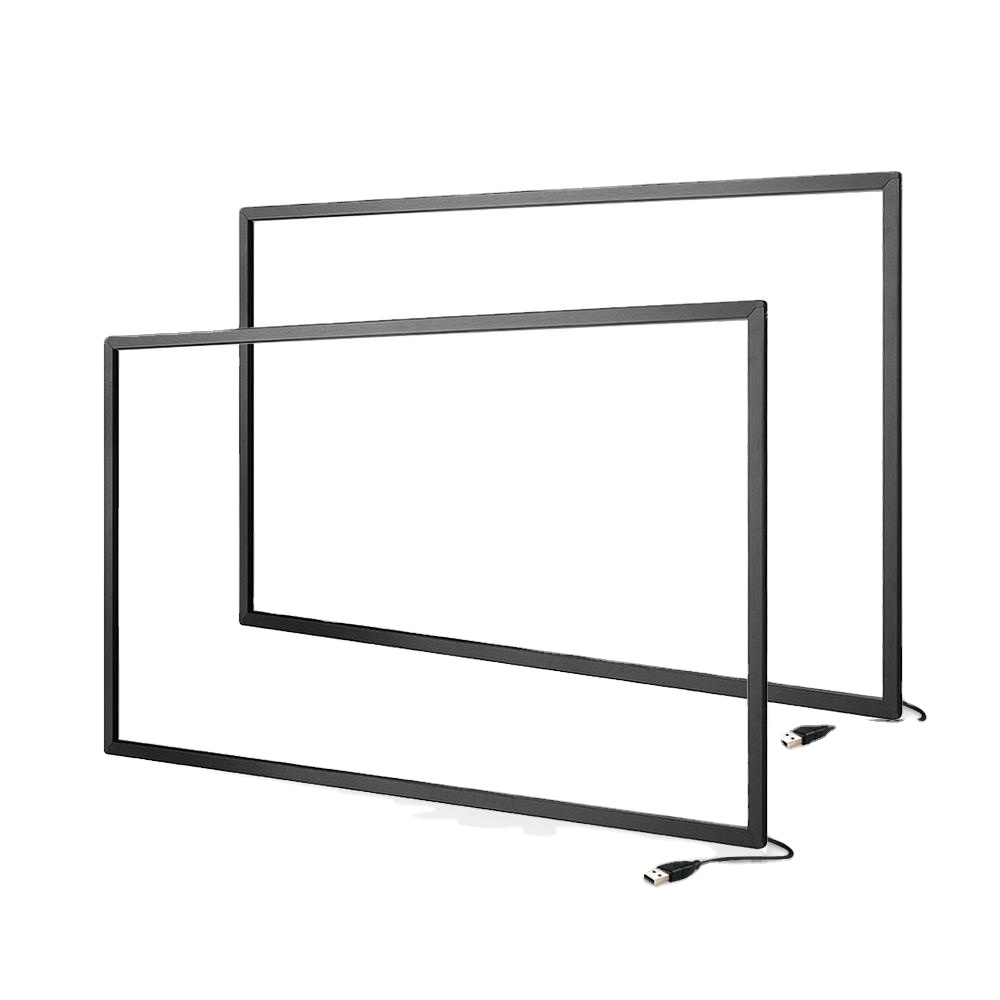
60-Inch Infrared Touch Frame with 20 Touch Points USB Interface
A practical upgrade path for conference rooms and classrooms that already have a display but need multi-user interactive control.
View Product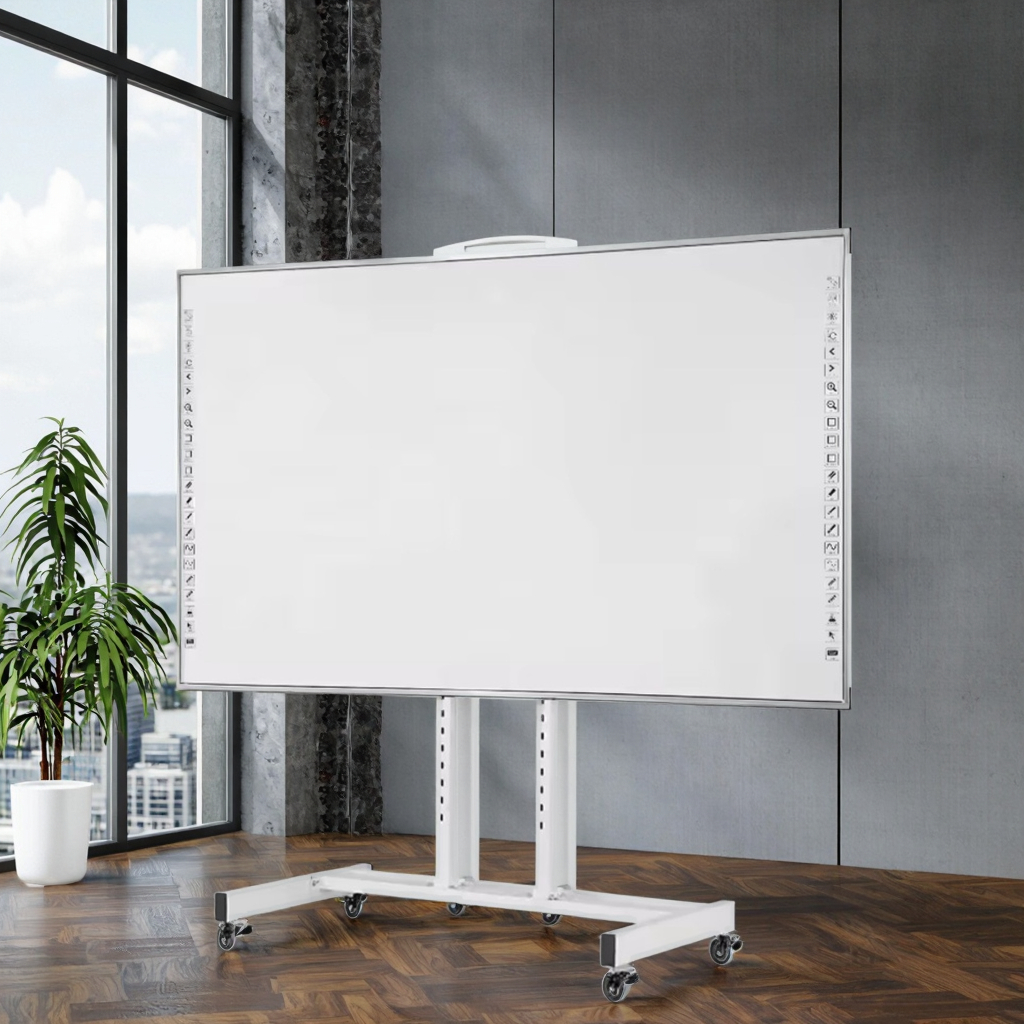
MD086-B 86-Inch Multi-Touch Interactive Smart Metal Whiteboard All-In-One
An 86-inch dual-system interactive all-in-one for school classrooms that need built-in computing, metal construction and multi-touch collaboration.
View Product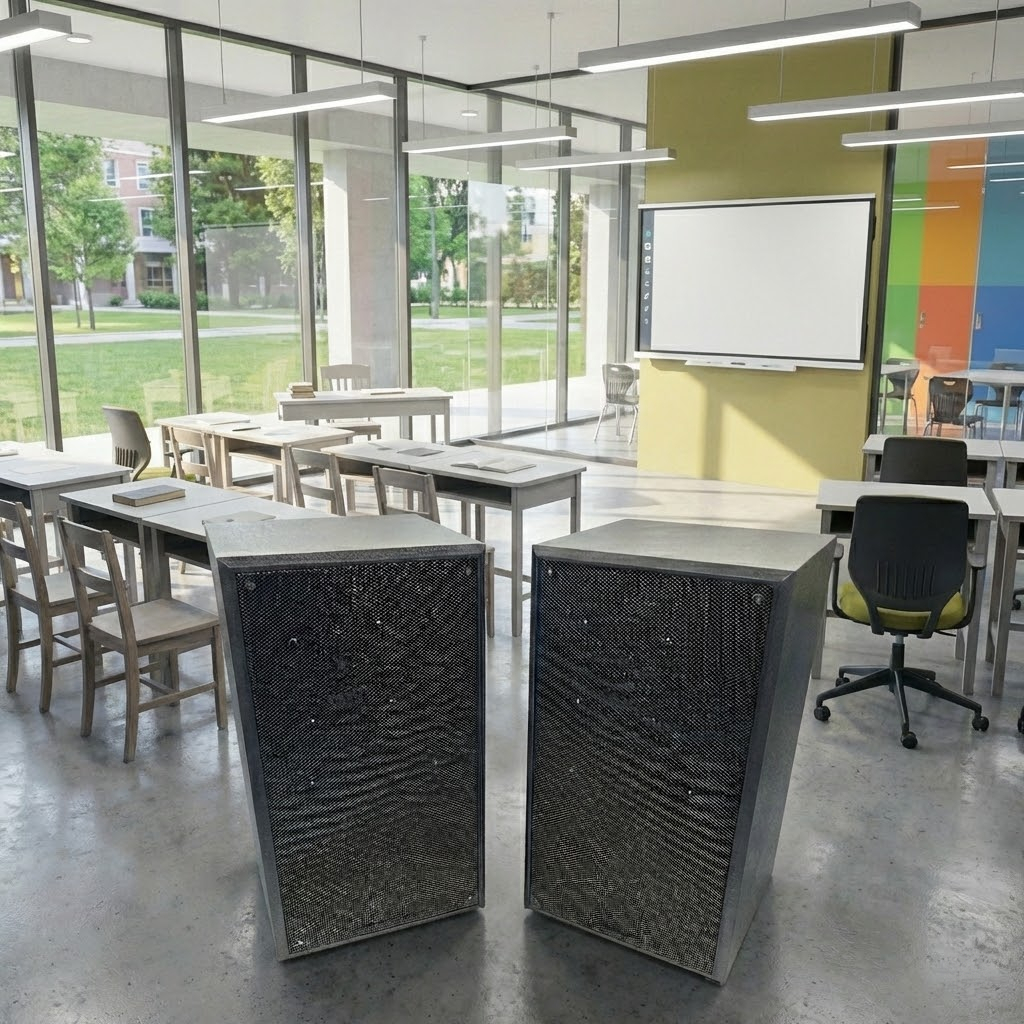
SHENMAIDI MD-S50A 50W School Classroom Infrared Integrated Stereo Speaker Amplifier
A CE-marked educational audio solution designed for voice clarity, classroom science equipment projects and integrated teaching spaces.
View Product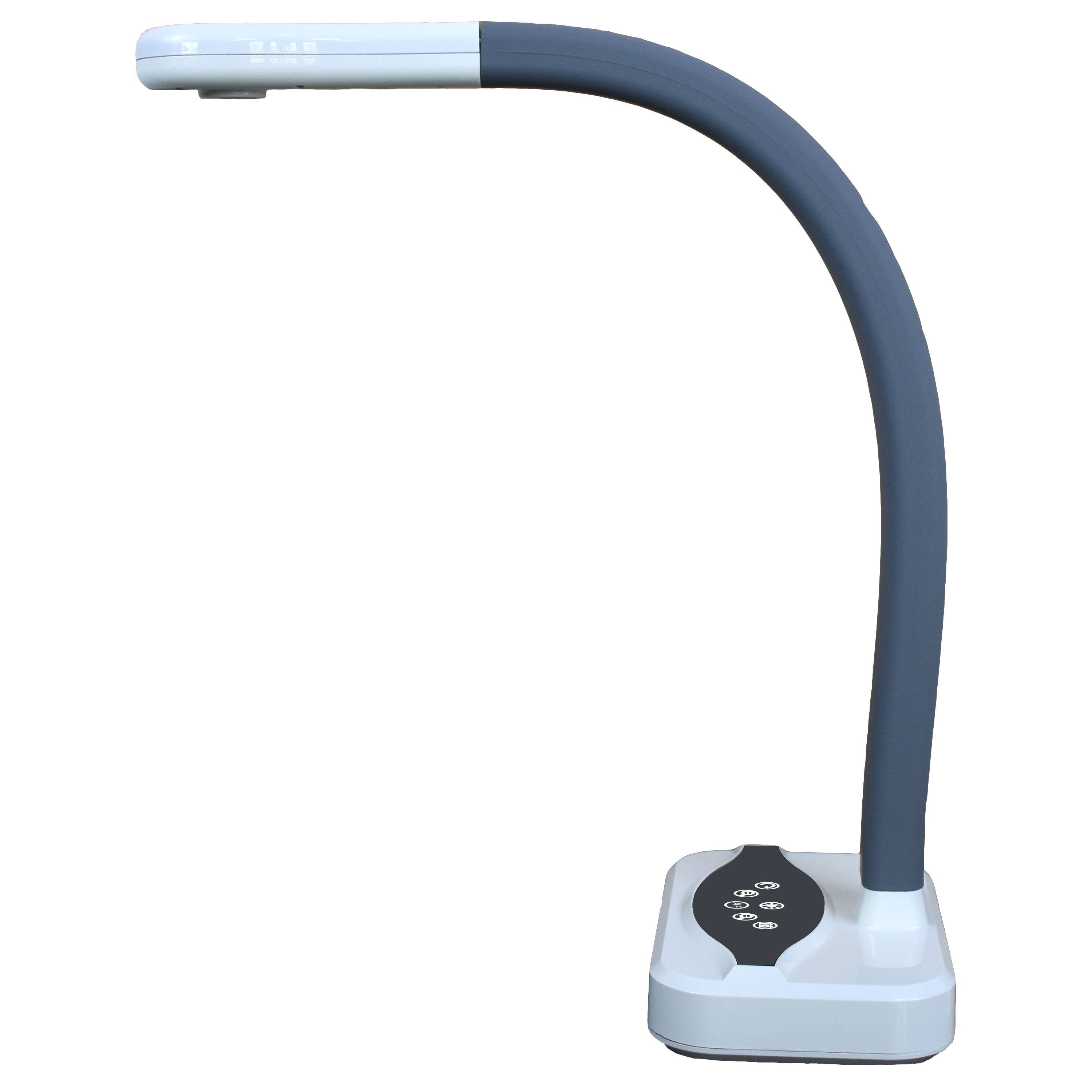
ShenMaiDi 13MP White Foldable Document Camera Scanner A3/A4 USB
A CMOS-sensor, 1-second-scan, SDK-ready smart classroom video presenter for cost-sensitive education tenders and software integration.
View Product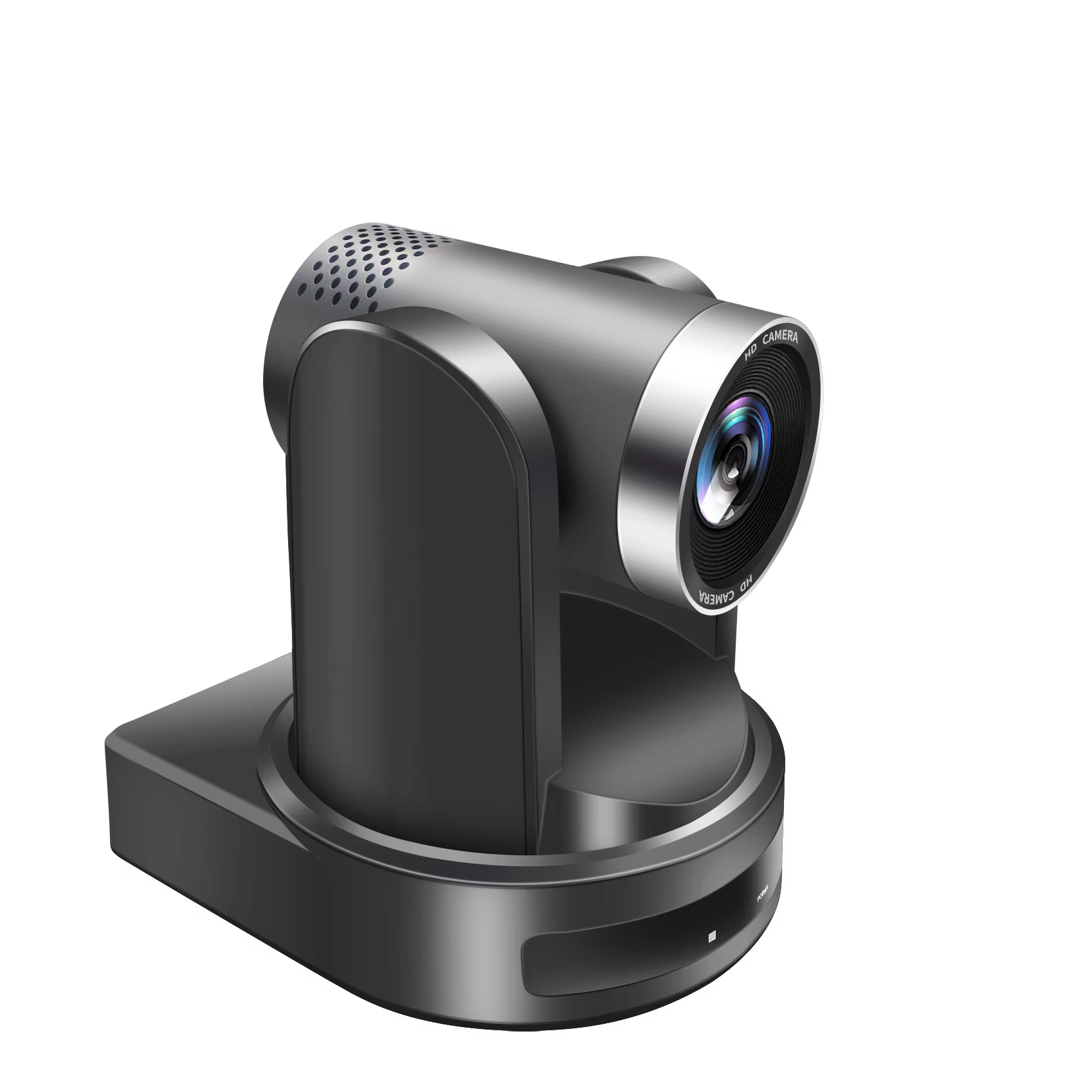
ShenMaiDi Black 4K 10X Video Conference System PTZ Camera Face Tracking
A 4K PTZ conference camera with 10x zoom, face tracking, voting function and USB interface for medium and large meeting rooms.
View Product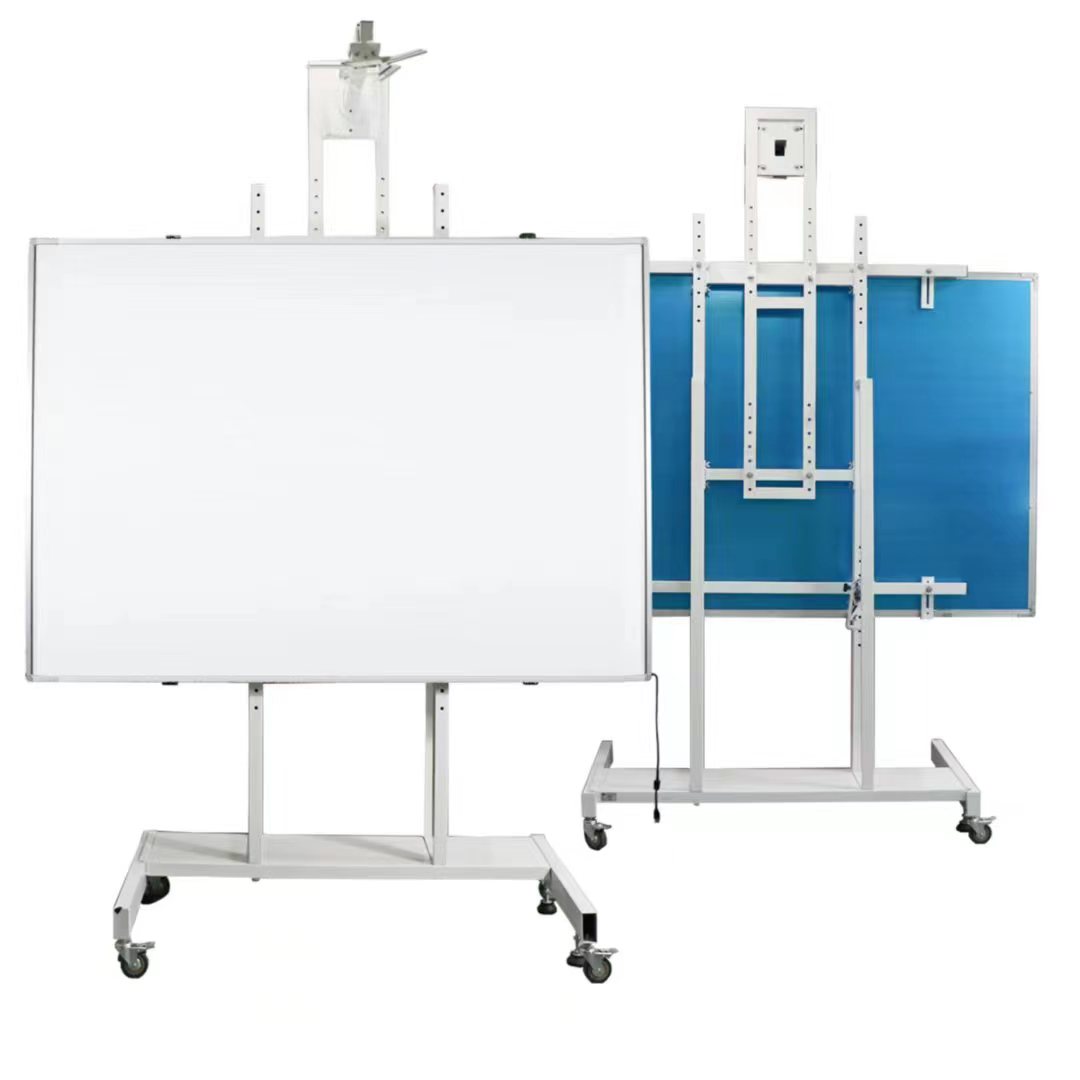
96 Low Price Interactive Metal PET Whiteboard Touch Screen Multimedia Classroom Display
A larger-format interactive whiteboard for schools and lecture spaces that need electronic multimedia presentation and dry-erase usability.
View ProductFounder experience in visualizers, cameras and teaching equipment
Production footprint in Dongguan, Guangdong
Onsite supplier assessment passed
Southeast Asia, Africa, North America and Oceania
The USB Document Scanner Is Becoming a Classroom Data-Capture Node
A whitepaper-level view for OEM buyers, wholesale distributors and project integrators who need more than a low unit price.
Custom OEM USB document scanner procurement has changed. In the past, a wholesaler could compare lens resolution and price per unit and make a decision. Today, education buyers, corporate AV teams, tender consultants and system integrators evaluate a document camera as part of a wider capture, display and audio workflow. The USB document scanner must work with classroom software, visualizers, interactive whiteboards, lecture capture platforms, OCR tools and video conferencing systems. It must also be easy to brand, certify and service in different markets. That shift is why a factory assessment should begin with deeper questions: can the supplier control image tuning, firmware, SDK access, packaging and after-sales documentation? Can it supply adjacent room hardware without creating a second quality system?
From a strategic sourcing perspective, the useful information gain is not another generic list of specifications. It is a clear view of how an OEM factory's engineering and quality choices affect total cost, deployment risk and lifecycle support. A 16MP sensor can look impressive on a quotation sheet, but the buying decision is influenced by frame rate, autofocus behavior, image processing latency, light handling, UVC compatibility and the availability of firmware updates. For a tender project, the difference between an acceptable visualizer and a troublesome one often appears after installation, when teachers use curved books, handwritten notes, glossy pages and mixed indoor lighting every day.
Shenzhen Kawelo Electronic Technology Co., Ltd. is positioned around that practical reality. Founded in 2019, the company has an experienced founder with 18 years in visualizers, cameras and teaching equipment. Its production base in Dongguan, Guangdong, covers up to 3,000 m² and has passed an SGS onsite supplier assessment. R&D, firmware flashing, assembly, quality control and packing are handled in-house. The company operates as a manufacturer with an integrated trading function, supports OEM, design service and buyer-label production, and serves Southeast Asia, Africa, North America and Oceania. Those capabilities matter because they shorten the distance between a sample request and a stable production order.
For distributors, a single verified source can simplify an entire classroom bill of materials. A document camera can be paired with an interactive whiteboard, an IR touch frame, a 50W classroom speaker or a 4K conference camera. For integrators, the advantage is fewer compatibility surprises at installation and a clearer warranty path across multiple devices. For school buyers, the benefit is a more coherent teaching station: capture at the desk, display at the front of the room, audio reinforcement for the teacher and conference capability for hybrid lessons. This is the context in which a custom OEM USB document scanner program should be evaluated.
2025–2030 Purchasing Shifts Reshaping OEM Document Camera Programs
Buyer intent is moving from isolated hardware purchases toward verified, serviceable and software-aware classroom platforms.
Consolidated BOMs and Tender Bundles
Buyers increasingly prefer one verified supplier for document cameras, interactive whiteboards, touch frames, 50W classroom audio and conference cameras. A single bill of materials reduces freight coordination, incoming inspection and supplier audits. For OEM programs, it also makes private-label packaging easier because one carton design can cover a complete classroom kit. The commercial benefit is not simply a lower unit price; it is fewer compatibility surprises at installation and a clearer warranty path when multiple devices are used together.
Software Integration and AI Readiness
Procurement teams are adding SDK availability, UVC compliance, OCR support and firmware version control to technical scoring. They ask whether the device can work without a PC, whether HDMI and Type-C outputs can serve different rooms, and how image enhancement handles shadows, curved pages and handwriting. The camera is becoming an edge device for document capture, not just a projection accessory. Suppliers that publish SDK documentation, test commands and update history will have a measurable advantage in education and enterprise bids.
Total Cost of Ownership Over Lowest Quote
Low quotations often hide costs in installation, returns and downtime. Distributors now compare warranty terms, RMA turnaround, spare parts, packaging quality and the availability of user manuals in local languages. A 1-year warranty is a baseline for many document cameras; the real question is how quickly a faulty unit can be diagnosed. Modular construction, accessible firmware and clear serial-number traceability reduce the operational cost of a mixed fleet, especially when a buyer manages several brands or multiple school districts.
Certification, Traceability and Supply Resilience
CE, RoHS, FCC and CCC requirements vary by market, buyer type and product category. Even when a model already carries certification, tenders often request test reports, label artwork and a declaration of conformity. Verified factory assessment, controlled BOM changes and pre-shipment inspection are therefore part of product strategy, not paperwork. Flexible MOQ also matters: selected models can begin from 1 unit, while whiteboard programs typically scale from around 30 units, allowing buyers to test a market before committing to a full container.
From 16MP Visual Presenter to AI-Assisted Capture Platform
The next purchasing cycle will reward factories that can balance optical performance, firmware stability and classroom usability.
Higher Resolution With Practical Optics
13MP, 16MP and 4K models will continue to serve different price bands. The meaningful difference is not resolution alone, but how the lens, sensor and image pipeline handle an A3 page, a glossy textbook or a handwritten note. Buyers should expect clearer 4K HDMI output, Type-C alternatives and SD-card capture in premium models, while 13MP and 16MP USB visualizers remain the volume choice for everyday classrooms.
OCR and AI Move Into Daily Workflow
OCR is shifting from a demonstration feature to an expected workflow: text recognition, page flattening, auto exposure, glare reduction and smarter document framing. AI-assisted capture can help a teacher present a book without manual adjustment or help an office scan forms more consistently. For OEM buyers, the key question is whether these features remain stable under different lighting, languages and software environments.
Room-Aware Connectivity
USB remains the universal connection, but HDMI, Type-C and wireless casting are increasingly requested for PC-free presentation. SDK access matters to integrators building document management, remote teaching or counter-service applications. A modern visualizer should fit into an interactive whiteboard room, a conference camera setup and a recorded lecture environment without requiring a different supplier for each connection type.
Form Factors Follow Installation Reality
Foldable portable document cameras remain popular for shared classrooms, while wall-mounted and fixed installations suit lecture podiums and training rooms. IR touch frames allow existing displays to become interactive, and all-in-one whiteboards reduce cabling. The factory that can support multiple form factors, private-label packaging and matching classroom audio is better placed to win repeat wholesale orders.
Match the Buyer Intent Before Comparing Unit Price
Use these recommendation paths to shortlist a model, then request a sample and confirm the firmware, certification and packaging requirements for your market.
A4/A3 16MP Portable USB Document Camera
A strong starting point for K-12 classrooms, online teaching and hybrid lessons. The 16MP capture area covers A4 and A3 materials, and USB plug-and-play supports laptop-based lesson delivery.
Review the model13MP Foldable USB Document Scanner
An SDK-ready, CMOS-based scanner for education projects that need a lower entry price without losing A3/A4 coverage, fast capture and smart-classroom compatibility.
Review the model86-Inch Interactive Smart Whiteboard
For schools building a complete teaching station, the MD086-B adds multi-touch interaction, dual-system computing and a metal all-in-one format that pairs well with a document camera.
Review the model4K 10X PTZ Video Conference Camera
For hybrid classrooms and boardrooms, 4K resolution, 10x zoom, face tracking and USB connectivity create a more complete room solution when paired with a document camera and display.
Review the modelWhy Kawelo Is a Practical OEM and Wholesale Partner
OEM buyers need more than a catalogue. They need a factory that can support branding, firmware, certification, packaging and repeatable production.
Manufacturer With Integrated Trading
Shenzhen Kawelo Electronic Technology Co., Ltd. is a manufacturer with an integrated trading function. Its Dongguan production site has been assessed onsite by SGS, and the company handles R&D, firmware, assembly, QC and packing in-house.
Firmware and Imaging Control
Experience across chip-level solution selection, imaging and sensing algorithms, firmware and audio tuning helps the factory respond to integration requests instead of merely shipping a standard product.
OEM, ODM and Buyer Label
OEM service, design service and buyer-label production include logo printing, custom packaging, graphic customization and firmware flashing on dedicated burning stations.
Verified Quality and Certification
The company is quality-management certified, the document camera range carries CE certification, and the factory has passed an SGS onsite supplier assessment. Selected products also reference CCC, FCC, RoHS and ISO9001 requirements.
Flexible Order Sizes
MOQ depends on the model. Selected document cameras and conference cameras can start from 1 piece, many webcams and document cameras from 4 to 5 pieces, and interactive whiteboards typically from 30 pieces.
Export-Ready Operations
Main export markets include Southeast Asia, Africa, North America and Oceania. Quotations are offered on FOB terms, with T/T payment in USD or HKD and a standard 1-year warranty on document cameras.
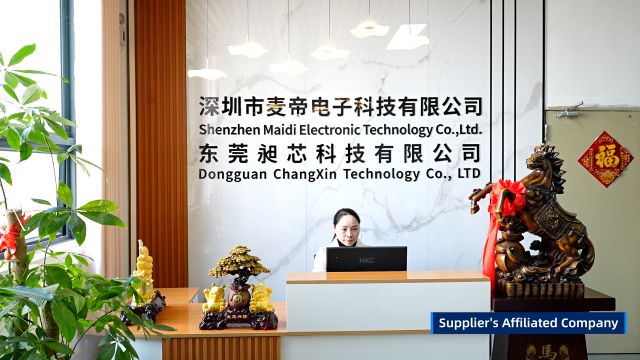
What an SGS Onsite Assessment Means for a Wholesaler
An SGS onsite supplier assessment is not a decorative badge. For a buyer, it is evidence that an independent party has reviewed the supplier's operating environment, production capability and quality-management approach. In a category where image quality, firmware consistency and packaging protection directly affect returns, that verification reduces sourcing risk.
The production route matters as much as the certificate. Incoming materials are checked against the BOM before release. Lens and sensor areas are cleaned to prevent image specks. Standard or customer-specific firmware is flashed and verified at dedicated burning stations. Mechanical and electronic assembly then moves to image, audio and function testing before export packing with optional buyer-label cartons.
Kawelo's team size is 11–50 staff, including R&D, production and sales, with annual output in the US$2.5M–US$5M range. That scale is relevant for distributors who want direct engineering communication without losing the ability to scale an order. It also supports a practical balance between standard products and custom OEM requests.
- In-house firmware flashing and verification
- Image, audio and function QC testing
- CE-certified document camera range
- SGS onsite supplier assessment
- Buyer-label packaging support
- Export packing for long-distance shipping
How to Evaluate a Custom OEM USB Document Scanner Factory
Use a structured sample and documentation process before placing a wholesale or tender order.
Answers for Overseas OEM Buyers and Wholesalers
These are the questions procurement teams ask most often before placing a first order or preparing a tender response.
Is Kawelo a manufacturer or a trading company?
What OEM and ODM customization do you offer?
What is the minimum order quantity?
Which certifications do your products and factory hold?
Do your document cameras support SDK and OCR integration?
What payment and delivery terms do you accept?
What warranty do you provide?
Which markets do you export to?
Request a Factory Quote for Your Custom OEM USB Document Scanner Program
Send your target model, quantity, destination market, certification requirements and packaging preferences. Our team can recommend matching document cameras, interactive whiteboards, touch frames, classroom audio or conference cameras and support the next sample evaluation.
Get a QuoteEmail: info@kawelotech.com · OEM / ODM · SGS Onsite-Assessed Factory · CE-Certified Document Camera Range · FOB Terms