8 Proven Products for A3 Book Scanning, Teaching & Classroom Projects
The selection below reflects the practical buying basket we see from education distributors, AV resellers and tender suppliers: document cameras for A3/A4 capture, OCR-ready scanners, classroom audio and interactive display hardware from one verified manufacturing base.
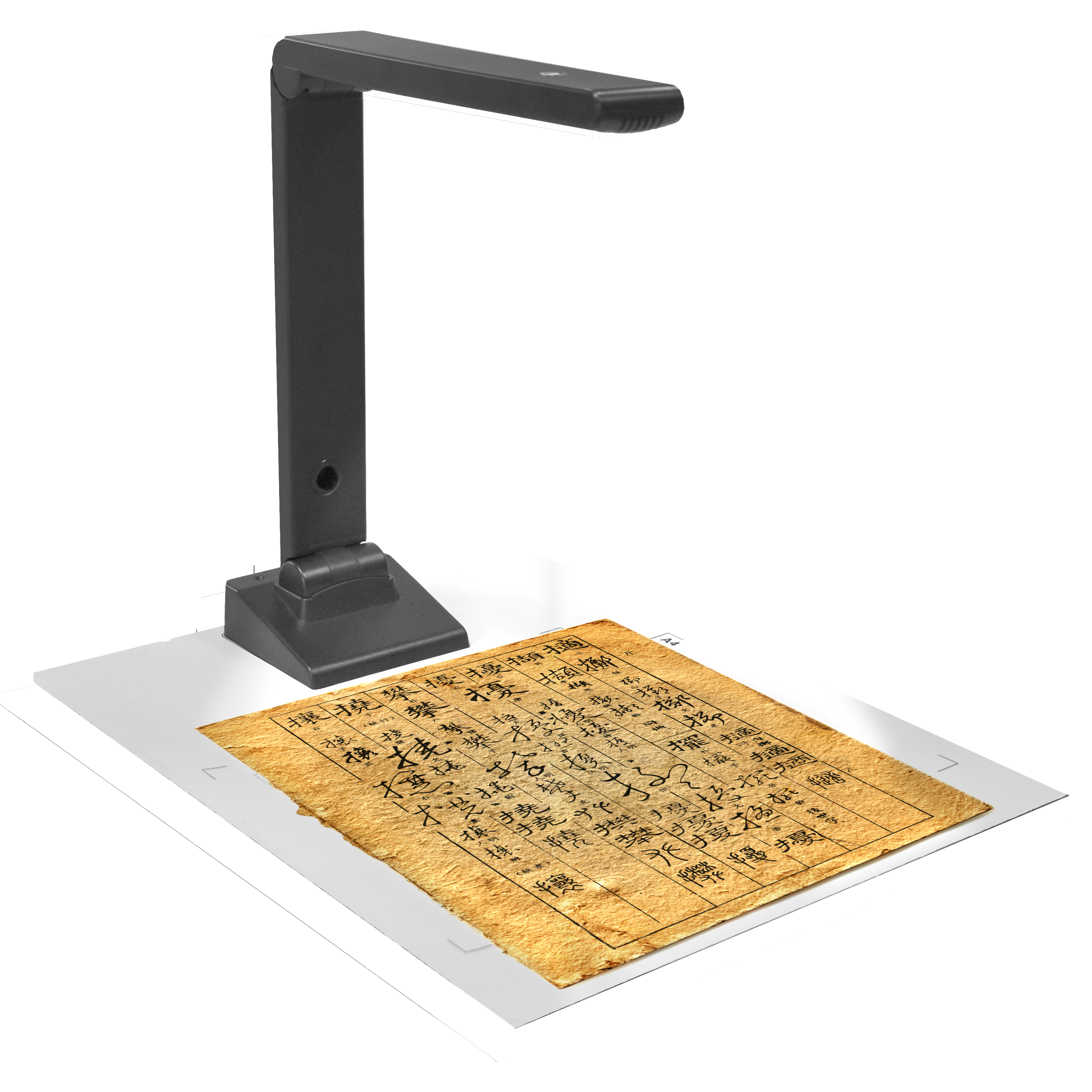
8 Megapixel Foldable USB Document Camera with LED Light & OCR
Compact book and document capture for classroom demonstration, online teaching and quick OCR-based material sharing.
View product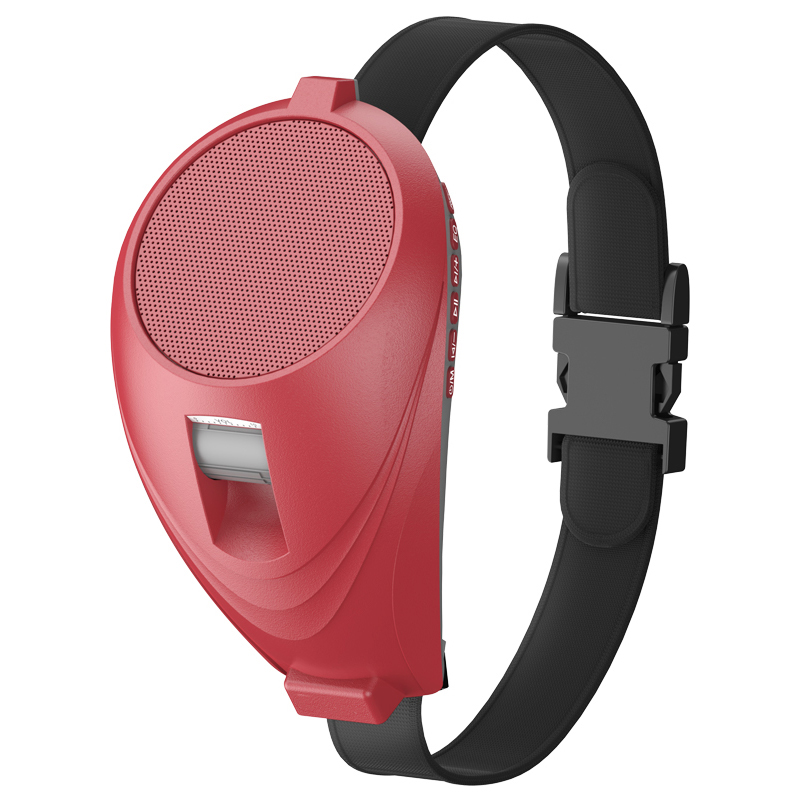
Wireless 5.0 Active Mini Megaphone Speaker with Super Bass Sound
Belt-mounted classroom audio for teachers and presenters, suitable for tender bundles with visualizers and displays.
View product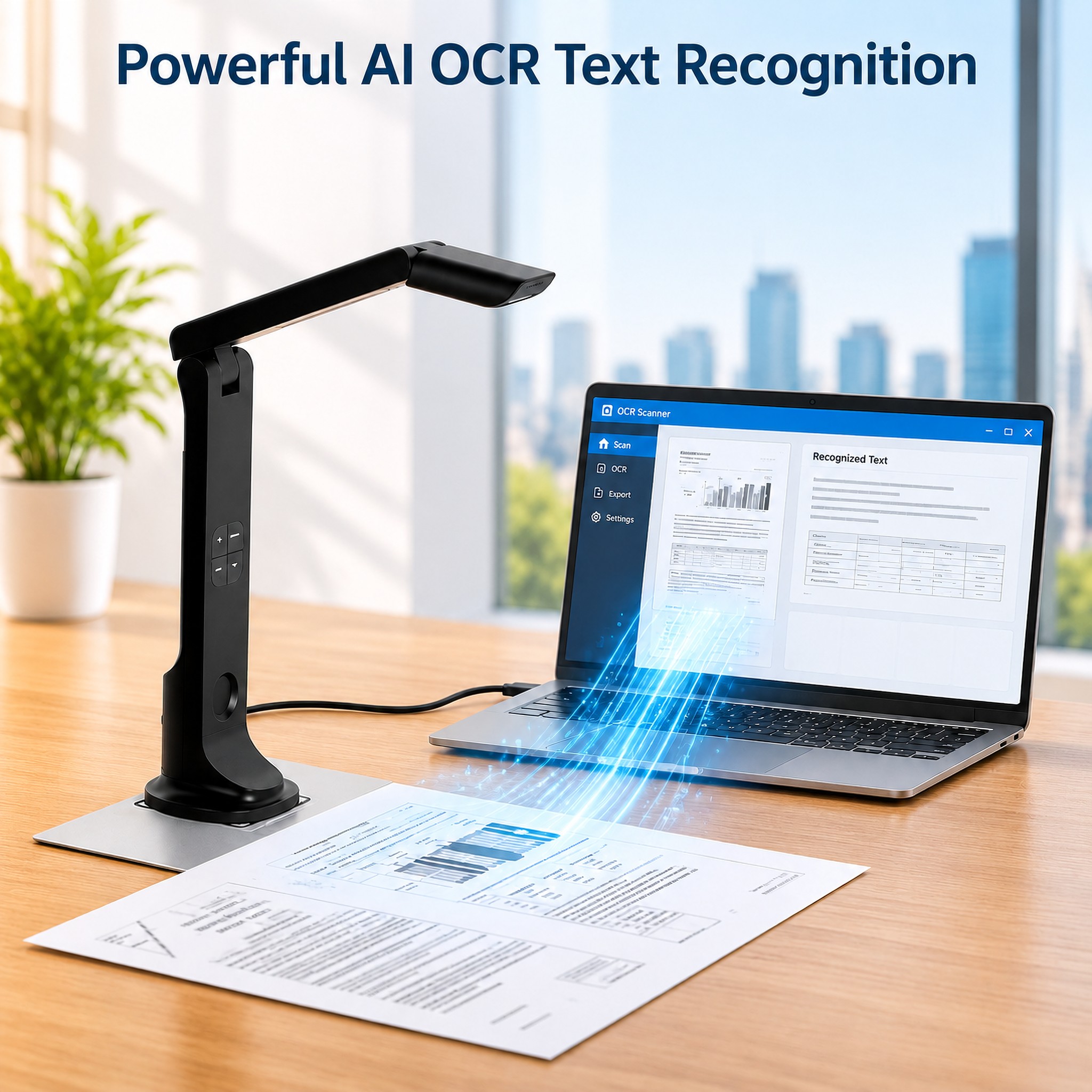
MD-16MT A3 Document Scanner 16MP CMOS USB Foldable Visual Presenter with OCR
A3 capture, 16MP CMOS imaging, LED illumination and OCR text recognition for digitisation and live teaching.
View product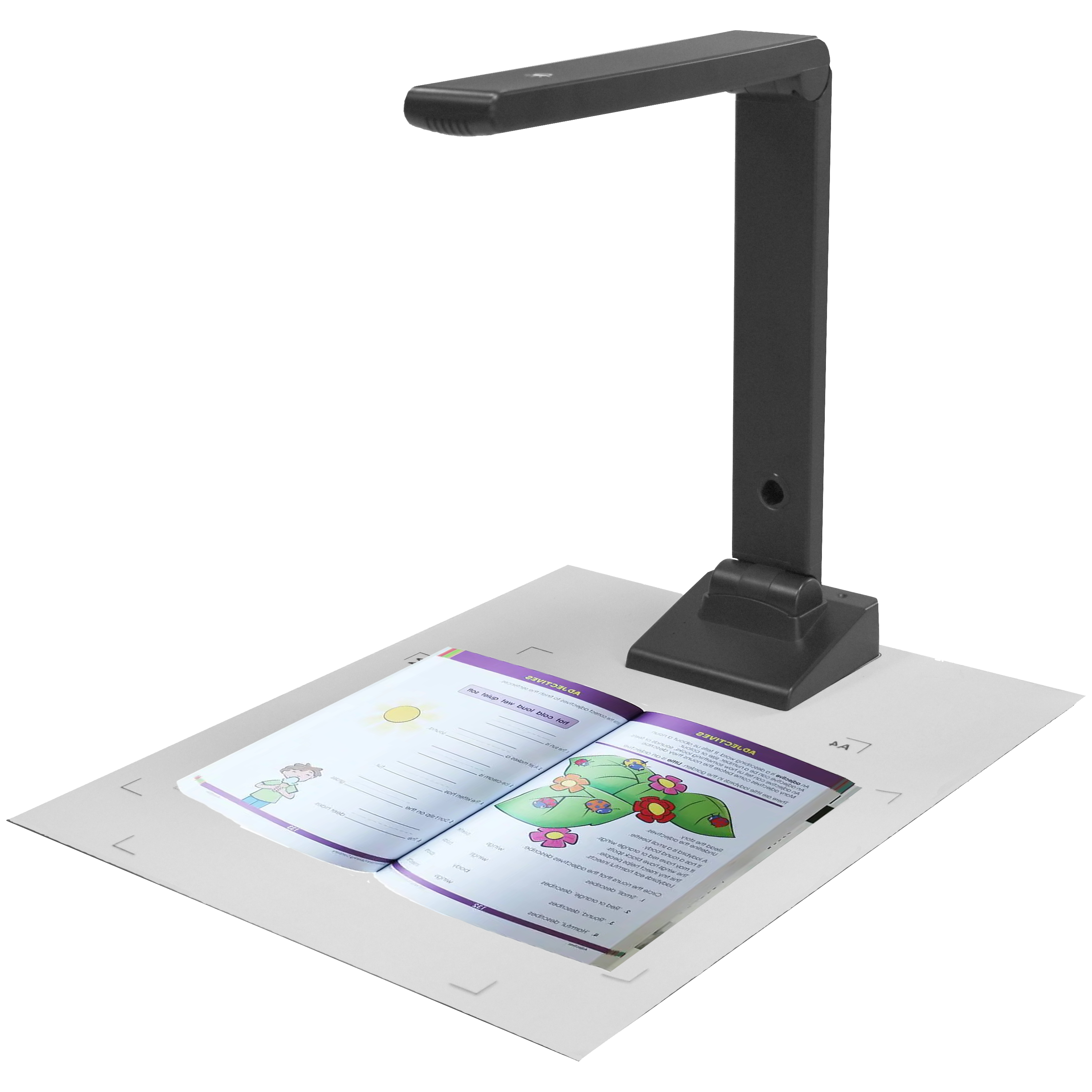
16MP A3 Document Scanner OEM Educational Visualizer Presenter with Auto Focus
Private-label A3 visual presenter for school tenders, distributor brands and customised classroom equipment programmes.
View product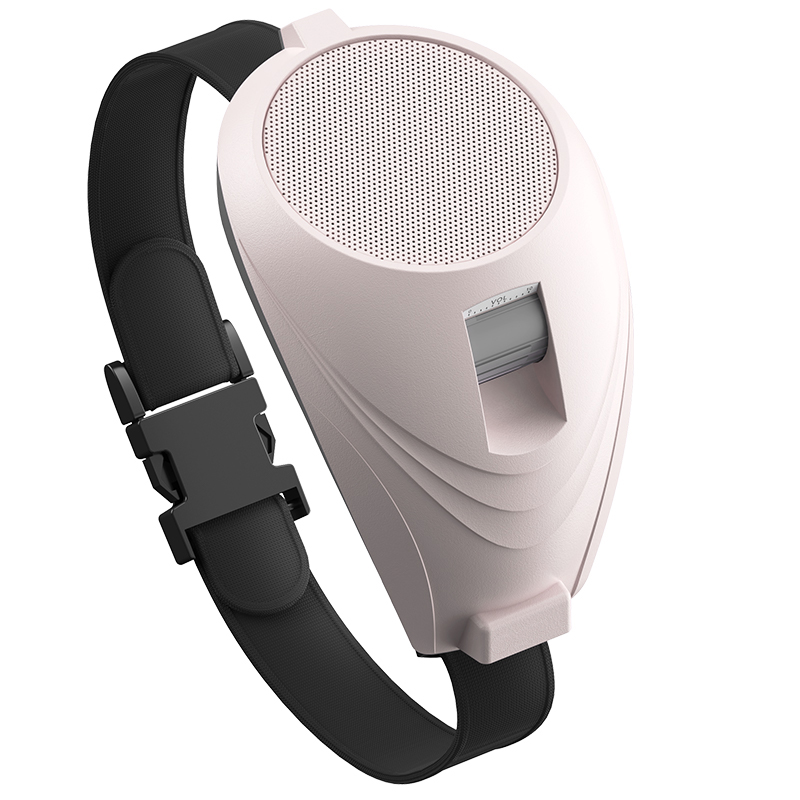
Wireless 5.0 Active Mini Portable Speaker Megaphone for Teachers
Belt-mounted voice amplification for lectures, training rooms and hybrid classrooms where clear speech matters.
View product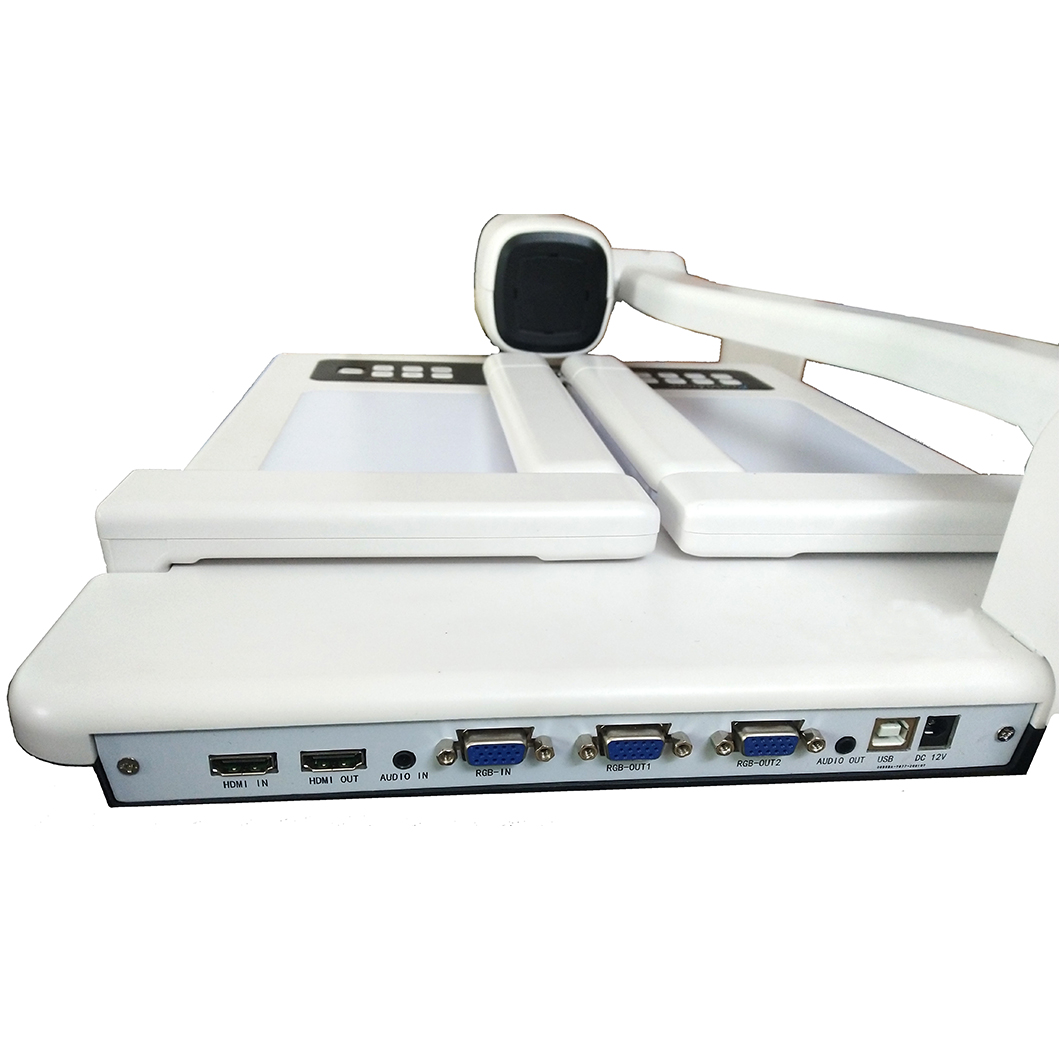
Document Optica 22X Optical Zoom Educational Visual Presenter
Designed for detailed classroom demonstration, where optical zoom and adjustable LED lighting preserve fine text and object detail.
View product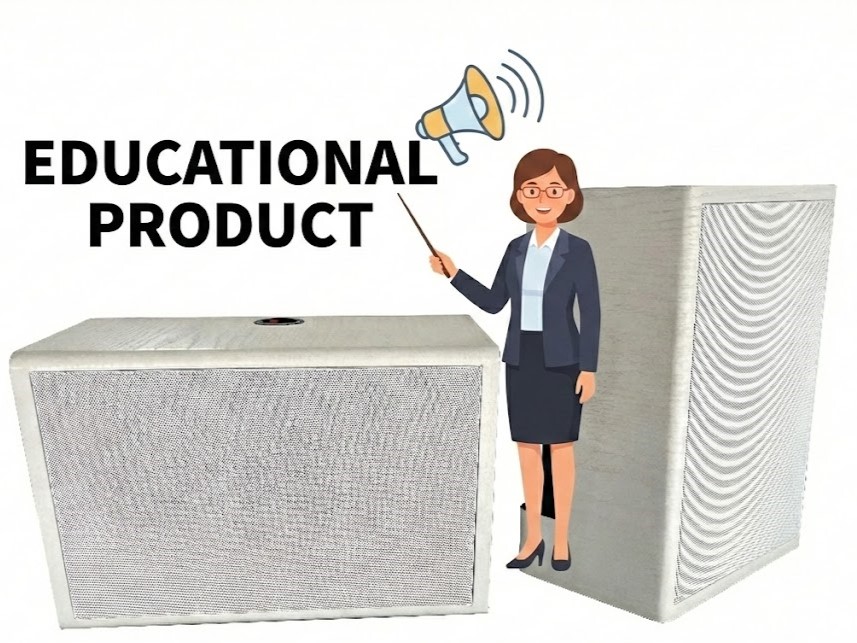
SHENMAIDI MD-S50A 50W Education Infrared Integrated Stereo Speaker Amplifier
50W classroom audio amplification with CE certification and 1-year warranty for education projects and AV rooms.
View product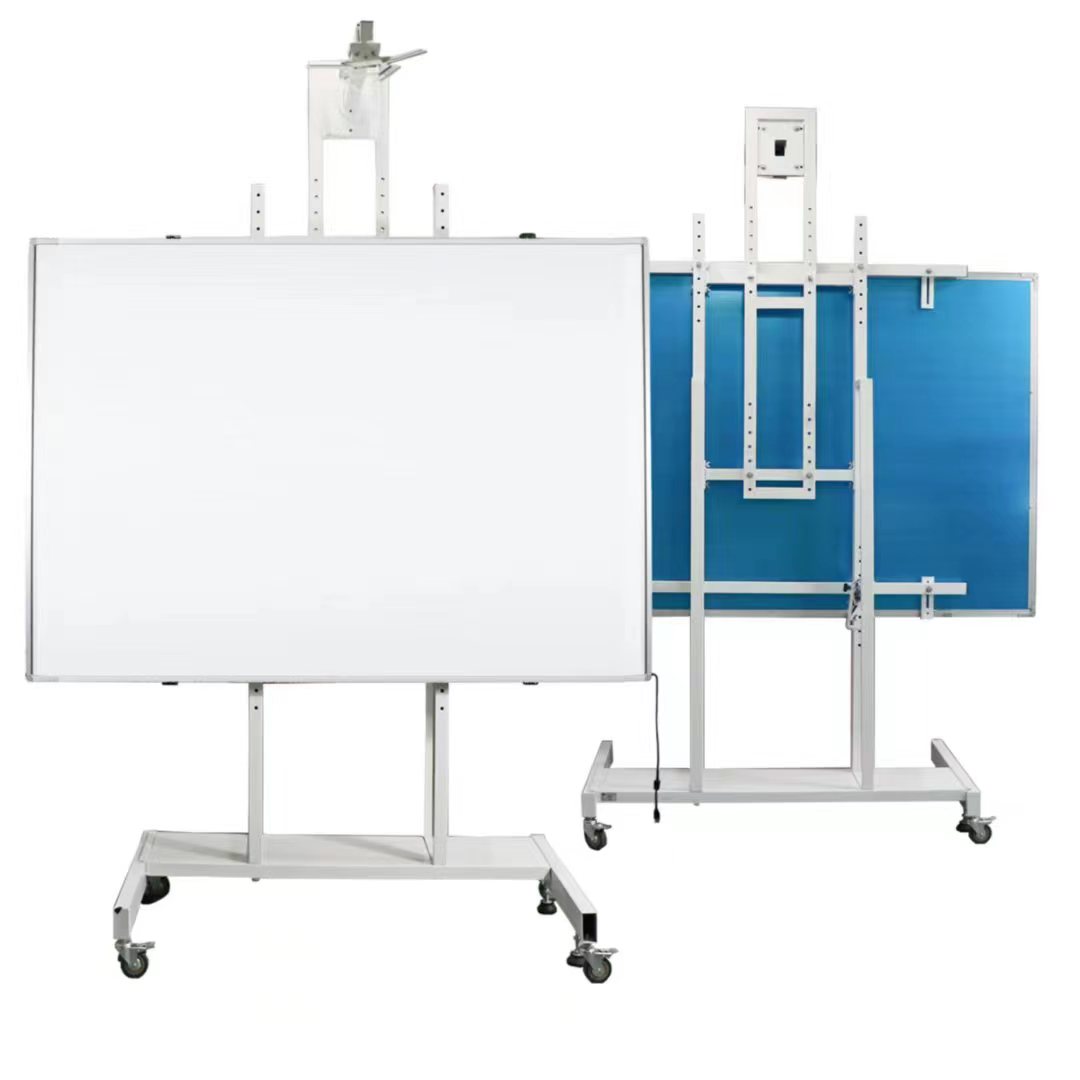
96″ Interactive Metal PET Whiteboard Multimedia Touch Screen
Large-format interactive display hardware for classroom and training-room projects when buyers bundle visual capture and touch presentation.
View productWhy A3 Capture Is Becoming a Procurement Standard, Not a Niche Feature
Buyers searching for an OEM/ODM A3 book scanner exporter are usually not purchasing a single device for one classroom. They are building a repeatable visual-capture programme for schools, universities, training centres, libraries, banks, government counters, legal archives or AV distribution. In those environments, A3 is valuable because it captures a two-page textbook spread, technical drawing, folded map, laboratory worksheet or examination paper without stitching. An A4-only visualizer may look cheaper in the quotation, but it can increase handling time, create page curvature and slow OCR because the operator must capture a spread in two passes.
For A3 book scanner exporters, the engineering challenge is not simply fitting a wider lens. A credible scanner must preserve edge sharpness, control LED glare on glossy paper, maintain colour fidelity for annotated pages and provide stable USB video for live teaching. Procurement teams should examine the real capture area at the document plane, the sensor and lens combination, firmware stability, driver behaviour and whether the OCR or SDK workflow can handle the target languages and page layouts. Kawelo approaches this category from a system level: imaging selection, firmware verification, assembly, QC and packing are handled in-house, so private-label buyers can discuss specifications without coordinating several disconnected suppliers.
Match the A3 Book Scanner to the Buying Intent
Not every A3 requirement is the same. A school may need a live teaching visualizer, an archive team may need OCR text recognition, and a distributor may need an OEM/ODM model with buyer-label packaging. Start with the job to be done, then compare optics, interface and commercial terms.
OCR-first digitisation for libraries and records rooms
Choose the MD-16MT A3 Document Scanner when the workflow is to digitise book pages, notes and departmental records. The 16MP CMOS sensor, LED illumination and OCR text recognition target a practical balance between image legibility and operator speed. Ask for sample OCR output in the languages you actually scan.
Review this scannerLive teaching, lecture capture and detailed demonstration
The Document Optica 22X optical zoom visual presenter is a stronger fit when teachers need to zoom into small text, components or science demonstration objects. Optical zoom preserves more detail than digital zoom in large rooms. Confirm the output interface required by the classroom computer, projector or display before finalising the model.
Review this visualizerOEM/ODM private-label programmes and tender supply
The 16MP A3 Document Scanner OEM educational visualizer is positioned for buyers who need buyer branding, custom packaging and tender-specific documentation. For complete classroom bundles, pair the visualizer with the 96-inch interactive whiteboard and teacher-focused portable speaker, reducing the number of suppliers involved in your project BOM.
Review this OEM model| Buyer scenario | Recommended product | Why it fits | Procurement check |
|---|---|---|---|
| Portable classroom demonstration | 8MP foldable USB document camera | Lightweight setup, LED fill light and OCR-ready capture for quick book or worksheet display. | Confirm software compatibility and request sample images from a bound book. |
| Archive and textbook digitisation | MD-16MT 16MP A3 scanner | A3 capture area, 16MP CMOS and OCR text recognition support document-heavy workflows. | Test gutter shadow, OCR language support and export format. |
| Private-label tender supply | 16MP A3 OEM educational visualizer | OEM/ODM positioning for school equipment, distributor brands and tender-specific packaging. | Confirm logo, packaging, firmware documentation and MOQ by model. |
| Large-room teaching and fine detail | 22X optical zoom document camera | Optical zoom helps presenters show small objects and fine text without moving the subject. | Verify interface, lighting controls and physical mounting for the room. |
| Complete classroom AV bundle | 96-inch interactive whiteboard with teacher speaker | One supply source for touch display hardware, voice amplification and visual capture accessories. | Check touch requirements, audio coverage and mixed-order terms. |
A3 Book Scanner Procurement Trends for 2025–2026
Search intent around A3 document cameras has shifted from basic product discovery to supplier capability evaluation. Buyers now compare OCR quality, SDK availability, firmware support, bundle flexibility and total cost of ownership before they compare FOB price.
A3 as the default for hybrid learning
Schools increasingly standardise on document cameras that can show textbook spreads, handwriting and science demonstrations without pre-scanning. The procurement intent has shifted from “a camera on a stand” to “a teaching capture station” with LED lighting, auto-focus, OCR and software integration.
OCR and SDK checks before price negotiation
Buyers now ask for OCR language coverage, PDF export, image enhancement, driver stability and SDK access. For system integrators, SDK availability can decide whether an A3 book scanner fits an existing document-management platform. Suppliers able to explain firmware support and integration limits reduce project risk.
USB, HDMI and PC-free presenting
Hybrid classrooms combine USB for computer-based lesson capture and direct video output for PC-free presentation. Exporters that explain interface choices clearly help buyers avoid a model that needs a computer every time a teacher wants to display a page. Interface flexibility is becoming a tender requirement, not a premium extra.
Bundle purchasing and total cost of ownership
Procurement teams are consolidating visualizers, interactive whiteboards, speakers and conference cameras into fewer suppliers to reduce freight complexity, compatibility testing and after-sales friction. Total cost of ownership includes sample validation, packaging, warranty handling and spare-unit planning, not simply the FOB unit price.
Where the A3 Book Scanner Category Is Heading
For exporters and OEM buyers, the next competitive gap will be less about posting a specification list and more about proving application reliability. Buyers want evidence: sample images, OCR output, firmware control and a production route that can support repeat orders.
AI-assisted image clean-up
Edge detection, shadow removal, text enhancement and automatic page correction are becoming expectations in document-capture workflows. The key procurement question will be whether these features run on-device, in bundled software or through an SDK, because each option changes deployment and support requirements.
Higher-resolution, lower-latency pipelines
4K and high-frame-rate capture continue to enter education and conference room projects, but optical quality remains more important than resolution alone. A well-matched 16MP A3 scanner with a stable USB pipeline can outperform a higher-resolution model with poor lens sharpness, slow focus or inconsistent firmware.
Modular classroom AV ecosystems
Visual capture will increasingly be specified alongside interactive displays, voice amplification and conference cameras. Distributors benefit when these modules come from one verified supplier because accessories, packaging, warranty terms and technical communication are easier to standardise across a tender.
Private-label differentiation and firmware control
OEM/ODM buyers want more than a logo on the box. They need predictable firmware versions, documentation, packaging control and a supplier able to support repeat orders. Exporters that can explain their firmware-burning, QC and packing process will be better positioned for long-term private-label programmes.
Why Kawelo Is a Practical Partner for A3 Book Scanner Exporters
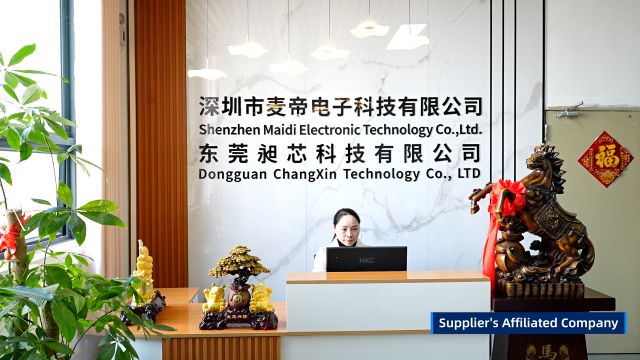
Shenzhen Kawelo Electronic Technology Co., Ltd. is a manufacturer with integrated trading functions. Founded in 2019 near the Guangming Science City high-tech park, the company combines 18 years of founder experience in visualizers and cameras with in-house R&D, firmware, assembly, QC and export packing in Dongguan.
Verified manufacturing base
Production site in Dongguan, Guangdong, assessed onsite by SGS. R&D, firmware, assembly, QC and packing are handled in-house, which supports faster technical clarification and more consistent batch production.
Chip-to-firmware engineering
From imaging solution selection to sensing algorithms, firmware flashing and audio tuning, engineering work is aligned with production. Selected document cameras support SDK integration, and OCR models target document-digitisation workflows.
OEM/ODM brand control
Support includes logo printing, custom packaging, graphic customisation and buyer-label production. Private-label buyers can discuss product branding and documentation without separating manufacturing from the brand-control process.
Certification and quality signals
The document camera range carries CE certification, the company is quality-management certified, and the factory has passed an SGS onsite supplier assessment. Document cameras carry a standard 1-year warranty.
Flexible order sizes
MOQ depends on the model: selected document cameras and conference cameras can start from 1 piece, most webcams and document cameras from 4 to 5 pieces, while interactive whiteboards typically start from 30 pieces. Sample orders help validate before scaling.
Export-ready commercial terms
Main export markets include Southeast Asia, Africa, North America and Oceania. Payment is accepted by T/T in USD or HKD, with FOB terms. Buyers can source document cameras, interactive whiteboards, conference cameras, webcams and audio from one supplier.
What a Reputable A3 Book Scanner Exporter Should Verify on the Line
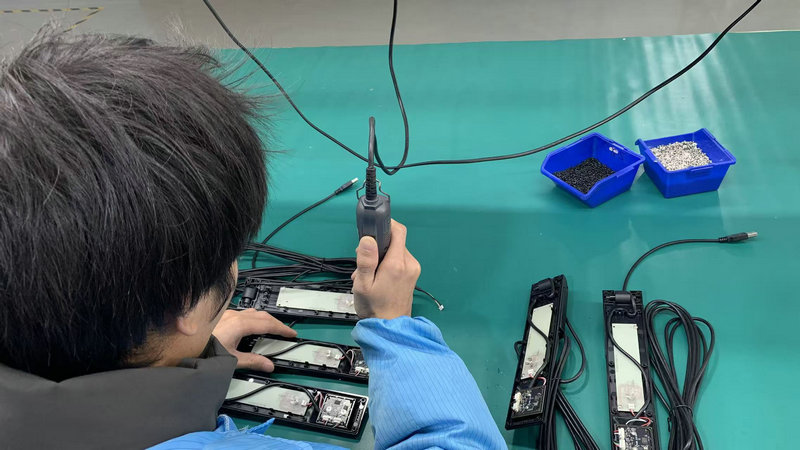
An A3 book scanner exporter that only trades finished goods may not be able to explain why one batch has a focus drift, why another has uneven LED illumination, or why a firmware update changes USB behaviour. Kawelo’s production route follows a documented sequence from incoming material to packed shipment, giving buyers a clearer basis for sample approval and repeat-order planning.
- Incoming material checks: parts checked against the bill of materials before release to production.
- Lens and sensor cleaning: optical areas cleaned to reduce image specks and rework.
- Firmware burning and verification: standard or customer-specific firmware flashed and checked in-house.
- Assembly and function testing: mechanical and electronic assembly followed by image, audio and functional checks.
- QC and aging checks: finished units tested for practical performance before packing.
- Export packing: carton packing with optional buyer-label packaging for private brands.
For tender teams, this manufacturing evidence matters because a low unit price can be consumed by failed incoming inspection, driver conflicts or replacement shipments. A factory that controls firmware and packing can respond with clearer corrective actions when a sample issue appears.
Common Questions from A3 Book Scanner Exporters and Buyers
These are the questions procurement teams ask most often before placing a sample order or requesting a tender quotation.
Is Kawelo a manufacturer or a trading company?
What OEM and ODM customisation do you offer?
What is the minimum order quantity for an A3 book scanner?
Which certifications do the products and factory hold?
Do the document cameras support SDK and OCR integration?
What payment and delivery terms are accepted?
What warranty is provided?
Which markets do you export to?
How should I validate OCR and A3 capture before ordering?
Can you supply a full classroom bundle with scanner, display and audio?
Send Your A3 Book Scanner Specification for a Factory Quotation
Share your target resolution, A3/A4 capture requirement, OCR or SDK needs, annual volume, branding requirements and destination market. Our team will recommend matching models, confirm MOQ, and outline sample, warranty and FOB terms. Email: info@kawelotech.com
SGS-assessed factory · OEM/ODM support · CE document camera range · Export packing · Education and AV project supply