OEM/ODM High Speed Document Scanner Supplier & Exporter
Source A3/A4 document cameras, OCR-ready visual presenters, interactive displays and classroom audio from an SGS-assessed manufacturer with in-house R&D, firmware, assembly, QC and export packing.
8 Product Lines for Scanner, Classroom and AV Projects
The eight products below are supplied as part of Kawelo's broader OEM/ODM capture ecosystem. For scanner projects, these models help distributors and integrators consolidate document cameras, interactive displays, audio and portable teaching hardware into one purchase order.
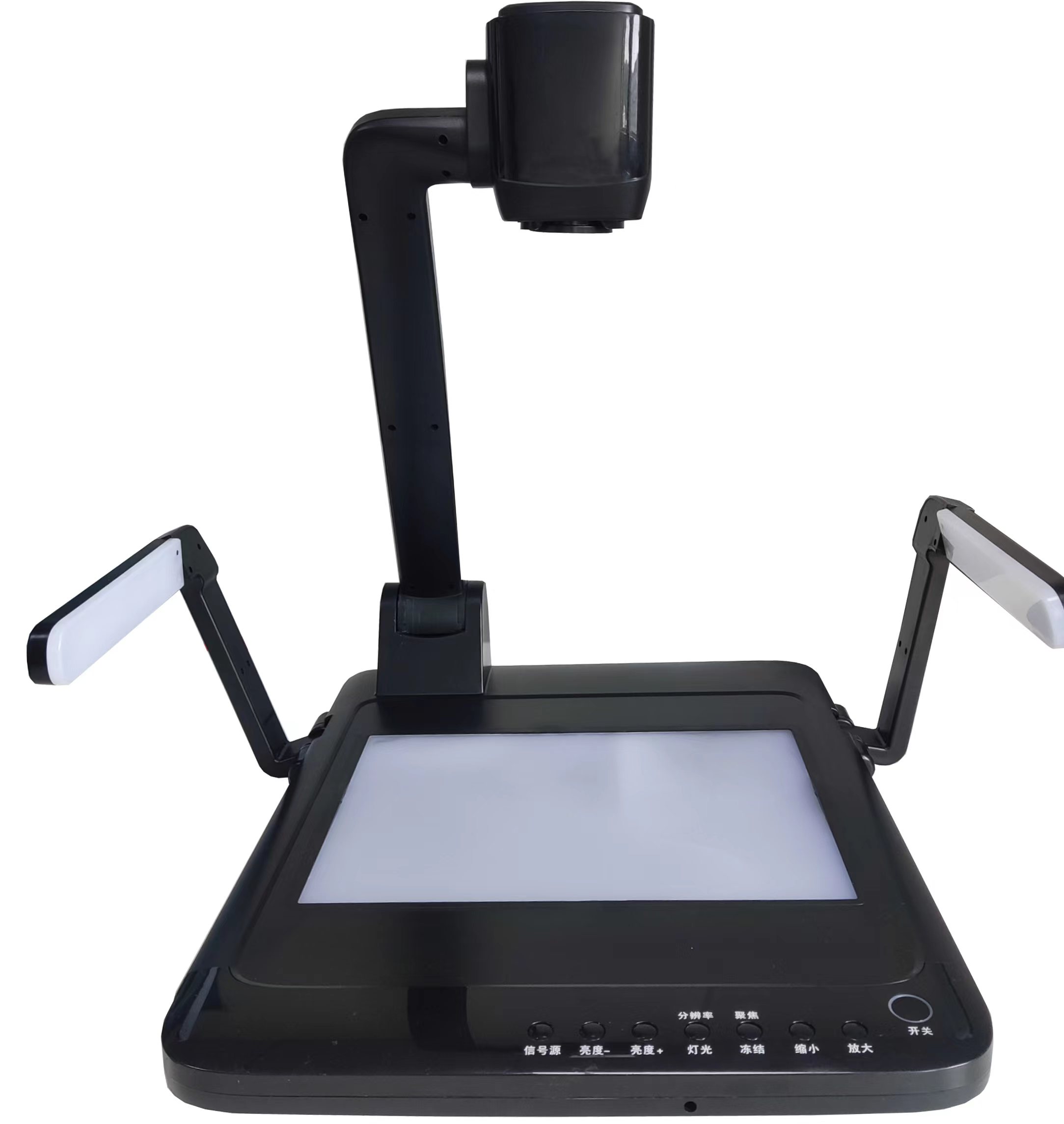
Optical Plastic Digital Projector Document Camera A3/A4 Resolution Adjustable LED Lighting Smart Classroom Teaching Education
- A3/A4
- LED lighting
- Teaching
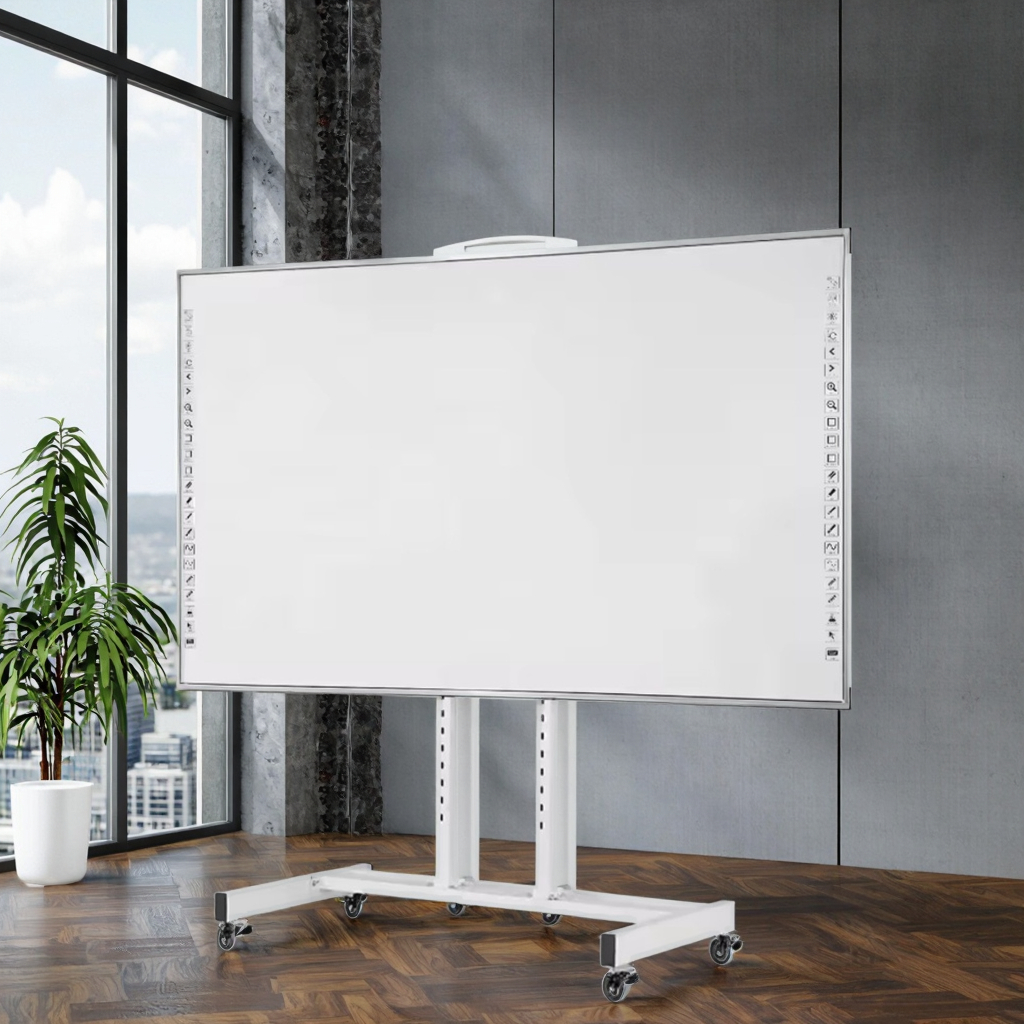
MD086-B Best Price 86-Inch Multi-Touch Interactive Smart Metal Whiteboard All-in-One for School Classrooms with Dual System
- 86-inch
- Multi-touch
- Dual system
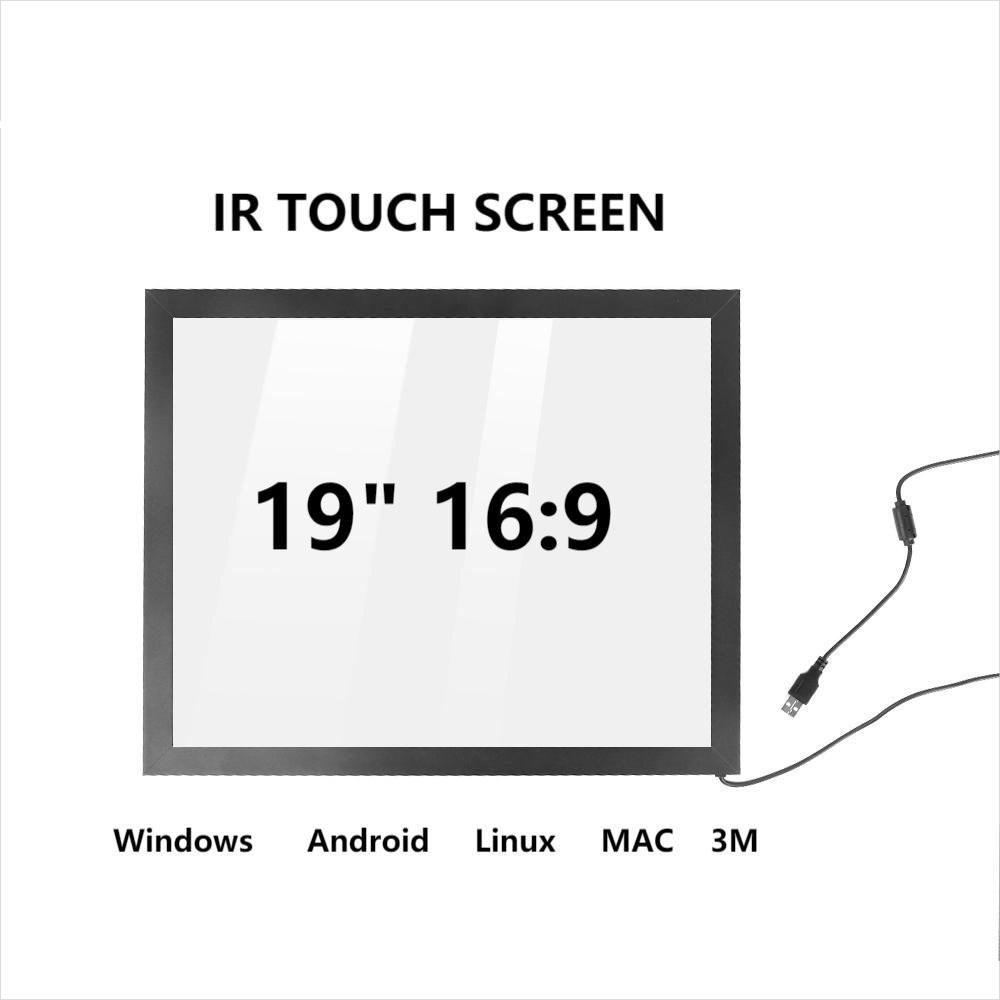
19 Inch 16:10 USB Interface Infrared Touch Frame with Glass Multi-Touch IR Touch Frame New Product
- 16:10
- USB
- Infrared
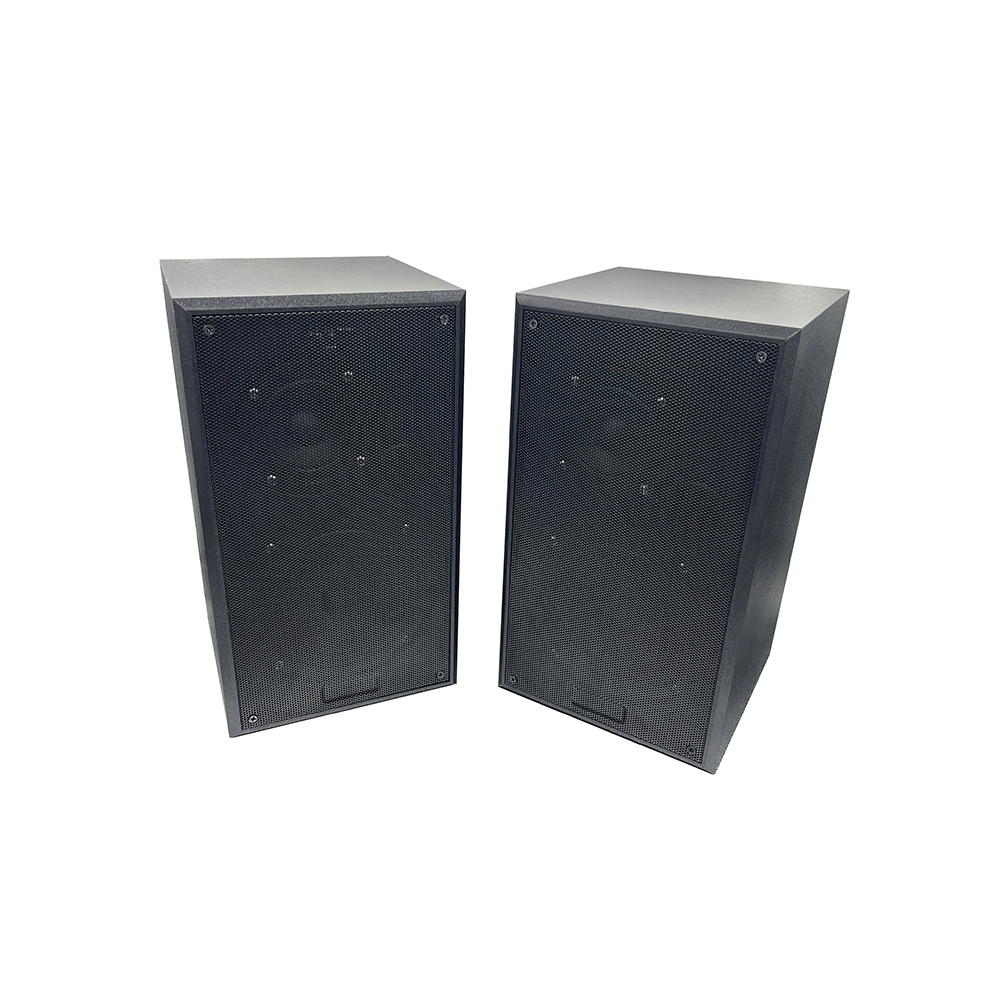
SHENMAIDI MD-S50A 50W Integrated Stereo Speaker Sound Amplifier Educational CE/CCC/FCC/ROHS/ISO9001 Certified 1 Year Warranty
- 50W
- CE/CCC
- 1-year warranty

SHENMAIDI MD-S50A School Classroom Use 50W 100W Wireless Microphone Integration Stereo Subwoofer Inwall Wall Speaker 5.25" 1
- 5.25"
- 50W/100W
- Wireless mic
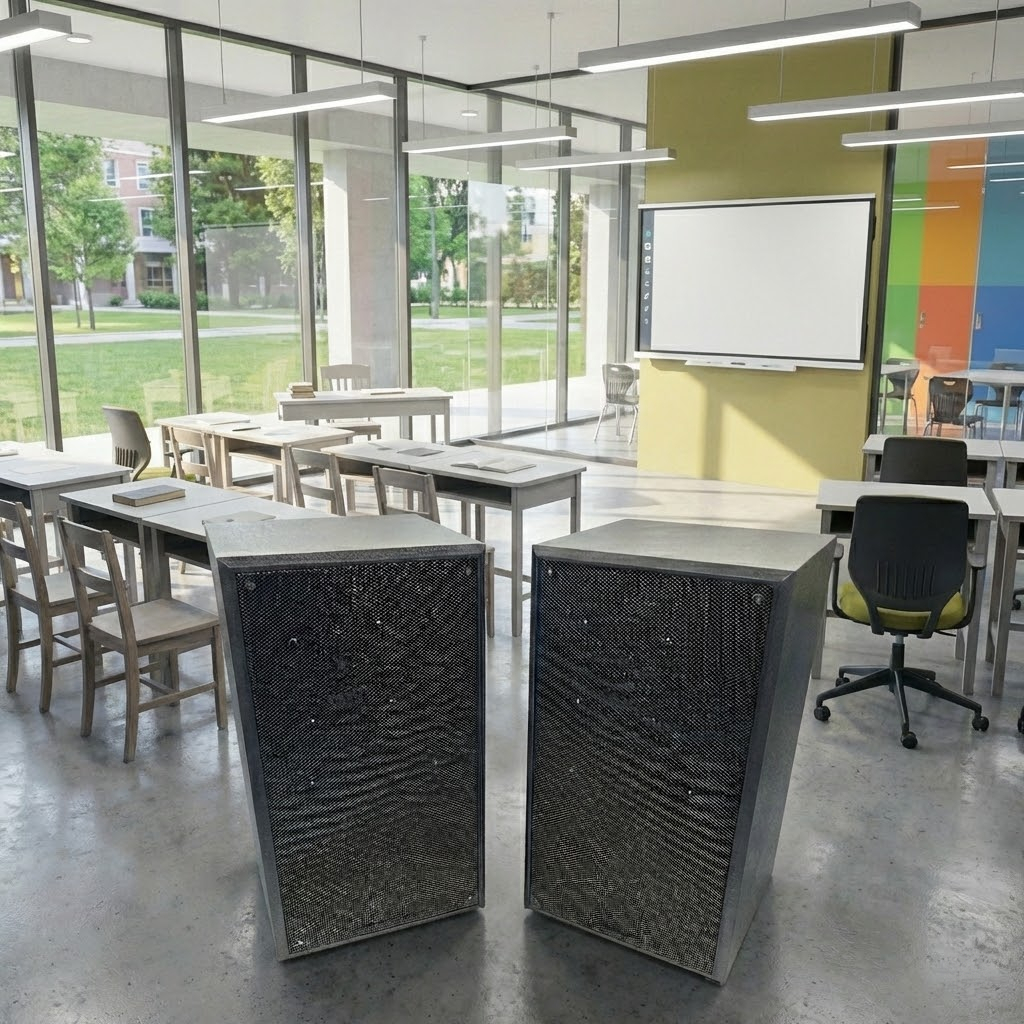
SHENMAIDI MD-S50A 50W School Classroom Infrared Integrated Stereo Speaker Sound Amplifier Educational Science Equipment CE
- Infrared
- 50W
- Education
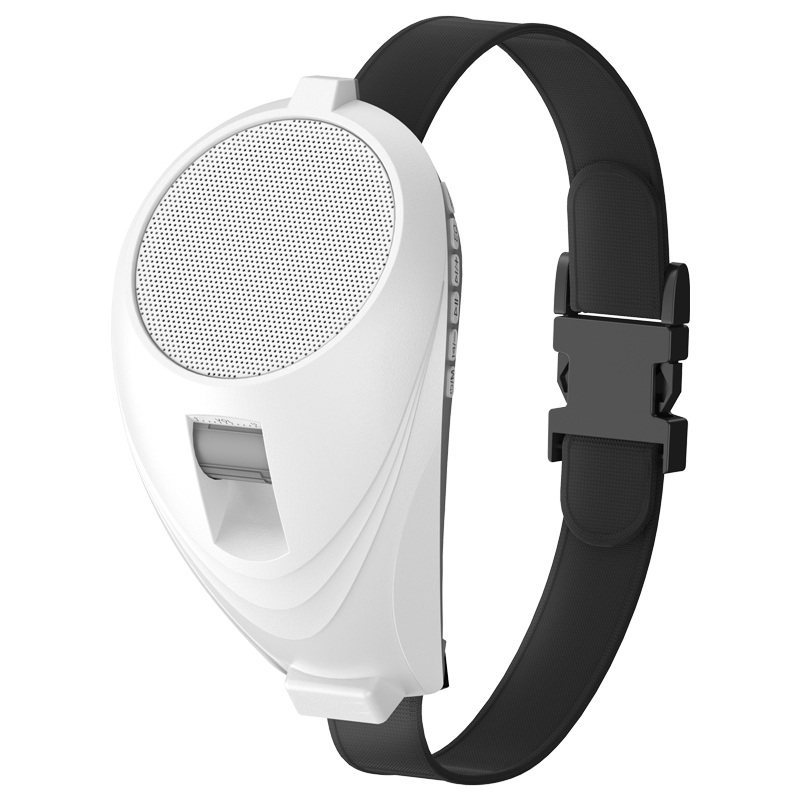
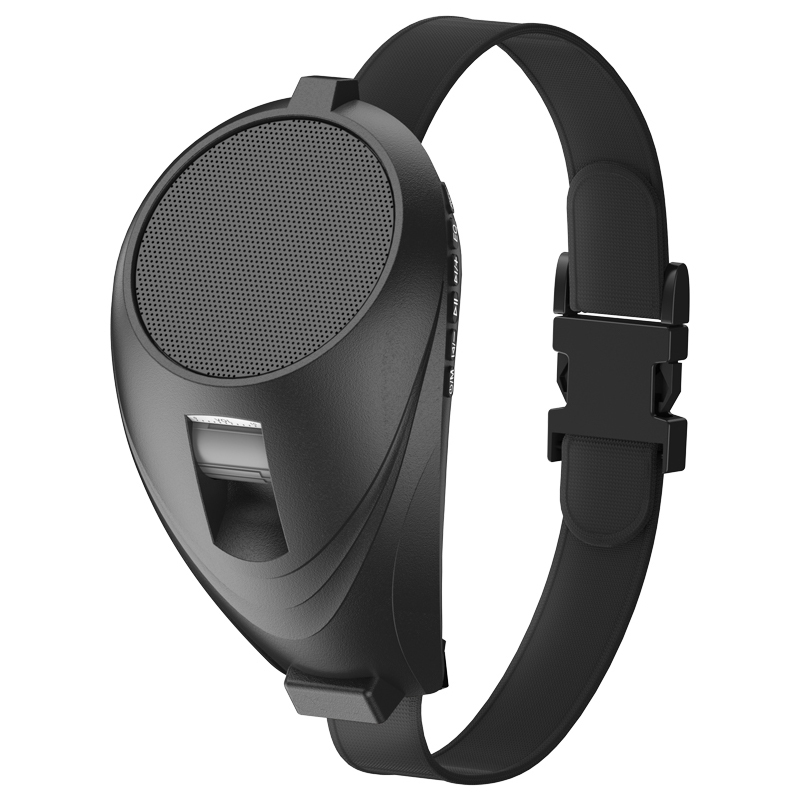
Active for 5.0 Plastic Mini Speaker Super Bass Stereo Sound Belt-Mounted Megaphone for Teachers' Speech 5000mAh Battery
- 5.0
- Super bass
- Teachers' speech
Verified Manufacturing Facts Buyers Can Check
Procurement teams need evidence before they release a sample order. These are the core capabilities behind Kawelo's OEM/ODM document scanner and classroom AV supply.
Why OEM/ODM High Speed Document Scanner Sourcing Is Changing
“High speed” is no longer a single specification on a datasheet. It is the measurable result of optics, autofocus, illumination, firmware, OCR software, USB stability and user workflow working together.
Speed Is a System Metric, Not a Sensor Claim
A high speed document scanner for education, banking, government service counters or corporate records must be evaluated as a complete capture system. Megapixels matter, but so do focus speed, glare control, document curvature handling, image edge sharpness, OCR accuracy and recovery after a paper jam or USB reconnect. In classroom deployments, the same device may be used to show a textbook page, capture handwritten notes and share a science experiment live, so lighting and color consistency become part of the purchase decision.
For OEM/ODM buyers, the hidden risk is usually not the first image on a demo table. It is the variation between the sample, the pilot batch and the repeat order. A supplier that controls firmware flashing, lens and sensor cleaning, assembly, quality control and packing can reduce that variation. That is why we recommend evaluating a scanner supplier with the same discipline used for any precision electronics supplier: request test evidence, confirm firmware control, inspect packaging, verify certification files and document the acceptance criteria before mass production.
Information Gain: Five Tests That Reveal Real Throughput
- Scan a mixed 50-page batch at 300 dpi color, including thin paper, glossy pages, bound books and wrinkled receipts.
- Measure the full cycle: placement, autofocus lock, capture, preview, OCR export and file naming, not just sensor frame rate.
- Test OCR accuracy with the buyer's actual languages, fonts, annotation styles and document layouts.
- Check edge sharpness, shadow and glare at A3 corners, especially when LED illumination is used beside a projector or window.
- Repeat disconnect and reconnect tests on the buyer's PC, interactive panel and software platform to expose driver instability.
What a Serious Supplier Should Provide
- SGS onsite assessment or equivalent factory verification, not just a trading-company introduction.
- CE documentation for the document camera range and clear quality-management credentials.
- In-house firmware burning and version control for OEM/ODM projects.
- SDK support and OCR integration guidance for selected document camera and scanner models.
- Buyer-label packaging, logo printing, graphic customization and export carton checks.
- Traceable QC records for image, audio, function and packing checks.
- Flexible MOQ options, from sample quantities on selected models to project volumes.
- Export terms that match distributor cash flow, such as FOB and T/T in USD or HKD.
| Buying scenario | Recommended configuration | Why it fits | Evidence to request |
|---|---|---|---|
| K-12 classroom | A3/A4 document camera plus 50W classroom audio | Displays textbooks, worksheets and demonstrations while improving voice clarity | Live LED glare test, audio feedback test, driver test on school PCs |
| Lecture hall | 86-inch interactive display plus visual presenter | Shared annotation, hybrid teaching and large-format content display | Touch latency, 4K output check, multi-touch accuracy |
| Bank or government counter | SDK-ready document camera with OCR workflow | Integrates into forms, records and queue systems rather than operating stand-alone | SDK sample, OCR accuracy report, long-run reconnect stability |
| Private-label distributor | OEM document camera with custom packaging | Builds brand ownership without losing control of firmware and carton quality | Logo proof, buyer-label carton sample, firmware version register |
| Complete room bundle | Scanner/camera, touch frame, display and speakers | Reduces supplier count, shipping complexity and BOM mismatch risk | BOM cross-check, certification file pack, export packing photos |
Match the Capture Workflow Before the Spec Sheet
Our sales engineers start with the place where the material is captured, the software it must feed and the people who will operate it. The model shortlist follows from those answers.
Classroom capture starter
Pair the A3/A4 document camera with the MD086-B 86-inch interactive display and a 50W classroom audio system. This is a practical bundle for schools that need document display, annotation and clear voice reinforcement in one room.
Interactive lecture room
Use the 86-inch all-in-one display with the 19-inch IR touch frame applied to existing signage or kiosk hardware. Add the MD-S50A infrared amplifier where teachers move around the room and need stable voice pickup without fixed microphone cables.
Mobile teaching and field training
For teacher-led training outside a fixed classroom, combine the belt-mounted 20W megaphone or the 5000mAh voice amplifier with the portable A3/A4 document camera. Buyers can private-label the set as a mobile teaching kit for distributors serving schools and community programs.
Procurement Trends Reshaping OEM/ODM Scanner Sourcing
Buyers are moving away from isolated product purchases toward measurable, auditable systems that can be supported after delivery. These six shifts are already visible in education, public-sector and AV distribution projects.
1. Total cost of ownership replaces lowest unit price
Procurement teams now weigh failure rates, spare-parts planning, firmware support and training time alongside the quoted unit price. A slightly higher sample cost can be justified when it reduces classroom downtime and repeat installation visits.
2. Scanner, display and audio are bundled
Schools and meeting rooms increasingly buy capture, display and sound as one package. A supplier that can ship a compatible document camera, touch display and audio system reduces the risk of mismatched adapters, drivers and warranty responsibilities.
3. SDK and IT compatibility enter the tender
Software teams want capture hardware that works with their own applications, not only with bundled software. SDK availability, driver stability, OCR output formats and firmware update policy are becoming formal evaluation criteria in bank, government and campus projects.
4. Certification evidence must be traceable
An SGS-assessed factory, CE documentation for document cameras and clear quality-management records matter more than generic marketing claims. Buyers are asking for the exact model-to-certificate match before approving a purchase order.
5. Smaller trial orders and private label coexist
Distributors want to test a model before committing to volume, while still receiving buyer-label packaging and logo customization. Suppliers that support sample-friendly MOQs and controlled private-label launches can shorten the decision cycle.
6. After-sales planning starts before shipment
Spare lenses, power adapters, remote controls, firmware files and packing lists should be planned before the container leaves the factory. Export-ready suppliers help distributors avoid a situation where the first warranty claim becomes the first conversation about spares.
Illustrative 2026 tender scorecard
Suggested weighting for a mid-size classroom or counter-capture project. This is a buyer evaluation example, not a market statistic.
What This Means for OEM/ODM Buyers
If your tender still evaluates only resolution and price, you may be selecting a product that cannot pass the buyer's real workflow. A high speed document scanner supplier should be able to explain how the device behaves when a teacher scans a glossy page, when a bank clerk captures an ID under mixed lighting or when an integrator's software requests a new image every second.
The practical answer is to request a sample evaluation protocol with pass/fail criteria. Include the document set, OCR language, PC or panel model, software version and acceptance thresholds. Then keep that protocol as the baseline for the pilot batch and the repeat order.
Get a QuoteWhere Document Capture Hardware Is Heading
The next buying cycle will reward suppliers who can connect better imaging with easier integration, not simply add more megapixels to the brochure.
16MP to 4K imaging
Higher-resolution sensors and 4K output are becoming practical for A3 capture. Buyers should still test edge sharpness and color consistency under real lighting, because headline resolution alone does not guarantee readable text at the page corners.
AI-assisted OCR and auto framing
Auto-detect, deskew, crop and OCR functions are moving closer to the device. For OEM/ODM projects, the important question is whether these features can be controlled by the buyer's software through an SDK rather than locked inside a stand-alone application.
Hybrid connectivity
USB, HDMI, Type-C, SD-card capture and wireless casting now appear in different combinations across the market. A supplier that understands which interface belongs in a PC-free lecture hall, a bank counter or a distance-learning cart can prevent expensive adapter workarounds later.
Device management and firmware lifecycle
Distributors increasingly want a clear firmware version register, update procedure and recovery path. This is especially important for private-label projects where the supplier's firmware becomes part of the buyer's brand promise and service obligation.
What Kawelo Controls In-House
Our production model is built for buyers who need more than a catalogue. The details below reflect the company capabilities and service facts published on the Kawelo website.
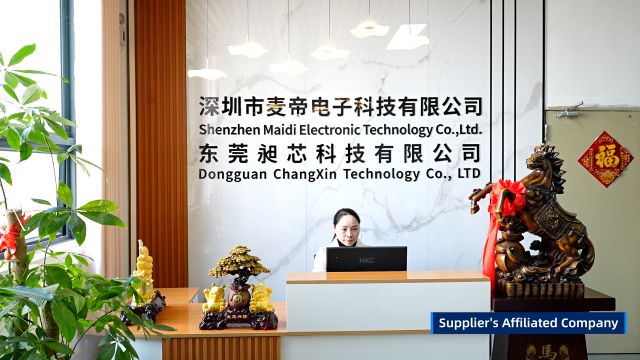
Shenzhen Kawelo Electronic Technology Co., Ltd.
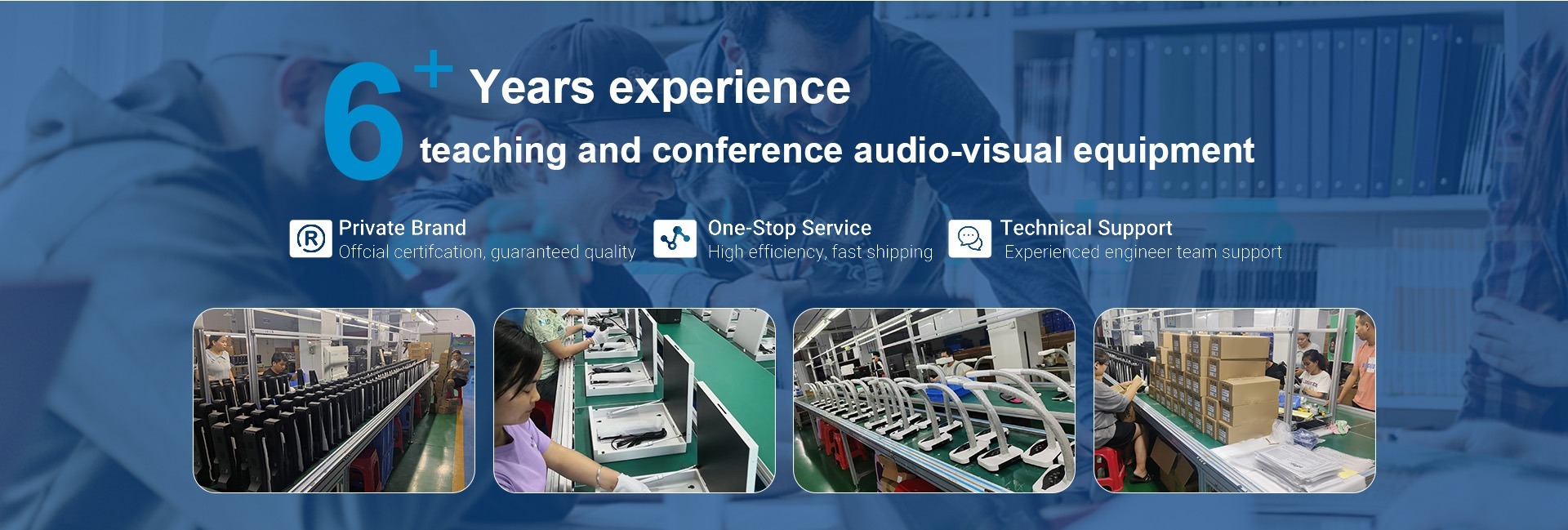
Kawelo was founded in 2019 and is located in Guangdong, China, with production operations in Dongguan. The founder has spent 18 years developing visualizers, cameras and teaching equipment, and that experience guides the company's work from chip-level solution selection through imaging and sensing algorithms, firmware, audio tuning, assembly, quality control and export packing.
The company operates as a manufacturer with an integrated trading function. Its team, production floor and annual output are sized to support OEM, design service and buyer-label production for schools, AV distributors, system integrators and public-sector projects. The factory has passed an onsite supplier assessment by SGS Group, and the document camera range carries CE certification.
- Business typeManufacturer and trading company
- Team11–50 staff including R&D, production and sales
- Production baseDongguan, Guangdong, China
- Annual outputUS$2.5 million – US$5 million
- CustomizationOEM, design service, buyer label
- Quality credentialsQuality-management certified; CE document cameras
- Export termsFOB; T/T in USD or HKD
- Main marketsSoutheast Asia, Africa, North America, Oceania
SGS-assessed production
An onsite supplier assessment by SGS Group gives procurement teams a verifiable starting point for factory due diligence and reduces sourcing risk before the first sample order.
Chip-to-firmware engineering
In-house imaging and audio algorithm work, dedicated firmware burning and SDK support for software integrators help align the hardware with the buyer's actual workflow.
Private-label speed
Logo printing, custom packaging, graphic customization and buyer-label production allow distributors to build a branded scanner or classroom AV line without carrying full design overhead.
Flexible order sizes
MOQ depends on the model. Selected document cameras and conference cameras start from 1 piece, many webcams and document cameras from 4 to 5 pieces, and interactive whiteboards typically from 30 pieces.
Complete room BOM
Document cameras, interactive displays, touch frames, conference cameras, webcams and classroom audio can be sourced from one supplier, simplifying tender preparation and shipment coordination.
Export-ready operations
Export packing, buyer-label cartons, FOB quotations and T/T payment in USD or HKD are aligned with the practical requirements of distributors in Southeast Asia, Africa, North America and Oceania.
Production Steps That Support Repeatable Quality
From incoming material inspection to firmware burning, assembly, QC and export packing, each order follows a documented production route.
 Verified factory and production floor
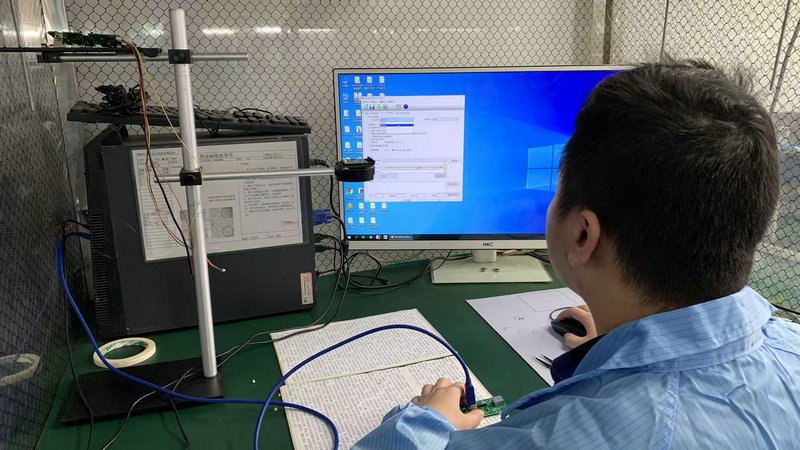 Firmware burning and version control
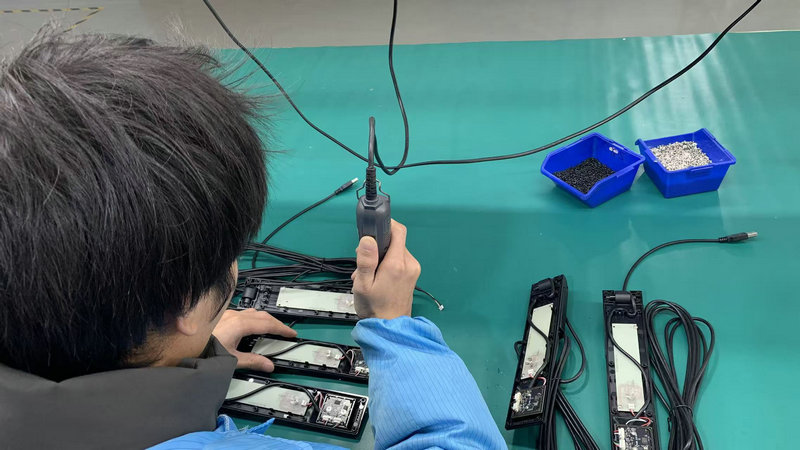 Mechanical and electronic assembly
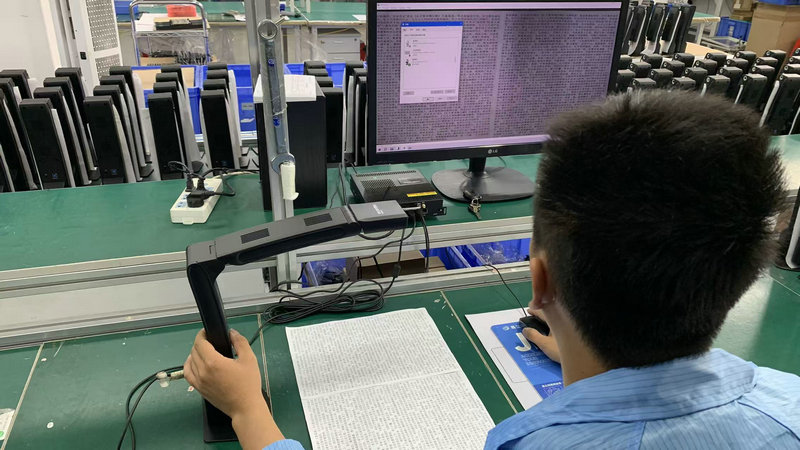 Image, audio and function QC
FAQ for OEM/ODM Document Scanner Buyers
These are the questions procurement teams ask most before approving a sample, a private-label project or a classroom bundle.
What makes a document scanner suitable for high-speed workflows?
Is Kawelo a manufacturer or a trading company?
What OEM and ODM customization do you offer?
What is the minimum order quantity?
Which certifications do your products and factory hold?
Do your document cameras support SDK and OCR integration?
What payment, delivery and warranty terms do you provide?
Which markets do you export to?
Request a Scanner and Classroom AV Specification Review
Send your quantities, target resolution, A3/A4 capture requirement, OCR or SDK needs, destination market and packaging expectation. Our team will recommend matching models, share datasheets and arrange samples for evaluation.