8 Production-Ready Classroom Camera & AV Models
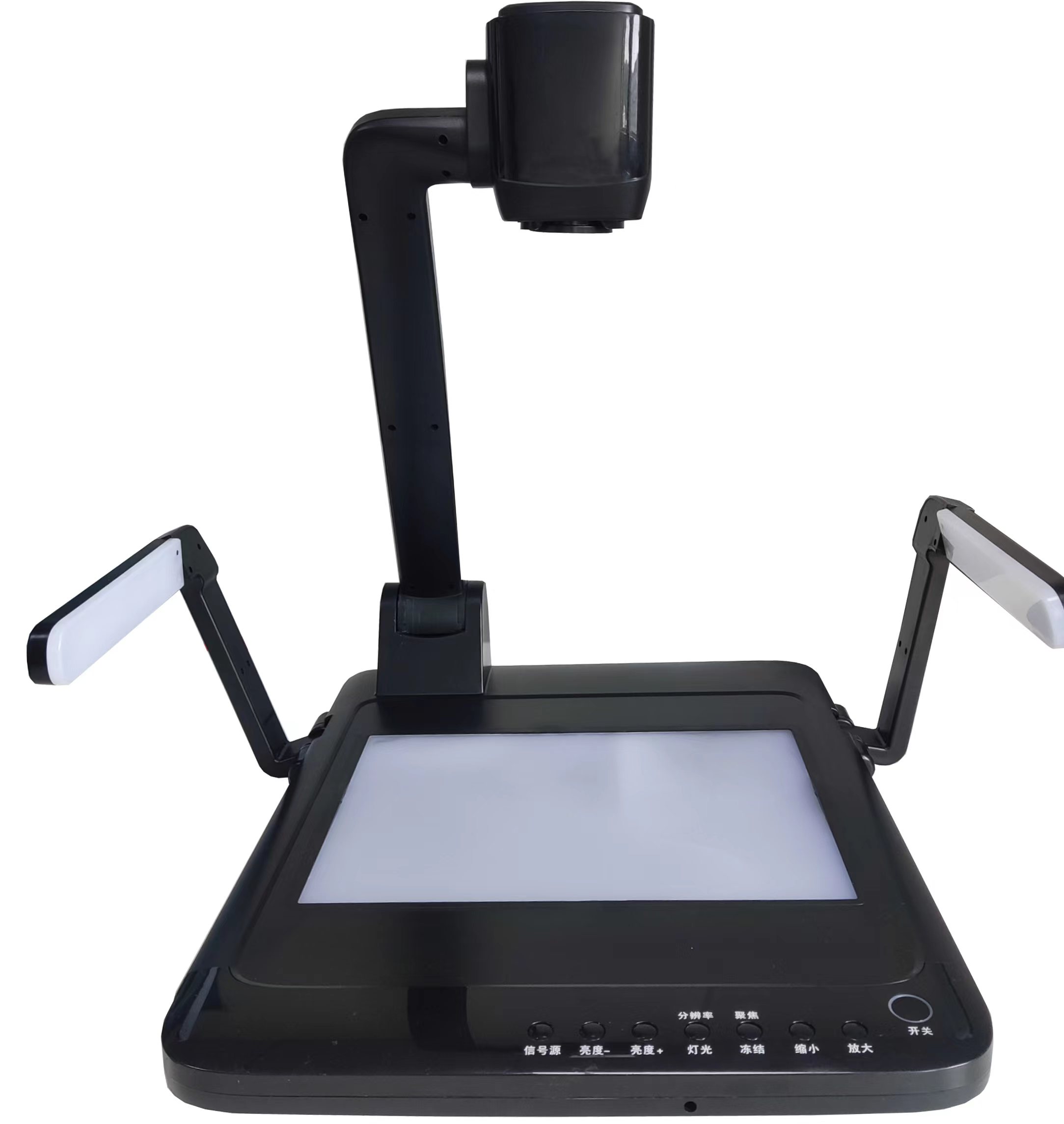
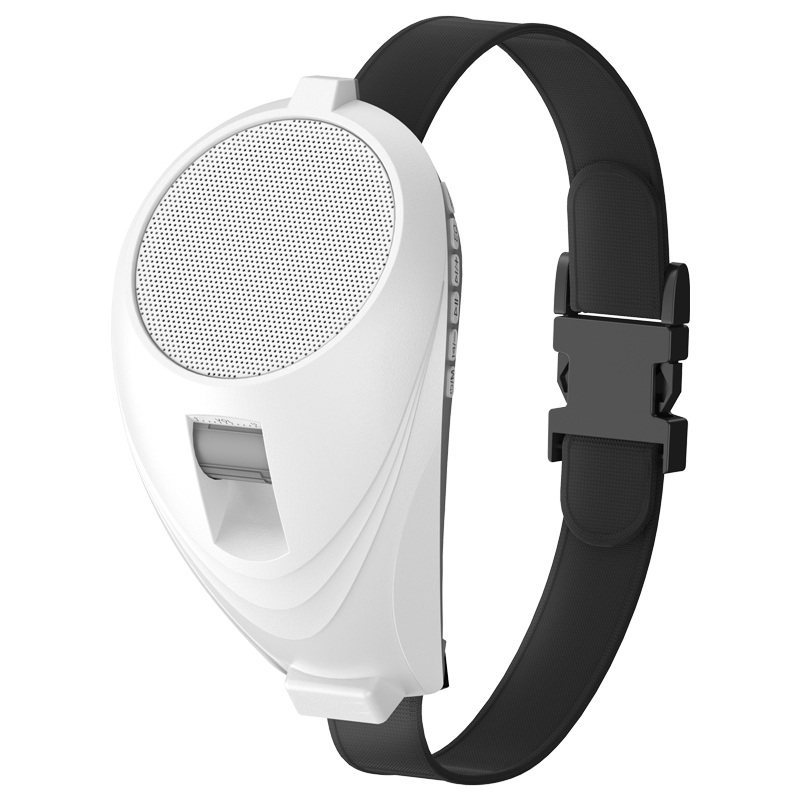
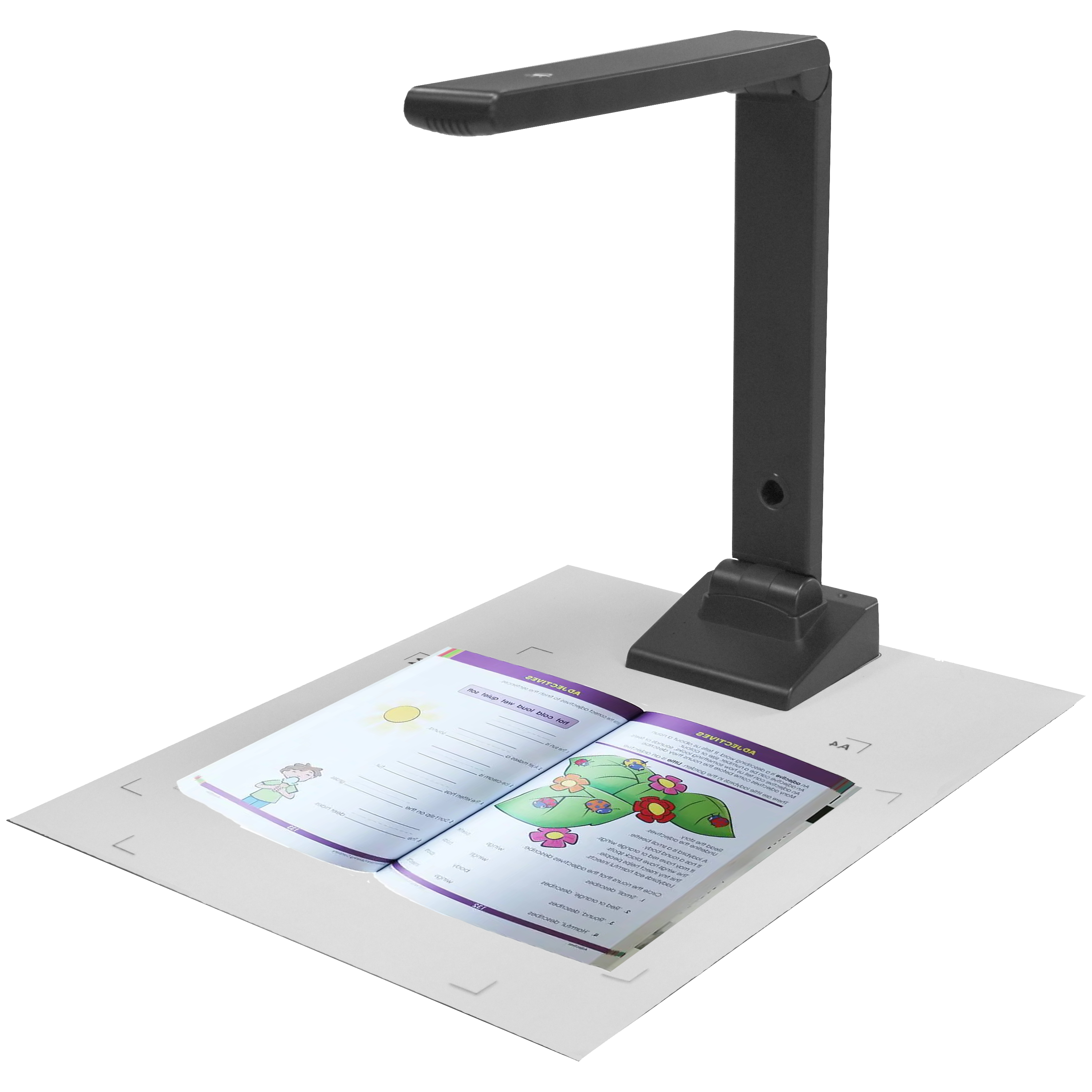
A credible Top 10 Classroom Camera Factory & Suppliers shortlist should begin with products in active production, not catalogue renderings. These eight models cover the jobs most often bundled in classroom tenders: A3/A4 visual presentation, 4K lecture capture, OCR document scanning, voice reinforcement and wireless room audio. Images are displayed in full, and product URLs are preserved for direct evaluation.

What Buyers Really Mean by “Top 10 Classroom Camera Factory & Suppliers”
This query is not a casual shopping search. In most B2B sessions, it signals a procurement team, education distributor or AV integrator trying to reduce risk before requesting samples or issuing a tender. A useful answer must therefore provide verifiable capability, not just a list of names.
Google’s search quality guidance rewards pages that demonstrate experience, expertise, authoritativeness and trust. For a classroom camera factory, that means showing production evidence, certification status, OEM/ODM depth, realistic MOQ, warranty terms and product data that matches the buyer’s actual use case. The sections below turn that intent into a practical shortlist framework.
Risk screening
Buyers compare factory identity, SGS or third-party assessment, CE status, quality management and warranty policy before they compare price.
Spec matching
They need to know whether 16MP, 4K, HDMI, Type-C, OCR or SDK support is genuinely useful for teaching, scanning or hybrid classrooms.
OEM path
Distributors and integrators want logo printing, packaging, firmware support, sample orders and a factory that can scale without losing consistency.
Ten Tests That Separate a Genuine Classroom Camera Factory from a Catalogue Reseller
Use these ten checks as a scorecard when you compare Top 10 Classroom Camera Factory & Suppliers candidates. The goal is not to find the lowest quotation; it is to find the supplier whose evidence, engineering and export process match the risk level of your project.
Factory identity
Confirm production address, floor area and whether assembly, QC and packing are in-house.
Third-party proof
Look for SGS onsite assessment, quality-management certification and CE files where relevant.
Imaging expertise
Ask who selects sensors, lenses and firmware, and whether image tuning is handled internally.
Product depth
A real classroom AV factory can explain the difference between 13MP, 16MP, 4K, OCR and SDK models.
OEM/ODM control
Check logo, packaging, buyer-label production, firmware burning and graphic customization capability.
Sample policy
Selected document cameras and conference cameras can start from one piece, which helps validate quality.
QC workflow
Ask how incoming material, lens cleaning, firmware verification, aging and final function tests are documented.
Warranty clarity
Document cameras should have a stated warranty; other ranges should be confirmed in the quotation.
Export readiness
Confirm Incoterms, currency, packing standard and main export markets before the first order.
Information gain
The best supplier gives actionable data: model comparison, test reports, deployment advice and integration notes.
Match the Classroom Camera to the Teaching or Meeting Job
Product recommendation should start with the workflow, not the sensor alone. A school that needs PC-free lecture capture has different requirements from a distributor sourcing OCR scanners for document digitization or a classroom audio bundle for voice reinforcement.
Everyday classroom display
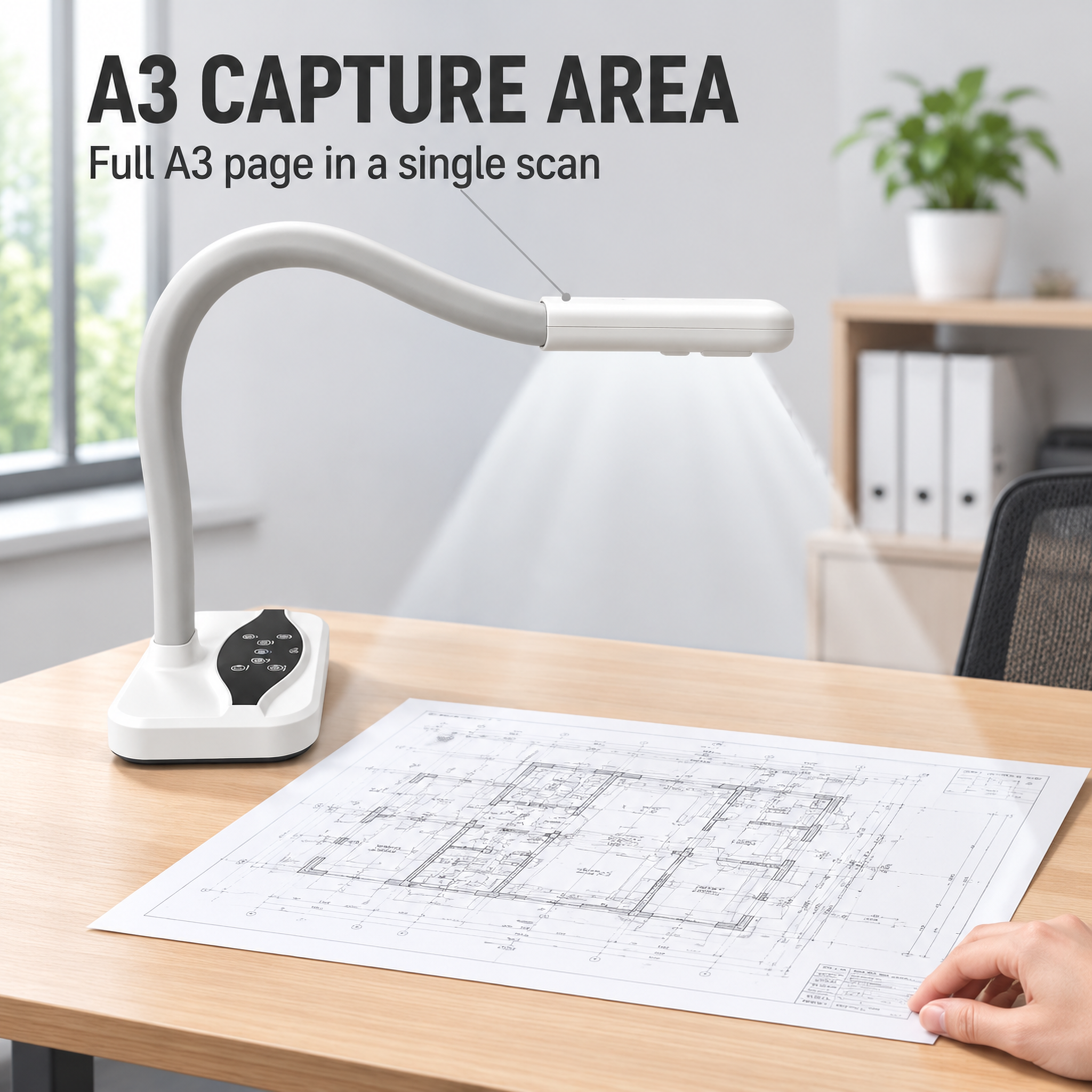
Choose a 16MP or 13MP A3/A4 visual presenter with USB plug-and-play, LED fill light and a stable foldable arm. This is the lowest-friction upgrade for teachers who need to show books, worksheets and small objects on a projector or display.
PC-free lecture capture
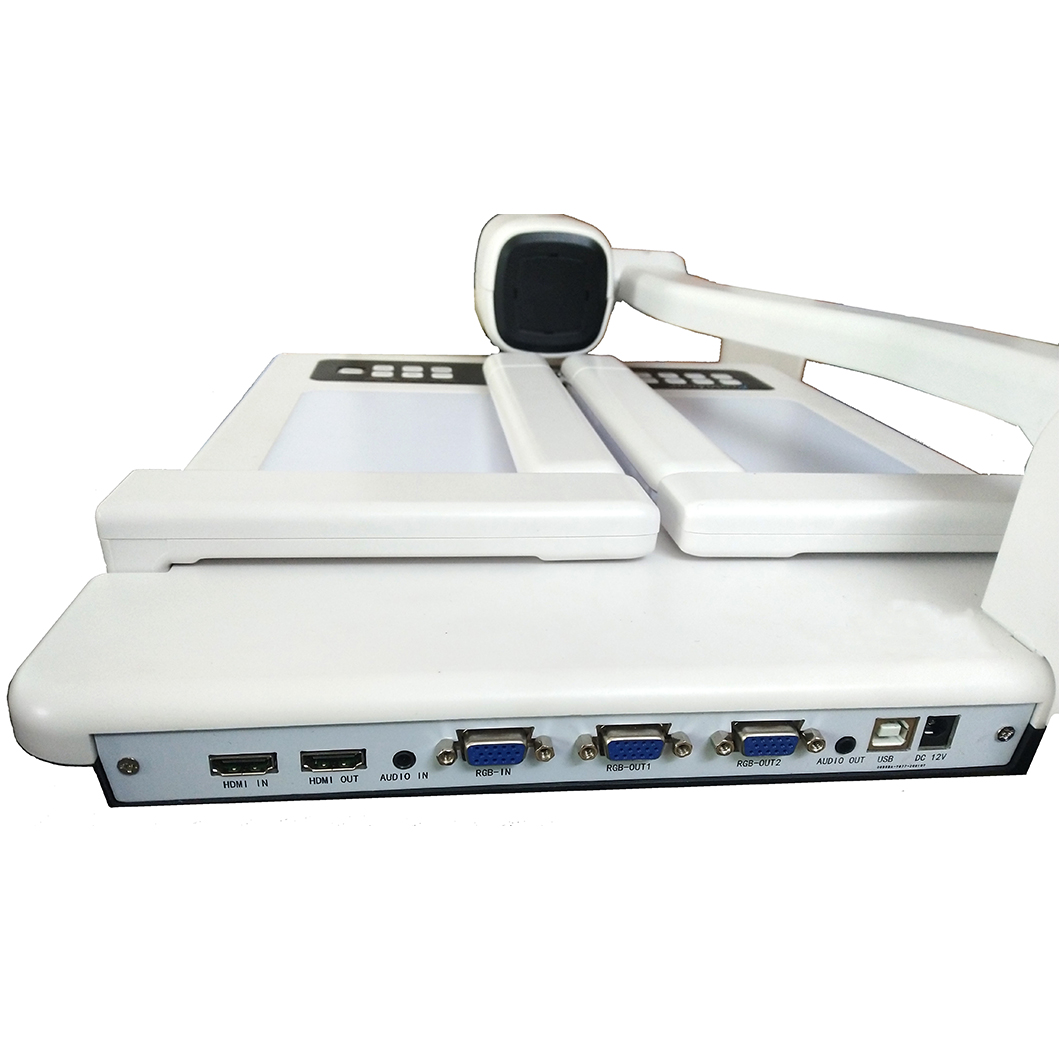
Specify a 4K document camera with HDMI output, Type-C and SD-card capture when teachers need to present without a computer. Direct output reduces setup time and avoids driver issues in shared lecture rooms.
Document digitization
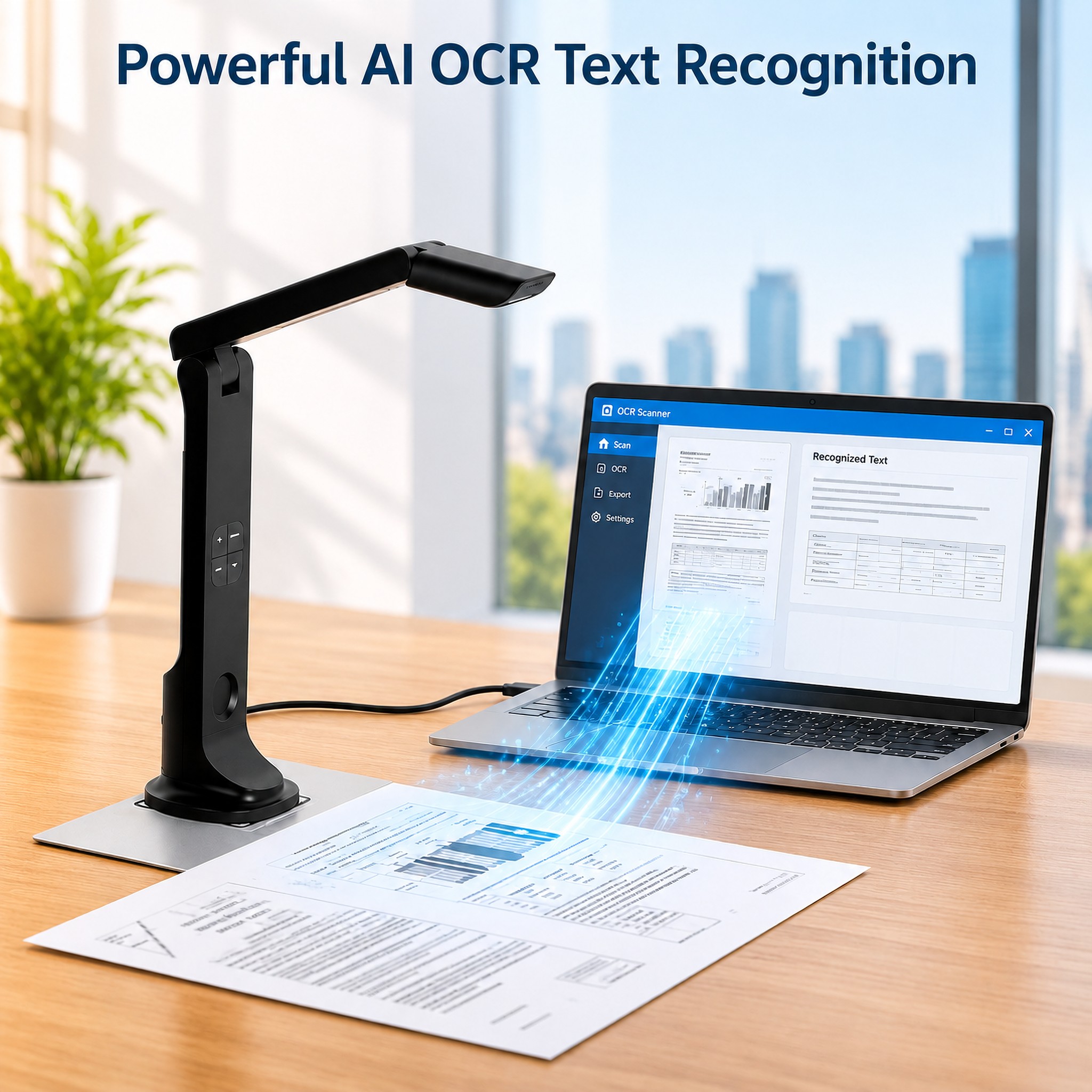
Use the MD-16MT A3 scanner or a 16MP OEM visualizer with OCR when the project involves records, books or administrative documents. Confirm SDK requirements early if the camera must integrate with custom software.
Classroom voice and audio
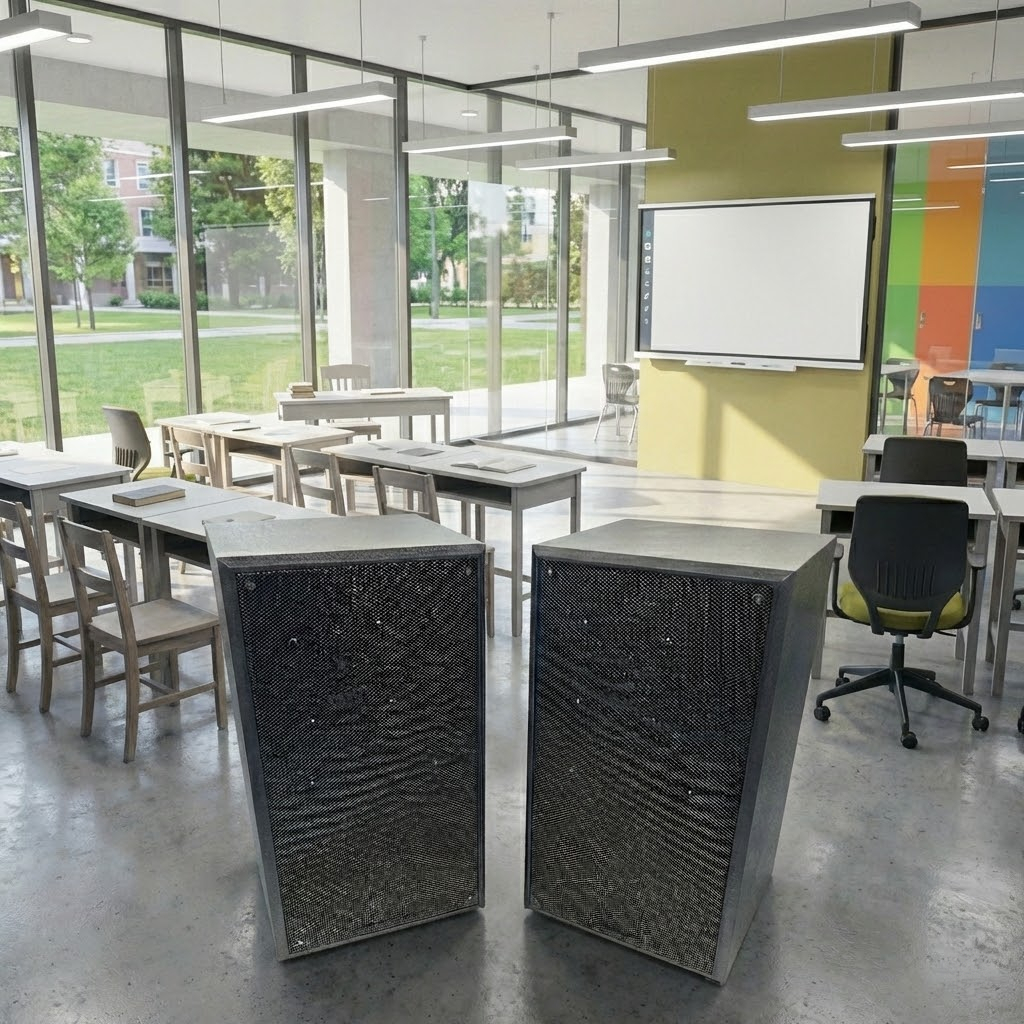
Pair the visual presenter with a 50W infrared integrated amplifier or wall-mount wireless speaker system. Audio is often the weakest part of a classroom AV bundle, and integrated sourcing reduces compatibility risk.
How Classroom Camera Procurement Is Changing
Buyers are moving away from one-device purchasing toward bundle-level decisions. The strongest suppliers will be those that can document quality, support mixed classroom environments and keep OEM flexibility without long lead times.
Tender bundles over single SKUs
Schools increasingly buy a camera, audio, display and mounting solution together. Suppliers that can coordinate a room-ready BOM reduce integration delays.
Evidence-based sourcing
Procurement teams now expect SGS assessment, CE documentation and quality-management proof before approving a factory for a pilot order.
Hybrid-ready interfaces
USB is no longer enough. HDMI, Type-C and SD-card capture are becoming selection criteria for lecture halls, training rooms and shared teaching spaces.
Faster sample validation
Distributors prefer suppliers that can ship selected samples from one piece, then scale to 4–5 pieces for most webcams and document cameras after approval.
Audio convergence
Classroom cameras are increasingly quoted with voice reinforcement. Integrated 50W audio modules and wireless microphone systems are replacing separate purchases.
Export documentation quality
Clear FOB terms, T/T in USD or HKD, warranty statements and consistent packing are becoming part of the buying decision, not an afterthought.
What the Next Classroom Camera Will Need to Deliver
Product development is converging around higher-resolution imaging, software integration and room-level deployment simplicity. The winning models will not simply add features; they will reduce the number of failure points in real classrooms.
4K as a premium baseline
4K capture is becoming the expected baseline for lecture capture and large display walls. Suppliers must tune optics and processing, not just advertise a sensor.
OCR and SDK integration
Schools, banks and government counters want document cameras that can feed software workflows. SDK support and OCR text recognition are key differentiators.
Multi-interface presenting
HDMI, Type-C, USB and SD-card capture will coexist because classrooms have mixed PC, display and network environments.
Space-saving form factors
Foldable desktop models and wall-mounted units are growing because classrooms need quick setup and secure storage without sacrificing A3 capture.
Integrated classroom audio
Camera suppliers will be expected to advise on voice reinforcement, speaker placement and microphone compatibility for hybrid teaching.
Serviceability and warranty clarity
Buyers want predictable after-sales support, replaceable accessories and clear warranty terms rather than vague “lifetime” promises.
Why Kawelo Belongs on a Serious Top 10 Shortlist
Kawelo is a manufacturer with an integrated trading function. The company was founded in 2019, and its founder has 18 years of experience in visualizers, cameras and teaching equipment. That experience is applied from chip-level solution selection through imaging algorithms, firmware, audio tuning, assembly and QC.
SGS-assessed manufacturing
The production site has been assessed onsite by SGS, giving overseas buyers a third-party reference before auditing or placing a trial order.
Chip-to-firmware engineering
R&D, firmware flashing and verification are handled in-house on dedicated burning stations, which supports OEM customization and stable production.
OEM/ODM branding control
Logo printing, custom gift boxes, graphic customization and buyer-label production help distributors build a private-label classroom AV range.
Complete classroom bundles
Document cameras, interactive whiteboards, conference cameras, webcams and audio systems can be sourced from one supplier for tender-ready kits.
Flexible order sizes
Selected document cameras and conference cameras start from one piece; most webcams and document cameras start from 4–5 pieces; whiteboards typically from 30 pieces.
Export-ready operations
Quotes are available on FOB terms with T/T payment in USD or HKD. Document cameras include a standard 1-year warranty, confirmed per order.
Manufacturing Evidence Matters More Than a Ranking Claim
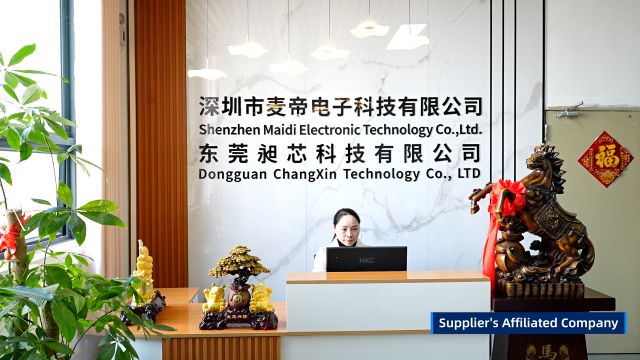
For overseas buyers, the real value of a Top 10 Classroom Camera Factory & Suppliers page is not the number ten. It is the evidence behind each shortlisted supplier. Kawelo’s production base is located in Dongguan, Guangdong, and the company’s R&D, firmware, assembly, QC and packing processes are handled in-house.
That structure is important for classroom projects because document cameras, visual presenters and audio systems are often installed in mixed environments. A supplier that understands imaging, firmware, PC-free presenting, OCR and classroom audio can reduce compatibility problems before shipment.
For tender teams, the practical next step is to request a model comparison, confirm certification documents and validate a sample against the intended teaching or meeting workflow. The catalogue should support that process, not replace it.
Get CatalogReduce Friction Before the First Purchase Order
Kawelo offers OEM service, design service and buyer-label production. For distributors and integrators, this means the supplier can support branding and packaging while keeping firmware and quality control inside the factory. For education projects, it means the product mix can be aligned to a classroom BOM rather than purchased as disconnected items.
Before requesting a quote, prepare four items: target resolution or model type, annual quantity, branding or packaging requirements, and the destination market. That information allows the sales team to recommend the right document camera, visual presenter, speaker system or bundle and confirm MOQ, lead time and warranty terms.
Frequently Asked Questions for Classroom Camera Procurement
These are the questions procurement teams, distributors and AV integrators ask most often when comparing classroom camera factories and suppliers.
Is Kawelo a manufacturer or a trading company?
Kawelo is a manufacturer with an integrated trading function. Its production site in Dongguan, Guangdong has been assessed onsite by SGS, and R&D, firmware, assembly, QC and packing are handled in-house.
What OEM and ODM customization is available?
OEM service, design service and buyer-label production are available, including logo printing, custom packaging and graphic customization. Firmware is flashed and verified in-house on dedicated burning stations.
What is the minimum order quantity?
MOQ depends on the model. Selected document cameras and conference cameras start from one piece, most webcams and document cameras from 4–5 pieces, and interactive whiteboards typically from 30 pieces.
Which certifications and assessments are relevant?
The document camera range carries CE certification, the company is quality-management certified, and the factory has passed an onsite supplier assessment by SGS Group. Confirm the exact certificate for your model and market.
Do the document cameras support SDK and OCR?
Yes, selected models support SDK integration, and the MD-16MT A3 scanner provides OCR text recognition. Share your software environment early so the correct firmware and interface can be confirmed.
What payment and delivery terms are accepted?
Kawelo accepts T/T payment in USD or HKD and quotes on FOB terms. Final commercial terms are confirmed in the quotation and order documentation.
What warranty is provided?
Document cameras come with a standard 1-year warranty. Warranty terms for other product categories should be confirmed with the sales team before the order is placed.
Which markets are served?
The main export markets are Southeast Asia, Africa, North America and Oceania. Buyers should confirm local certification, plug type, voltage and language requirements for their destination market.
Build a Defensible Shortlist for Your Next Classroom AV Project
Send your quantities, target specifications and destination market. The team can recommend matching document cameras, visual presenters, classroom audio and OEM options, then share catalogue details for evaluation.
Get Catalog