Eight Products Buyers Frequently Compare Before Requesting Samples
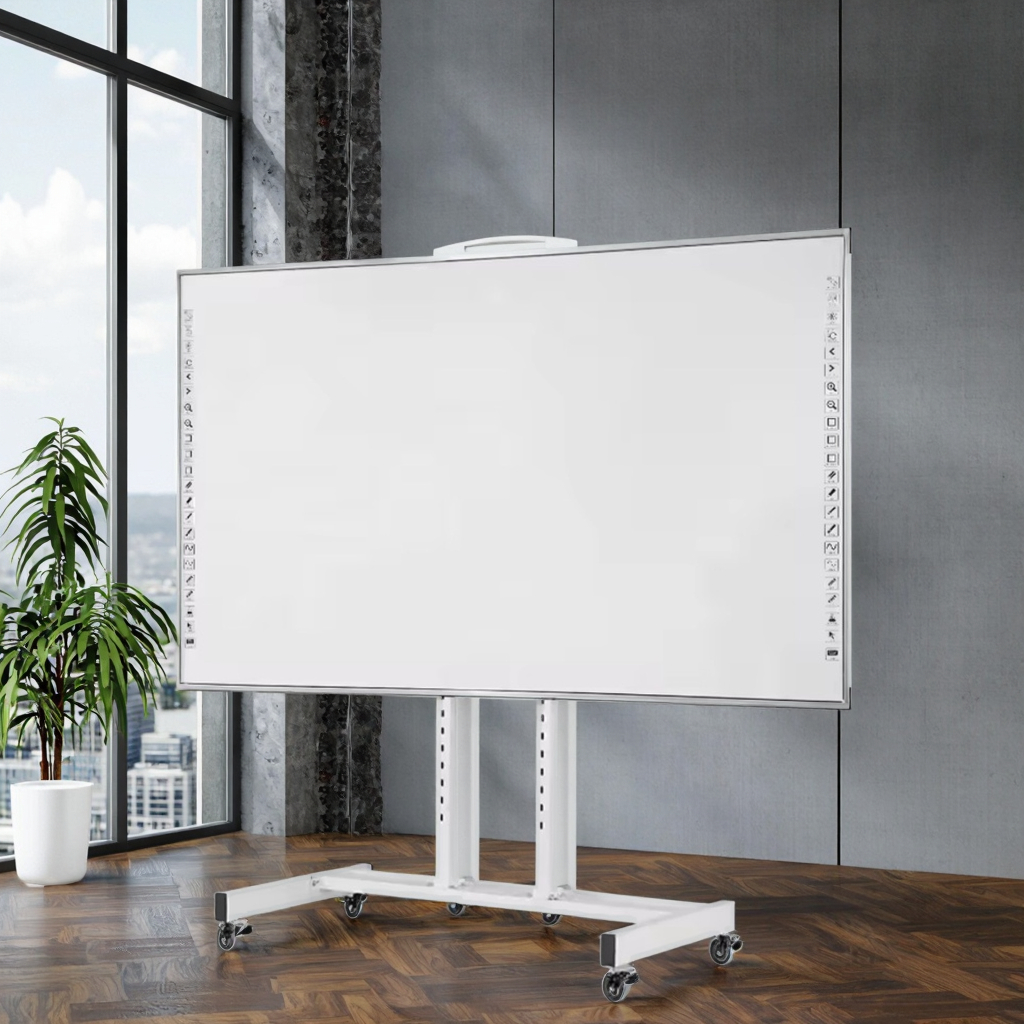
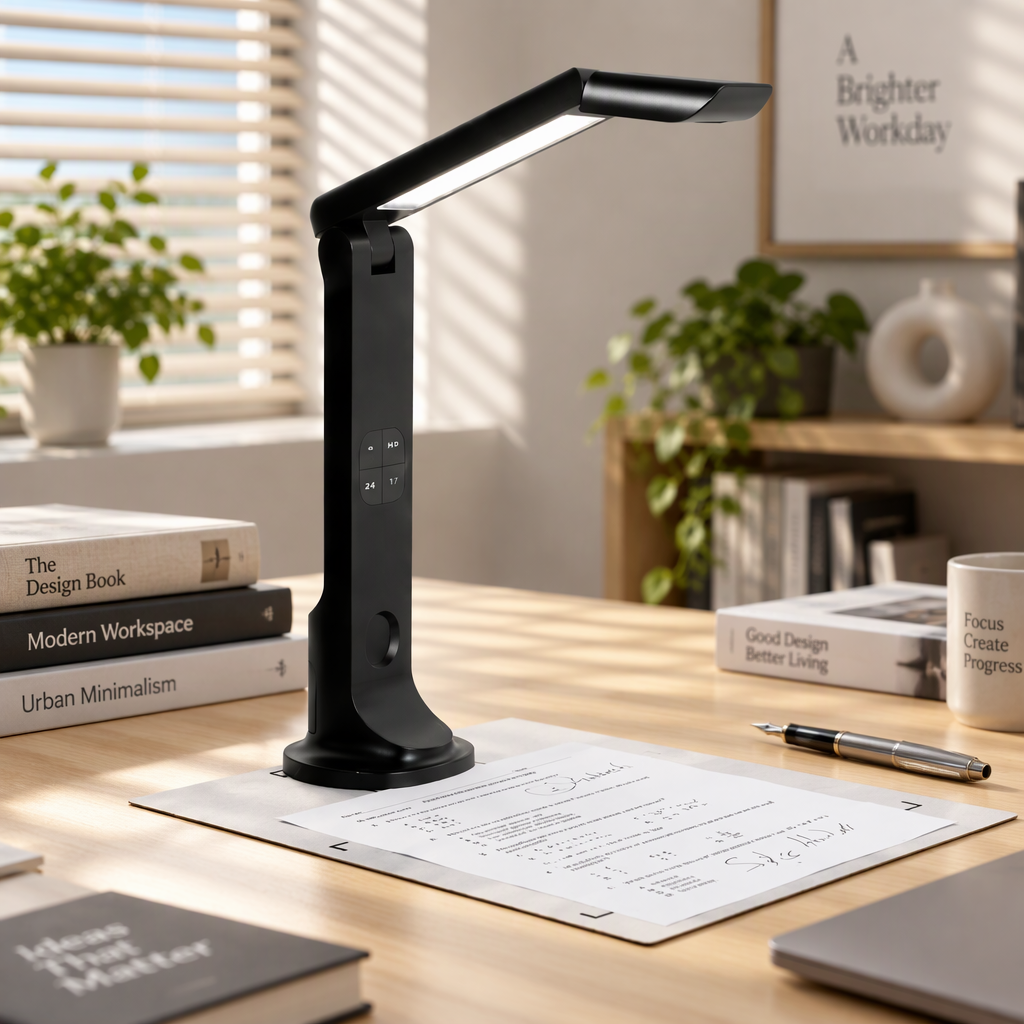
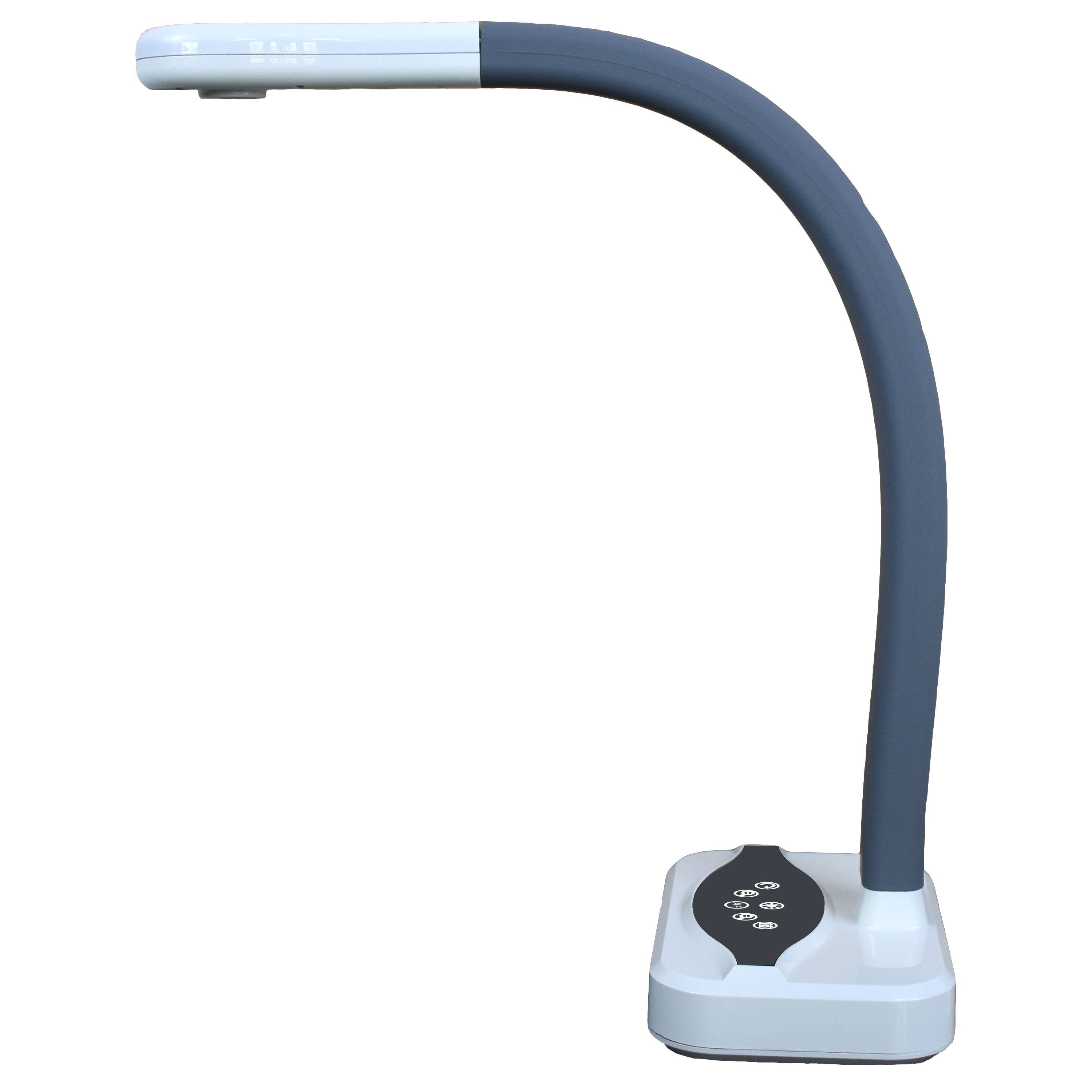
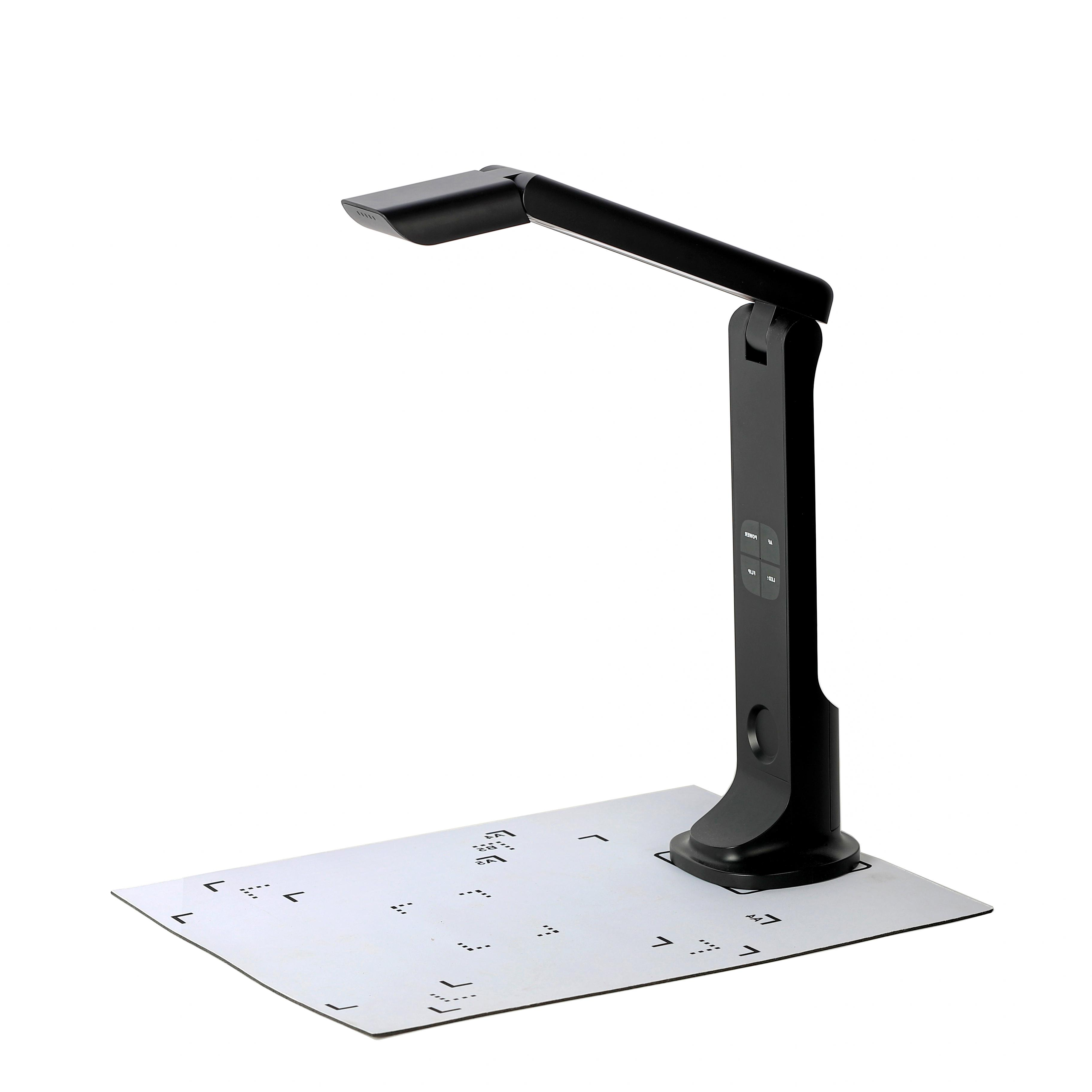
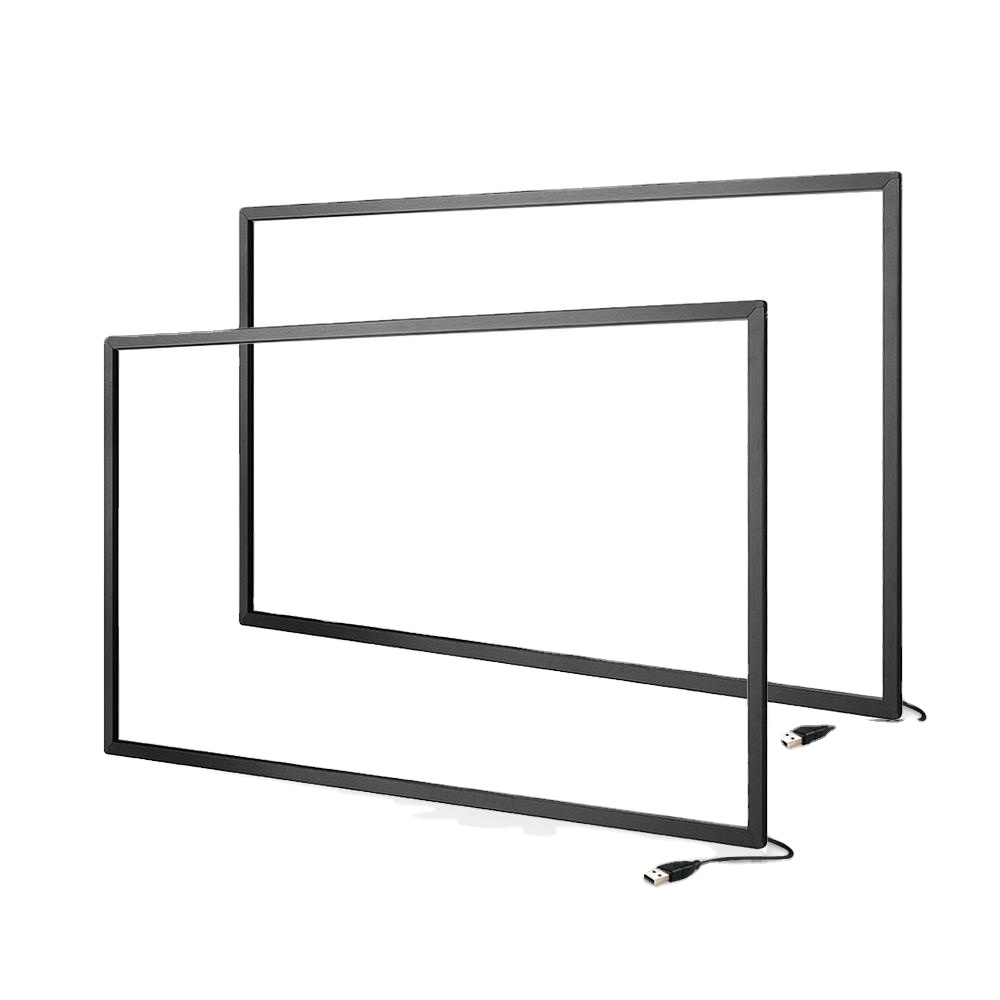
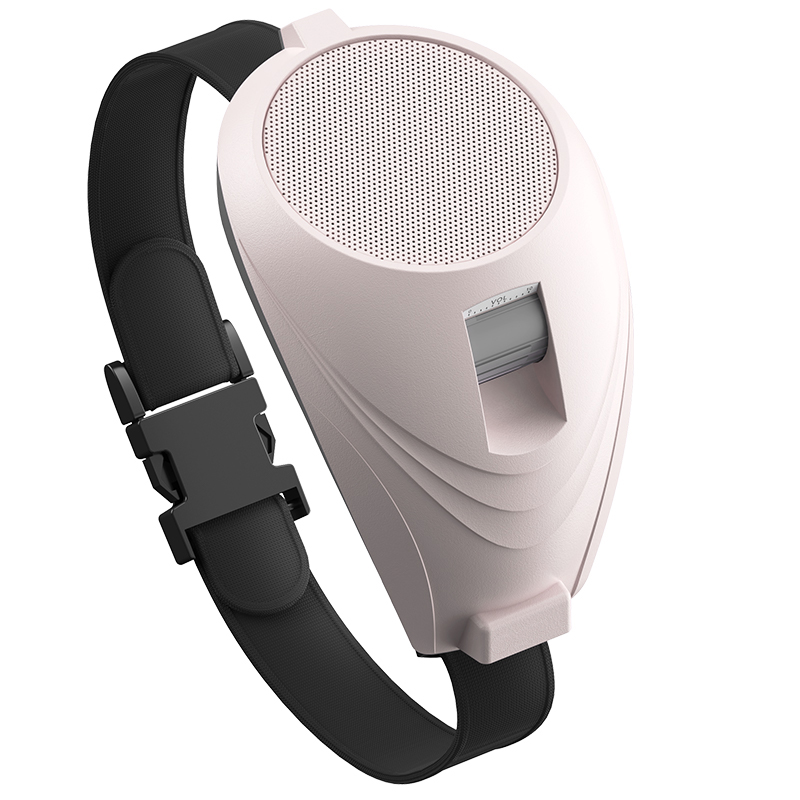
When evaluating the Top 10 Desktop Document Camera Manufacturers & Supplier landscape, procurement teams rarely buy a single camera in isolation. They compare capture quality, A3/A4 coverage, USB or HDMI output, SDK support, classroom accessories and the supplier’s ability to deliver a complete room-ready bill of materials. The shortlist below combines document camera models with supporting classroom AV products from the same manufacturing ecosystem, helping buyers simplify sourcing and reduce integration risk.
What Earns a Place Among the Top 10 Desktop Document Camera Manufacturers & Supplier?
A “top 10” list is only useful when it reflects real sourcing criteria. In education tenders, AV distribution and OEM projects, the strongest supplier is not simply the one with the highest megapixel count. It is the manufacturer that can prove consistent image quality, stable firmware, export compliance, responsive engineering and predictable lead times across repeat orders.
True Sensor Performance
Check native CMOS resolution, lens quality and low-light behaviour rather than relying on interpolated marketing numbers.
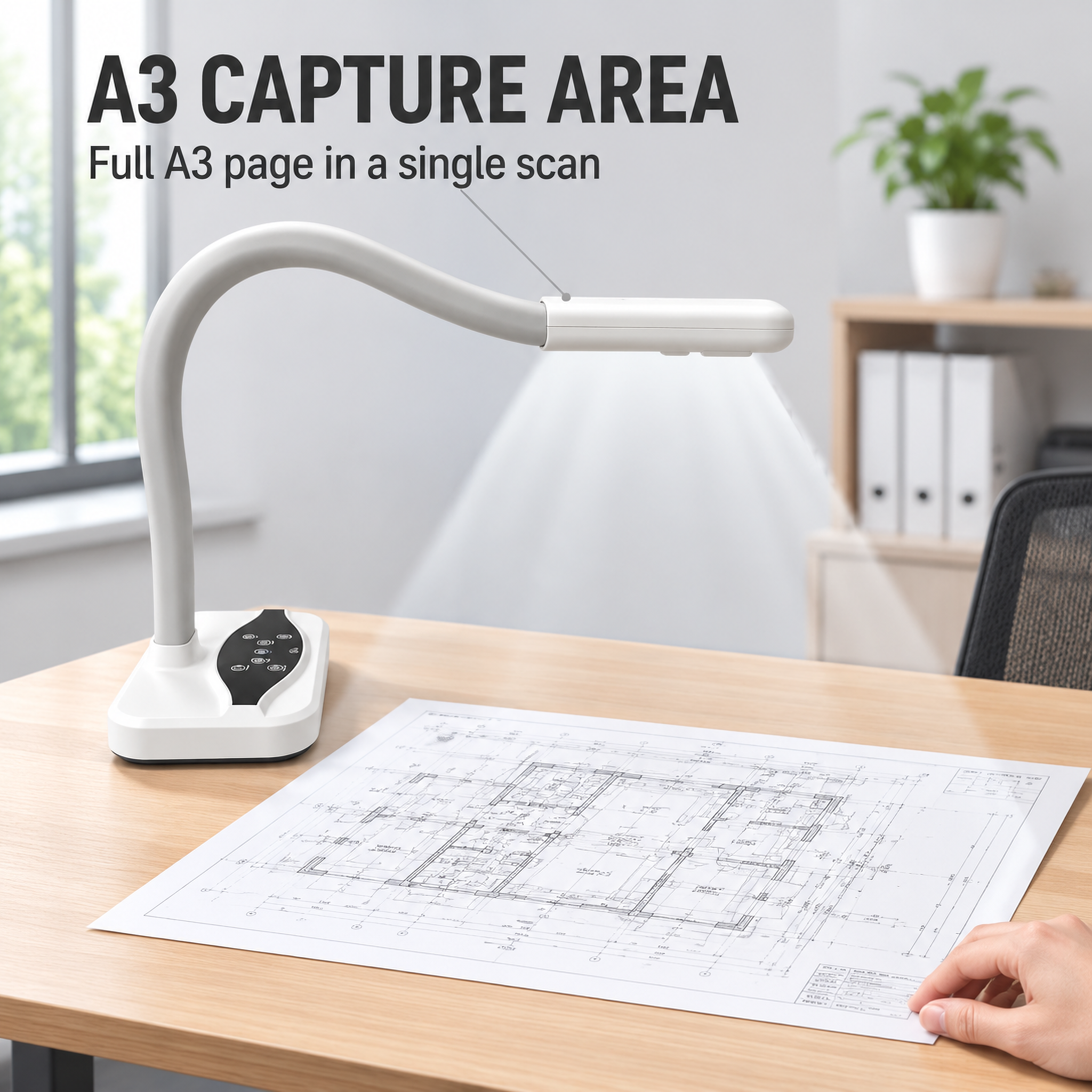
A3 / A4 Capture Area
The camera should cover books, worksheets, documents and 3D objects without constant repositioning.
Interface Flexibility
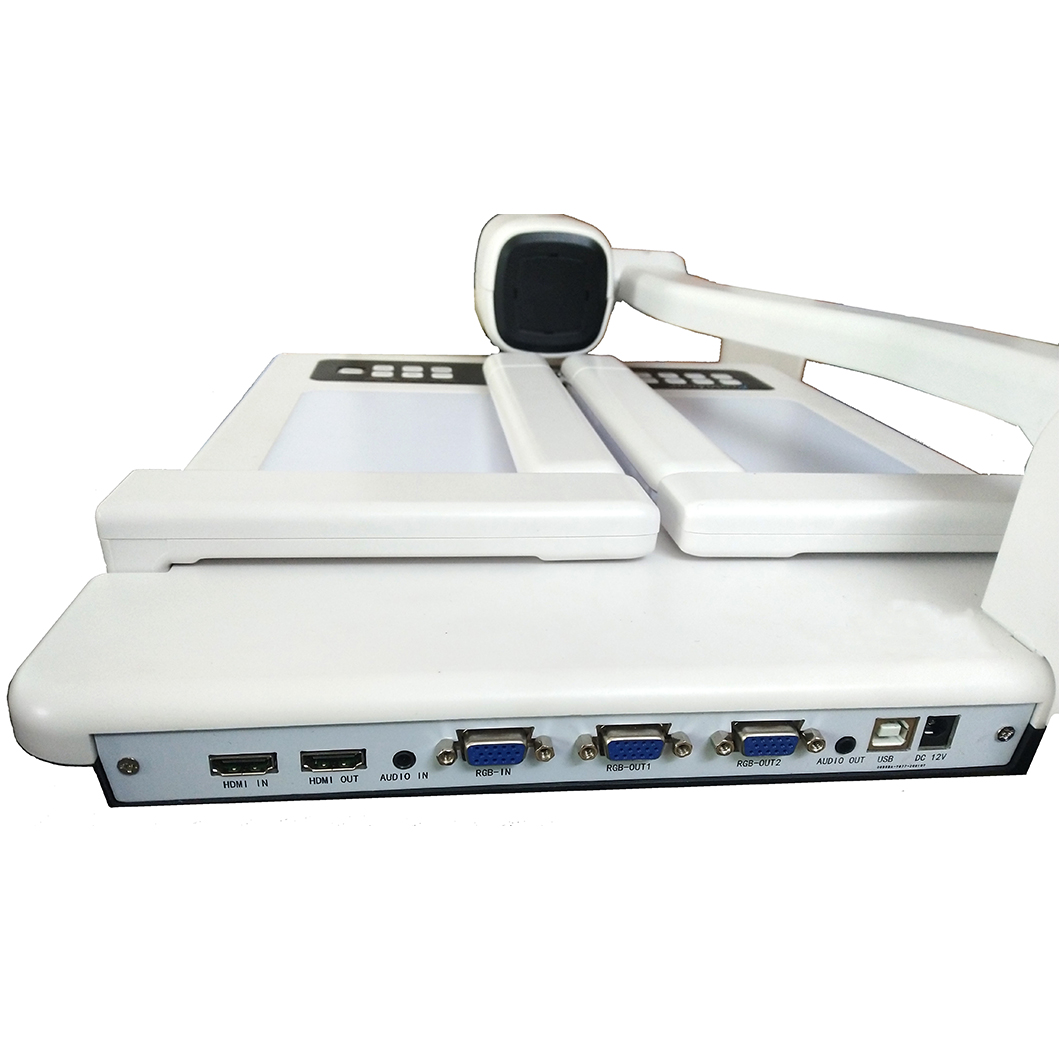
USB, HDMI, Type-C and SD card options matter when teachers present with or without a PC.
SDK & OCR Readiness
System integrators should confirm SDK access, OCR support and compatibility with scanning software.
Optical Zoom Quality
Optical zoom preserves detail at the back of a lecture hall; digital zoom alone can blur fine text.
Mechanical Durability
Hinges, folding arms, cable strain relief and LED light adjustment must survive daily classroom handling.
Certification Evidence
Ask for CE documentation, quality-management credentials and SGS or equivalent onsite assessment reports.
OEM / ODM Control
Logo printing, buyer-label packaging, firmware flashing and custom graphic work should be handled in-house.
MOQ & Trial Orders
Low sample barriers reduce buyer risk before scaling a tender or distributor rollout.
After-Sales Transparency
Warranty terms, spare-part support and technical response time should be documented before purchase.
Information gain for buyers: a document camera is a workflow device, not a commodity camera. The most reliable supplier shortlist will combine image tests, firmware support, classroom durability and export documentation in one evaluation matrix.
Future Desktop Document Camera Procurement Trends Buyers Should Plan For
Purchasing behaviour in education and enterprise AV is shifting from one-off hardware buying toward lifecycle sourcing. Buyers are comparing suppliers on integration capability, classroom uptime, software compatibility and the ability to consolidate cameras, displays, touch frames and audio into a single project package.
Hybrid-First Specifications
Schools and training centres increasingly require document cameras that work both in-room and online. USB plug-and-play remains essential, while HDMI and PC-free presenting are becoming stronger differentiators.
Software-Defined Value
OCR, SDK access, image annotation and compatibility with teaching software now influence purchase decisions as much as hardware specifications. Integrators prefer models that reduce driver conflicts.
Workflow Uptime Over Megapixels
Tender specifications are becoming more practical: fast focus, stable USB connection, clear A3 text, reliable LED lighting and simple repair access may matter more than a theoretical maximum resolution.
One-Stop Classroom BOMs
Distributors and integrators want fewer suppliers. A manufacturer that offers document cameras, interactive whiteboards, touch frames, cameras and audio can reduce freight complexity and project coordination time.
Audit Evidence Before Samples
Buyers are checking factory assessment reports, CE documentation, quality-management credentials and production-line photos before committing to sample orders or tender bids.
Lower-Risk Trial Orders
Flexible MOQs and low sample thresholds help buyers validate image quality, packaging and firmware before scaling. Predictable FOB terms and documented warranty support remain key negotiation points.
Where Desktop Document Camera Technology Is Moving Next
Desktop visual presenters are evolving from simple document capture devices into classroom and meeting-room imaging terminals. The next procurement cycle will reward suppliers that can deliver higher resolution, better software integration, flexible connectivity and modular hardware without sacrificing reliability.
4K Becomes Mainstream
4K capture is moving from premium lecture halls into broader education and meeting-room projects as buyers demand sharper text, diagrams and small-object demonstration.
AI-Assisted Image Workflow
Industry direction points toward smarter auto-focus, document edge detection, OCR assistance and image optimisation that reduce teacher adjustment time during lessons.
Optical Zoom and Autofocus
More buyers are recognising that optical zoom preserves detail for demonstrations, while fast autofocus prevents delays when switching between books, objects and handwriting.
Flexible Connectivity
USB, HDMI, Type-C and SD card interfaces are converging into multi-interface designs that support PC-based teaching, PC-free presenting and direct recording.
Modular Classroom Ecosystems
Document cameras are increasingly purchased with touch frames, interactive displays, conference cameras and speakers, creating demand for suppliers with broader AV manufacturing capability.
Privacy and Local Processing
Education buyers are paying more attention to data handling. Local capture, offline operation and controlled SDK integration can be important in schools with strict network policies.
Why Kawelo Is a Practical Shortlist Partner for Desktop Document Cameras
Shenzhen Kawelo Electronic Technology Co., Ltd. combines document camera manufacturing with broader classroom AV product development. The company works from chip-level solution selection through imaging algorithms, firmware, audio tuning, assembly and quality control, giving buyers a single technical contact for camera, display, touch and audio requirements.
Manufacturer With Integrated Trading Function
Kawelo is not a pure trading intermediary. The production site has been assessed onsite by SGS, with R&D, firmware, assembly, QC and packing handled in-house. This gives buyers clearer accountability from sample to shipment.
OEM, ODM and Buyer-Label Production
Services include OEM, design service and buyer-label production, covering logo printing, custom packaging and graphic customisation. Firmware is flashed and verified on dedicated burning stations, supporting project-specific software requirements.
Imaging, Firmware and Audio Engineering
The team works on chip-level solution selection, imaging and sensing algorithms, firmware and audio tuning. This technical depth helps integrators request SDK support, OCR functionality and product adaptations without losing visibility of the production process.
Verified Quality and Certification
The document camera range carries CE certification, the company is quality-management certified, and the factory has passed an onsite supplier assessment by SGS Group. These credentials are useful when preparing tender documents and supplier verification files.
Flexible MOQ and Export Terms
MOQ depends on the model: selected document cameras and conference cameras can start from 1 piece, most webcams and document cameras from 4 to 5 pieces, and interactive whiteboards typically from 30 pieces. Payment is accepted by T/T in USD or HKD, with FOB quotations.
Complete Classroom AV Ecosystem
Beyond document cameras, Kawelo offers interactive whiteboards, IR touch frames, conference cameras, USB webcams and wireless multimedia audio systems. Buyer benefits include fewer suppliers, better bundle coordination and more consistent after-sales communication.
How to Audit a Document Camera Supplier Before Ordering
Factory assessment is not only a paperwork exercise. A credible supplier should be able to explain how incoming materials, lenses, firmware, assembly, testing and packing are controlled. The table below translates common audit questions into practical checks that procurement teams can use when comparing manufacturers.
| Audit Stage | What to Verify | Why It Matters |
|---|---|---|
| Incoming Material | Components checked against BOM; lens and sensor areas protected before assembly. | Reduces image specks, early failures and inconsistent batches. |
| Firmware Control | Dedicated burning stations; customer-specific firmware flashed and verified. | Prevents driver conflicts and ensures project-specific functions work. |
| Assembly Process | Mechanical and electronic assembly on dedicated lines with controlled tooling. | Improves hinge life, cable reliability and unit-to-unit consistency. |
| QC Testing | Image, audio and function tests on finished units; ageing and inspection where required. | Catches focus, LED, USB and mechanical faults before packing. |
| Packing & Label | Export packing, buyer-label carton options and graphic customisation checks. | Protects products in transit and supports private-label distribution. |
| Certification File | CE documentation, quality-management credentials and SGS onsite assessment report. | Supports tender compliance and reduces supplier verification risk. |
Expert note: When comparing the top desktop document camera manufacturers, ask for a live image demonstration of small text under normal classroom lighting. A camera that performs well with glossy brochures may still struggle with handwritten notes, book curves or low-contrast worksheets.
Desktop Document Camera Purchasing FAQ for Overseas Buyers
These are the questions procurement teams most often ask before sampling, tendering or placing repeat orders with an OEM document camera supplier.
Is Kawelo a manufacturer or a trading company?+
What OEM and ODM customisation do you offer?+
What is the minimum order quantity for document cameras and classroom AV products?+
Which certifications do the products and factory hold?+
Do the document cameras support SDK and OCR integration?+
What payment and delivery terms are accepted?+
What warranty is provided?+
Which markets are the main export destinations?+
Shortlisting Desktop Document Camera Manufacturers?
Send your required resolution, A3/A4 capture area, interface preferences, OEM branding needs and estimated order quantity. The team can recommend matching document cameras, visual presenters, touch frames and classroom audio for your tender or distribution project.