8 Teaching Camera and AV Products Buyers Request Most
The fastest way to evaluate a top 10 teaching camera factory & exporter is to test whether its catalogue covers real classroom workflows: document capture, OCR, touch collaboration, voice projection and hybrid meetings. The eight models below are drawn from current Kawelo production and keep their original product links for direct sourcing.
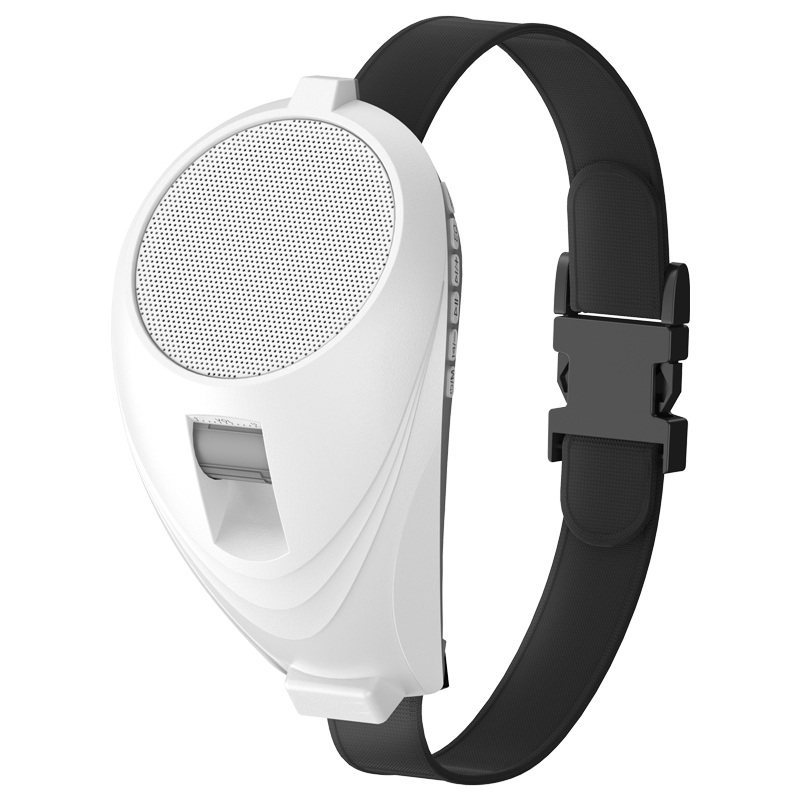
Wireless 20W Portable Megaphone with Bluetooth V5.0, 5000mAh Battery and Super Bass Stereo Sound
View product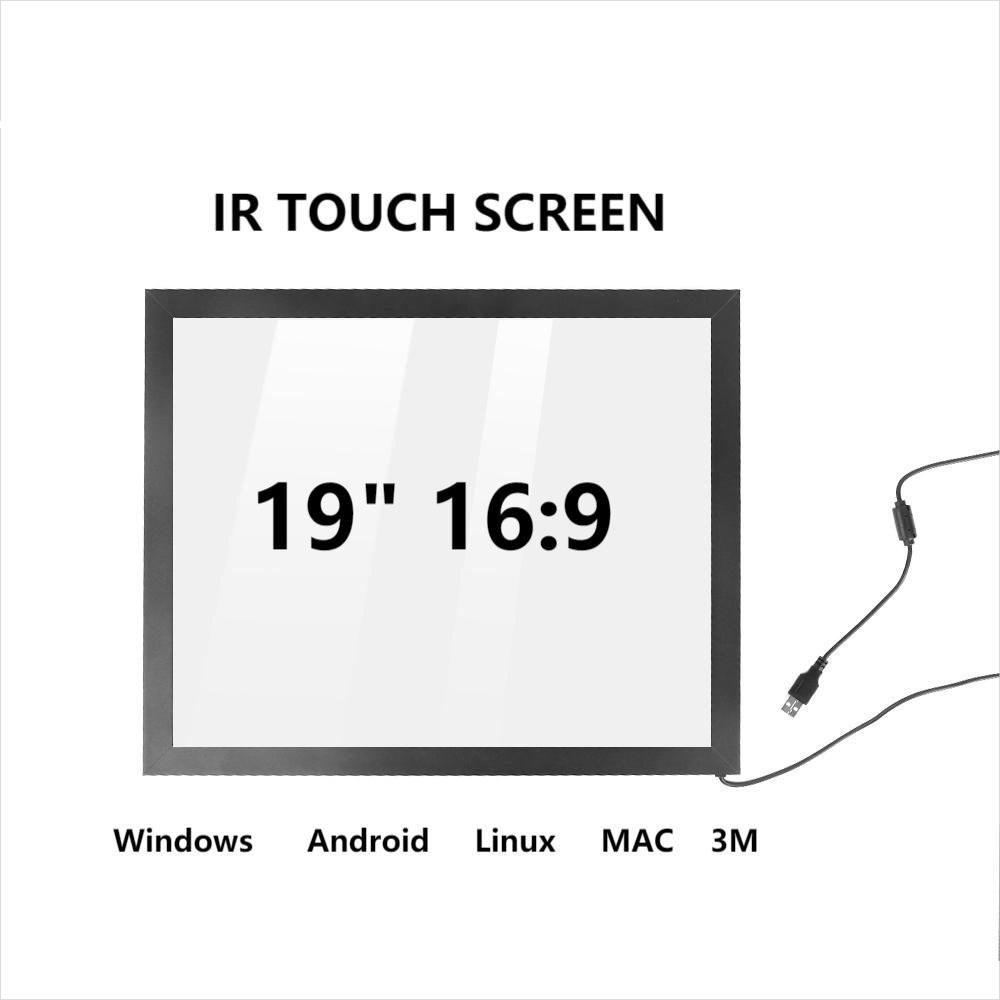
19-Inch 16:10 USB Infrared Touch Frame with Glass Multi-Touch
View product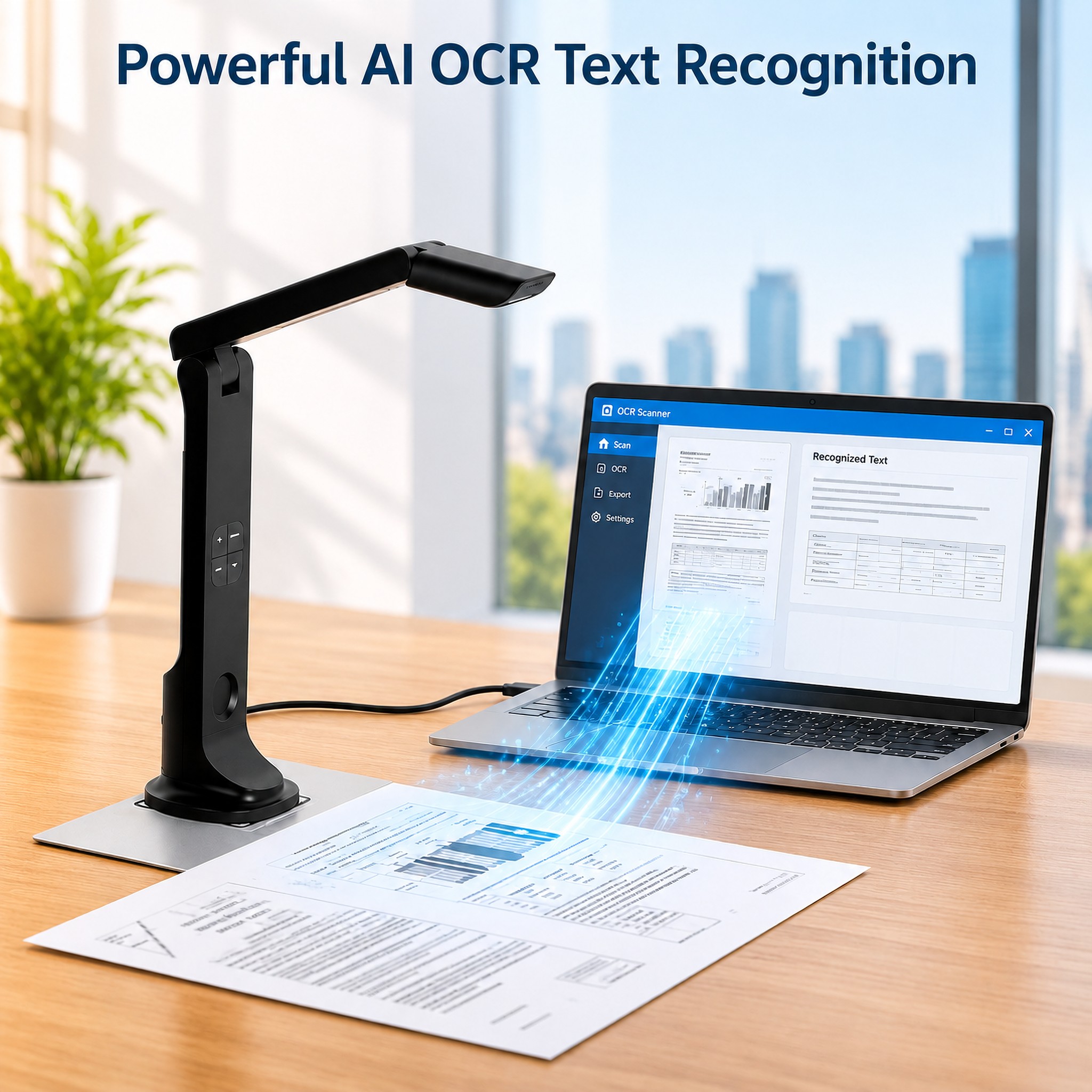
MD-16MT A3 Document Scanner, 16MP CMOS Foldable Visual Presenter with LED Light and OCR
View product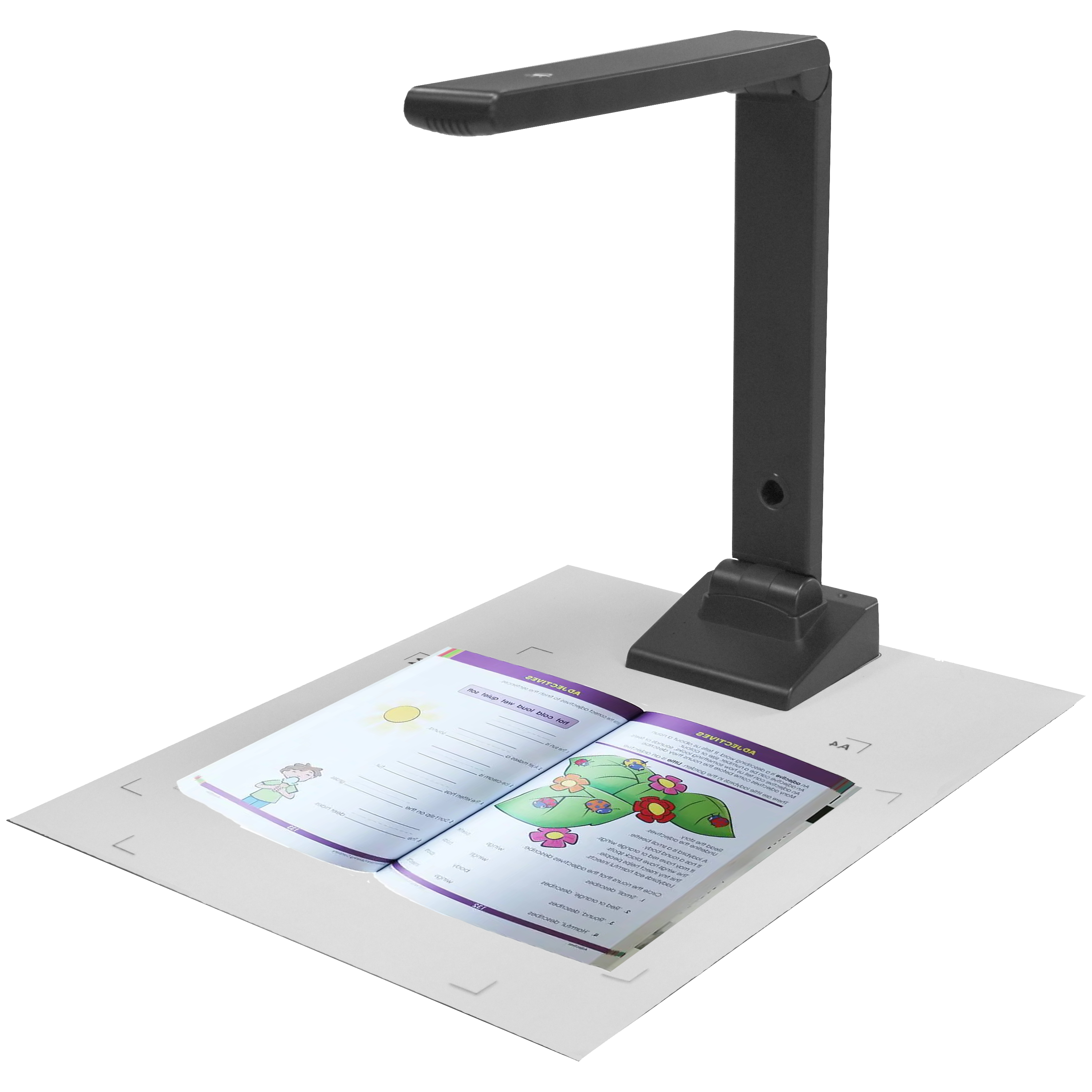
16MP A3 OEM Document Scanner with Auto-Focus and USB Visualizer for Schools
View product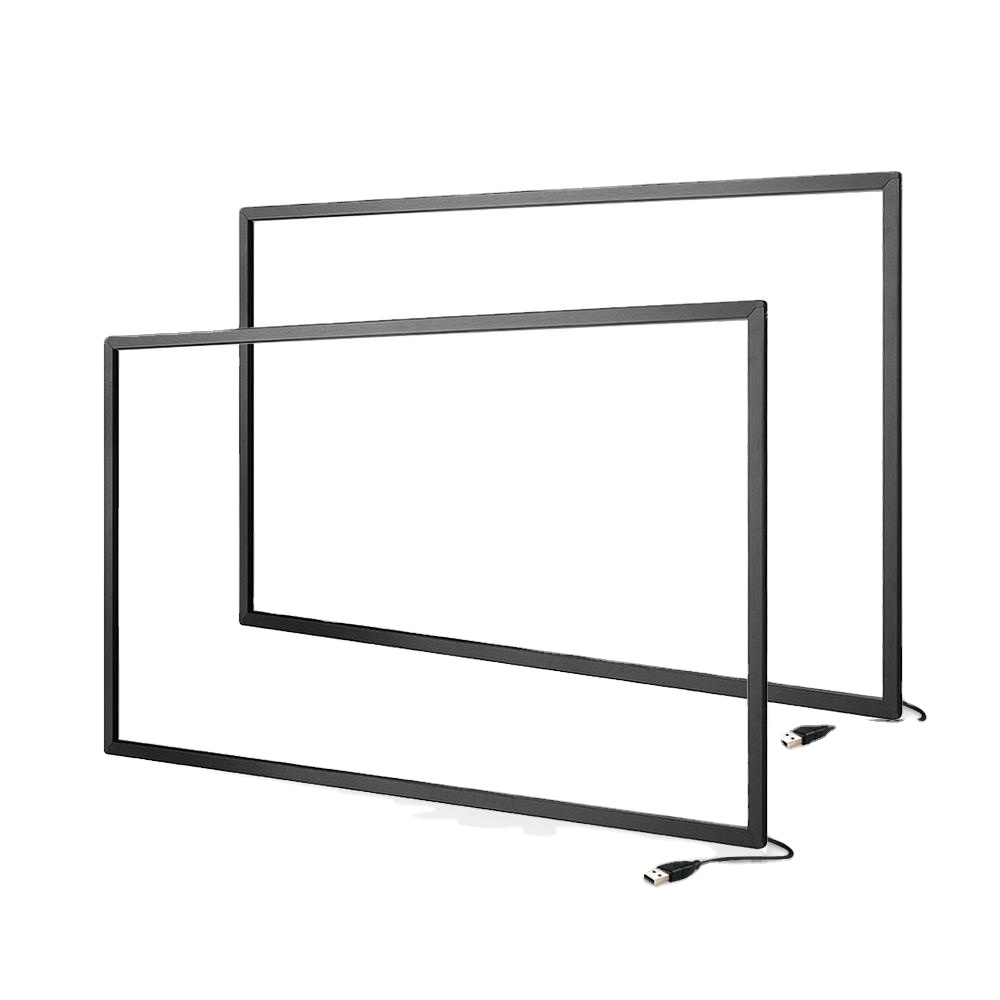
60-Inch Infrared Touch Frame with 20 Touch Points and USB Interface
View product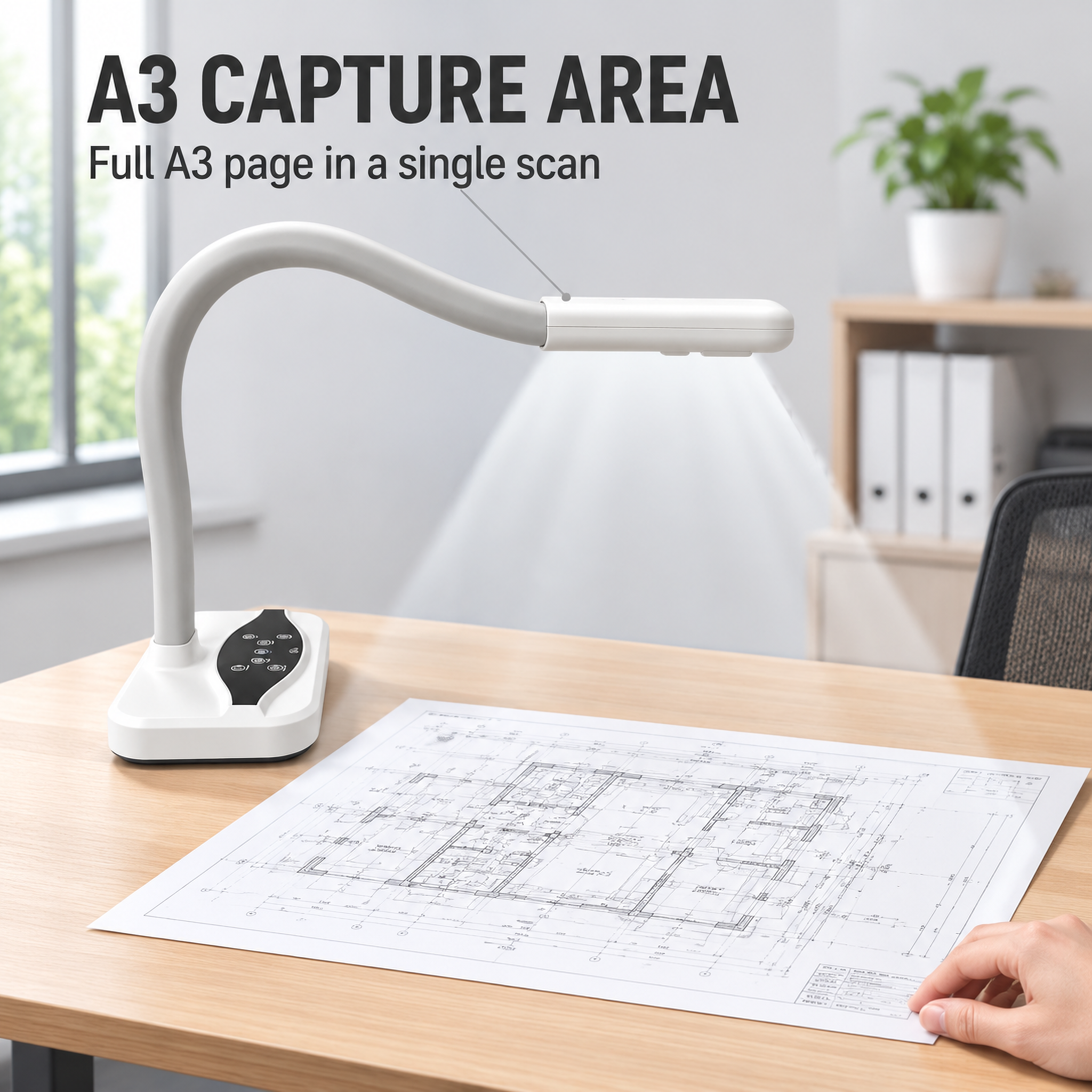
4K HD Document Scanner Visual Presenter with A3 Capture Area for Meetings and Teaching
View product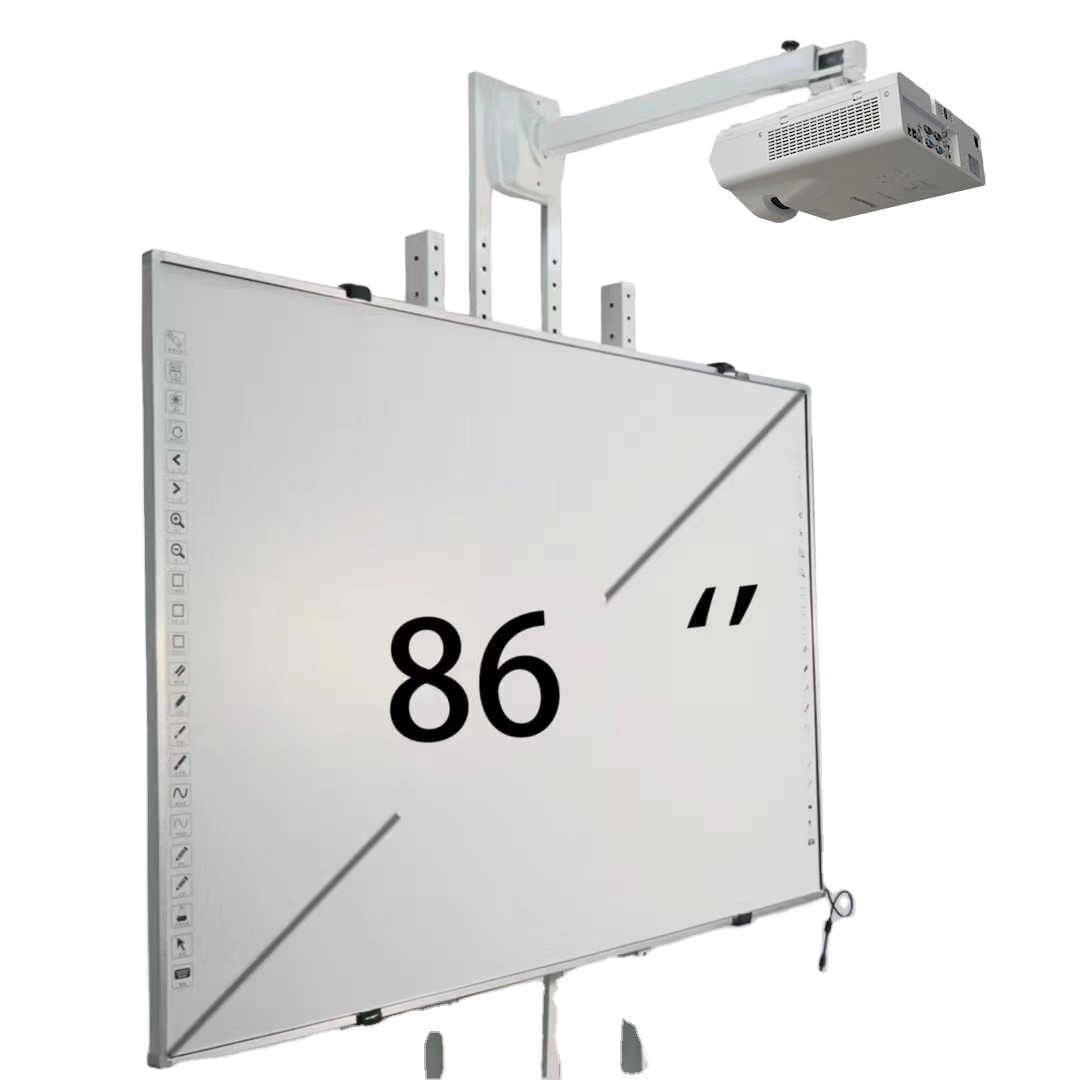
86-Inch Interactive Smart Board with Dual System, Metal/PET Construction and 22 Shortcuts
View product
ShenMaiDi 4K PTZ Conference Camera with Real-Time Recording and Translation System
View productEvidence That Separates a Real Factory from a Catalogue Exporter
A credible teaching camera factory and exporter should give buyers evidence before price negotiation: who owns production, who controls firmware, which certifications exist and how export orders are handled.
What a Top 10 Teaching Camera Factory & Exporter Must Prove
The phrase “top 10” is a search shortcut, not a substitute for due diligence. Use this evidence-based framework to compare suppliers on factory reality, imaging depth, classroom fit, customization control, compliance and export support.
Factory reality, not a trading desk
Ask for the production address, SGS or equivalent onsite assessment, assembly photos and QC records. Kawelo's Dongguan site handles R&D, firmware burning, assembly, testing and export packing, so accountability does not disappear between the sales office and the line.
Imaging and firmware depth
A teaching camera is only as good as its sensor, lens, image pipeline and firmware tuning. Look for chip-level solution selection, A3/A4 capture experience, OCR support, SDK availability and clear upgrade paths from 16MP CMOS to 4K visual presenters.
Classroom-first usability
Teachers need fast setup, glare control, LED fill light, clear text at the back of the room, USB plug-and-play and, in many projects, PC-free HDMI or Type-C presenting. Evaluate the product with a lesson script, not only a spec sheet.
OEM/ODM control
For distributors and tender brands, customization must be operational rather than cosmetic. Confirm logo printing, buyer-label packaging, graphic customization, firmware flashing, SDK support and whether changes are verified on dedicated burning and testing stations.
Compliance and repeatability
Certificates are only the beginning. Ask how incoming materials, lenses, firmware and finished units are checked. Kawelo's quality route includes raw-material verification, lens cleaning, firmware verification, assembly, image and audio testing, and export packing.
Export execution and response
A reliable exporter handles FOB terms, T/T payment in USD or HKD, documentation, buyer-label cartons and practical after-sales communication. Confirm sample lead time, MOQ by model and warranty terms before comparing landed cost.
Example 100-Point Supplier Scorecard
Illustrative weighting for buyer discussion only; each tender should assign its own weighting.
Recommended Product Mix for Teaching and Meeting Room Projects
Instead of buying isolated devices, procurement teams increasingly build room-level bundles. The combinations below use the eight products above and can be quoted as one classroom or meeting-room BOM.
Standard K–12 Classroom
Best for schools that need clear text capture, teacher voice reinforcement and whole-class interaction.
- 86-inch interactive smart board
- MD-16MT A3 document scanner with OCR
- Wireless 20W portable megaphone
Hybrid Teaching Lab
Designed for remote learners and recorded lessons where both paper material and the teacher must be visible.
- 4K HD document scanner visual presenter
- 60-inch IR touch frame
- 4K PTZ conference camera
Lecture Hall or Auditorium
For large rooms, the priority is legibility, zoom reach, voice projection and stable operation under long class hours.
- 86-inch smart board or large-format display
- 4K PTZ conference camera
- 20W wireless megaphone for voice reinforcement
Corporate Training Room
A flexible AV kit for onboarding, online meetings, document sharing and room scheduling.
- 4K PTZ conference camera
- 19-inch or 60-inch IR touch frame
- 16MP A3 OEM document scanner
2025–2030 Teaching Camera Procurement Trends
Buyers are moving away from single-device purchases toward classroom-ready ecosystems. The most competitive teaching camera exporter will be the one that can document compatibility, serviceability and total cost—not only quote the lowest unit price.
Hybrid-first classroom design
Schools now specify cameras, document capture and audio in the same procurement package. A visual presenter that cannot integrate with a conference camera or display is increasingly treated as a legacy purchase. Expect RFQs to request room diagrams, UVC compatibility and recorded-lesson workflows.
4K and OCR move mainstream
As display sizes increase, 1080p visualizers struggle to keep small textbook text legible. 4K capture, LED fill light and OCR are moving from premium options to normal requirements in higher-education and corporate tenders, while 16MP remains a strong value tier for K–12.
AI-assisted capture, but evidence first
Auto-focus, auto-framing, noise reduction and text optimisation are becoming selling points. Professional buyers should test these features with real worksheets, glossy paper and handwriting. AI claims without measurable clarity, latency or OCR accuracy data are weak procurement evidence.
PC-free presenting and USB-C/HDMI resilience
Rooms do not always boot as planned. HDMI output, Type-C connectivity and SD-card capture reduce dependence on a single PC and give teachers fallback options. Procurement teams increasingly score “works without software” as a risk-control feature, especially for exam rooms and shared facilities.
Dual-system boards and one-stop BOMs
Interactive displays with dual-system architecture allow buyers to separate Android collaboration from Windows-based teaching software. Distributors benefit when boards, touch frames, visualizers and conference cameras come from one exporter, because compatibility testing and spare-parts planning become simpler.
TCO beats the lowest quotation
For multi-year projects, the real cost includes installation, teacher training, failure rate, spare parts and firmware support. A factory that can supply a complete room bundle and document its quality route often reduces hidden cost even when the initial quote is not the cheapest.
How Teaching Cameras Are Evolving Inside the Factory
Product development is shifting from “a camera on an arm” to a modular visual system that must work across classrooms, meeting rooms and software platforms.
Better imaging, not just more pixels
Sensor size, lens quality, glare handling, colour accuracy and text legibility matter more than megapixel marketing. Future document cameras will compete on OCR-ready image quality, low distortion at A3 edges and consistent performance under classroom lighting.
Open interoperability
SDK-ready models, UVC output, HDMI, Type-C and multi-touch USB interfaces make integration easier for software vendors and system integrators. For exporters, documenting these interfaces clearly helps overseas buyers match devices to local teaching software without repeated sample rounds.
Modular classroom ecosystems
One supplier for document cameras, interactive boards, IR touch frames, conference cameras and audio reduces compatibility risk. The factory of the future is not only an assembly line; it is a configuration centre that can bundle, label, pack and support a complete teaching room.
Which Teaching Camera or Interactive Product Fits the Room?
Use this matrix as an RFQ starting point. Confirm final interfaces, accessories and warranty terms per model before issuing a purchase order.
| Product family | Primary job | Interface or build | Why buyers shortlist it |
|---|---|---|---|
| Wireless 20W megaphone | Teacher voice reinforcement and indoor projection | Bluetooth V5.0, 5000mAh battery, belt-mounted | Useful for large classrooms, outdoor induction and training rooms where voice clarity matters |
| 19-inch / 60-inch IR touch frame | Retrofitting an existing display or monitor into an interactive surface | USB, infrared multi-touch, up to 20 touch points on selected sizes | Cost-efficient upgrade path for schools and meeting rooms that already own displays |
| MD-16MT A3 document scanner | Digitizing books, worksheets and exam papers | 16MP CMOS, USB, LED light, OCR | Strong for lesson capture, text recognition and document archiving |
| 16MP A3 OEM document scanner | Visual presenting and OEM branding | USB, auto-focus, plastic housing, school configuration | Good balance of clarity, portability and customization for education distributors |
| 4K HD visual presenter | High-detail teaching and meeting capture | 4K, A3 capture area, USB | Clearer small text on large boards and a stronger specification for tenders |
| 86-inch interactive smart board | Whole-class collaboration and digital whiteboard work | Dual system, metal/PET construction, 22 shortcuts, multi-touch | One-screen classroom solution for schools that need writing, casting and app access |
| 4K PTZ conference camera | Hybrid teaching, online training and meeting recording | 4K PTZ, real-time recording and translation system | Connects teaching capture with remote audiences and recorded training content |
 SGS GroupOnsite supplier assessment passed
Why Kawelo Is Built for the Shortlist
Shenzhen Kawelo Electronic Technology Co., Ltd. was founded in 2019 and operates from a production base in Dongguan, Guangdong. The founder has spent 18 years in visualizers, cameras and teaching equipment, and that experience shapes the way the company selects imaging solutions, tunes firmware and supports OEM buyers.
Kawelo is a manufacturer with an integrated trading function rather than a catalogue-only exporter. R&D, firmware flashing, assembly, quality control and packing are handled in-house. The company serves education and AV buyers with document cameras, visual presenters, interactive whiteboards, IR touch frames, conference cameras, webcams and audio systems.
For tender teams, the value is not only product variety. It is the ability to combine OEM/ODM customization, SGS-assessed manufacturing and room-level product matching in one supply relationship.
Your brand, your packaging
Logo printing, custom gift boxes, graphic customization and buyer-label production help distributors build a private-brand teaching camera line without outsourcing packaging coordination.
Chip-to-firmware engineering
In-house imaging and audio algorithm work, firmware flashing and SDK support give software integrators a clearer integration path and reduce driver conflicts after delivery.
Third-party verified
SGS onsite assessment, quality-management certification and CE-certified document cameras reduce sourcing risk for schools, resellers and government-linked tenders.
Flexible order sizes
MOQ depends on the model: selected document cameras and conference cameras start from 1 piece, many webcams and document cameras from 4–5 pieces, and interactive whiteboards typically from 30 pieces.
Complete room bundles
Pair document cameras, whiteboards, IR touch frames, conference cameras and speakers from one supplier for tender-ready classroom kits and simpler maintenance planning.
Export-ready operations
FOB terms, T/T payment in USD or HKD, export packing and experience in Southeast Asia, Africa, North America and Oceania make first-order discussions more predictable.
From Raw Material to Packed Shipment
Production transparency is part of E-E-A-T. The documented route below explains how a teaching camera order moves through the factory before export.
Raw material check
Incoming parts are checked against the BOM before release to production.
Lens and sensor cleaning
Optical areas are cleaned and inspected to prevent image specks and dust defects.
Firmware burning
Standard or customer-specific firmware is flashed and verified on dedicated burning stations.
Assembly
Mechanical and electronic assembly is completed on dedicated production lines.
QC testing
Finished units are checked for image clarity, audio, interface stability and function.
Export packing
Export cartons and optional buyer-label packaging are prepared for shipment.
Teaching Camera Factory & Exporter FAQ
Questions overseas buyers ask most before shortlisting a document camera manufacturer, interactive whiteboard exporter or OEM visual presenter supplier.
Is Kawelo a manufacturer or a trading company?
Kawelo is a manufacturer with an integrated trading function. The production site in Dongguan, Guangdong has been assessed onsite by SGS, and R&D, firmware, assembly, QC and packing are handled in-house.
What OEM and ODM customization do you offer?
Kawelo offers OEM service, design service and buyer-label production, including logo printing, custom packaging and graphic customization. Firmware is flashed and verified in-house on dedicated burning stations, which is important for distributors who need stable model configurations across repeat orders.
What is the minimum order quantity?
MOQ depends on the model. Selected document cameras and conference cameras start from 1 piece, many webcams and document cameras from 4–5 pieces, and interactive whiteboards typically from 30 pieces. A trial order is the best way to validate packaging, documentation and sample quality before scaling.
Which certifications do your products and factory hold?
The document camera range carries CE certification, the company is quality-management certified, and the factory has passed an onsite supplier assessment by SGS Group. Buyers should still confirm the exact certificate and model scope required by their tender.
Do your document cameras support SDK and OCR integration?
Yes. Selected models such as the A4/A3 high-speed document camera ship with SDK support, and the MD-16MT A3 scanner provides OCR text recognition. For software integrators, share your operating environment and use case early so the correct firmware and interface are confirmed.
What payment and delivery terms do you accept?
Kawelo accepts T/T payment in USD or HKD and quotes on FOB terms. Confirm the destination port, packaging requirement and inspection arrangement before finalizing the order schedule.
What warranty do you provide?
Document cameras come with a standard 1-year warranty. Warranty terms for interactive whiteboards, conference cameras and other categories should be confirmed with the sales team for the specific model and order volume.
Which markets do you export to?
The main export markets are Southeast Asia, Africa, North America and Oceania. Because classroom standards, voltage, language and packaging requirements differ by region, buyers should provide the destination and tender specification at the inquiry stage.
Planning a Top 10 Teaching Camera Factory & Exporter Shortlist?
Send your quantities, target specifications, destination market and tender requirements. The Kawelo team can recommend matching document cameras, interactive boards, touch frames or conference cameras, then prepare samples and datasheets for evaluation.