Top 10 Wall Mounted Document Camera Factories & Factory
A B2B sourcing whitepaper for education distributors, AV integrators and procurement teams comparing wall-mounted visual presenters, OEM/ODM capability, SGS verification, lifecycle cost and classroom-ready engineering.
8 Factory-Ready Products for Wall-Mounted, Classroom and Hybrid AV Projects
The product lines below sit inside the same verified factory ecosystem: document cameras, OCR scanners, classroom audio and visual-presenter hardware that distributors can combine into tender-ready education and meeting-room bundles.
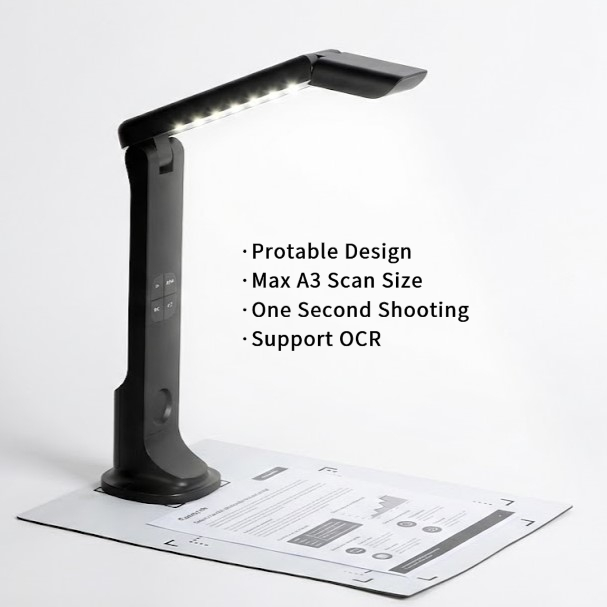
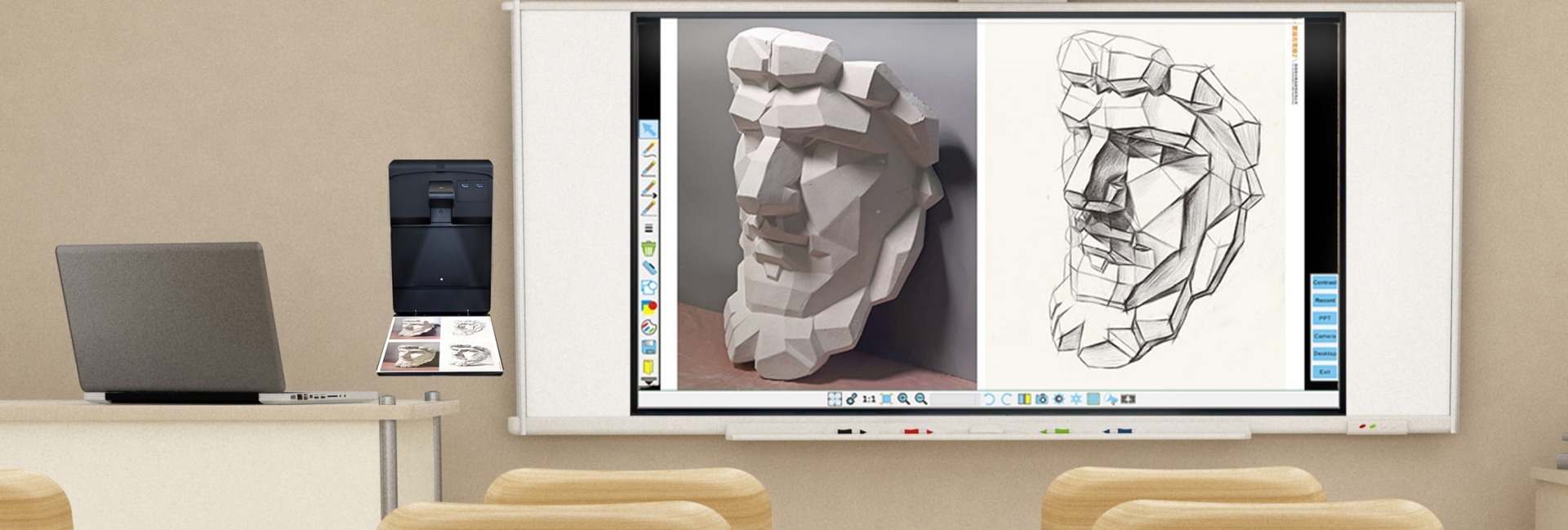
A4 A3 Digital Visualizer Book Paper Scanner Portable Visual Presenter USB High Speed Document Camera for PC in Stock
- A3 / A4
- USB
- Book scanning
- High speed
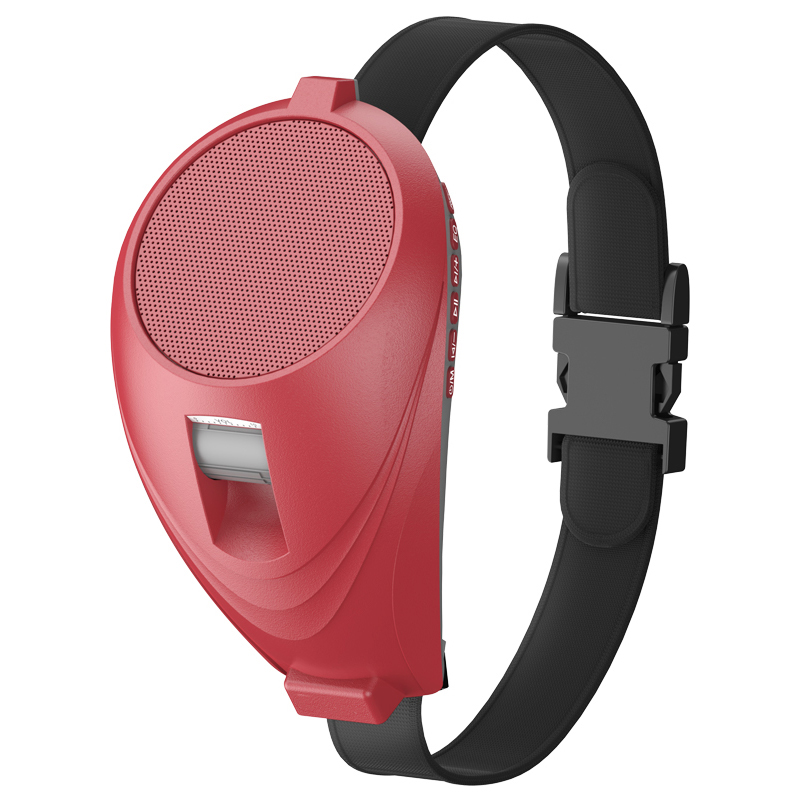
Wireless for 5.0 Active Mini Megaphone 5000-10000mAh Battery Belt-Mounted Super Bass Stereo Sound Portable Speaker for
- Belt-mounted
- 5000–10000mAh
- Super bass
- Portable
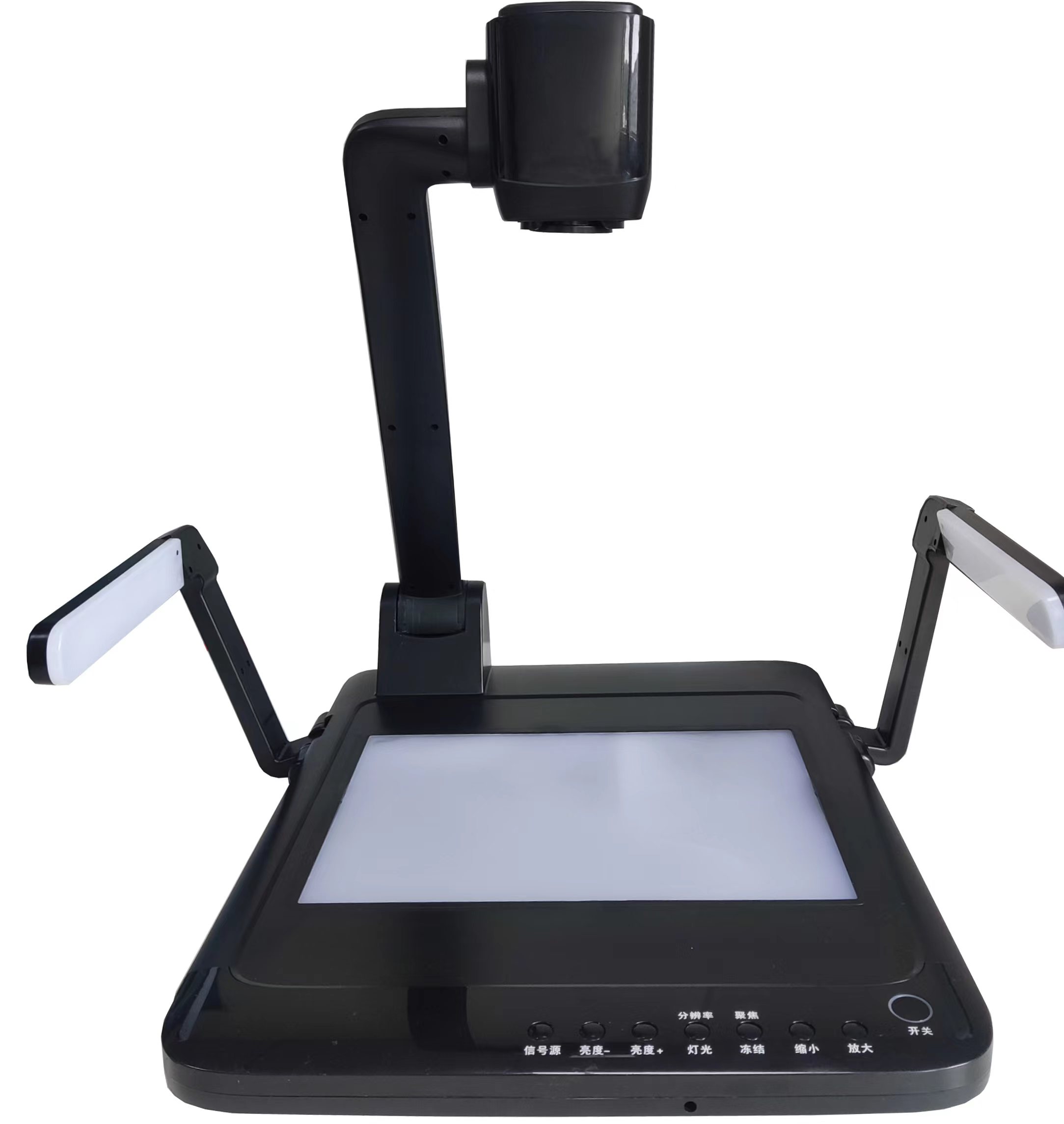
Optical Plastic Digital Projector Document Camera A3/A4 Resolution Adjustable LED Lighting Smart Classroom Teaching Education
- A3 / A4
- LED lighting
- Adjustable
- Classroom
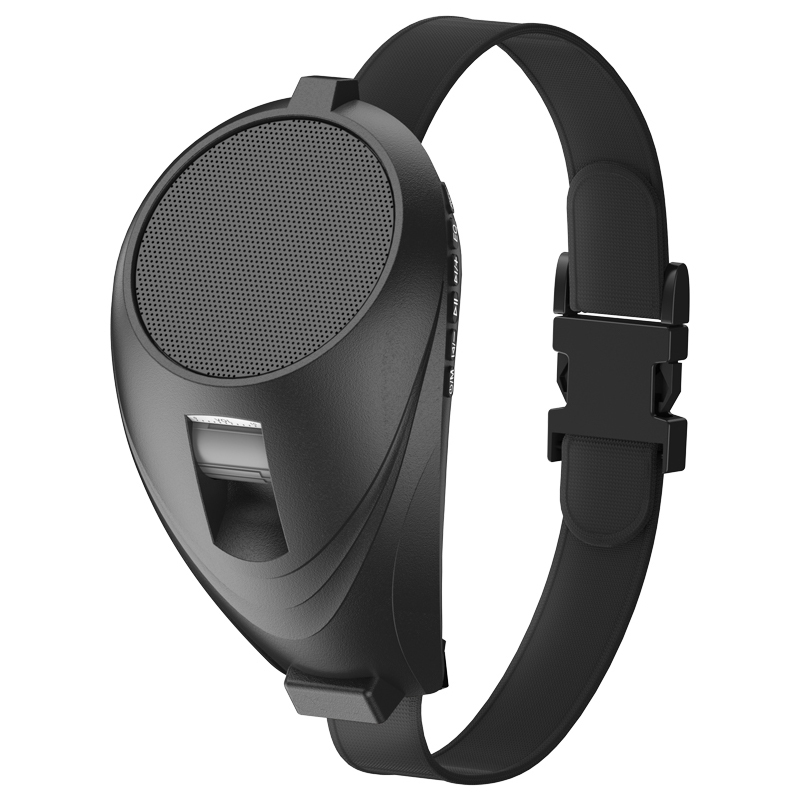
Active for 5.0 Plastic Mini Speaker Super Bass Stereo Sound Belt-Mounted Megaphone for Teachers' Speech 5000mAh Battery
- 5000mAh
- Teachers
- Belt-mounted
- Stereo
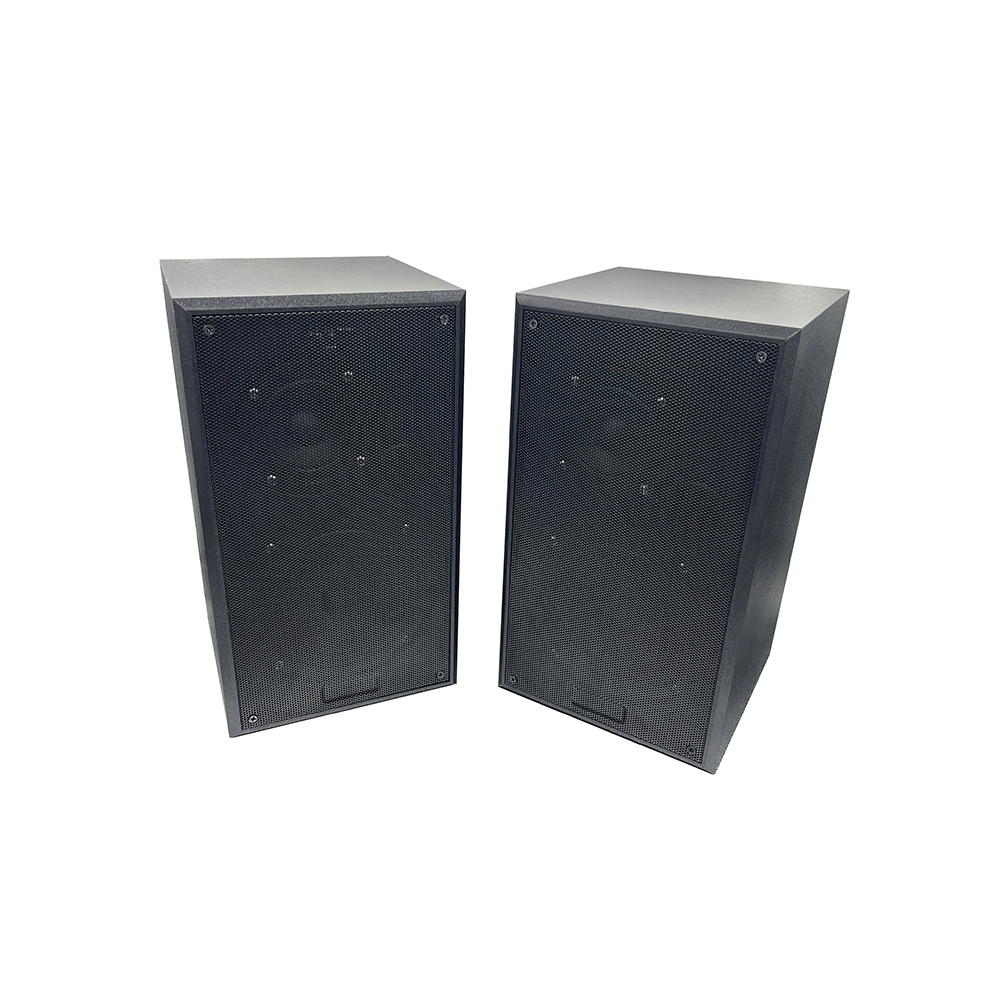
SHENMAIDI MD-S50A 50W Integrated Stereo Speaker Sound Amplifier Educational CE/CCC/FCC/ROHS/ISO9001 Certified 1 Year Warranty
- 50W
- Stereo
- CE / CCC
- 1-year warranty
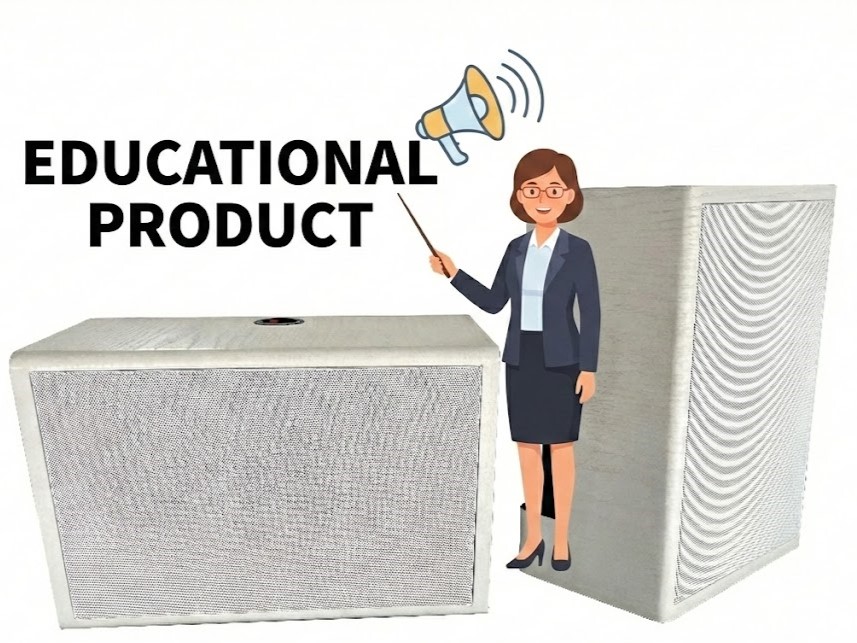
SHENMAIDI MD-S50A 50W Education Infrared Point Point Integrated Stereo Speaker Sound Amplifier CE Certified 1 Year Warranty No
- Infrared
- 50W
- Education
- CE certified
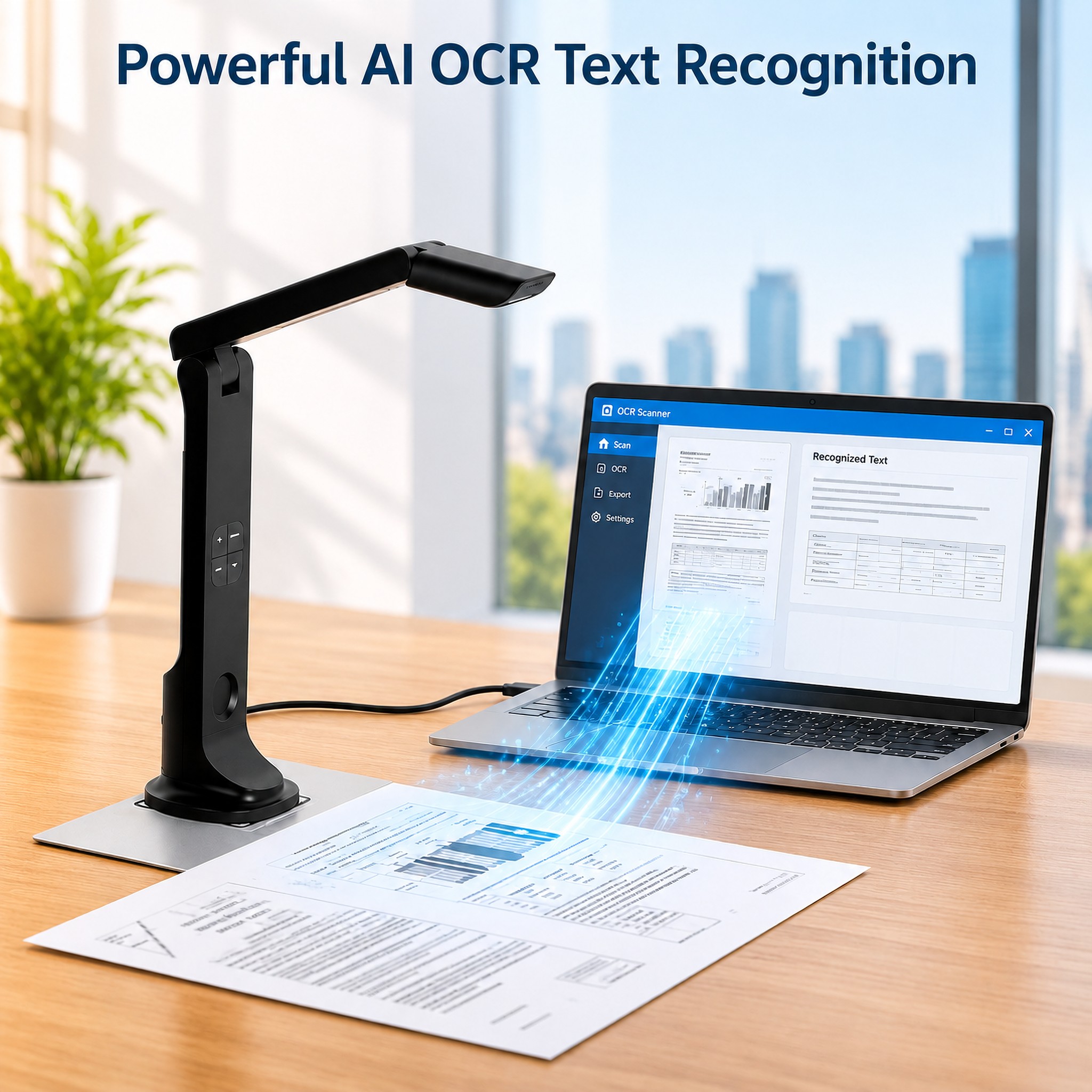
MD-16MT A3 Document Scanner 16MP CMOS USB Foldable Visual Presenter LED Light OCR Text Recognition Teching
- 16MP CMOS
- OCR
- Foldable
- LED light
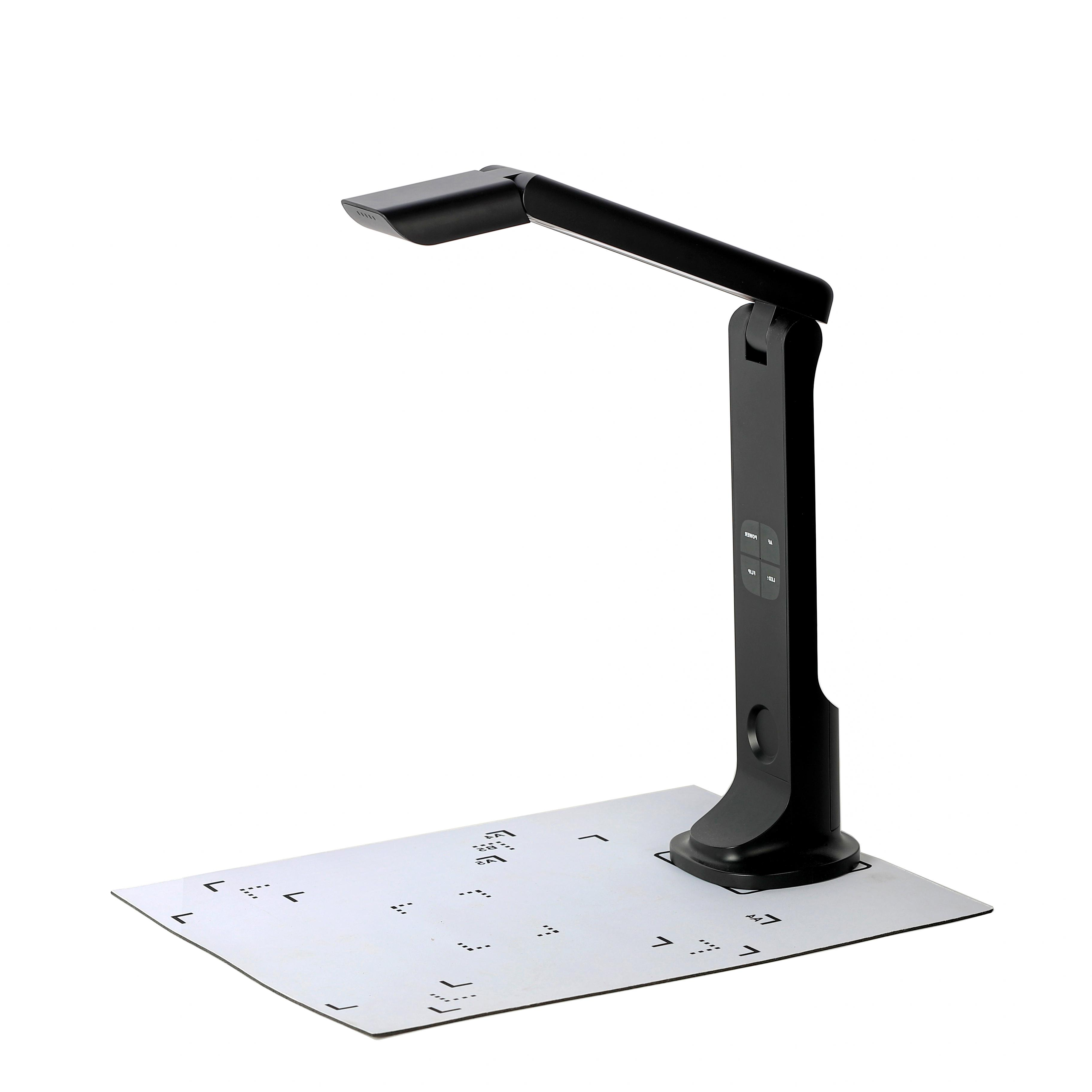
ShenMaiDi MD-13MT Home A3 Document Scanner Large Format 13MP Resolution CMOS Sensor USB Foldable LED Light Automatic Visual
- 13MP
- A3
- USB
- Foldable
Why Wall-Mounted Document Cameras Require a Different Factory Audit
A wall-mounted document camera is not simply a desktop visualizer with a bracket. It is a fixed-position imaging system that must survive daily classroom or meeting-room use, repeated arm movement, projector glare, cable strain, dust, and non-technical operators. Buyers searching for a wall mounted document camera factory usually need a supplier who can control optics, firmware, mechanical parts, packaging and after-sales documentation—not just assemble a camera head.
Do not compare megapixels without comparing capture distance, lens distortion, LED diffusion, mounting rigidity and firmware support. A 13MP camera with poor glare control can produce less usable teaching images than a well-tuned 8MP unit. Likewise, a factory that cannot document torque tests, cable strain relief or firmware version control creates hidden installation risk for integrators.
This whitepaper treats “Top 10” as a risk-weighted sourcing framework rather than an unverified directory of company names. The strongest wall-mounted document camera factory is the one that can prove mechanical stability, optical consistency, OEM/ODM execution and export documentation under real project conditions.
 SGS assessedfactory verification
Top 10 Wall Mounted Document Camera Factory Capabilities to Audit Before You Shortlist
Use these ten audit points as a scoring model when comparing quotations. A factory does not need to excel at every item, but the weakest link determines installation risk, resale margin and after-sales cost.
1. Wall-Mount Mechanical Engineering
Ask for drawings, torque specifications and a deflection test with the camera head extended. Check whether the arm uses metal reinforcement at the pivot, cable strain relief and a service loop that prevents USB or HDMI damage after repeated repositioning.
2. Optical Path & Sensor Matching
Confirm the lens, sensor size and image signal pipeline as a matched set. A factory that changes CMOS suppliers without recertifying focus, color and distortion creates inconsistent batches. Request sample images at A4 and A3 edges, not just a center-frame product photo.
3. LED Lighting & Glare Control
Classroom projectors, glossy book paper and whiteboards all create reflections. Ask how the LED is diffused and whether brightness can be adjusted in steps. A serious factory can show a glare test on glossy paper and explain color temperature consistency across production runs.
4. A3/A4 Framing & Focus Stability
Test autofocus and fixed-focus behaviour under different light levels. A wall-mounted unit should hold focus during page turns and hand movement. Ask for a 30-minute continuous-capture test to check focus drift, image noise and thermal effects around the LED and sensor.
5. OCR, SDK & Firmware Ownership
For integrators, firmware is product strategy. Confirm whether the factory writes or controls firmware, supports SDK access, provides OCR text recognition, and can freeze a firmware version for tender approval. Buyer-label production without firmware control can complicate future updates.
6. Connectivity for Hybrid Classrooms
Check the real mix of USB, HDMI, Type-C, SD card and optional wireless modules. Ask whether PC-free presenting is supported on the HDMI model, whether USB-C carries power and video, and whether drivers work with common interactive whiteboard software used in your market.
7. Compliance & Test Documentation
Document camera ranges should be supported by CE evidence; audio models may list CE/CCC/FCC/ROHS and ISO9001 depending on configuration. Request test reports, label artwork, packaging artwork and declaration files before tender submission, not after the purchase order.
8. SGS Verification & QC Traceability
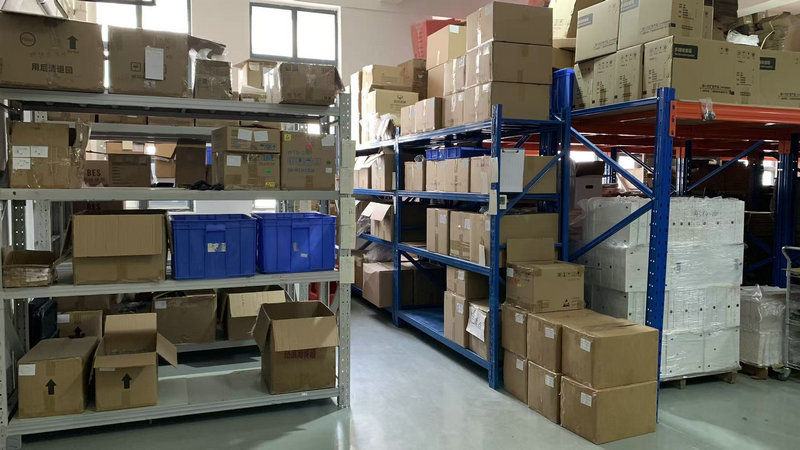
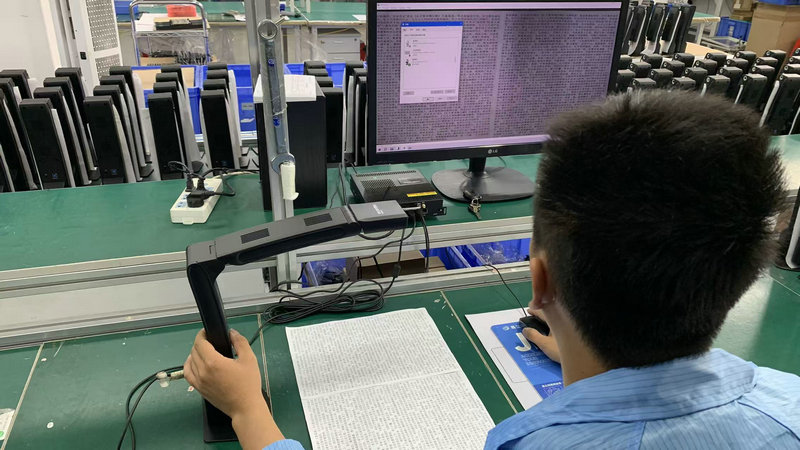
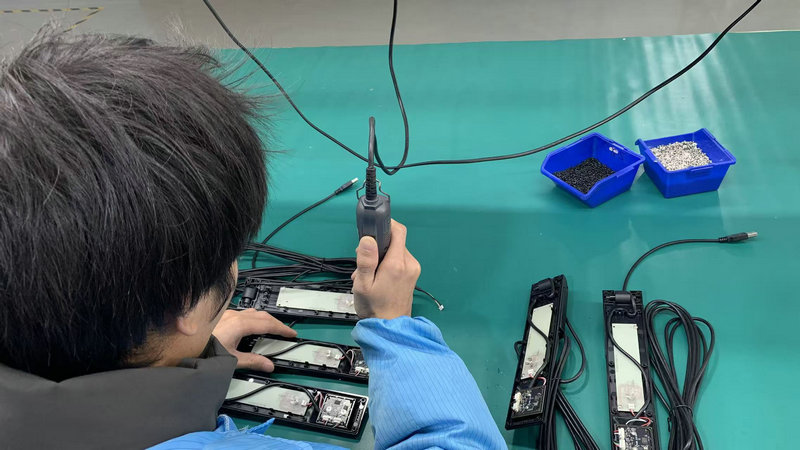
An onsite SGS supplier assessment is not a substitute for product testing, but it reduces trading-company risk. Ask how raw materials, firmware burning, assembly, QC and packing are recorded. Batch traceability matters when a school group reports a defect six months after installation.
9. OEM/ODM & Buyer-Label Execution
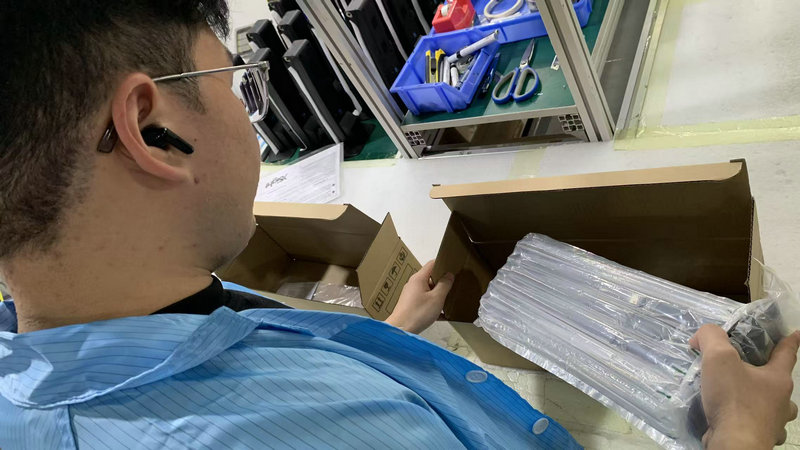
Verify logo printing, custom gift boxes, graphic customization, buyer-label cartons and firmware welcome screens. A strong factory provides artwork templates, proofing steps and packaging drop-test photos. This shortens launch time for distributors who sell under their own education brand.
10. Lifecycle Support, MOQ & Export
Confirm MOQ by model, sample policy, warranty terms, spare-parts availability, FOB terms and payment currency. Selected document cameras can start from one piece; most models range from 4–5 pieces; interactive whiteboards typically start around 30 pieces. Plan spares and firmware updates before reselling.
Shenzhen Kawelo Electronic Technology Co., Ltd.
Shenzhen Kawelo Electronic Technology Co., Ltd. is a manufacturer with an integrated trading function, founded in 2019 near the Guangming Science City high-tech park. Its founder has spent 18 years developing visualizers, cameras and teaching equipment—experience that directly shapes document camera optics, firmware and classroom usability.
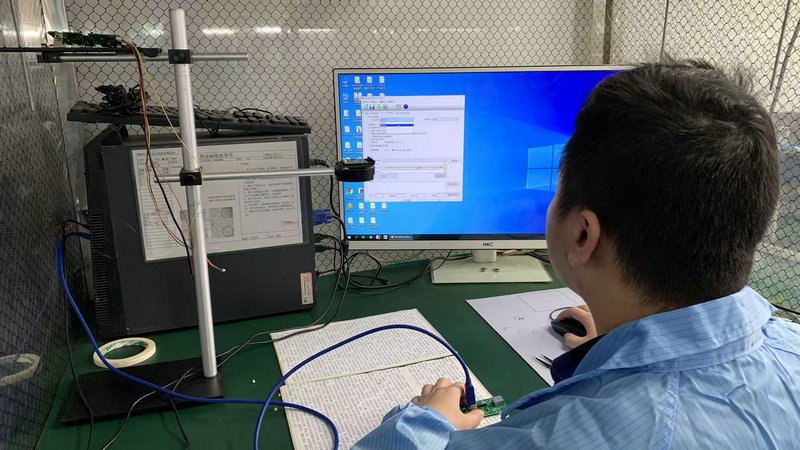
Production is based in Dongguan, Guangdong, with an onsite SGS supplier assessment, a production floor of up to 3,000 m² and an 11–50 person team covering R&D, production and sales. The company handles chip-level solution selection, imaging and sensing algorithms, firmware burning, audio tuning, assembly, QC and export packing in-house.
- Business typeManufacturer & trading company
- Team11–50 staff incl. R&D, production, sales
- Annual outputUS$2.5M – US$5M
- Contract manufacturingOEM, design service, buyer label
- QualityQuality-management certified; CE document camera range
- VerificationSGS onsite supplier assessment passed
For distributors and integrators, the practical advantage is single-factory coordination across document cameras, interactive whiteboards, conference cameras and classroom audio. That reduces BOM fragmentation for classroom projects and simplifies packaging, documentation and after-sales communication.
Get Catalog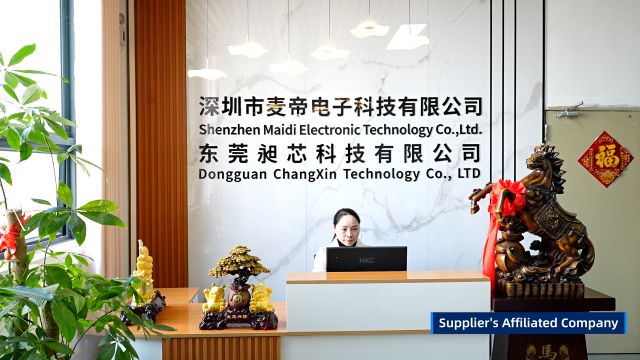
Recommended Models by Procurement Scenario
Match the teaching or meeting-room workflow first, then confirm resolution, capture area and connectivity. These selections use factory-ready models from the product grid above.
A3/A4 Digital Document Camera
Use this model when teachers need adjustable LED lighting, A3/A4 material capture and USB connection to a PC or interactive display. It suits primary and secondary classroom demonstrations where everyday reliability matters more than PC-free presenting.
View recommended modelMD-16MT A3 Scanner with OCR
Specify the 16MP CMOS scanner when the project includes book scanning, paper-to-text workflows or library digitization. OCR text recognition is useful for schools and offices, but always validate OCR accuracy with your own sample documents and language set.
View recommended modelShenMaiDi MD-13MT A3 Scanner
The 13MP large-format scanner is a practical option for home offices, school libraries and resellers that need A3 capture at a competitive price. Confirm USB driver support, LED brightness control and packaging requirements before tender submission.
View recommended modelPortable A4/A3 USB Visual Presenter
For itinerant teachers, training teams and demo units, a portable high-speed visual presenter provides quick deployment without permanent mounting. Pair it with a fixed wall-mounted document camera for lecture halls that need both shared and personal capture.
View recommended modelSHENMAIDI MD-S50A 50W Integrated Speaker
Add intelligible voice reinforcement to classrooms where teachers report vocal strain or poor rear-row audibility. The 50W integrated stereo speaker system is relevant for education projects that combine visual presenters with audio amplification.
View recommended modelSHENMAIDI MD-S50A Infrared Stereo Amplifier
Use the infrared integrated model when the specification calls for a distinct classroom audio configuration. Ask the factory to confirm certification, warranty terms and installation accessories for your tender before finalizing the bill of materials.
View recommended modelFuture Procurement Trends for Wall-Mounted Document Cameras
Buyers are shifting from “lowest unit price” to “lowest project risk.” The trends below are especially relevant for education tenders, AV integration projects and distributor private-label programs from 2025 onward.
Total Cost of Ownership Over Sticker Price
Procurement teams increasingly compare installation labor, spare-parts availability, warranty logistics and firmware support. A wall-mounted unit that is difficult to service can cost more over five years than a slightly higher-priced model with accessible cables and documented maintenance procedures.
4K/16MP and Edge-to-Edge A3 Capture
Resolution alone no longer wins a tender. Buyers ask for edge sharpness, low distortion, glare reduction and consistent color when capturing textbooks, forms and handwritten notes. Specifications are moving toward 4K or 16MP for premium visual presenters while 13MP remains relevant for cost-controlled projects.
Software-Defined Workflows: OCR, SDK, Privacy
Education buyers want document cameras to feed collaboration software, OCR engines and content-management systems. Integrators should ask who controls SDK access, how firmware updates are validated and whether local storage or cloud handling meets school data policies.
Hybrid AV Interoperability
USB is no longer enough for every room. Buyers compare HDMI, Type-C, SD card and optional wireless casting to support BYOD teaching, lecture capture and meeting-room displays. A factory that understands the full room—not only the camera head—reduces integration friction.
Compliance Documentation & Supplier Traceability
Tenders are asking earlier for CE, RoHS, FCC, CCC or ISO9001 evidence depending on product type and destination market. SGS onsite assessment, QC records and batch traceability help distributors answer pre-qualification questionnaires with less delay.
Modular Tender Bundles
Distributors prefer suppliers that can bundle document cameras, interactive whiteboards, cameras and audio with consistent branding and documentation. This trend favors factories with multiple in-house product lines over single-category traders that must coordinate several upstream vendors.
Product Development Trends Buyers Should Anticipate
Wall-mounted document cameras are becoming integrated imaging terminals rather than simple cameras. These six development directions will affect specifications, factory selection and resale positioning.
4K as a Premium Baseline
Premium visual presenters are moving toward 4K output for large displays and lecture capture. For tender clarity, separate “sensor resolution,” “output resolution,” “lens quality” and “frame rate,” because marketing labels often mix these specifications.
AI-Assisted Image Enhancement
Auto skew correction, text enhancement, shadow reduction and OCR pre-processing are becoming product differentiators. Buyers should test these features on real classroom materials—handwritten notes, glossy textbook pages and low-contrast print—not only clean lab samples.
USB-C, HDMI and Wireless Casting
Hybrid classrooms want one camera to serve a PC, an interactive display and a wireless casting workflow. Product roadmaps are adding USB-C, HDMI and network-friendly modes, but the factory must manage heat, power delivery and driver stability across all configurations.
Slimmer Arms with Stronger Torque
Wall-mounted products must balance thin industrial design with pivot durability. Next-generation designs use reinforced hinges, controlled damping and cleaner cable routing so the camera stays stable when teachers adjust the head multiple times per lesson.
Thermal-Aware LED Design
Brighter LEDs improve document capture but can introduce heat near the sensor and plastic housing. Buyers should ask for thermal test data and continuous-use behaviour, especially for fixed installations where the camera may remain powered for a full school day.
Repairable Modular Construction
Schools and integrators prefer products that can be serviced with replaceable camera heads, cables and mounting plates. Modular design reduces downtime and supports longer procurement cycles, while also creating spare-parts revenue for distributors.
Directional Buyer Priority Index
A qualitative planning tool based on export-inquiry patterns and tender-document review. Use it to start a specification discussion; validate final requirements with your own project data.
Wall-Mounted Document Camera Sourcing FAQ
Questions procurement teams ask before requesting samples, datasheets and tender documents. Answers below reflect the factory information available for Kawelo and the product lines shown above.
Is Kawelo a manufacturer or a trading company?
What OEM and ODM customization is available?
What is the minimum order quantity?
Which certifications do your products and factory hold?
Do your document cameras support SDK and OCR integration?
What payment and delivery terms do you accept?
What warranty do you provide?
Which markets do you export to?
How do I specify a wall-mounted document camera for a tender?
How can I reduce glare and shadow in wall-mounted installations?
What tests should I request before approving a sample?
Can you supply spare parts and installation documentation?
Request the Wall-Mounted Document Camera Factory Catalog
Send your quantities, target specifications and destination market. The factory can recommend matching document camera, scanner, whiteboard and audio models, share datasheets, confirm MOQ and arrange samples for tender evaluation. Email: info@kawelotech.com