8 Production-Ready A4/A3 Document Scanners, Visual Presenters & Classroom Devices
These are current Kawelo production models for distributors, tender teams and AV integrators. Image ratios are preserved, and every product link uses the original catalogue path.
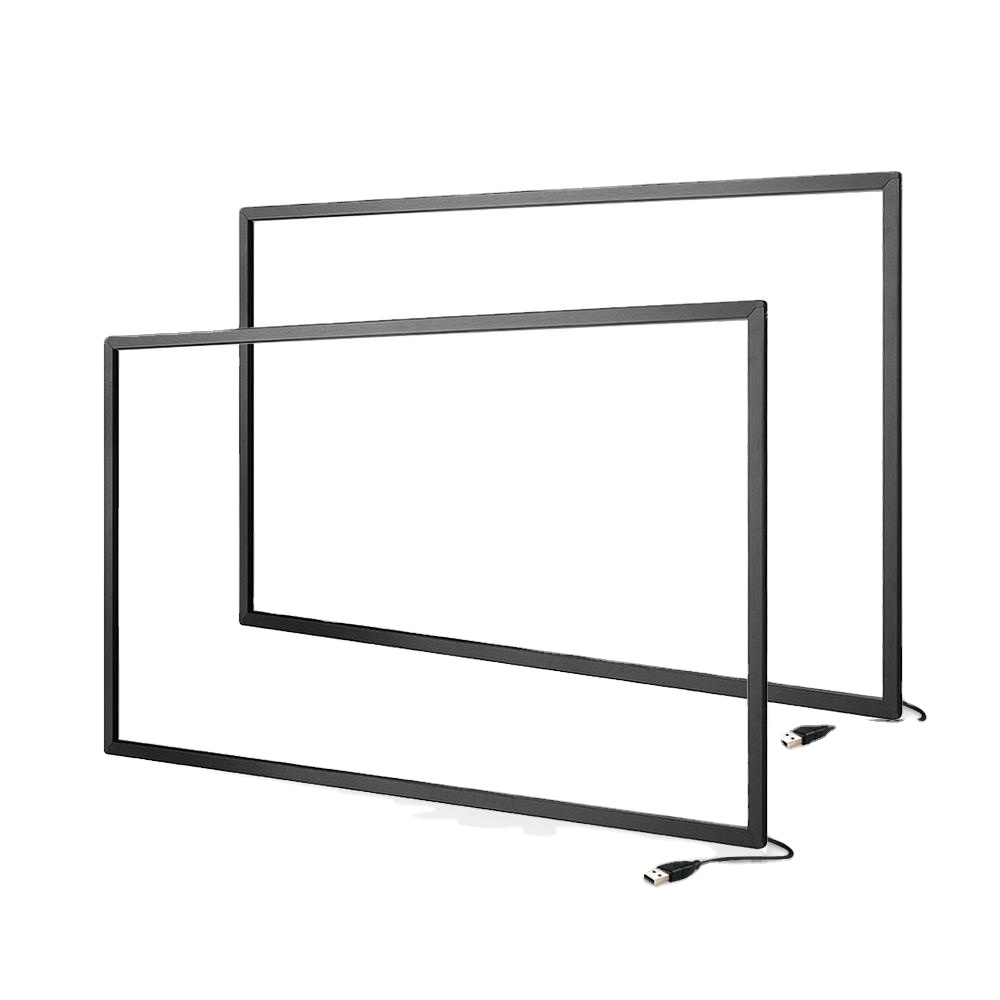
60-Inch Infrared Touch Frame with 20 Touch Points USB Interface for Conference
- 20-point IR
- USB
- Conference
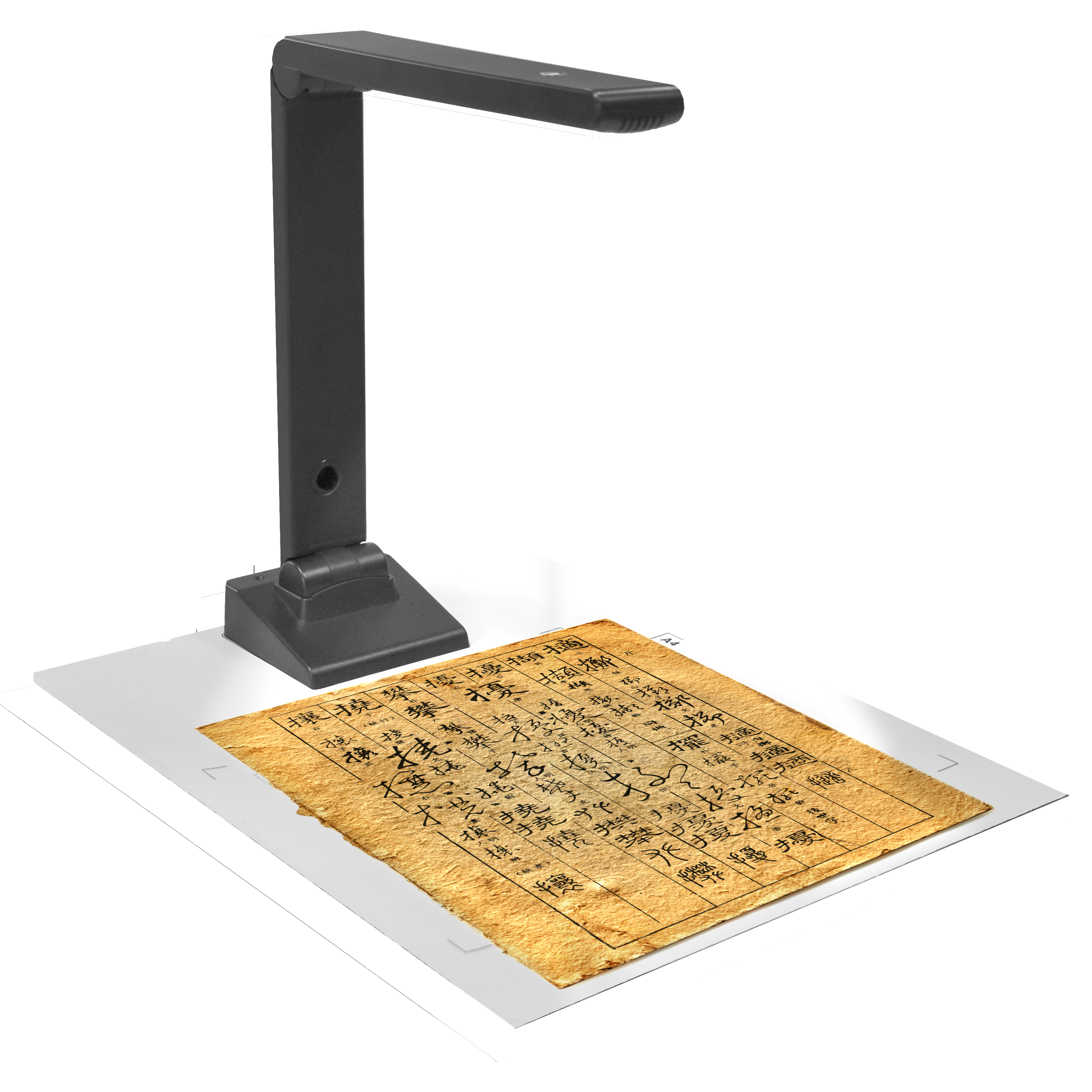
8 Megapixel Plastic Foldable Document Camera USB LED Light Portable Book Scanner OCR
- 8MP
- OCR
- Foldable
- USB
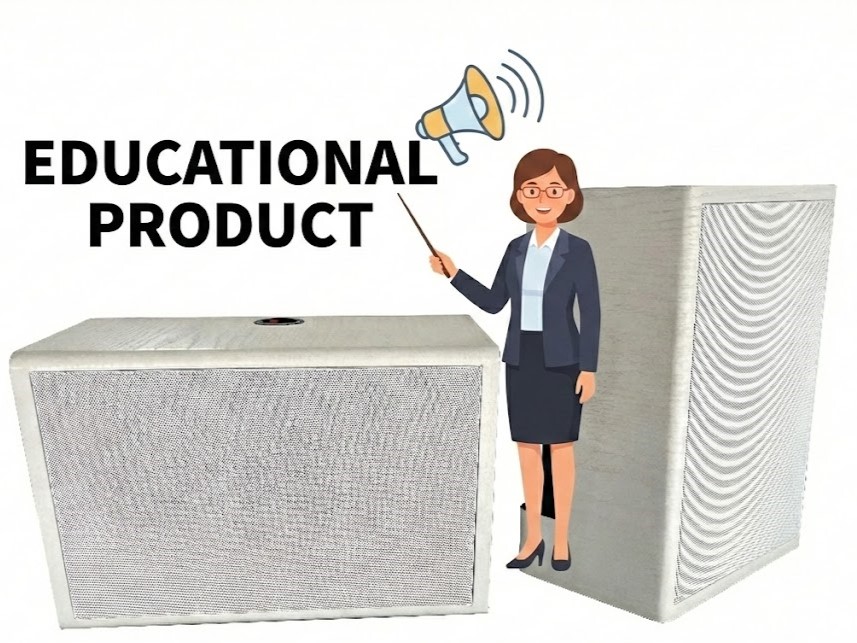
SHENMAIDI MD-S50A 50W Education Infrared Integrated Stereo Sound Amplifier CE Certified
- 50W
- CE
- 1-year warranty
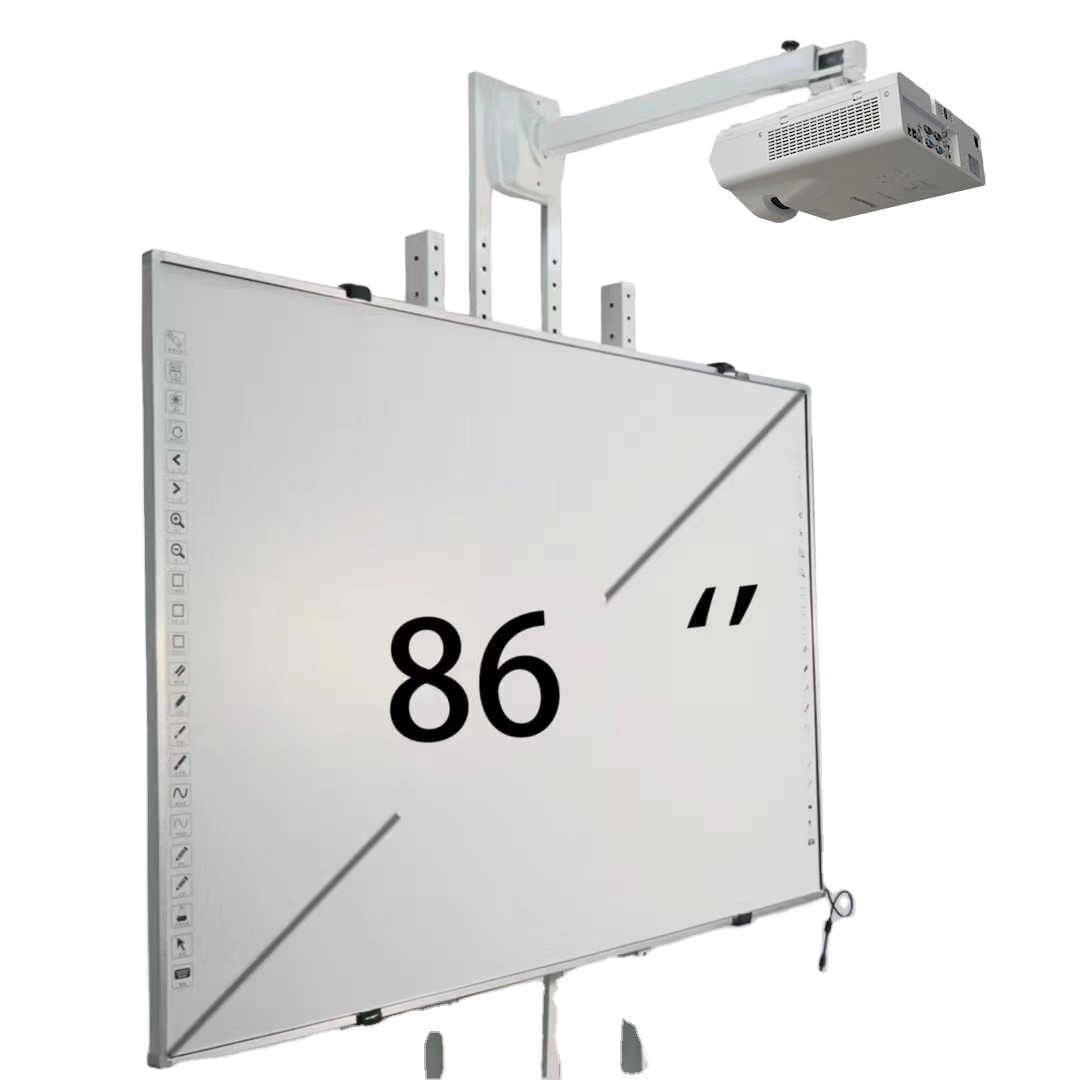
86 Inch Interactive Smart Board for Classroom Use Dual-System Metal PET Whiteboard
- 86 inch
- Dual system
- Multi-touch
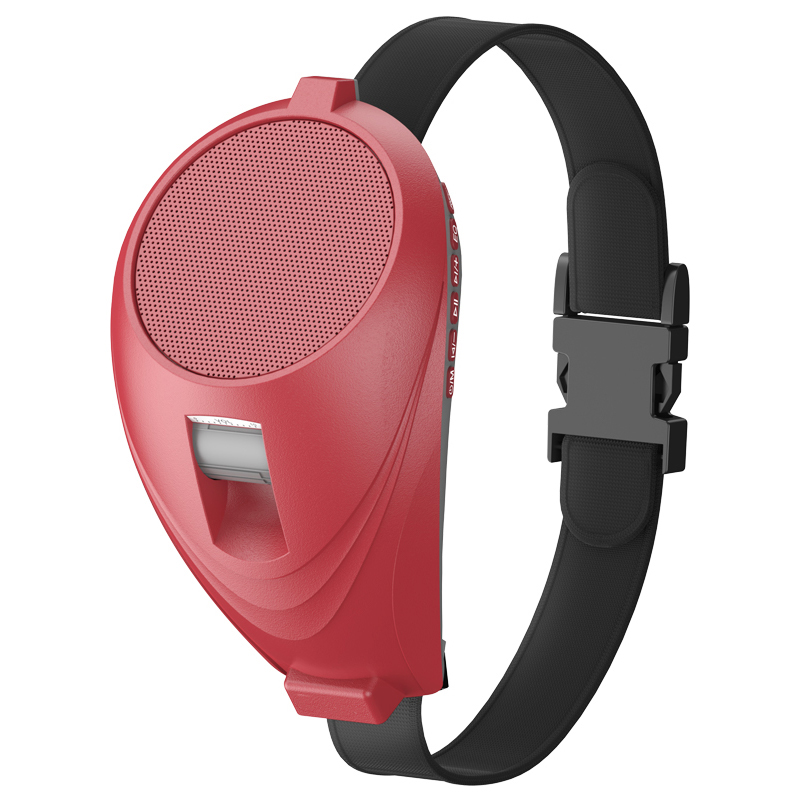
Wireless 5.0 Active Mini Megaphone 5000-10000mAh Battery Super Bass Stereo Sound Portable Speaker
- Bluetooth 5.0
- Portable
- Super bass
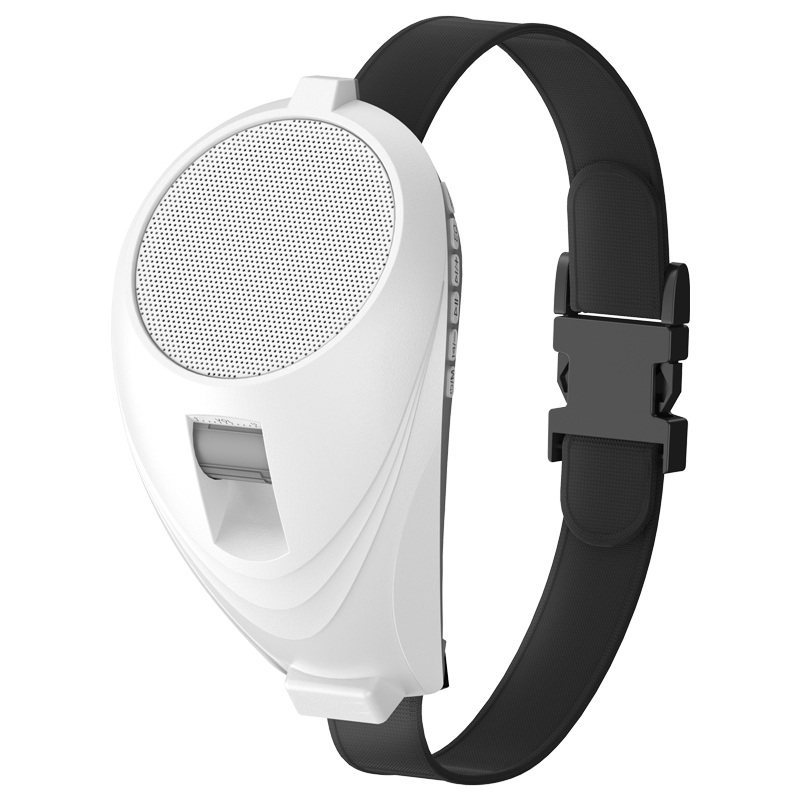
Wireless Active Mini Megaphone Belt-Mounted V5.0 20W Output 5000mAh Battery Stereo Sound
- 20W
- 5000mAh
- Belt-mounted
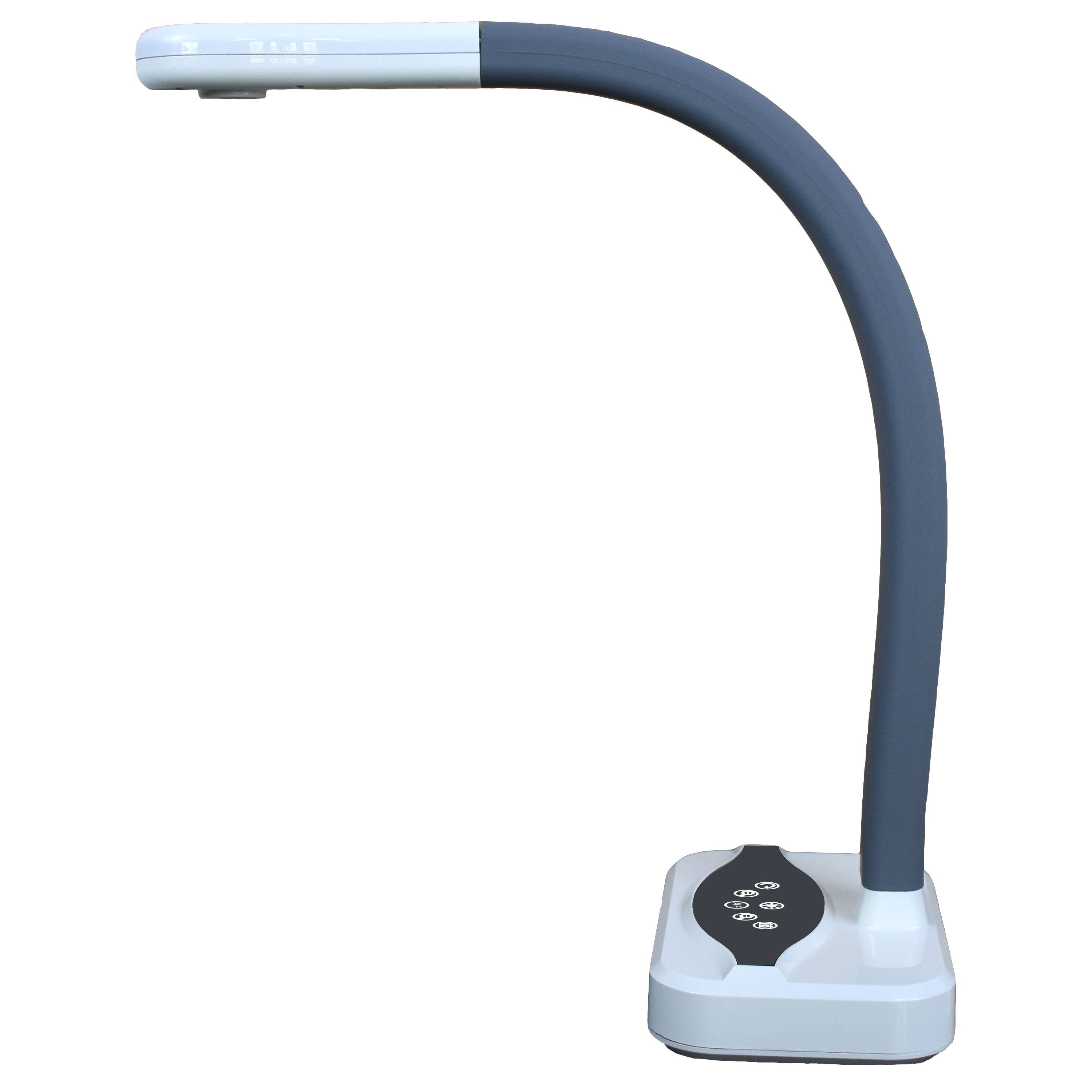
ShenMaiDi 13MP White Foldable Plastic Document Camera Scanner CMOS Sensor A3/A4 USB
- 13MP
- A3/A4
- CMOS
- 1s scan
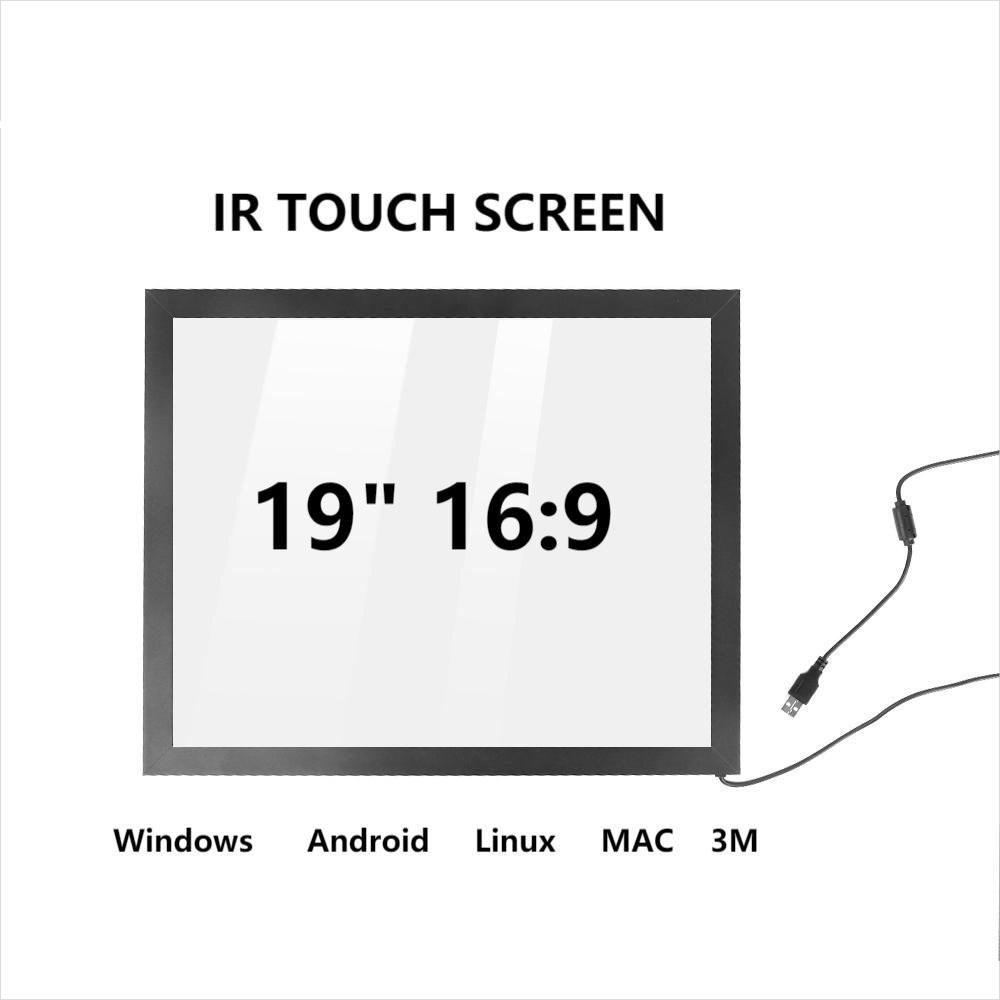
19 Inch 16:10 USB Interface Infrared Touch Frame with Glass Multi-Touch IR Touch Frame
- 19 inch
- 16:10
- USB
- Glass
What Makes a China A4 Document Scanner Factory Truly Top-Tier?
The phrase “top China A4 document scanner factory” is easy to publish and hard to prove. For professional buyers, top-tier is not the supplier with the loudest listing; it is the manufacturer that can show a stable production floor, repeatable image quality, firmware control, test records and a clear route from sample to container.
It also means understanding that an A4 document scanner can describe different products. In classroom, meeting-room and government-counter projects, it usually means an overhead camera-based scanner—often called a document camera or visual presenter—with a 13MP or 16MP CMOS sensor, A4/A3 capture area, LED fill light, OCR and USB UVC output. In records-heavy environments, it may describe a book-edge scanner or flatbed/ADF device. The right question is not “which scanner is cheapest?” but “which capture workflow is being purchased?”
Kawelo’s range covers 13MP and 16MP foldable document cameras, an A3 OCR scanner, 4K visual presenters, interactive whiteboards, IR touch frames, audio systems and conference cameras. That matters for procurement because a single supplier reduces interface risk between the scanner, display, touch frame and audio system. However, one supplier is only useful when the factory can prove it controls the details that affect daily use: image geometry, LED uniformity, OCR accuracy, driver-free USB compatibility, hinge durability and firmware rollback.
This guide combines Kawelo’s manufacturing data with sourcing questions from education distributors, AV integrators, government tender teams and corporate training buyers. Use it to compare suppliers, build a better RFQ and identify the product that fits the workflow before discussing price.
Fast supplier screen for A4 document scanner projects
- Can the supplier explain A4 and A3 capture geometry in centimetres, not marketing language?
- Does the camera output UVC so it works without a proprietary driver?
- Are OCR languages, SDK versioning and firmware updates documented?
- Is the factory SGS-assessed, and is the document camera range CE-certified?
- Can they provide a mixed container with document cameras, touch frames and audio?
- Will they test a sample with your software before you approve the PO?
Match the A4 Document Scanner to the Buying Intent
Search intent for “A4 document scanner supplier” is not one market. Teachers, tender writers, software integrators and AV distributors need different evidence and different hardware bundles.
For K–12 and hybrid teaching
Choose a 13MP or 16MP foldable document camera with A3/A4 capture, LED fill light and USB plug-and-play. The 13MP white foldable model is a practical starting point for classrooms that need clear book, worksheet and object demonstration without a PC-heavy setup.
For OCR, library and assessment
Specify an OCR-ready book scanner with a stable image pipeline and documented output formats. The 8MP foldable OCR document camera is suited to text capture, while buyers needing wider tables should evaluate A3 OCR models and request sample scans in the target language.
For tender-ready smart classrooms
Bundle the document camera with an 86-inch interactive smart board, IR touch frame and classroom audio. One supplier reduces cable, mounting and compatibility risk, and makes it easier to present a single BOM to evaluation committees.
For corporate training and meeting rooms
Pair a 4K visual presenter or document camera with portable audio and conference cameras. Buyers in this segment care about HDMI/UVC simplicity, fast setup, clean cable routes and predictable firmware behaviour across meeting platforms.
A4 Document Scanner Procurement Trends Reshaping 2026–2028 Buying
Procurement teams are moving from “buy a camera” to “buy a documented capture workflow.” Price still matters, but compatibility, serviceability and tender evidence now decide repeat orders.
Single-cable USB-C and UVC demand
Buyers increasingly require driver-free USB video class output so the scanner works with Windows, macOS, ChromeOS and common conferencing software. This reduces installation time across multi-site school rollouts.
AI-assisted OCR at the edge
OCR, de-warping and edge detection are moving closer to the device. Education and government buyers want local processing for privacy and faster feedback, while integrators want a stable SDK rather than a black-box app.
Hybrid classroom and BYOD resilience
Teachers now present from their own laptops and tablets. A4 document scanners that offer native HDMI, USB and flexible mounting are easier to support than models tied to a single teaching platform.
Tender-ready room bundles
Instead of sourcing a scanner, touch frame, display and speaker separately, projects increasingly ask suppliers to quote a coordinated classroom or meeting-room kit with one warranty path and one packing list.
Privacy-first local capture
Schools and public agencies are cautious about forced cloud storage. Local capture, optional SD storage and clearly documented data flow help suppliers pass security review without adding complexity for users.
Total cost of ownership over unit price
Firmware update policy, spare parts, hinge life, LED life, warranty handling and carton protection now count in TCO analysis. A lower-priced scanner with poor driver support becomes expensive after deployment.
What the Next A4 Document Scanner Will Include
Based on current Kawelo product data and buyer inquiries, the next generation of classroom and office document scanners will be judged less on megapixels alone and more on integration quality.
The practical outcome is not a more complicated scanner. It is a device that needs fewer local drivers, handles imperfect pages faster, and gives integrators a reliable SDK so document capture can be added to their own software. For buyers, the best proof is a sample unit tested with your OCR language, your notebook hardware and your existing display or touch frame. A supplier who can support that test before the order is usually safer than one who only shares a brochure.
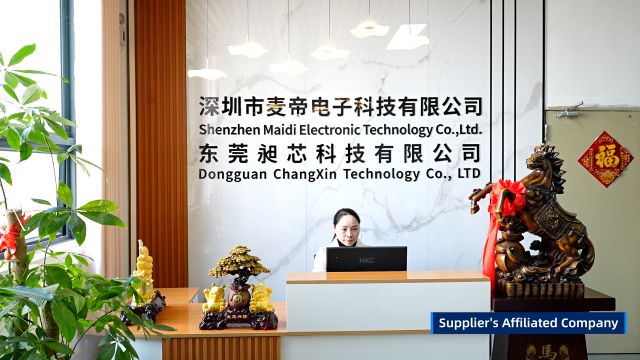

Inside Shenzhen Kawelo Electronic Technology: The Factory Behind the Supplier Claim
Shenzhen Kawelo Electronic Technology Co., Ltd. is a manufacturer with integrated trading functions. Founded in 2019 near the Guangming Science City high-tech park, the company operates from a production base in Dongguan, Guangdong. The founder brings 18 years of experience in visualizers, cameras and teaching equipment, and the current team of 11–50 staff covers R&D, production, sales and QC.
The factory has passed an SGS onsite supplier assessment, the document camera range carries CE certification, and quality management processes are in place. Annual output is in the US$2.5M–US$5M range. For buyers, these are not decoration points: they reduce the risk of inconsistent samples, undocumented firmware changes and unclear after-sales responsibility.
Your brand, your packaging
Logo printing, custom gift boxes, graphic customization and buyer-label production for private brands. This is useful for distributors who need a local-looking product line without owning tooling.
Chip-to-firmware engineering
In-house imaging and audio algorithm work, firmware flashing and SDK support for software integrators. Firmware is flashed and verified on dedicated burning stations before assembly is finalised.
Controlled production and testing
Incoming material checks, lens and sensor cleaning, assembly, image and audio function tests, then export packing. The process is designed to catch geometry, focus and audio defects before cartons are sealed.
Flexible trial order sizes
Selected document cameras and conference cameras can start from 1 piece, most webcams and document cameras from 4–5 pieces, and interactive whiteboards typically from 30 pieces. Validate first, then scale.
Export-ready commercial terms
Kawelo accepts T/T payment in USD or HKD and quotes on FOB terms. Main export markets are Southeast Asia, Africa, North America and Oceania, with packing support for mixed education and AV orders.
Warranty and sales engineering
Document cameras carry a standard 1-year warranty. Sales engineers can share datasheets, test reports and model comparisons to help tenders and resellers shortlist faster.
From Raw Material to Export Carton: A Documented Manufacturing Route
Every unit follows the same controlled route on our floor. This is the practical answer to the question “how do you control quality?” before any order is placed.
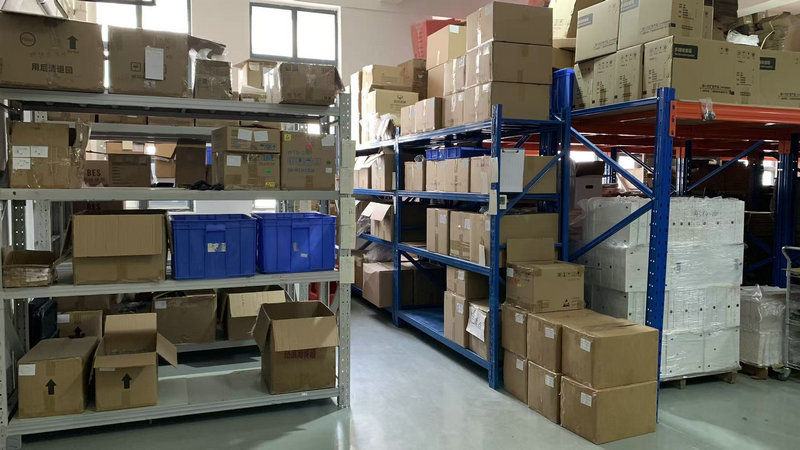
Raw material
Incoming parts are checked against the BOM before release to production.
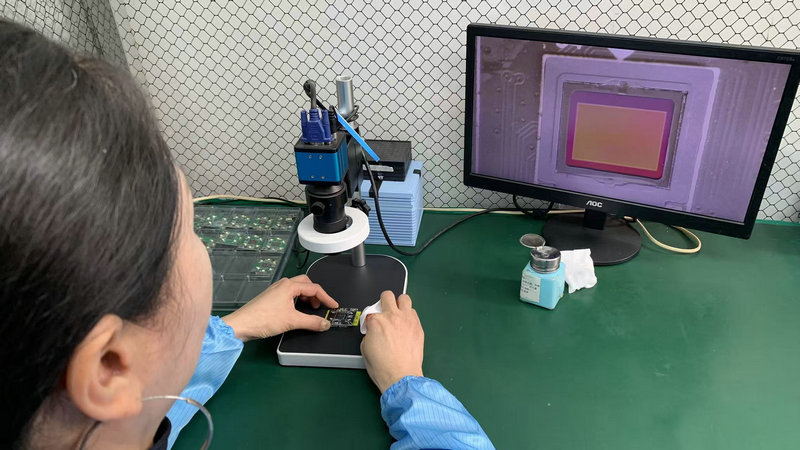
Cleaning
Lens and sensor areas are cleaned to prevent image specks and focus complaints.
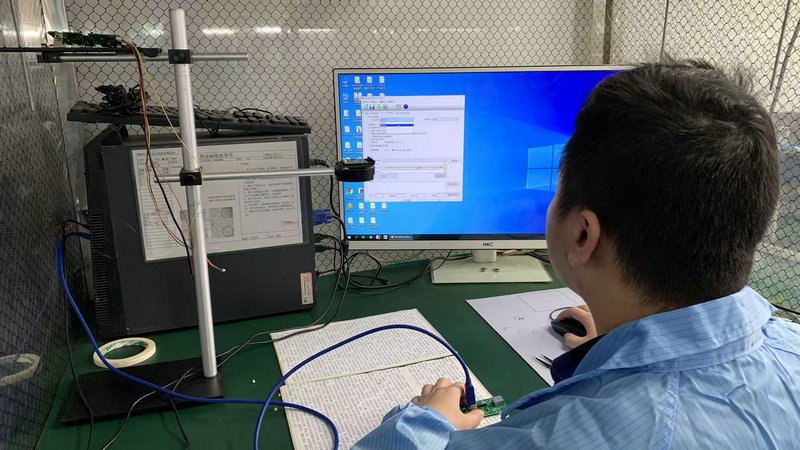
Firmware burning
Standard or customer-specific firmware is flashed and verified on dedicated stations.
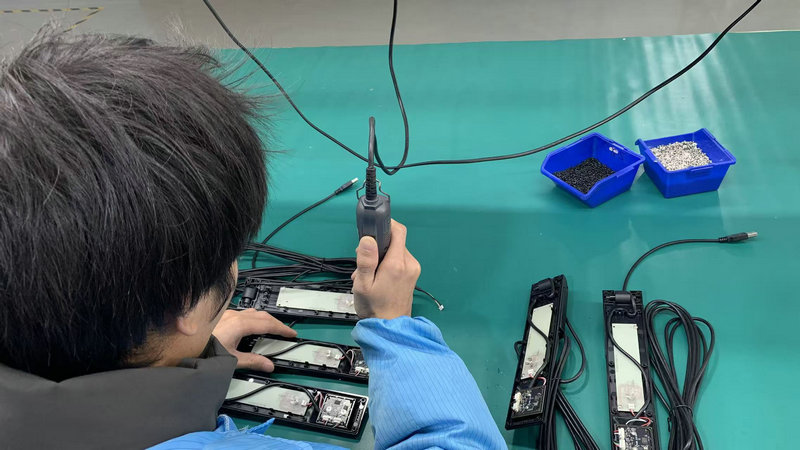
Assembly
Mechanical and electronic assembly is completed on dedicated production lines.
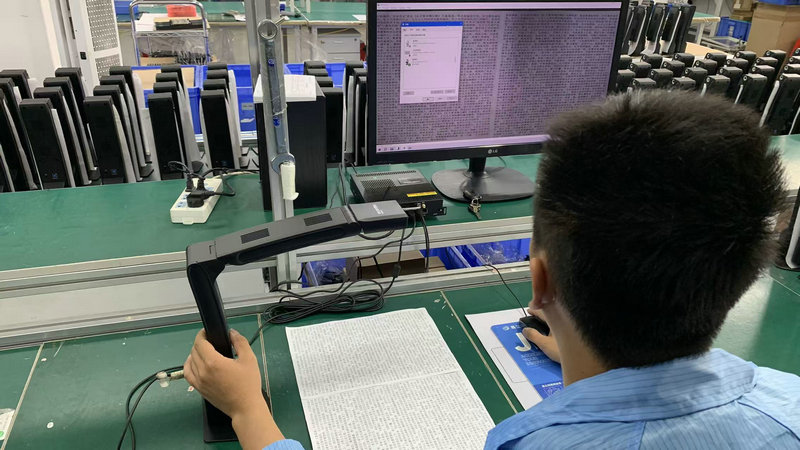
QC check
Image, audio and function tests are performed on finished units before packing.
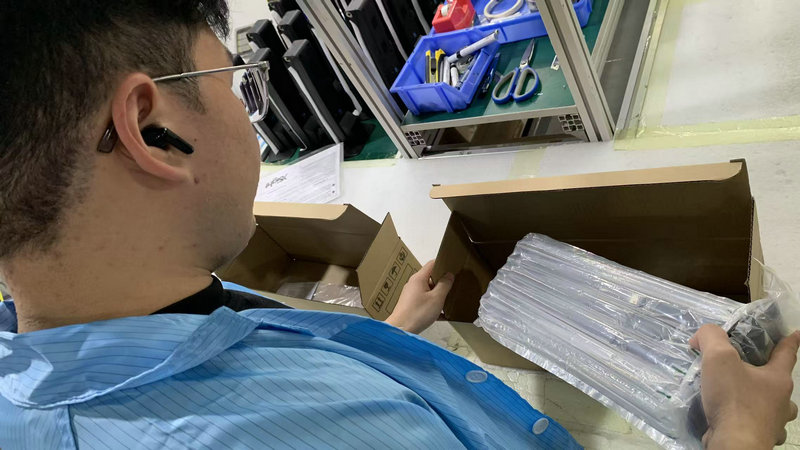
Packing
Export packing with optional buyer-label cartons and mixed-model shipment support.
A 12-Point Factory Audit Checklist for A4 Document Scanner Buyers
Use this checklist in supplier audits, video calls or sample evaluations. It is written for procurement and engineering teams who need evidence, not adjectives.
A4 Document Scanner Supplier FAQ for B2B Buyers
These are the questions procurement teams ask most before placing a first order with Kawelo. For specific tender requirements, request a datasheet pack and sample test plan.
Is Kawelo a manufacturer or a trading company?
What is the difference between an A4 document scanner and a document camera?
Can you support OEM and ODM branding and packaging?
What is the minimum order quantity for document cameras and whiteboards?
Which certifications and audits do you hold?
Do your document cameras support OCR and SDK integration?
Can I test a sample before placing a bulk order?
How do you control quality during production?
What payment and delivery terms do you accept?
What warranty do you provide?
Which markets do you export to?
How do I get the right model recommendation for my tender?
Need a Reliable A4 Document Scanner Supplier?
Send your target resolution, A4/A3 capture area, OCR languages, SDK requirement, estimated quantity and destination market. Kawelo will recommend matching models, share datasheets and arrange sample testing. Email: info@kawelotech.com