8 A4 Book Scanner and Smart Classroom Products for Buyer Evaluation
These eight listings connect a book-scanning workflow with the wider classroom or meeting-room bill of materials. Product URLs are retained from the source catalogue so procurement teams can verify models directly.
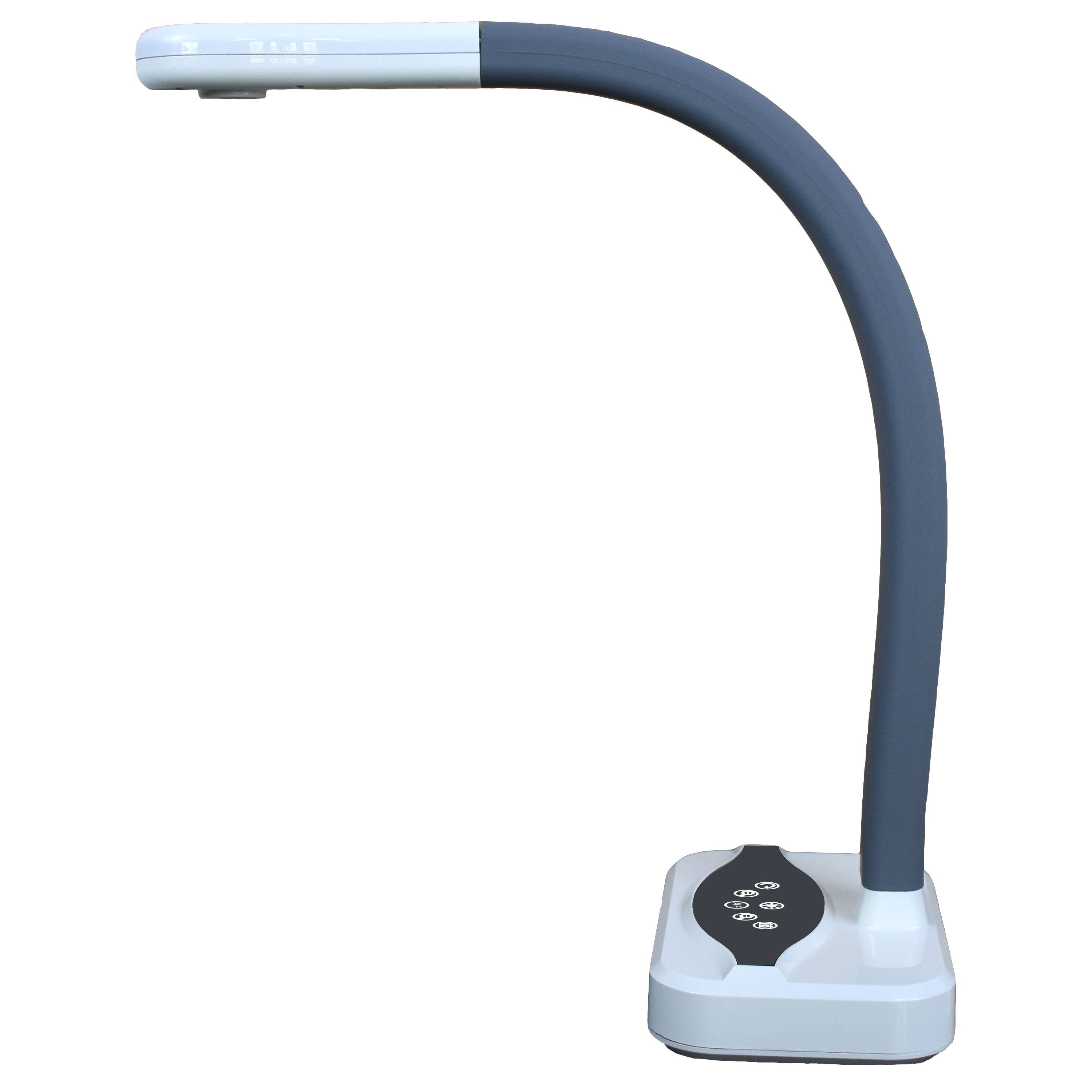
ShenMaiDi 13MP Foldable Document Camera Scanner, A3/A4 USB, CMOS, SDK for Smart Classrooms
- 13MP
- A3/A4
- USB
- SDK
Best for teacher-led presentation, textbook pages, worksheets and software integration pilots.
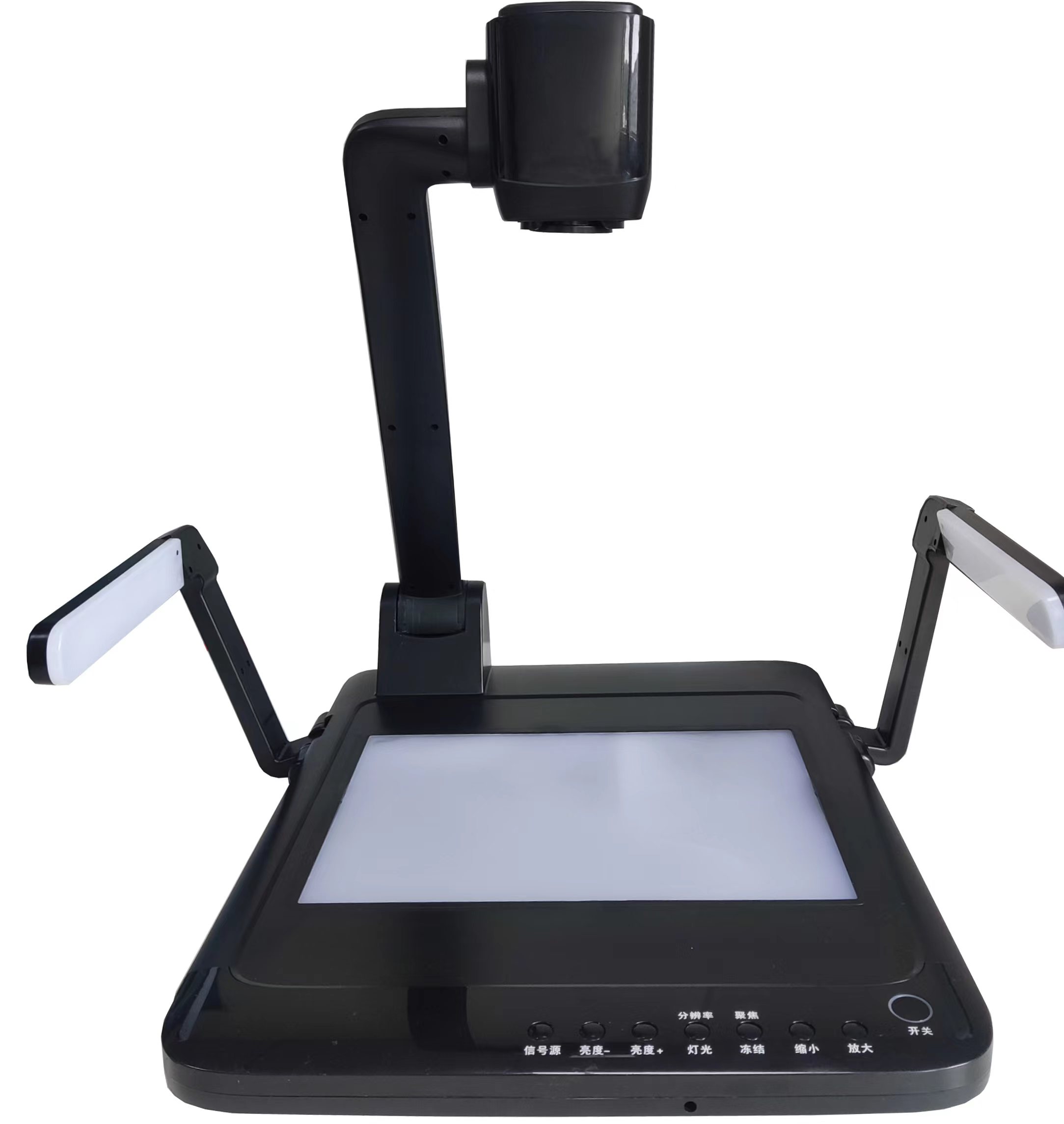
Optical Plastic Digital Projector Document Camera A3/A4, Adjustable LED, Smart Classroom Teaching
- Adjustable LED
- A3/A4
- Teaching
Best for hybrid classrooms where lighting changes and page glare affect daily use.
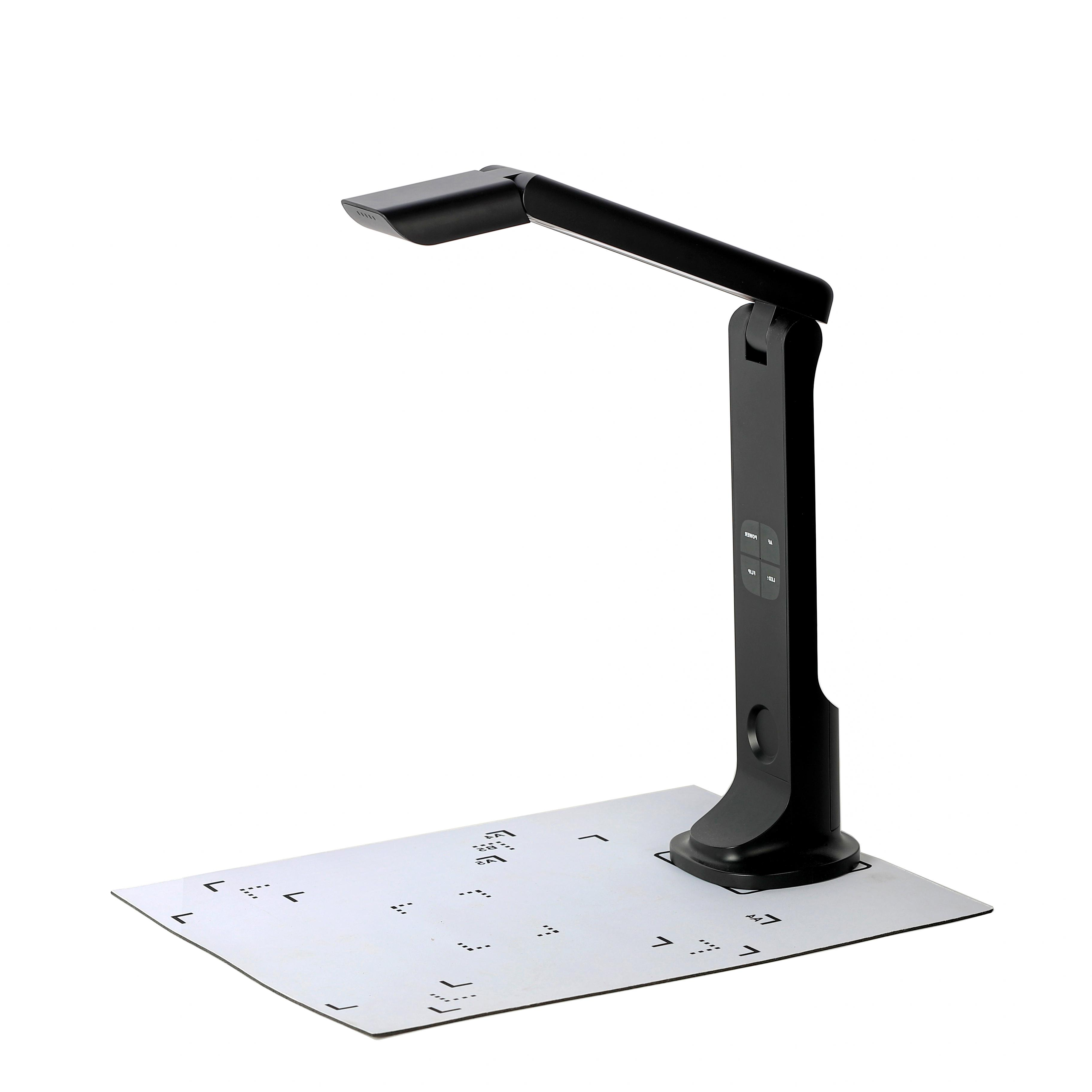
ShenMaiDi MD-13MT Home A3 Document Scanner, 13MP, Large Format, Foldable LED Visual
- 13MP
- A3
- Foldable
- LED
Best for library counters, school offices and records digitization where A3 pages are common.
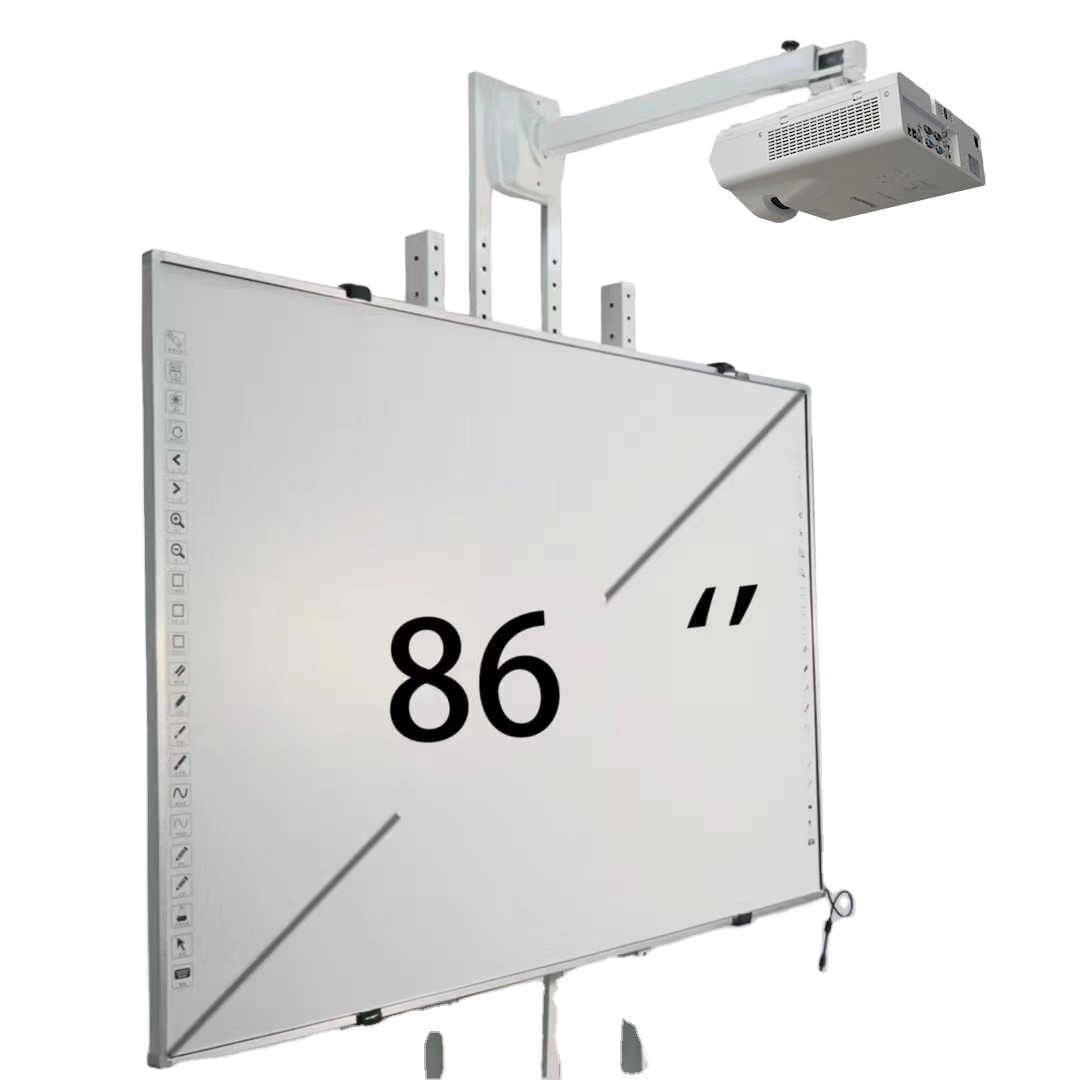
86 Inch Interactive Smart Board for Classroom, Dual System, Metal PET, 22 Shortcuts, Multi-Touch
- 86"
- Dual system
- Multi-touch
- 22 shortcuts
Best for K–12 classrooms and training rooms that need annotation plus projector-friendly writing.
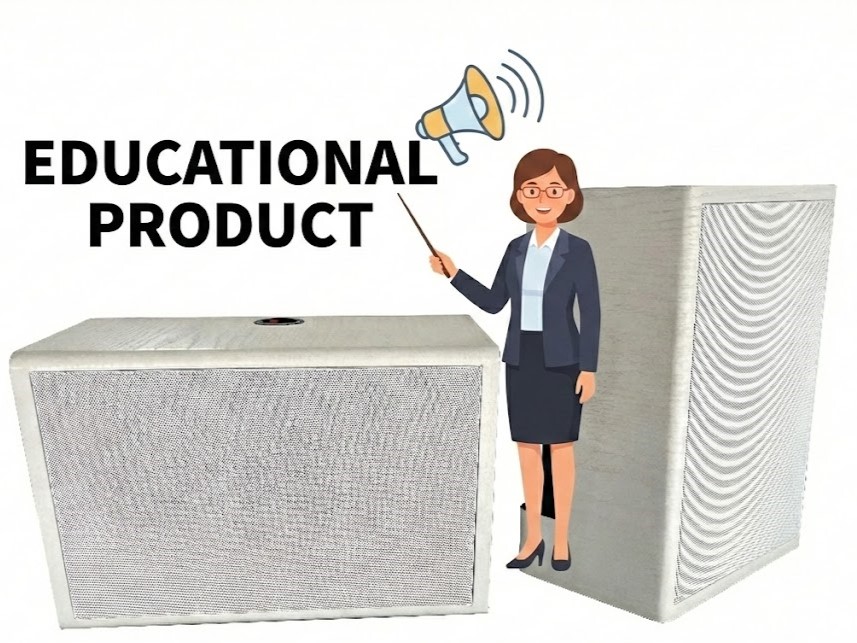
SHENMAIDI MD-S50A 50W Education Infrared Integrated Stereo Sound Amplifier, CE, 1 Year Warranty
- 50W
- Infrared
- Stereo
- CE
Best for classroom bundles where teacher voice intelligibility matters as much as visual clarity.
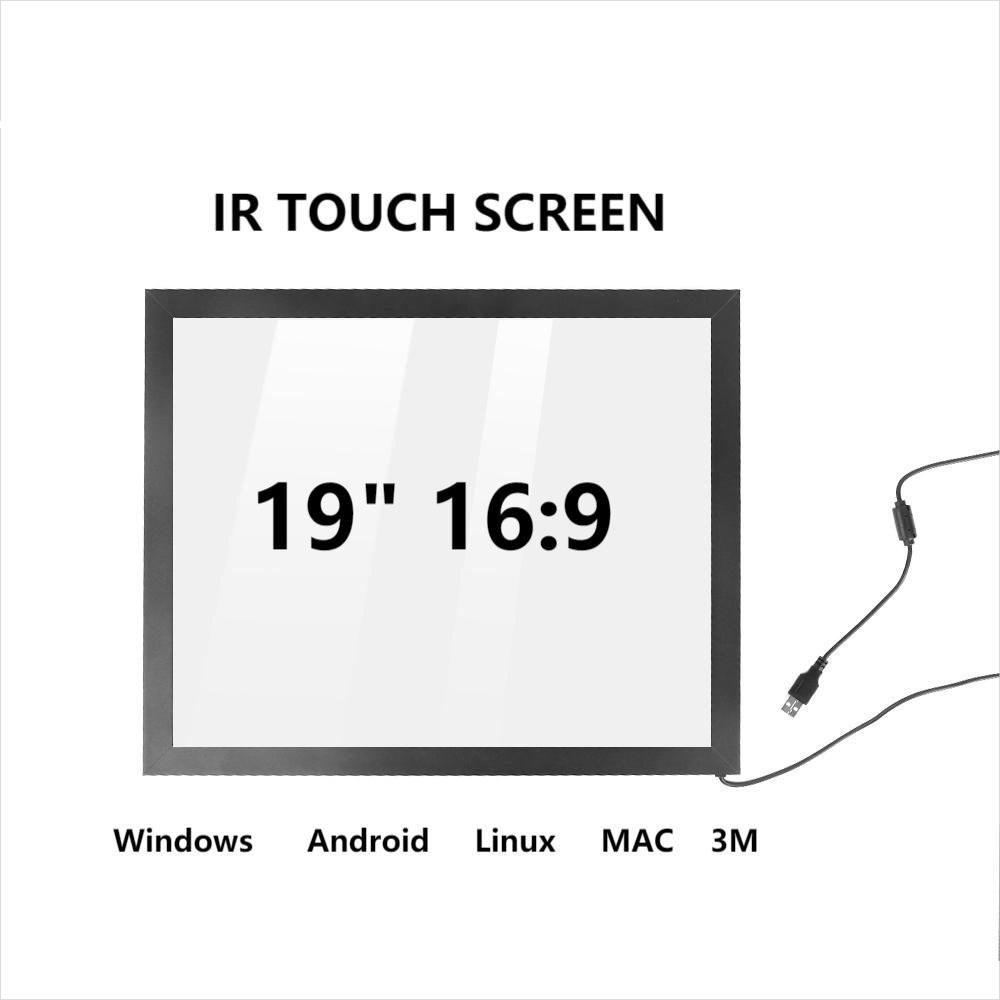
19 Inch 16:10 USB Interface Infrared Touch Frame with Glass Multi-Touch IR Technology
- 19"
- 16:10
- USB
- Multi-touch
Best for integrators converting existing displays into interactive kiosks or teaching stations.
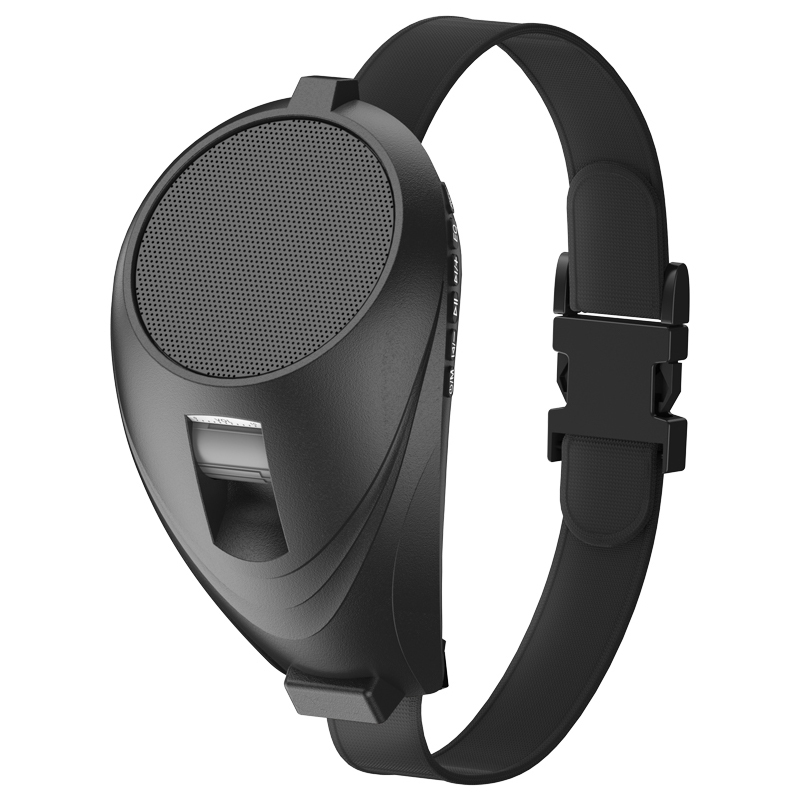
Portable 5.0 Super Bass Voice Amplifier, 5000mAh Belt-Mounted Speaker for Teachers
- 5.0
- 5000mAh
- Belt-mounted
- Super bass
Best for mobile teaching, outdoor classes and training sessions without fixed audio infrastructure.
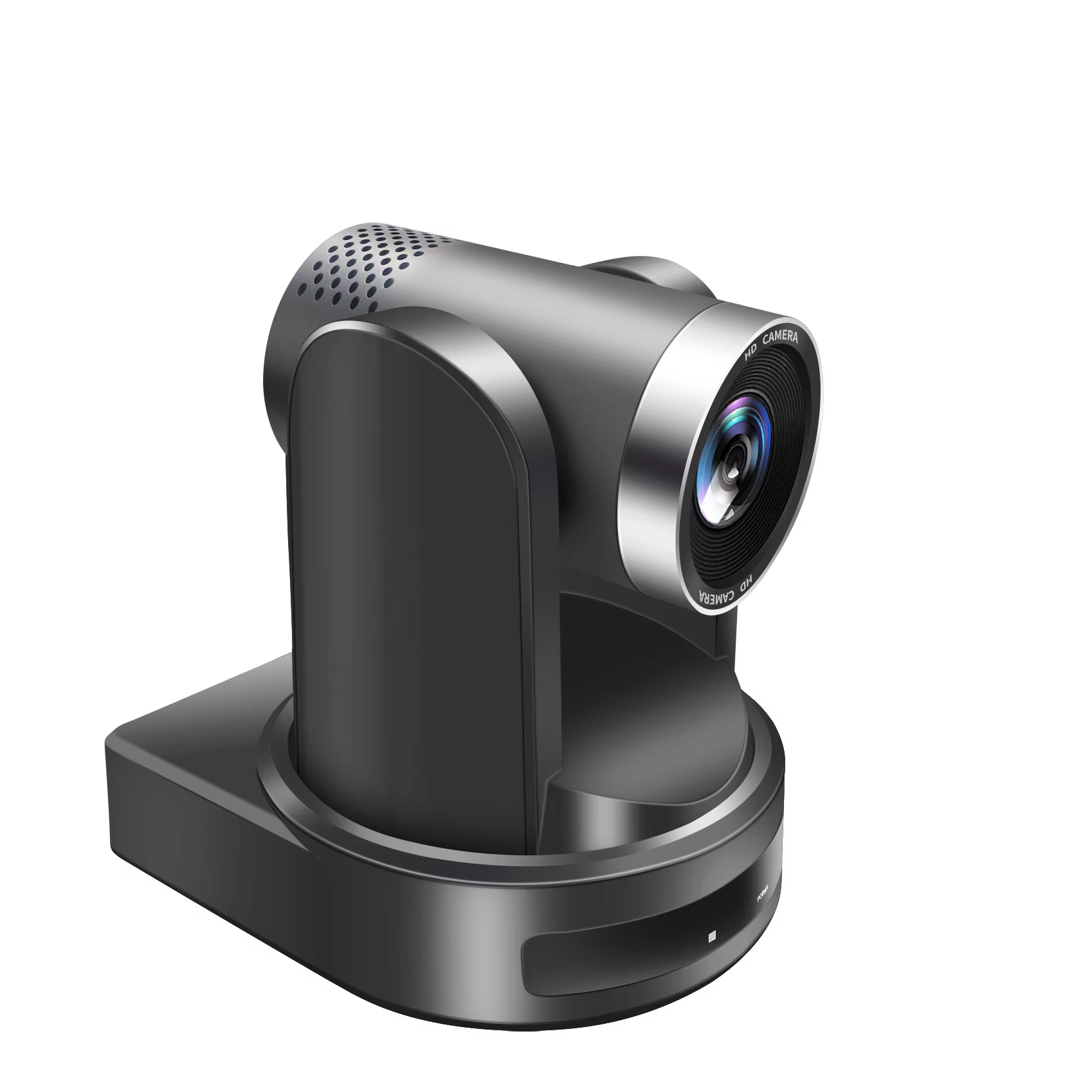
ShenMaiDi 4K 10X PTZ Video Conference Camera, Face Tracking, Voting Function, USB
- 4K
- 10X zoom
- Face tracking
- USB
Best for hybrid meeting rooms, lecture capture and remote-training rooms that need optical zoom.
Why the A4 Book Scanner Category Is Moving From “Camera on a Stand” to Workflow Infrastructure
Procurement teams are no longer buying a single capture device. They are buying a repeatable document workflow that must perform in classrooms, libraries, service counters and meeting rooms.
An A4 book scanner, as the term is commonly used in B2B sourcing, may refer to an overhead document camera, a visual presenter, a foldable A3/A4 scanner, or a book-friendly capture system paired with OCR software. The search intent is usually practical: a teacher needs to show a textbook page to a class, a school administrator needs to digitize records, a library needs to capture a fragile register without breaking the spine, or a software integrator needs a stable USB camera with an SDK. In each case, the equipment must do more than produce a megapixel number. It must deliver consistent geometry, controllable lighting, usable focus, driver stability, service documentation and repeatable firmware across orders.
That is why “top trusted” claims should be tested against verifiable factory evidence. The company profile referenced on this page describes Shenzhen Kawelo Electronic Technology Co., Ltd. as a manufacturer with an integrated trading function, founded in 2019, with a production site in Dongguan, Guangdong assessed onsite by SGS. R&D, firmware, assembly, QC and packing are handled in-house. The founder brings 18 years of visualizer and camera development experience; the team is listed at 11–50 people; the production footprint is up to 3,000 m²; annual output is stated at US$2.5M–US$5M; the document camera range carries CE certification; and the factory has passed an SGS onsite supplier assessment. For buyers, those facts act as procurement filters rather than decorative trust badges.
Information gain for buyers: compare total cost of ownership, not unit price. A practical TCO model is TCO = unit price + freight + duties + installation + teacher training + spare parts + warranty administration + downtime risk + firmware lifecycle cost. The cheapest A4 book scanner can become the most expensive option if the SDK is undocumented, the LED array cannot be serviced, or the supplier cannot maintain firmware consistency across repeat orders.
What an A4 Book Scanner Must Solve: Capture, Integration and Deployment Economics
Before requesting a quotation, separate the purchase into three questions: what the camera must see, what the software must receive, and what the supplier must support after delivery.
Optical truth, not just megapixels
Resolution matters, but lens quality, sensor size, autofocus behavior, LED diffusion and glare control decide whether text at the edge of an A3 page is actually readable. Test glossy textbook pages, pencil annotations, handwriting, colour charts and mixed room lighting. A 13MP model with well-controlled illumination can outperform a higher-resolution listing with poor optics.
Software workflow and OCR/SDK reality
Ask whether OCR is bundled, licensed separately, or expected to run in your own application. Confirm the SDK language, supported operating systems, driver model, image output format and known integration limits. For banks, government counters and records departments, the camera is only useful when it hands a clean image to the existing workflow without driver conflicts.
Deployment economics and lifecycle support
MOQ, packaging, spare parts, firmware version control, warranty administration and after-sales response belong in the commercial comparison. A pilot order of one to five units is useful, but it should be evaluated with the same packaging and firmware process planned for the repeat order. Otherwise the sample does not predict the container.
| Option | Strength | Hidden cost or limit | Best fit |
|---|---|---|---|
| Overhead A4/A3 document camera or visual presenter | Real-time display, fast page changes, live demonstration, USB/HDMI options and SDK potential. | Room lighting and glare must be managed; software support and mount geometry matter. | Classrooms, training rooms, service counters and quick book/record capture. |
| Flatbed scanner | Excellent flatness for loose sheets and reliable office integration. | Slow for bound books; limited A3 options; not a live teaching tool. | Loose contracts, forms and administrative archives. |
| V-cradle book scanner | Protects book spines and produces high-quality archival images. | Higher capital cost and slower operator workflow; specialist training required. | Libraries, archives and preservation labs with fragile bound volumes. |
| Smartphone scanning | Low entry cost and familiar interface. | Inconsistent geometry, lighting and user technique; weaker integration and audit trail. | Ad hoc capture where volume and repeatability are low. |
| Multifunction printer scanner | Office convenience and existing service contracts. | Limited book handling and A3 flexibility; scan quality varies by device class. | General office workflows rather than classroom or counter capture. |
A practical due-diligence checklist before you request samples
- Confirm whether A4 is the true capture area or only the maximum paper size; request test captures at both A4 and A3 with a ruler.
- Test glare from glossy textbook pages, laminated worksheets and handwriting under mixed classroom lighting.
- Measure focus speed and autofocus hunting from page placement to a usable image, not just the advertised frame rate.
- Clarify whether OCR is bundled, separately licensed, or dependent on the buyer’s own software stack.
- Request SDK documentation, supported operating systems, driver model, output formats and integration constraints.
- Check carton dimensions, drop-test standards, spare-parts list, warranty process and firmware version-control rules.
Model-to-Scenario Recommendations From the Eight-Product Shortlist
Match the workflow first, then confirm the specification. These pairings help distributors and integrators build coherent classroom or meeting-room bundles instead of buying isolated devices.
K–12 smart classroom and teacher-led presentation
Combine the 13MP foldable document camera, 86-inch interactive smart board and 50W education stereo amplifier as a tender-ready classroom kit. The visual presenter handles A4/A3 textbook pages, worksheets and science demonstrations; the smart board supports annotation; the amplifier keeps teacher audio intelligible across the room. Validate the camera mount and cable route before finalising the room layout.
Library, exam office or records digitization
Use the MD-13MT A3 document scanner or a 13MP A4/A3 document camera with SDK support for book pages, records and counter capture. For flat records, keep a flatbed scanner in the workflow; for bound books and live customer interaction, the overhead A4 book scanner reduces handling time. Confirm whether OCR text recognition is required at the point of capture or later in the document-management system.
Hybrid meeting room and lecture capture
Pair the 4K 10X PTZ conference camera with an interactive display and room audio. The optical zoom is more valuable than digital zoom when the presenter stands at the back of a lecture room. For mobile teaching or outdoor sessions, the 5000mAh belt-mounted voice amplifier adds a practical audio option without fixed infrastructure.
Future Procurement Trends for A4 Book Scanner Buyers, 2025–2030
Buying behavior is shifting from lowest unit price toward verifiable performance, integration readiness and lifecycle cost. These six trends should be written into future sourcing strategies.
Pilot-first ordering replaces blind container buying
Low-MOQ samples and trial orders let buyers test image quality, SDK compatibility and packaging before scaling. Selected document cameras and conference cameras can start from one piece, making evidence-based approval more realistic.
Bundle procurement and BOM consolidation
Schools and integrators prefer fewer suppliers for document cameras, interactive displays, audio and conference cameras. A consolidated bill of materials reduces freight complexity, spare-parts fragmentation and inconsistent warranty terms.
Verified supplier evidence in tender files
SGS onsite assessment, CE certification for the document camera range and quality-management documentation help buyers answer compliance questions. Tender teams should still request model-level certificates and test reports.
SDK and software compatibility before hardware price
The cost of a failed integration can exceed the hardware saving. Buyers increasingly ask for SDK documentation, operating-system support, driver behavior and an integration contact before approving the purchase order.
Warranty, firmware and spare-parts planning
A 1-year document camera warranty is a baseline, not a full lifecycle plan. Buyers now ask who owns firmware updates, how replacement parts are quoted, and how packaging survives multi-leg freight.
Supply-chain resilience and private-label flexibility
Buyer-label production, custom packaging and graphic customization help distributors protect brand positioning while keeping the factory footprint stable. FOB quotations and T/T in USD or HKD remain core commercial terms for many export projects.
Product Development Trends Manufacturers Should Prove, Not Just Announce
Future A4 book scanner RFPs will reward measurable workflow improvements: cleaner OCR input, faster setup, better glare control and serviceable hardware. These are the development themes buyers should verify with demonstrations.
AI-assisted enhancement and on-device OCR
De-warping, background cleanup and OCR preprocessing can reduce manual correction, but buyers should test real pages with stains, handwriting and poor contrast. Ask whether processing is local, cloud-based or dependent on third-party software.
4K, HDMI, USB-C and PC-free presentation
Lecture halls and large training rooms benefit from 4K output and direct HDMI or USB-C pathways. A standalone presenting mode can reduce dependence on a teacher PC, while USB remains essential for capture and software integration.
Book-friendly ergonomics and glare control
Books curve, pages reflect light and spines create shadows. Better LED diffusion, flexible arms, adjustable camera heads and page-flattening accessories matter in daily use. Buyers should evaluate the full capture posture, not only the camera head.
Modular room ecosystems instead of isolated boxes
Classroom and meeting-room projects increasingly combine document capture, touch display, audio and conferencing. A modular product family with consistent accessories and service documentation reduces integration risk for distributors.
Privacy-preserving local processing
Schools and public agencies handle student records, identification documents and meeting content. Local capture, offline OCR options and clear data-flow documentation can be a decisive procurement advantage when cloud services are restricted.
Serviceability and repairability by design
Replaceable LED modules, accessible hinges, labelled firmware versions and standard screws reduce downtime. For multi-year tenders, serviceability is a technical requirement, not an after-sales courtesy.
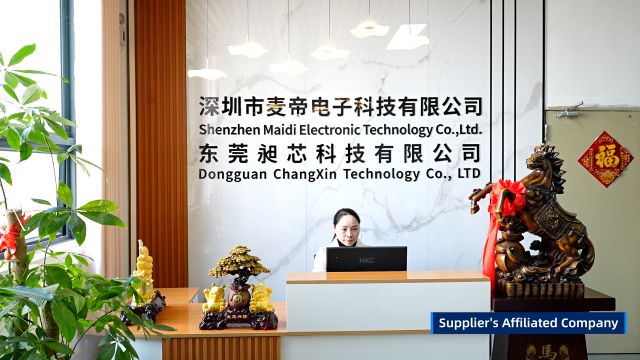

Why Shenzhen Kawelo Electronic Technology Is a Trusted A4 Book Scanner Manufacturer and Exporter
The original company profile states that Shenzhen Kawelo Electronic Technology Co., Ltd. is a manufacturer with an integrated trading function. Its production site in Dongguan, Guangdong has been assessed onsite by SGS, and R&D, firmware, assembly, QC and packing are handled in-house. The company offers OEM service, design service and buyer-label production, including logo printing, custom packaging and graphic customization. Firmware is flashed and verified in-house on dedicated burning stations.
The founder’s 18 years in visualizers, cameras and teaching equipment, combined with a production footprint of up to 3,000 m² and a team of 11–50 people, gives buyers a realistic partner for both sample orders and repeat projects. Annual output is listed at US$2.5M–US$5M. These facts are useful because A4 book scanner quality depends on optical alignment, firmware control, packaging discipline and after-sales documentation—all of which are easier to manage when they remain inside one accountable production system.
- SGS onsite-assessed productionDongguan, Guangdong factory with verifiable supplier assessment
- In-house engineering and QCR&D, firmware flashing, assembly, QC and packing under one roof
- OEM / ODM flexibilityLogo printing, custom packaging, graphics and buyer-label production
- CE document camera rangeQuality-management certified company; model-level documents on request
- Flexible MOQSelected document cameras and conference cameras from 1 piece
- Export-ready commercial termsT/T in USD or HKD, FOB quotations, 1-year document camera warranty
Factory and assembly
Production base in Dongguan with assembly, QC and packing activities managed in-house.
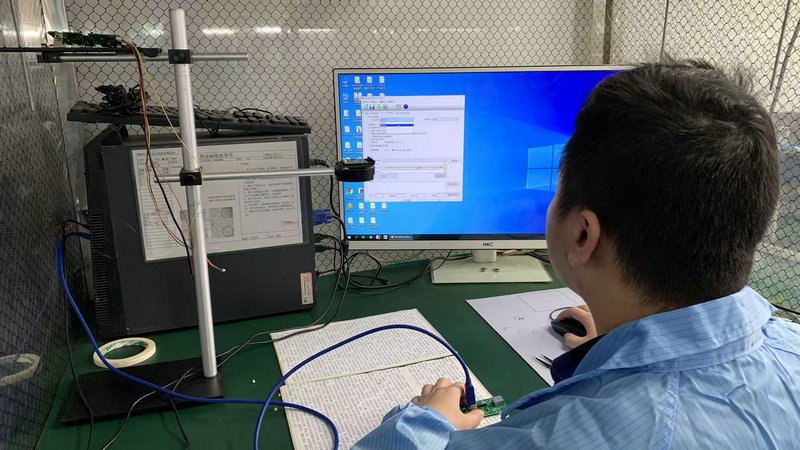
Firmware control
Standard or customer-specific firmware is flashed and verified on dedicated burning stations.
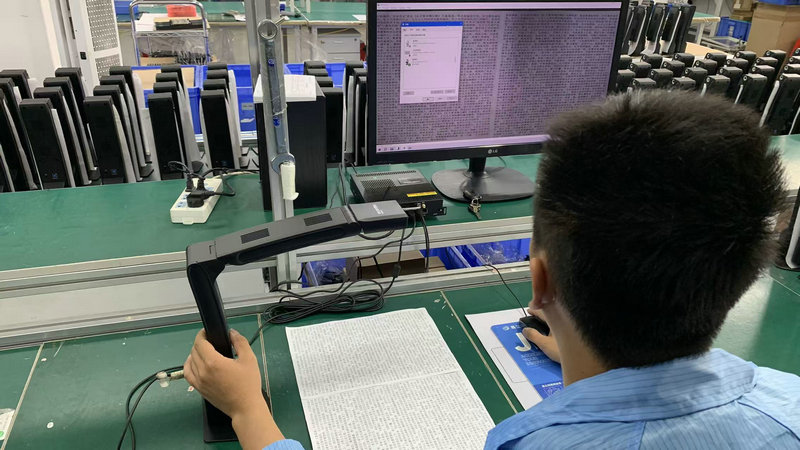
Image and function QC
Finished units are checked for image, audio and function performance before export packing.
Frequently Asked Questions From A4 Book Scanner Buyers
These answers reflect the manufacturer information and product data supplied for this page. Final model-level specifications should always be confirmed in the quotation.
Is Shenzhen Kawelo a manufacturer or a trading company?
What should I check first when comparing A4 book scanner manufacturers?
Do your document cameras support SDK and OCR integration?
What OEM and ODM customization is available?
Which certifications and assessments support buyer due diligence?
What is the minimum order quantity and sample policy?
What payment, delivery and warranty terms apply?
Which markets do you export to, and can you support tender-ready bundles?
Send Your A4 Book Scanner Specification for a Factory-Matched Recommendation
Share your target capture area, quantity, USB or HDMI requirement, OCR/SDK needs, display size, audio requirement and tender documentation checklist. The sales team can then recommend matching models, confirm MOQ and prepare datasheets for evaluation. Email: info@kawelotech.com
Send an Inquiry