Eight Products Phoenix Buyers Commonly Bundle with Autofocus Webcam Programs
Search intent for an “autofocus webcam exporter” usually begins with a camera, but the purchase order often becomes a room-level solution: a webcam or document camera, a display surface, touch input, audio, and a capture workflow. These eight products keep their original product URLs so procurement teams can review specifications directly. Buyers should confirm the final SKU, cable set, mounting method, certifications, and warranty terms before issuing a PO.
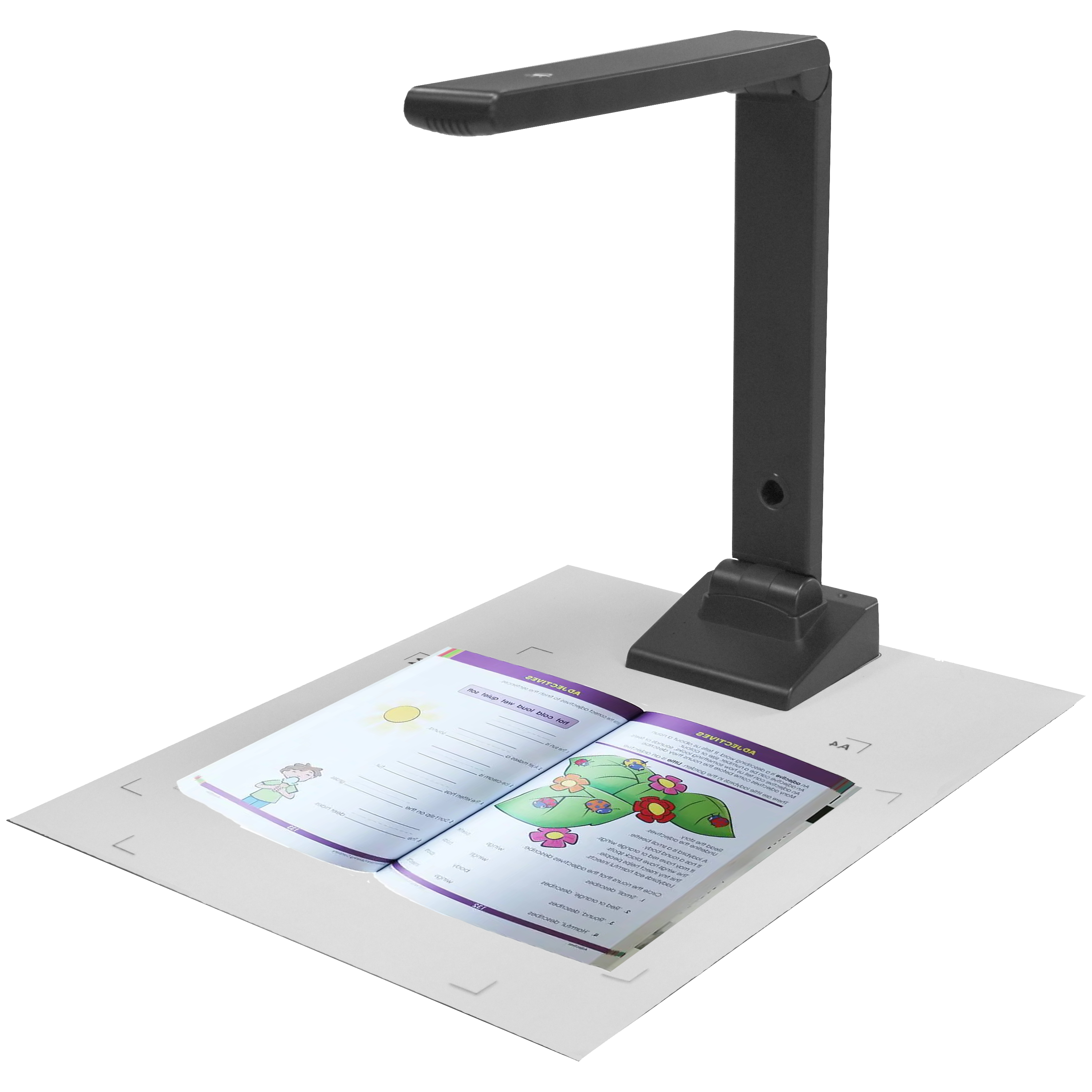
16 MP CMOS Sensor Document Scanner OEM Digital Visualizer Presenter Auto Focus A3 Educational Equipment USB Plastic School
A3/A4 USB visualizer with autofocus, ideal for K-12 classrooms, library instruction, student services counters, and hybrid training where paper-to-screen clarity matters.
Review product →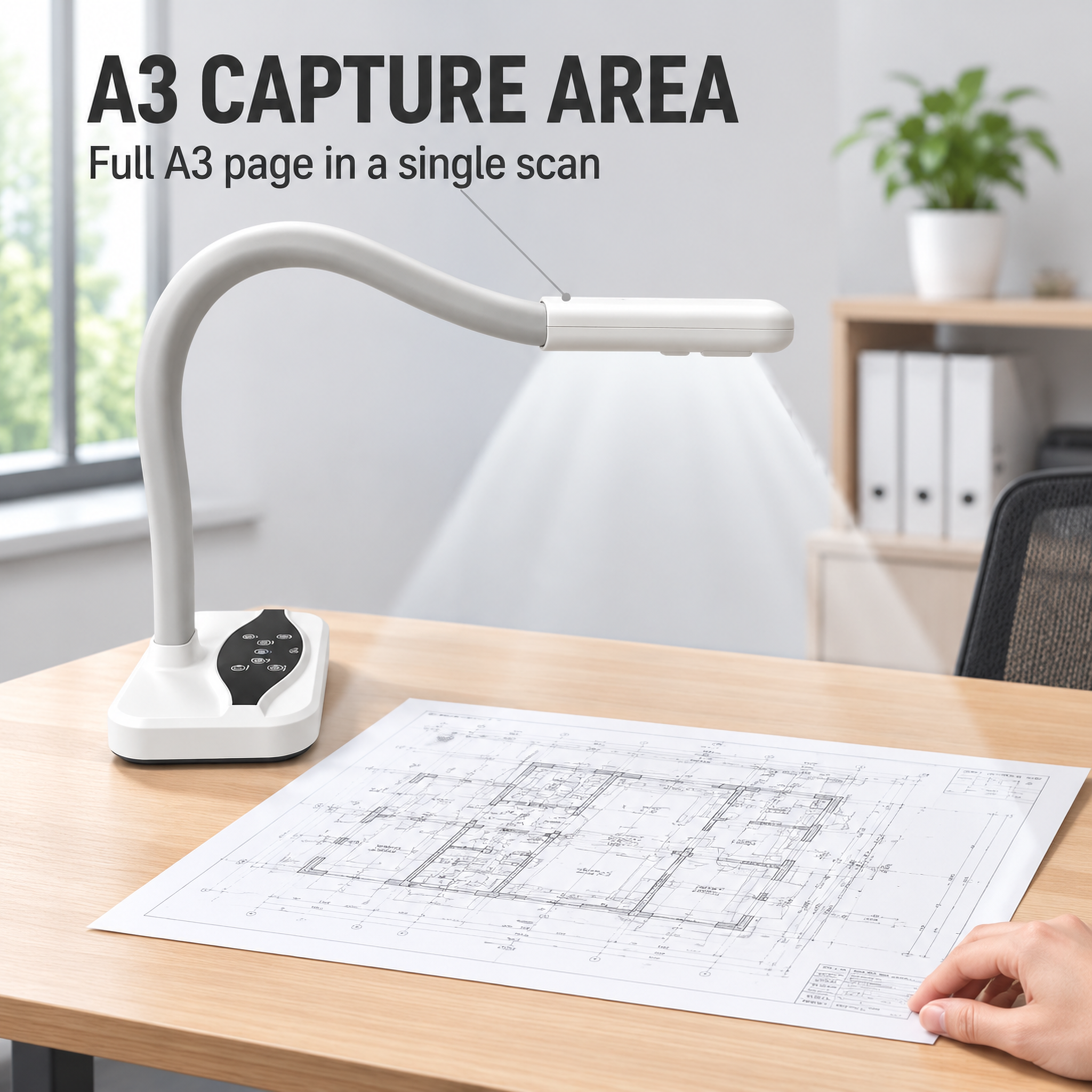
4K HD Document Camera A3 Capture Area HDMI Output Type C Touch Key SD Card Visual Presenter Educational Scanner
HDMI, Type-C, touch keys, and SD-card capture support PC-free presenting, lecture capture, and live demonstrations in auditoriums and workforce training labs.
Review product →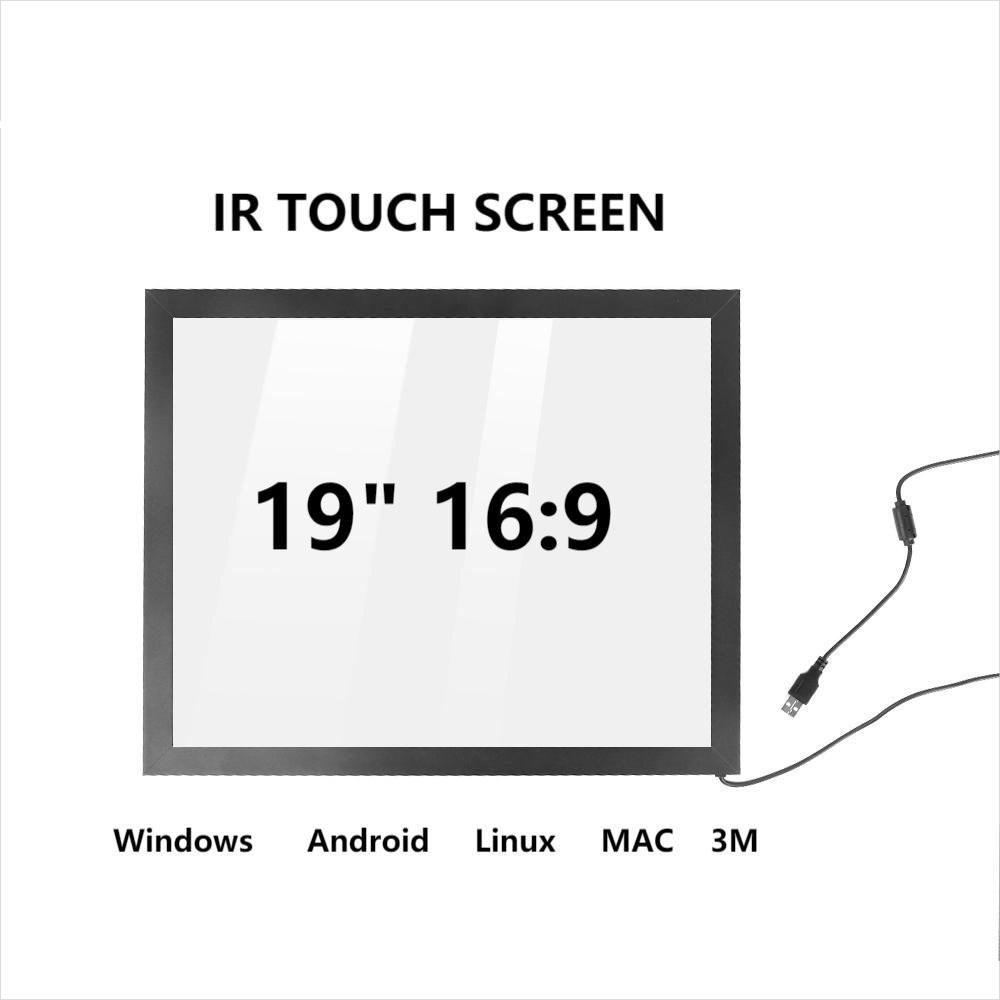
19 Inch 16:10 USB Interface Infrared Touch Frame with Glass Multi-Touch IR Touch Frame New Product
Turns a compact display into a touch kiosk for enrollment, clinic check-in, wayfinding, library lookup, and public-service forms without replacing the screen.
Review product →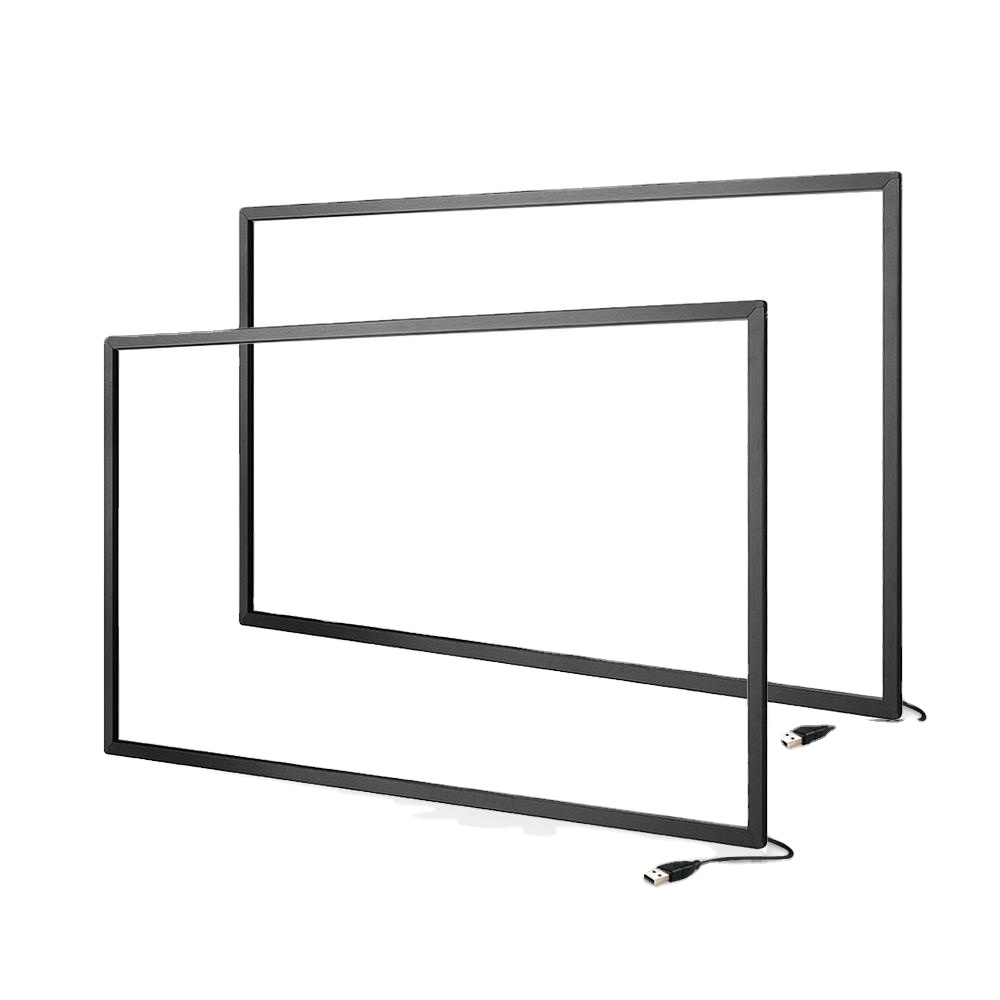
60-Inch Infrared Touch Frame with 20 Touch Points USB Interface for Conference New Product
A retrofit touch layer for large conference displays, useful for hybrid meeting annotation, municipal briefings, and training rooms with BYOD workflows.
Review product →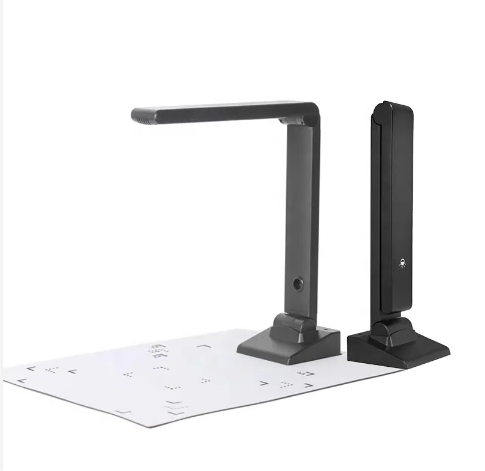
ShenMaiDi Portable 8MP Document Scanner High-Speed Automatic A3 Book Scanner with Visual Presenter for A4 Paper Size
A compact A3 book and paper scanner for registrar offices, legal intake, healthcare documentation, interlibrary digitization, and remote case review.
Review product →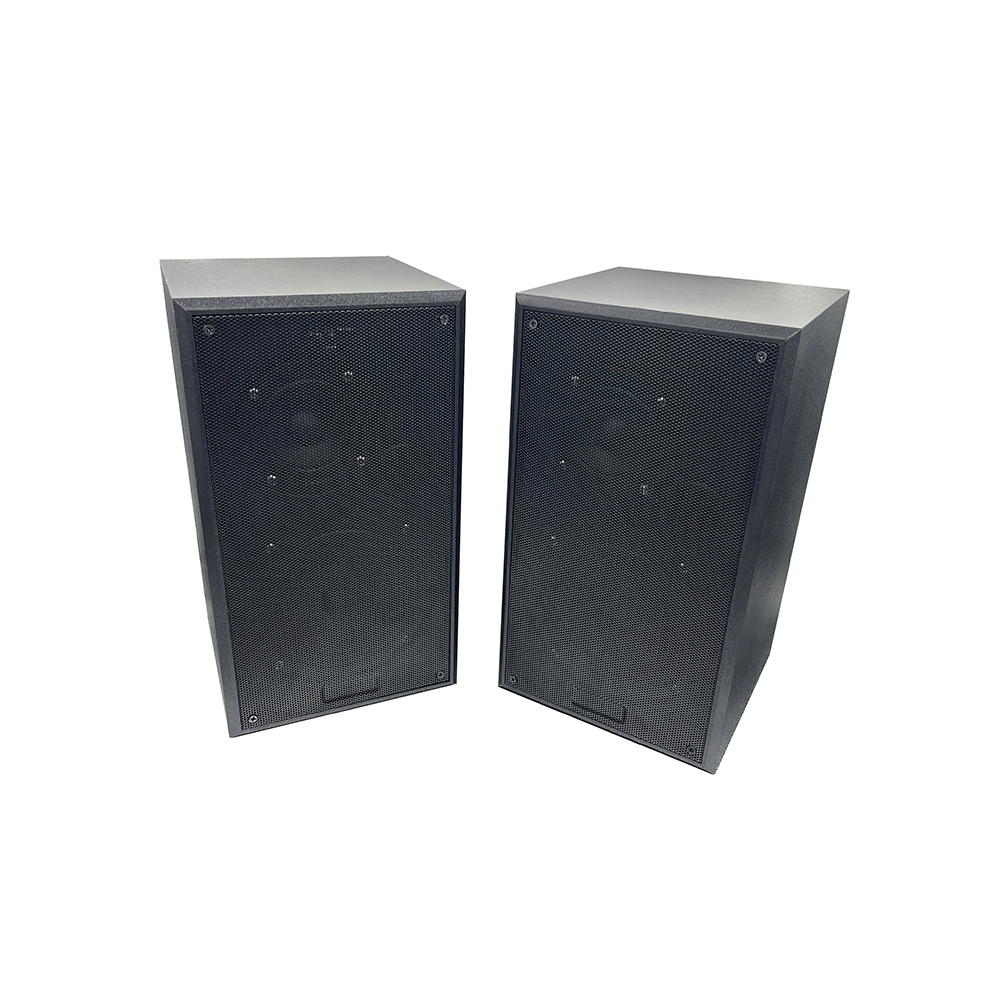
SHENMAIDI MD-S50A 50W Integrated Stereo Speaker Sound Amplifier Educational CE/CCC/FCC/ROHS/ISO9001 Certified 1 Year Warranty
50W integrated audio with CE, CCC, FCC, RoHS, and ISO9001 certification references; pairs with camera deployments where speech clarity is part of the project.
Review product →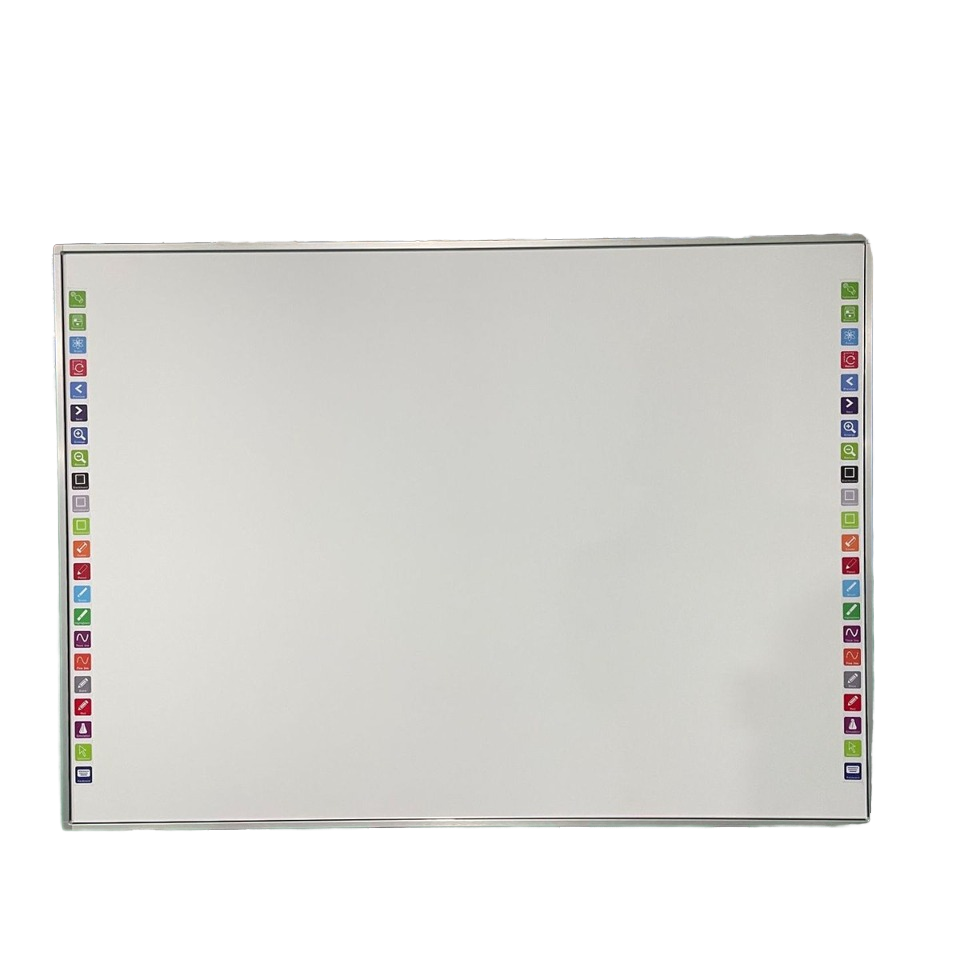
ShenMaiDi 102inch Portable Interactive Smart Whiteboard Projector China Factory Whiteboard Device High-Tech Whiteboards Product
Large-format interactive collaboration for auditoriums, training centers, public consultation, and technical review rooms that need shared visual annotation.
Review product →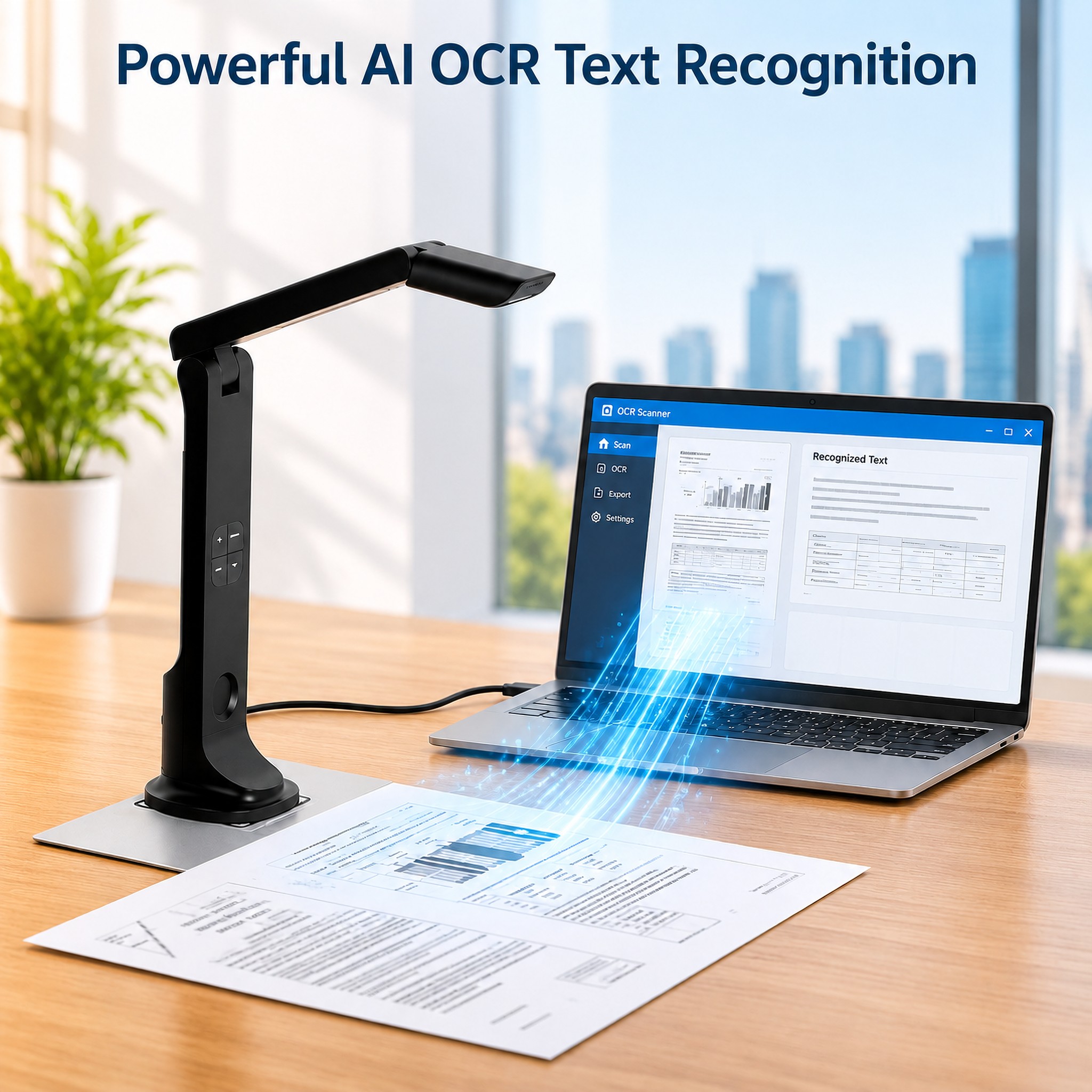
MD-16MT A3 Document Scanner 16MP CMOS USB Foldable Visual Presenter LED Light OCR Text Recognition Teaching
Foldable 16MP A3 scanner with LED fill light and OCR text recognition for administration, special education documentation, archives, and remote review.
Review product →What an Autofocus Webcam Exporter Must Prove to Phoenix Buyers
Phoenix is not a generic Sun Belt market. Intense daylight, low humidity, dust, high HVAC airflow, large windows, and mixed artificial lighting can all stress a webcam’s focus behavior. At the same time, Phoenix buyers are unusually practical: school districts, community colleges, clinics, city departments, semiconductor-linked training teams, and AV integrators need devices that work on the first day and remain serviceable across multi-site rollouts.
Autofocus is therefore a reliability specification, not a cosmetic feature. It affects how quickly a teacher can move from a face to a worksheet, how clearly a clinician can show a document, how confidently a public-service agent can capture an ID, and how naturally a remote engineer can inspect hardware. This guide is prepared by Kawelo’s export and application-engineering team using factory-side manufacturing experience, buyer feedback from North America, and the company’s original enterprise information: founded in 2019 near Guangming Science City, an 18-year founder background in visualizers and cameras, an SGS onsite-assessed production base in Dongguan, Guangdong, 11–50 staff, annual output of US$2.5M–US$5M, OEM experience for well-known brands, quality-management certification, and CE certification for the document camera range. For Phoenix buyers, the goal is not merely to import a camera; it is to secure a repeatable visual-communications component with documented quality, spare-unit planning, and responsive engineering support.
Why Phoenix Procurement Teams Treat Autofocus as a Reliability Specification
The local environment changes the buying checklist. A camera that performs acceptably in a controlled showroom may hunt for focus in a bright classroom, struggle against backlit windows, or lose contrast when HVAC airflow moves loose paper during document capture.
Bright windows and mixed lighting
Phoenix rooms often combine strong exterior light with cooler LED or fluorescent fixtures. Autofocus must acquire and hold focus on faces, printed pages, product labels, and IDs without excessive breathing or delay.
Heat, dust, and HVAC airflow
Installation matters. Avoid direct sun and heat sources, allow ventilation, and test the camera in the actual room. A stable mount and cable strain relief reduce field failures as much as the optical design itself.
Hybrid meetings and BYOD
Users move between Windows, macOS, and ChromeOS. UVC plug-and-play behavior, consistent USB-C and USB-A connectivity, and clear documentation are essential for districts and enterprises that cannot install custom drivers on every endpoint.
Public accountability and tenders
Public-sector buyers need documentation: model numbers, certification files, packing lists, warranty terms, firmware policy, and RMA routing. A wholesale supplier that cannot support documentation creates risk long before shipment.
Localized Phoenix Application Scenarios for Autofocus Webcams and Visual Capture
Autofocus webcams rarely operate alone. In Phoenix projects they are usually part of a room bundle that includes document capture, audio, touch interaction, or a large display. These scenarios reflect the practical language used by local buyers when they request samples and quotations.
K-12 districts, community colleges, and training providers
Teachers demonstrate worksheets, science objects, calculators, and drafting exercises. An autofocus document camera or 16MP visualizer shortens setup time, while a USB webcam supports remote guests and hybrid classes. For large auditoriums, the 102-inch interactive whiteboard and 4K document camera create a shared visual surface without forcing every presenter onto a PC.
Telehealth, clinics, and outpatient documentation
Clinics need stable focus for tele-intake, specialist consultation, medication labels, and paper records. A compact autofocus webcam plus the MD-16MT A3 OCR scanner or portable 8MP book scanner can support remote review without adding complexity. Buyers should confirm privacy requirements, local network policy, and whether the workflow can remain driver-light and cloud-optional.
City, county, and public-service counters
Enrollment desks, permit counters, public libraries, and service windows use cameras for identity checks, document capture, and remote interpretation. The 19-inch IR touch frame turns a small display into an interactive kiosk, while a document scanner captures forms and supporting papers. Autofocus should be tested with glossy IDs, low-contrast receipts, and users who move documents quickly.
Corporate campuses, co-working, and industrial training
Phoenix’s advanced-manufacturing and logistics ecosystem creates demand for remote expert support, technical onboarding, and huddle-room upgrades. Pair a 4K conference camera or USB webcam with the 60-inch IR touch frame and 50W speaker system for training rooms where annotation, speech clarity, and document display all matter.
Phoenix Market Development Trends Reshaping Wholesale Demand
Demand is moving toward bundled, documented, multi-site procurement. Phoenix buyers increasingly ask suppliers to support samples, consistent firmware, packaging customization, certification files, and spare-unit planning rather than quoting a single low-cost camera.
Advanced manufacturing and technical workforce training
Training centers need visual documentation of parts, tools, and processes. A 4K document camera or OCR scanner can capture fine detail, while a webcam supports remote engineering review. Buyers should prioritize focus stability, lens protection, mounting flexibility, and easy replacement.
Hybrid education and multi-campus standardization
Districts and colleges prefer one repeatable room kit that can be installed across campuses. Standardizing on a small set of document cameras, webcams, touch frames, and speakers simplifies training, spares, and technical support. White-label packaging and firmware control become valuable at scale.
Decentralized healthcare and telehealth
Clinics and specialist networks continue to distribute care across locations. Autofocus webcams and document scanners support remote consultation, intake, and case review. Procurement teams should ask whether the camera behaves consistently under mixed lighting and whether the supplier can provide stable documentation for IT review.
Public-sector digitization and smart facilities
Municipal service counters, libraries, and public meeting rooms are adding touch interaction, document capture, and hybrid participation. Retrofit IR touch frames and visual presenters let agencies upgrade existing displays instead of replacing entire AV systems, which is often easier to budget and approve.
Suggested Phoenix RFQ evaluation weighting for autofocus webcam projects
Use this qualitative framework to structure sample testing and supplier comparison. Adjust the weights for classroom, clinical, public-service, or industrial use.
This is a planning checklist, not a market forecast. Final weighting should reflect your room survey, IT policy, user workflow, and tender language.
A Practical Selection Matrix for Wholesale and OEM Buyers
Experienced buyers ask fewer cosmetic questions and more workflow questions. The six checks below help Phoenix distributors and integrators compare samples before scaling a purchase order.
Autofocus behavior
Test focus acquisition on a face, a white page, a glossy ID, a dark object, and a moving hand. Ask whether the model supports focus lock, exposure control, or firmware adjustment for fixed installations. “Autofocus” alone is not a specification.
Interface and driver policy
For most Phoenix deployments, UVC plug-and-play reduces IT friction. Confirm USB-C and USB-A cable options, extension limits, power draw, and compatibility with Windows, macOS, and ChromeOS. For kiosk or software integration, ask about SDK support where available.
Optics and room geometry
A 78° to 90° field of view is common for huddle spaces and classrooms, but room depth matters. Digital zoom cannot recover detail lost at the back of a lecture hall. For document capture, choose a dedicated visual presenter or scanner with A3/A4 coverage and LED fill light.
Mounting, cabling, and power
Monitor clips, tripods, VESA brackets, and wall mounts solve different problems. Confirm cable reach before ordering active USB extensions, and plan strain relief for carts and service counters. Heat and dust near windows or equipment racks should be part of the site survey.
Privacy, firmware, and security
Public-sector and healthcare buyers should ask about privacy shutters, LED indicators, firmware update process, and whether cloud services are optional. A hardware camera should not create an avoidable data-governance issue for the customer’s IT team.
Environment and installation
Phoenix installations can face bright light, dry air, dust, and HVAC movement. Avoid direct heat and sun, allow ventilation, and test samples in the actual room. A camera that is easy to clean, replace, and document is often more valuable than a marginal specification gain.
Why Kawelo Is a Credible Export and Wholesale Partner
Phoenix buyers need more than a product photo. They need a supplier whose manufacturing, customization, quality, and export processes can survive a sample review, a tender questionnaire, and a multi-site rollout.
SGS-assessed manufacturing base
Shenzhen Kawelo Electronic Technology Co., Ltd. is a manufacturer with an integrated trading function. The production site in Dongguan, Guangdong has been assessed onsite by SGS, with research, firmware, assembly, QC, and packing handled in-house. The company profile lists 11–50 staff and annual output of US$2.5M–US$5M.
OEM, ODM, and buyer-label execution
Kawelo supports OEM service, design service, and buyer-label production, including logo printing, custom packaging, and graphic customization. Firmware is flashed and verified on dedicated burning stations, which is important for distributors that need consistent behavior across batches.
Engineering depth from chip to firmware
The founder has 18 years of experience in visualizers, cameras, and teaching equipment. The team works from chip-level solution selection through imaging and sensing algorithms, firmware, audio tuning, assembly, and testing. Selected document cameras support SDK integration, and the MD-16MT scanner provides OCR text recognition.
Complete room-level product ecosystem
Autofocus webcams can be quoted alongside document cameras, document scanners, interactive whiteboards, IR touch frames, conference cameras, USB webcams, and audio systems. This reduces supplier count, simplifies the bill of materials, and helps integrators prepare tender-ready bundles.
Quality, compliance, and documentation
The company is quality-management certified, the document camera range carries CE certification, and the factory has passed an SGS onsite supplier assessment. Buyers should still confirm SKU-specific FCC, CE, RoHS, UL/ETL, or other requirements for their Phoenix project and obtain the current certificate file before approval.
Export operations and sample-friendly MOQ
Kawelo quotes on FOB terms and accepts T/T in USD or HKD. Main export markets include Southeast Asia, Africa, North America, and Oceania. MOQ depends on the model: selected document cameras and conference cameras start from 1 piece, many webcams and document cameras from 4–5 pieces, and interactive whiteboards typically from 30 pieces.
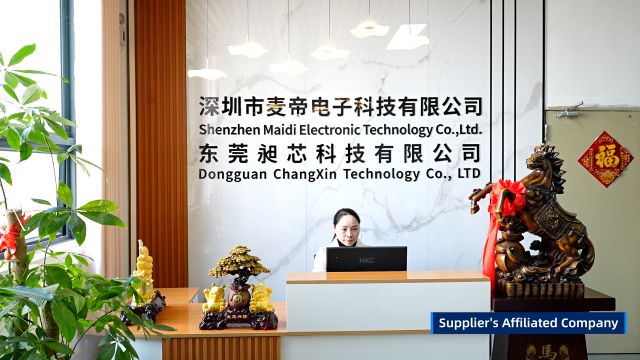
Factory introduction: in-house R&D, production, QC, and packing.
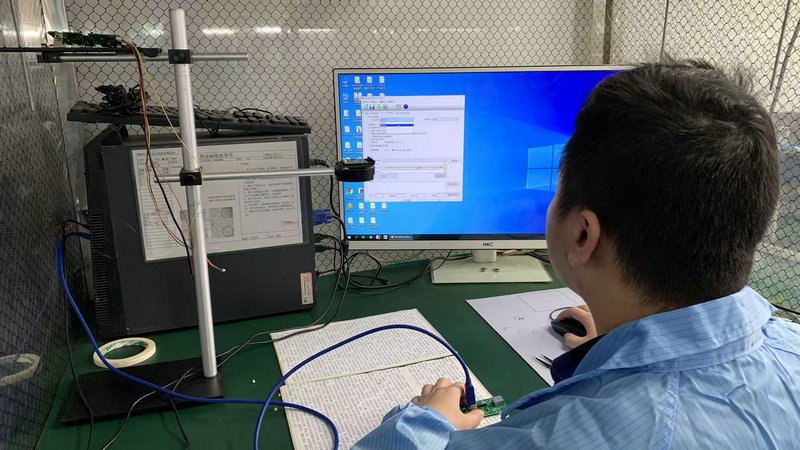
Firmware burning station: batch consistency and version control.
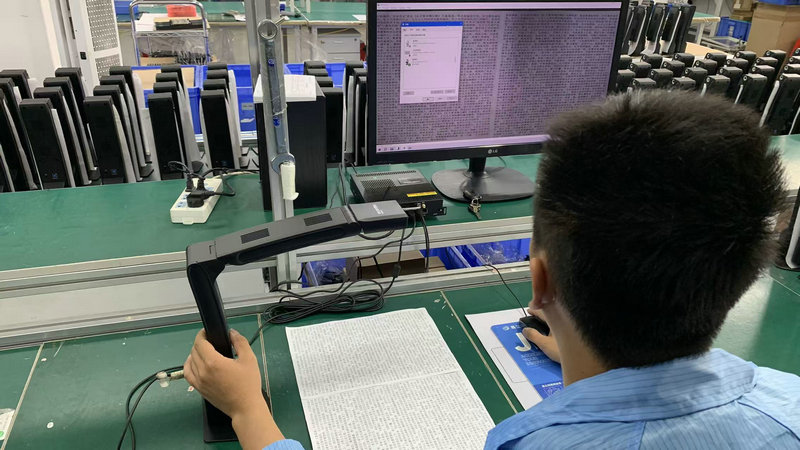
QC testing: image, audio, function, and packing checks.
Phoenix Wholesale and Procurement FAQs
These are the questions Kawelo’s export team most often receives from North American buyers preparing samples, tenders, and first purchase orders.
Are you an autofocus webcam exporter or a trading company?
What MOQ and sample options apply to Phoenix wholesale orders?
Which certifications should Phoenix buyers request?
How do you keep autofocus and firmware consistent across batches?
Can you support OEM branding, custom packaging, and buyer-label production?
What lead times, payment, and shipping terms apply?
What warranty and RMA process do you provide?
Can you bundle document cameras, touch frames, whiteboards, speakers, and webcams?
Build a Phoenix-Ready Autofocus Webcam and Visual Collaboration Bundle
Send your quantities, target resolution, room sizes, operating-system requirements, certification needs, and tender documents. Kawelo’s export team will return matching models, datasheets, sample options, and an FOB quotation. For faster routing, include “Phoenix autofocus webcam project” in your inquiry and tell us whether the deployment is for education, healthcare, public service, or corporate training.