Eight Proven Products for Tokyo Book-Scanning and Smart-Classroom Projects
This model mix combines overhead document scanning, live visual presentation, large-format interactive displays and classroom audio. It allows a Tokyo wholesaler, school board or AV integrator to build a coherent single-source package instead of mixing incompatible accessories.
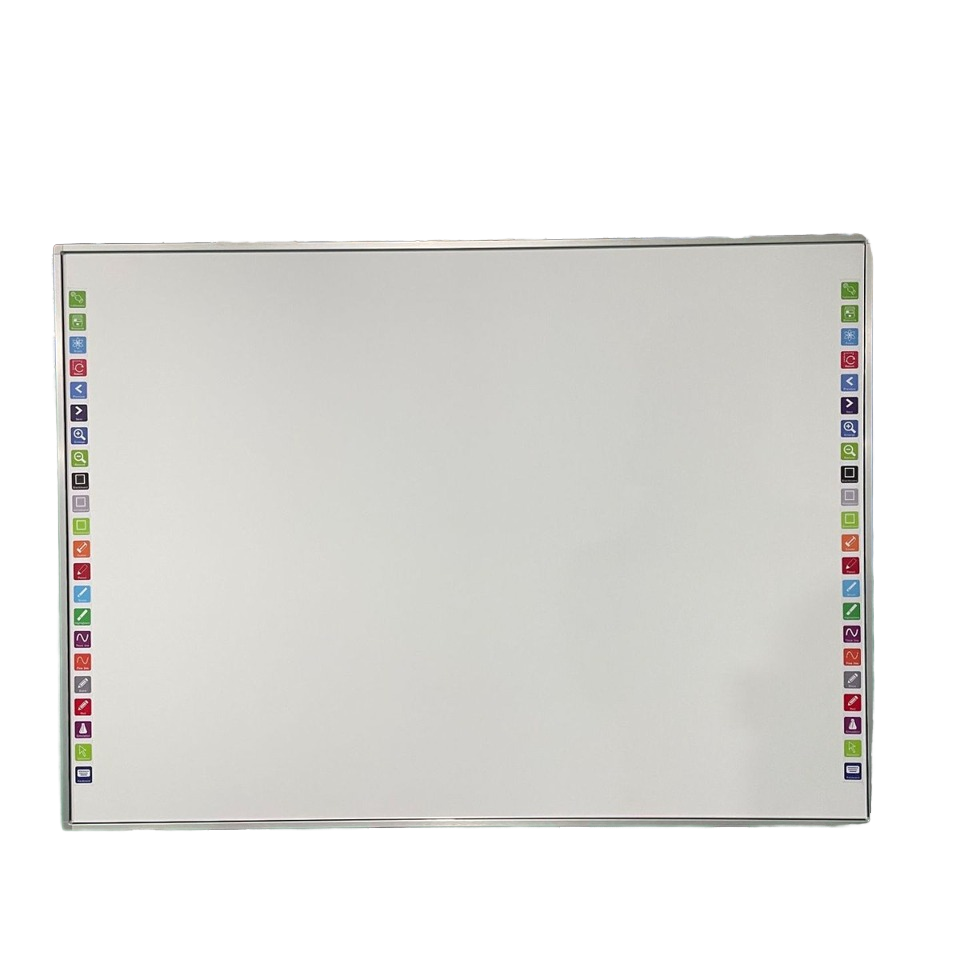
ShenMaiDi 102-Inch Portable Interactive Smart Whiteboard Projector
A large-format interactive display for lecture halls, training rooms and shared annotation. Suitable where Tokyo buyers need a big digital canvas without rebuilding the entire room.
- 102 inch
- Interactive
- Lecture halls
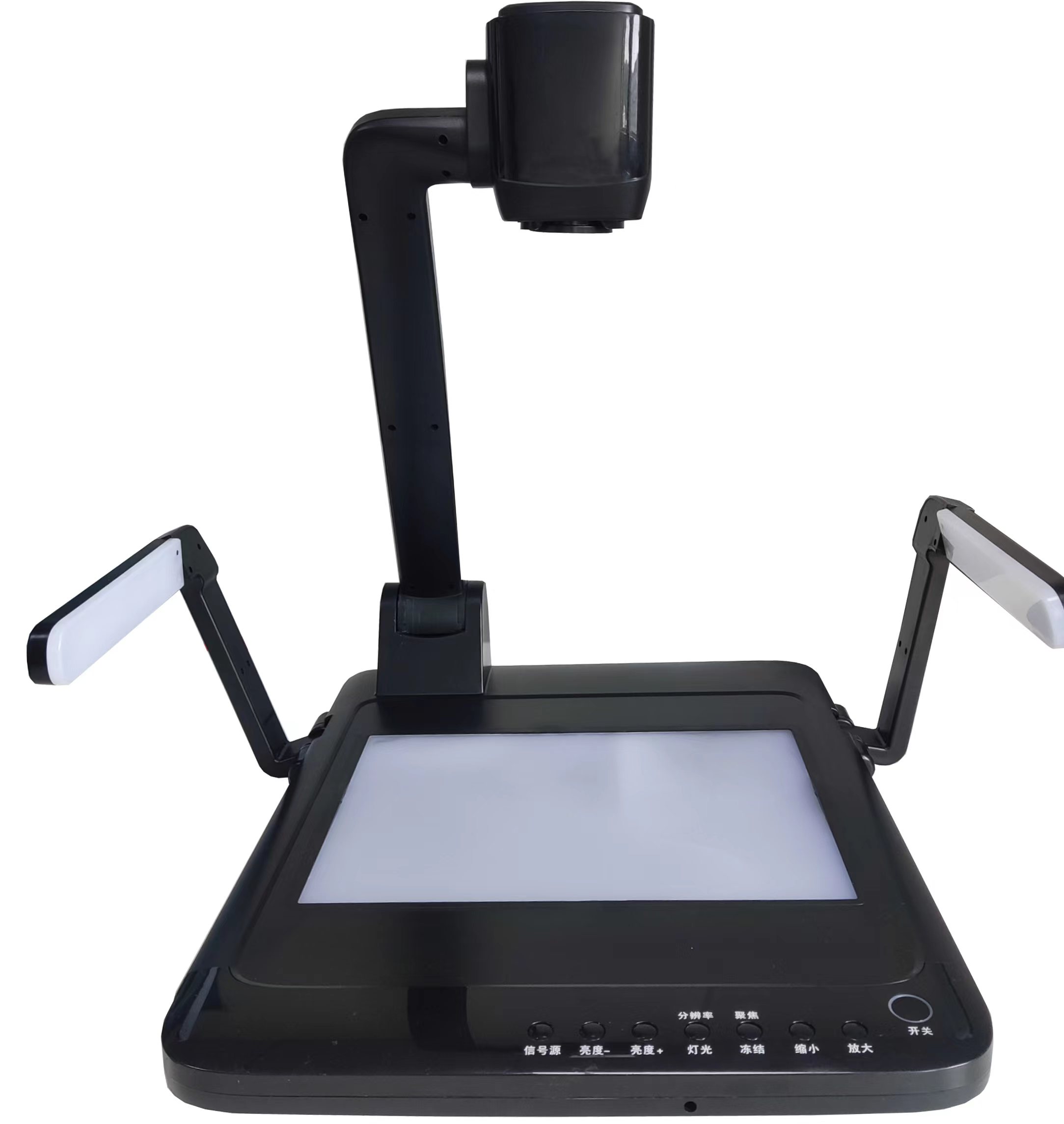
Optical Plastic Digital Projector Document Camera A3/A4
A teaching document camera with A3/A4 capture and adjustable LED lighting. It helps teachers project textbooks, worksheets and science demonstrations in compact Tokyo classrooms.
- A3/A4
- LED
- USB teaching
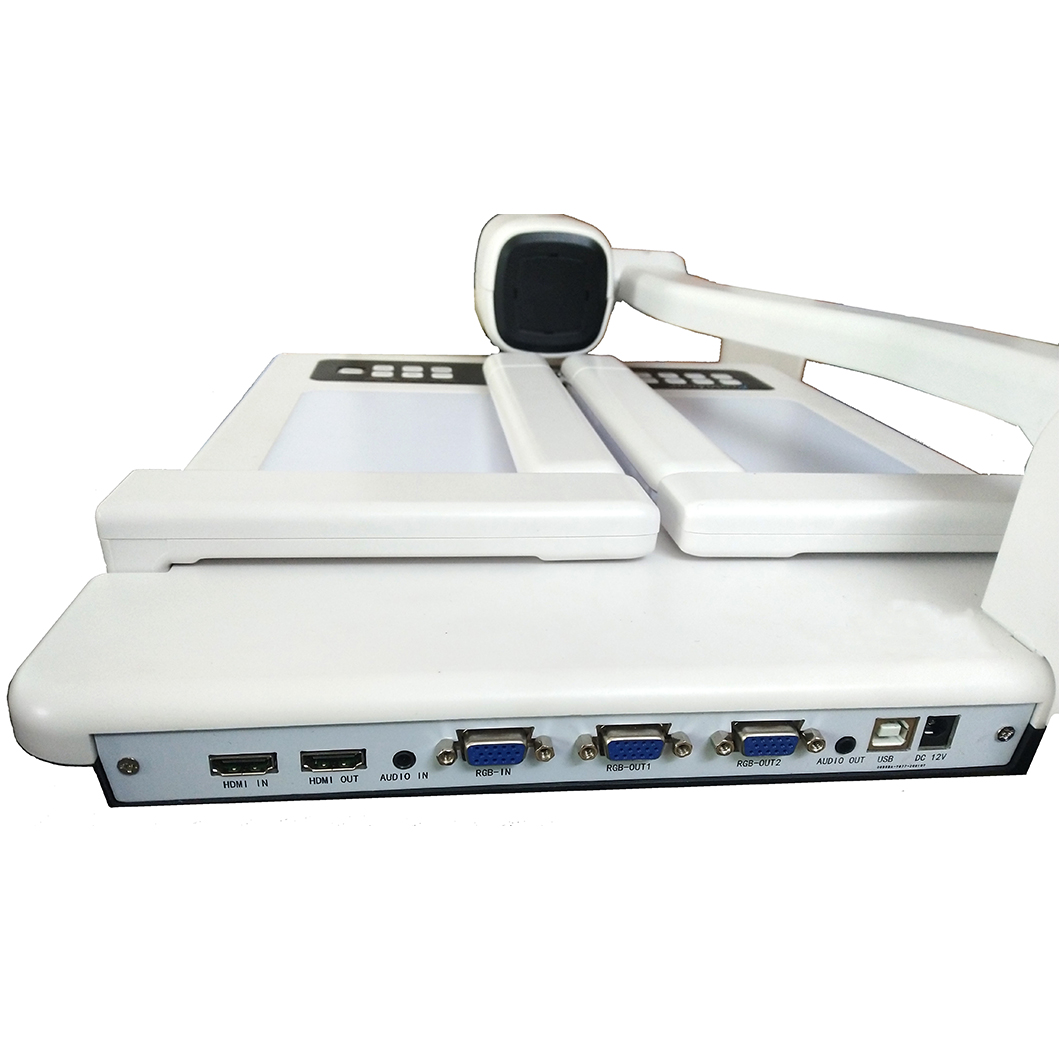
Document Optica 22X Optic Camera Zoom Educational Visual Presenter
Optical zoom is valuable when teachers need to inspect fine print, diagrams, components or 3D objects. A strong choice for university labs, test-prep centers and engineering training.
- 22X optical zoom
- A3/A4
- Visual presenter
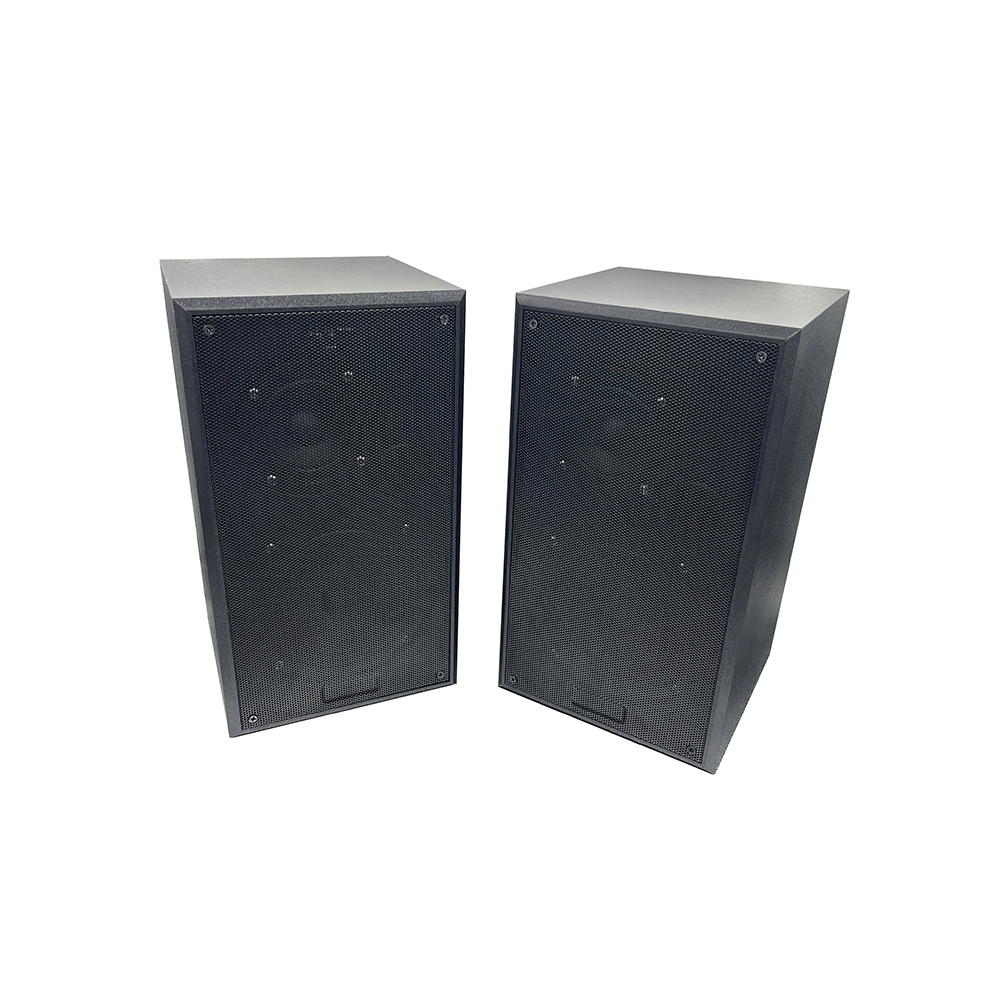
SHENMAIDI MD-S50A 50W Integrated Stereo Speaker Amplifier
A 50W integrated classroom audio system for multimedia lessons, teacher speech and video content. Certified with CE, CCC, FCC, ROHS and ISO9001; standard 1-year warranty.
- 50W
- Stereo
- Classroom audio
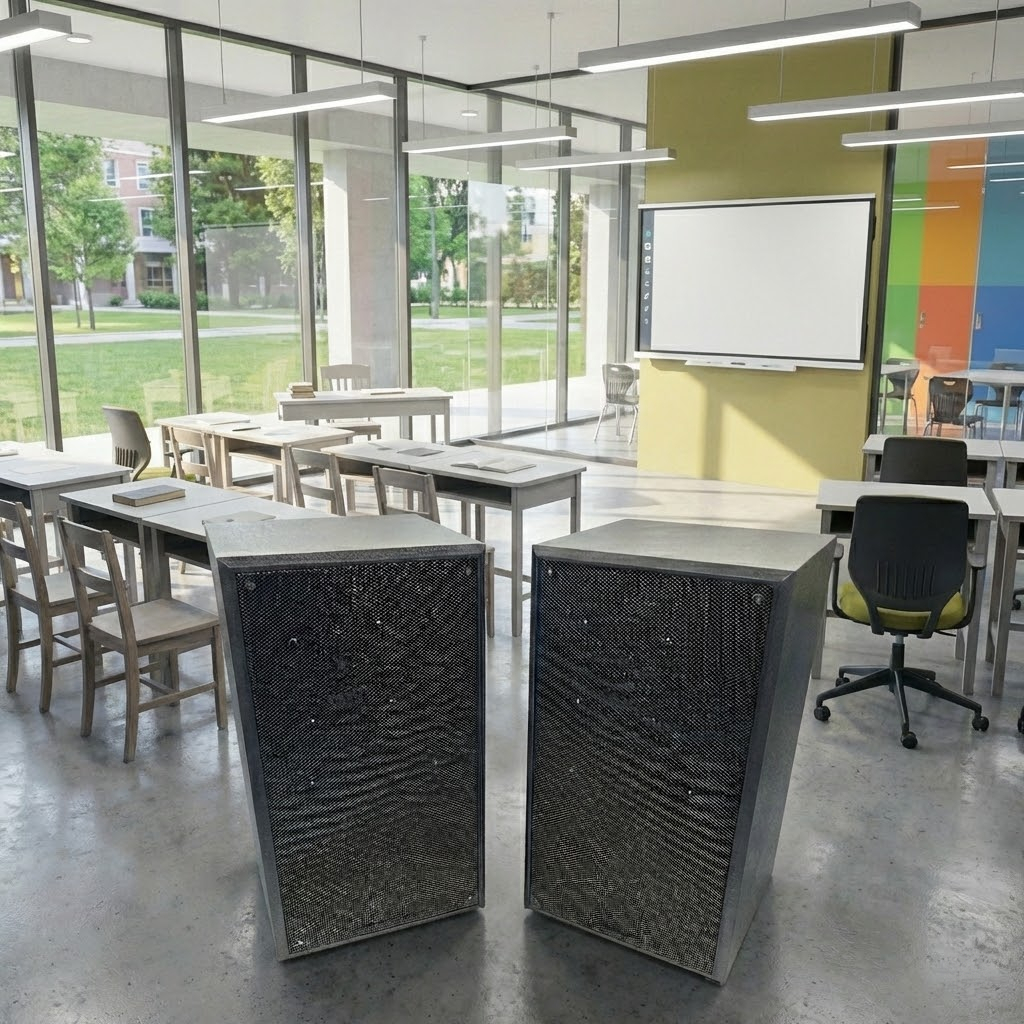
SHENMAIDI MD-S50A 50W Infrared Classroom Stereo Amplifier
An infrared classroom audio option for schools that want quick pairing between teacher microphone and room speakers. Designed for daily spoken instruction and media playback.
- Infrared
- 50W
- School use
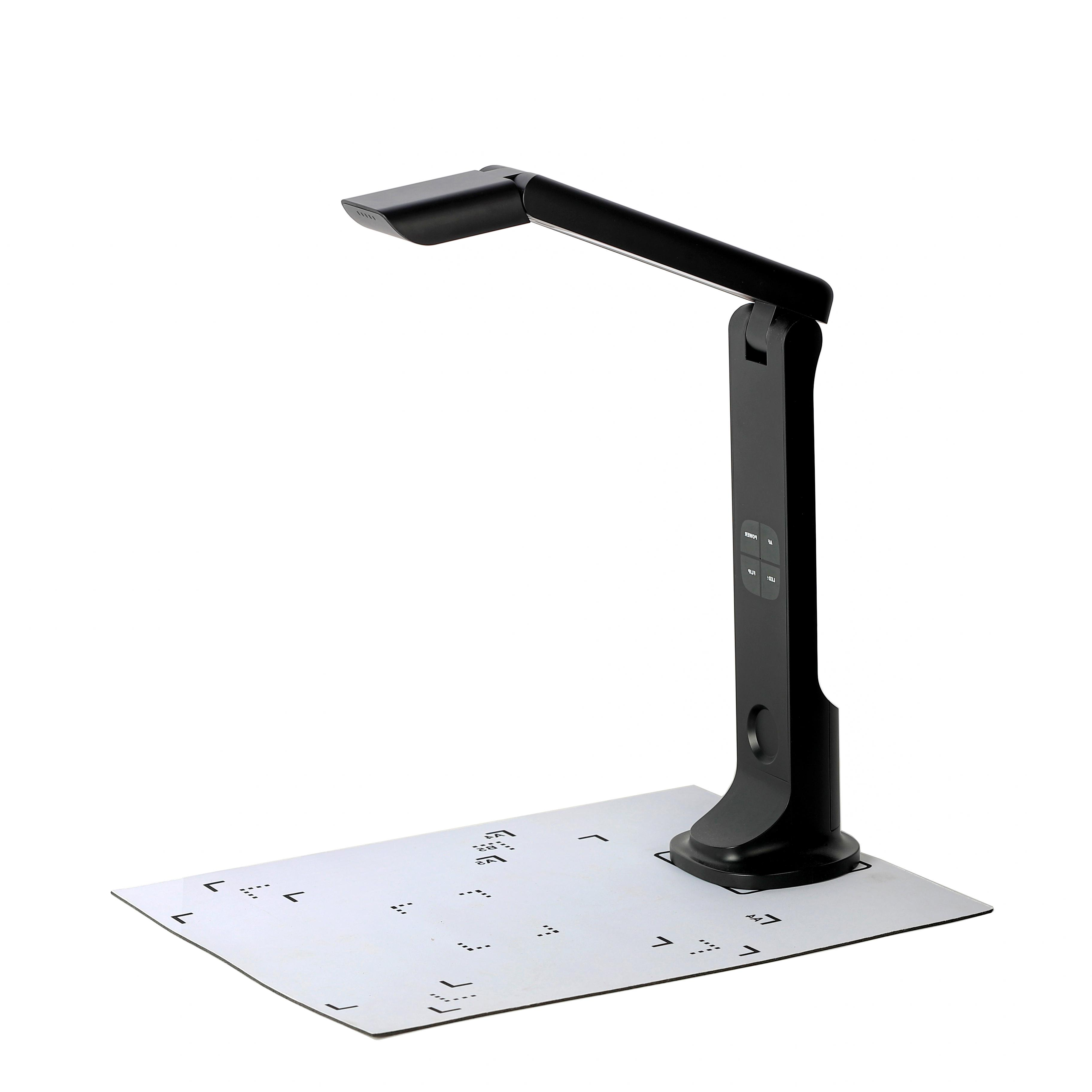
ShenMaiDi MD-13MT A3 Large-Format 13MP Document Scanner
A foldable A3 document scanner with 13MP CMOS sensor, USB output and LED lighting. Well suited to textbook pages, worksheets, maps and archive material where spine-friendly capture matters.
- 13MP CMOS
- A3
- USB
- Foldable LED
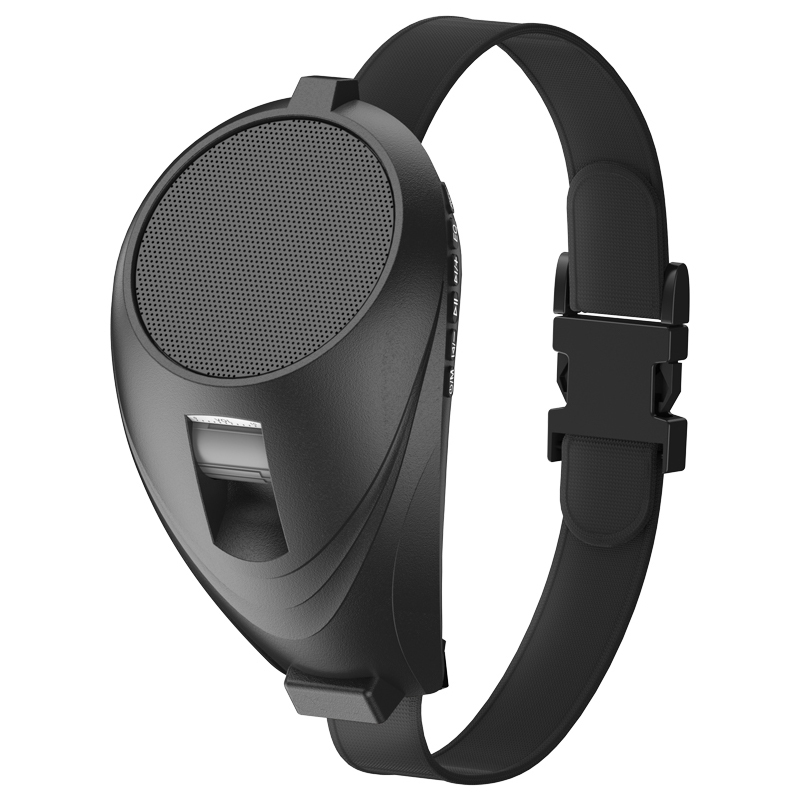
Portable Super Bass Voice Amplifier 5000mAh
A belt-mounted teacher voice amplifier with 5000mAh battery. Useful for visiting teachers, outdoor lessons, large seminar rooms and temporary classrooms where installed audio is unavailable.
- 5000mAh
- Belt-mounted
- Teacher speech
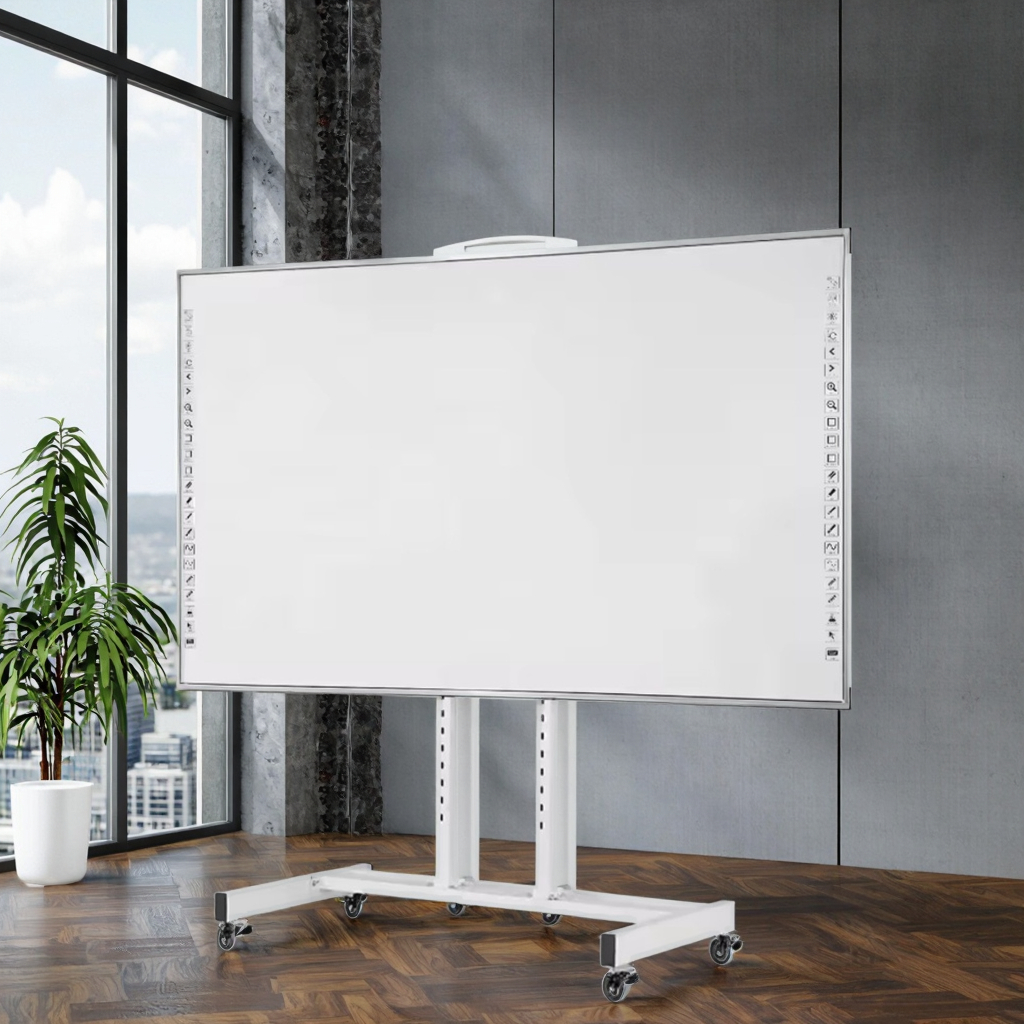
MD086-B 86-Inch Multi-Touch Interactive Smart Whiteboard
An all-in-one metal interactive whiteboard with dual-system options for active learning rooms and corporate training. A practical alternative to projector-only classrooms in Tokyo.
- 86 inch
- Multi-touch
- Dual system
What Tokyo Buyers Really Mean by “Book Scanner Wholesale”
Buyers in Tokyo who search for China top book scanner exporters and wholesalers are rarely looking for one low-price carton. They are usually comparing three procurement routes: an overhead A3 book scanner for digitising textbooks and archival material; a visual presenter or document camera for live classroom display; and a complete interactive classroom package that includes a board, scanner, camera and audio.
Each route has different acceptance criteria. A scanner that captures a flat worksheet quickly may fail on a bound book if the LED creates glare. A visual presenter with high resolution may still be rejected if it needs a proprietary driver on a school’s locked-down Windows image. A wholesale quotation that looks attractive may become expensive if 100V power adapters, Japanese labels, spare parts or remote support are missing from the offer.
For that reason, the most useful comparison is not “which exporter has the lowest unit price?” It is “which factory can provide repeatable image quality, documented compliance, flexible OEM/ODM support and a realistic after-sales path for a Tokyo school or distributor?” This white paper is structured around that question.
- Book scanner, document camera and visual presenter are related but not interchangeable purchase categories.
- Tokyo deployment requires model-level review of 100V power, plug type, packaging, manuals and software compatibility.
- Wholesale buyers should validate samples in the actual classroom lighting and laptop environment before scaling.
- A single-source classroom bundle can reduce integration risk when scanner, board and audio are specified together.
Information Gain in This Guide
Instead of repeating catalogue specifications, this page adds Tokyo-specific selection logic: book-capture geometry, live teaching workflow, Japan compliance questions, sample validation, classroom audio planning and a wholesale buying checklist for school boards and AV distributors.
Local Application Scenarios: Where Book Scanners and Visual Presenters Create ROI
Tokyo’s education market is dense, space-constrained and highly quality-sensitive. The same scanner can be an excellent fit for one room and a poor fit for another. These are the deployment scenarios procurement teams ask about most often.
Municipal Elementary & Junior High Schools
GIGA School devices are now normal, but printed worksheets, textbooks and handwritten solutions remain central. Teachers need an A3/A4 document camera that can be set up in under a minute, displayed on an existing screen and operated without an IT ticket. Low-flicker LED lighting and simple USB output matter more than advanced editing software.
Private Juku & English Schools
High lesson turnover rewards equipment that folds, moves and restarts quickly. The 22X optical zoom visual presenter is useful for small text, grammar annotations and test corrections. A belt-mounted voice amplifier helps teachers move around the room without straining their voice during back-to-back lessons.
University Lecture Halls
A lecture hall often needs two layers: a large interactive canvas for annotation and a document scanner for source material. The 102-inch interactive whiteboard projector is suited to halls where multiple students present or annotate. Pair it with a 13MP A3 scanner for source material and a 50W audio system for clear playback.
Libraries & Local Archive Rooms
Archive work is not the same as classroom display. Books, maps, local-history documents and fragile pages need a scanner that can capture an A3 area while preserving the spine. The MD-13MT’s foldable LED design and 13MP CMOS sensor make it a practical starting point; buyers should still test glare, page curvature and colour fidelity with real documents.
Corporate Training & Meeting Rooms
Tokyo companies often need the same room to support Teams, Zoom, whiteboarding and document review. The 86-inch MD086-B all-in-one supports active discussion, while a document camera lets participants share printed contracts, diagrams or product samples. A 50W amplifier improves speech clarity for hybrid meetings without adding a separate PA system.
Visiting Teachers & Small Seminar Rooms
Some Tokyo programs do not have a fixed classroom. A foldable A3 scanner, a portable voice amplifier and a compact document camera can be carried between rooms. For this scenario, buyers should prioritise packaging quality, quick-start instructions and USB-powered operation over large all-in-one installations.
2025 Trends in Tokyo Education and AV Procurement
The Japanese market does not simply import global specifications. Procurement decisions are shaped by classroom practice, IT governance, space limitations and long service life. These trends directly affect scanner and visual-presenter selection.
Print-to-Digital, Not Paper-to-Zero
Digital textbooks and cloud platforms are growing, but printed materials remain deeply embedded in lesson design. The practical demand is for overhead capture that turns a physical page into a clear live image within seconds, not for consumer-grade flatbed scanning that slows down lessons.
Hybrid Delivery as Standard
Private schools, universities and corporate learning teams increasingly expect teach-from-anywhere capability. UVC document cameras and visual presenters that work without drivers are preferred because school IT teams cannot install custom software on every device. Testing with the school’s actual laptop image is essential.
Space Efficiency and Flexible Furniture
Tokyo rooms are often multipurpose. Foldable scanners, wall-mounted boards and all-in-one displays reduce storage conflict. A product that is technically excellent but too large for the room’s furniture plan will lose to a smaller, easier-to-store model with adequate image quality.
Japanese Language and Accessibility
Menu language, quick-start guides, label clarity and teacher training are real procurement items. Buyers should ask whether Japanese documentation can be supplied, whether the on-screen interface can be configured, and whether warning labels and packaging are suitable for local distribution.
Japan-Specific Compliance Review
CE certification is valuable, but it is not a substitute for Japan-specific requirements. For AC-powered products, Tokyo buyers should confirm PSE applicability for the configured adapter where required, VCCI emissions, RoHS status, 100V/50–60Hz compatibility and the correct plug type before issuing a purchase order.
Lifecycle Service Over One-Time Price
Schools and distributors need a repair path, spare parts and clear DOA handling. A lower unit price can become expensive if a scanner fails in the middle of a term. Ask for warranty terms, spare-part availability, packaging standards and firmware support before comparing final landed cost.
Tokyo Product Recommendations: Match the Workflow, Then the Specification
The best wholesale decision is not always the highest specification. It is the model that satisfies the teaching workflow, IT environment, power configuration and service expectation at the right total cost.
For Bound Books & Archives
Start with the ShenMaiDi MD-13MT A3 13MP Document Scanner. Its A3 area, CMOS sensor, USB output and foldable LED arm suit textbook pages, maps and archival sheets. Buyers should test page curvature, reflection and colour reproduction with the actual documents that will be scanned.
For Live Teaching & 3D Objects
The Document Optica 22X optical zoom visual presenter and the A3/A4 digital document camera are better suited to live demonstration. Optical zoom helps when the camera is mounted away from the desk or when teachers need to show small components, circuit boards, science models or detailed annotations.
For Large Touch Surfaces
Choose the 102-inch portable interactive smart whiteboard projector for halls and shared presentation spaces. Choose the MD086-B 86-inch all-in-one for active-learning rooms that need a compact, integrated touch display with dual-system flexibility.
For Classroom & Lecture Audio
Use the MD-S50A 50W integrated or infrared stereo speaker systems for fixed classrooms and multimedia playback. Use the 5000mAh belt-mounted voice amplifier for visiting teachers, outdoor lessons and temporary rooms where installation is impractical.
| Evaluation Area | Why Tokyo Buyers Ask | Evidence to Request |
|---|---|---|
| Book-capture geometry | Textbooks and bound documents must be captured without cutting or excessive flattening. | A3 capture area, camera arm travel, LED position, sample images of bound books, glare test under classroom lighting. |
| Image and live output quality | Teachers need readable text, diagrams and handwriting on projectors or flat panels. | Native sensor resolution, optical vs digital zoom, frame rate, focus behaviour, HDMI/USB output, low-light performance. |
| IT compatibility | School devices may be locked down, and software installation can be delayed. | UVC support, driver-free operation, Windows/macOS/Chrome compatibility, SDK availability, OCR software options. |
| Japan power configuration | Tokyo operates on 100V and 50/60Hz depending on area. Wrong adapters delay deployment. | Adapter voltage range, plug type, PSE applicability review where required, power consumption, standby behaviour. |
| Compliance documentation | CE alone may not satisfy local procurement. Documents must match the exact model and adapter. | CE for document cameras, quality-management certificate, SGS onsite assessment, RoHS and VCCI review, model-level declaration. |
| Warranty and spare parts | A term-time failure can disrupt lessons and damage distributor reputation. | Warranty period, DOA policy, spare-parts list, repair procedure, packaging standard, remote troubleshooting support. |
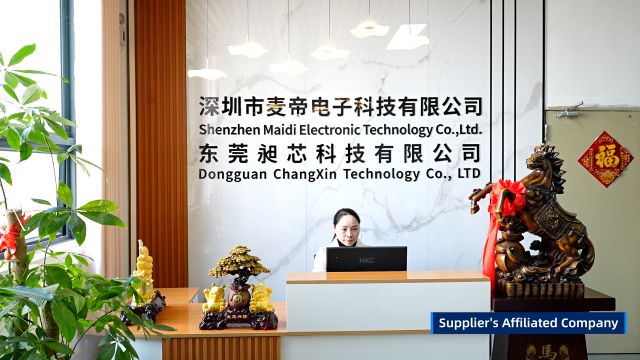

Why Kawelo Is a Practical China Wholesale Partner for Tokyo Projects
Shenzhen Kawelo Electronic Technology Co., Ltd. is a manufacturer with an integrated trading function. Founded in 2019 near the Guangming Science City high-tech park, the company reports a founder with 18 years of experience in visualizers, cameras and teaching equipment. Production is based in Dongguan, Guangdong, with a production floor of no more than 3,000 m², 11–50 staff and reported annual output of US$2.5M–US$5M.
The factory has passed an SGS onsite supplier assessment. The company is quality-management certified, and its document camera range carries CE certification. These facts matter because Tokyo buyers are not only purchasing hardware; they are selecting a supplier that must respond to model-level documentation requests, packaging requirements, sample validation and after-sales communication.
- Business typeManufacturer & trading company
- Factory locationDongguan, Guangdong, China
- Production floor≤3,000 m²
- Team11–50 staff incl. R&D, production, sales
- Annual outputUS$2.5M–US$5M
- VerifiedSGS onsite supplier assessment
- Document camerasCE certified range
- Contract manufacturingOEM, design service, buyer label
Factory Advantages That Reduce Risk for Tokyo Distributors
The source code and company profile behind this product range show an engineering-led factory model. For Tokyo buyers, those advantages translate into fewer unknowns during sampling, customization and repeat orders.
Third-Party Verified Factory
SGS onsite assessment, in-house production and CE-certified document cameras give buyers verifiable starting points before a first purchase order. Model-level certificates and reports should still be requested for the exact SKU and adapter configuration.
OEM, ODM & Buyer Label
Logo printing, custom gift boxes, graphic customization and buyer-label production are available. Firmware is flashed and verified in-house on dedicated burning stations, which supports distributors that need consistent model behaviour across repeat shipments.
Chip-to-Firmware Engineering
In-house work spans imaging and audio algorithm selection, firmware development, assembly, QC and packing. This is important for buyers who may later request SDK support, custom branding, OSD adjustments or a stable hardware revision for a tender.
Flexible Order Sizes
MOQ depends on the model: selected document cameras and conference cameras start from 1 piece, most webcams and document cameras from 4–5 pieces, and interactive whiteboards typically from 30 pieces. This structures a realistic path from sample validation to wholesale rollout.
Complete Classroom Bundles
Document cameras, book scanners, interactive whiteboards, conference cameras and classroom audio can be sourced together. For Tokyo integrators, one project BOM reduces accessory mismatch and simplifies communication when a school requests a complete room upgrade.
Export-Ready Commercial Terms
Quotations are provided on FOB terms with T/T payment in USD or HKD. The stated main export markets are Southeast Asia, Africa, North America and Oceania. Tokyo projects require a model-level review for 100V power, documentation, packaging and delivery schedules before confirmation.
From Sample to Repeat Order: A Tokyo Procurement Workflow
A disciplined process protects both the distributor and the school. The objective is to verify the exact model, power configuration and documentation before a large order is committed.
Define the Teaching Workflow
Confirm whether the primary task is bound-book capture, live demonstration, whiteboard annotation or room audio. Specify A3 vs A4, optical zoom, touch size, battery or fixed power, and whether built-in computing is required.
Validate a Sample in Tokyo
Test the scanner under real classroom lighting and with the school’s laptop, projector or display. Check focus speed, glare, text readability, USB recognition, software compatibility, audio clarity and operator learning time.
Lock Compliance and Packaging
Confirm the exact adapter, 100V/50–60Hz rating, plug type, PSE applicability review where required, RoHS and VCCI checks, Japanese label content, manual language, carton marks and drop-test expectations.
Scale with Spares and Training
Agree warranty terms, DOA handling, spare-parts quantities, firmware version control and teacher training materials. A repeat order should be predictable, not a new integration project each time.
FAQ: Tokyo Buyers Sourcing Book Scanners and Classroom Technology from China
These are the questions procurement teams commonly ask before requesting a wholesale quotation. Where a specification depends on the exact model, the answer should be confirmed in writing on the RFQ.
Are you a manufacturer or a trading company?
Kawelo is a manufacturer with an integrated trading function. The production site in Dongguan, Guangdong has been assessed onsite by SGS, and R&D, firmware, assembly, QC and packing are handled in-house.
What is the minimum order quantity?
MOQ depends on the model. Selected document cameras and conference cameras start from 1 piece, most webcams and document cameras from 4–5 pieces, and interactive whiteboards typically from 30 pieces.
What OEM and ODM customization is available?
OEM service, design service and buyer-label production are available, including logo printing, custom packaging and graphic customization. Firmware can be flashed and verified in-house on dedicated burning stations.
Which certifications support a Tokyo purchase?
The document camera range carries CE certification, the company is quality-management certified, and the factory has passed an SGS onsite supplier assessment. For Japan, confirm PSE applicability where required, VCCI, RoHS, 100V/50–60Hz compatibility and plug type for the exact SKU.
Can you supply 100V power adapters and Japanese plugs?
Power configuration must be specified in the RFQ and confirmed per model and order. Tokyo buyers should not assume that a standard export adapter is suitable; request the exact voltage, frequency, plug, labeling and documentation before production.
Do your document cameras support SDK and OCR integration?
Selected models such as the A4/A3 high-speed document camera support SDK integration, and the MD-16MT A3 scanner in the wider range provides OCR text recognition. Confirm the exact model, software version and operating-system requirements before selecting for a software project.
What warranty do you provide?
Document cameras come with a standard 1-year warranty. Warranty terms for interactive whiteboards, speakers and other product categories should be confirmed with the sales team for the specific model and project.
What payment and delivery terms do you accept?
Payment is accepted by T/T in USD or HKD, and quotations are provided on FOB terms. The buyer normally arranges freight and import clearance; your forwarder can coordinate Tokyo delivery with the shipping documents.
Can I order a sample before a wholesale order?
Yes, for eligible models. Selected document cameras and conference cameras can start from 1 piece, while other models may require 4–5 pieces and interactive whiteboards typically start from 30 pieces. The sample order should specify the final adapter, firmware and packaging.
Can you bundle scanners, interactive boards and audio?
Yes. A single project BOM can combine book scanners, visual presenters, interactive whiteboards, speakers and related accessories. This is useful for Tokyo integrators building a complete classroom, lecture hall or training-room package.
Which markets do you export to?
The stated main export markets are Southeast Asia, Africa, North America and Oceania. Tokyo-specific orders are quoted after reviewing the exact model, power configuration, documentation requirements and delivery schedule.
How do you handle Japanese manuals and labels?
Custom packaging and graphic customization are available. Japanese manual content, label wording and carton marks can be discussed as part of the OEM/ODM scope, but the final text should be approved by the buyer before mass production to avoid reprinting costs.
Request a Tokyo-Ready Wholesale Quotation
Send your room type, quantities, target software platform, voltage requirement and whether you need OEM packaging. The reply should include a recommended model shortlist, key specifications, MOQ, lead-time discussion points and the next step for sample validation.
Send an Inquiry