Interactive Teaching Board Factory & Suppliers for the Columbus Market
Factory-direct interactive smart boards, document cameras, visual presenters, scanners, and classroom audio for Columbus schools, universities, healthcare trainers, public agencies, and enterprise learning teams.
Eight Interactive Teaching Products for Columbus Classrooms and Training Rooms
Columbus buyers often need one source for the interactive teaching board, document camera, visual presenter, scanner, and classroom audio inside a single bill of materials. The eight products below are in active production and link directly to the relevant product page. Images are shown in full proportion so that specifications are not hidden by cropping.
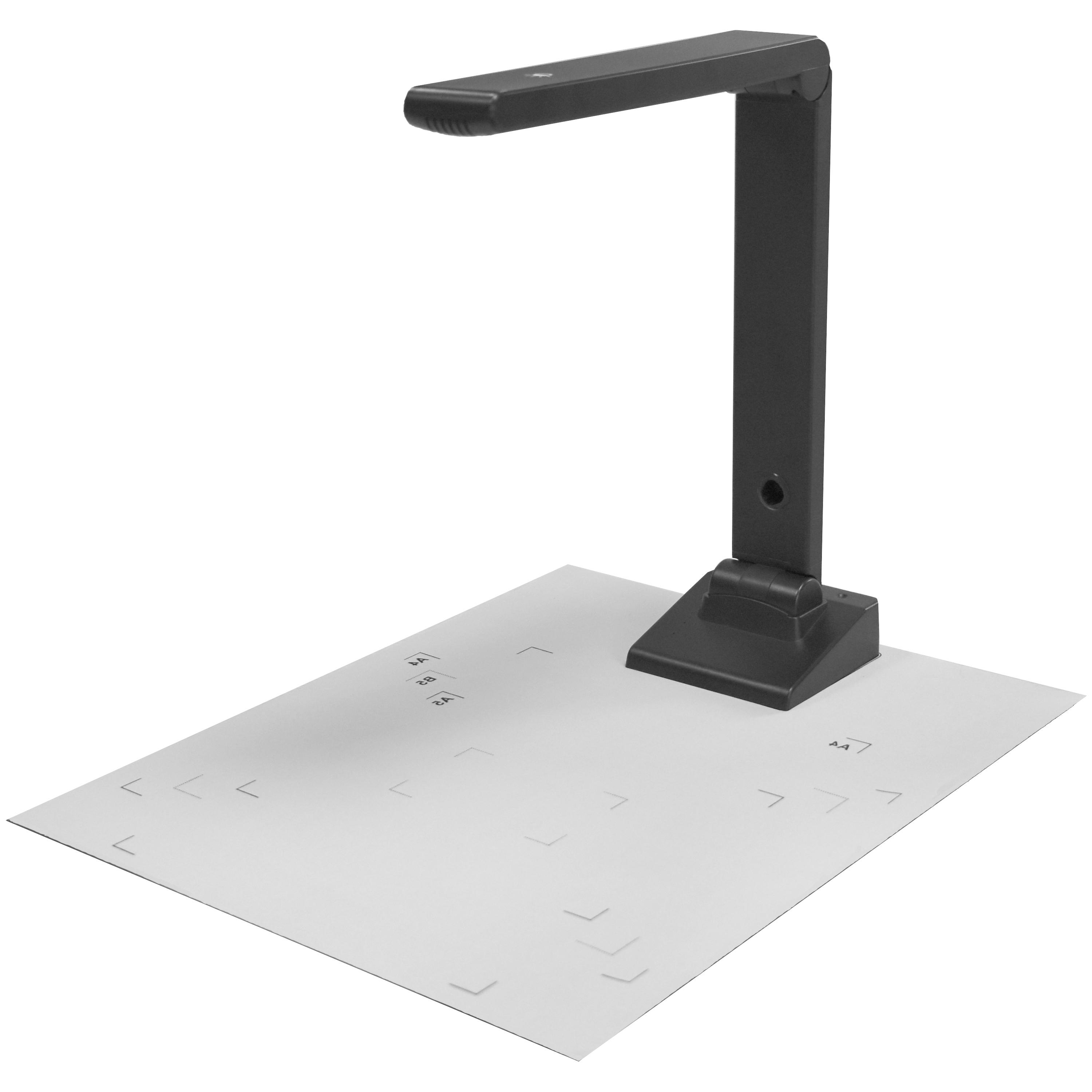
ShenMaiDi 8MP Plastic Black Document Scanner CMOS Assisted Text Conversion Portable A3/A4 USB SDK 1S Scan 24-Bit Color Depth
A portable A3/A4 document scanner for lesson capture, assisted text conversion, and USB-connected desktop workflows. The one-second scan and 24-bit color depth help teachers digitize handouts, workbooks, and annotated examples without a dedicated scanning station.
View product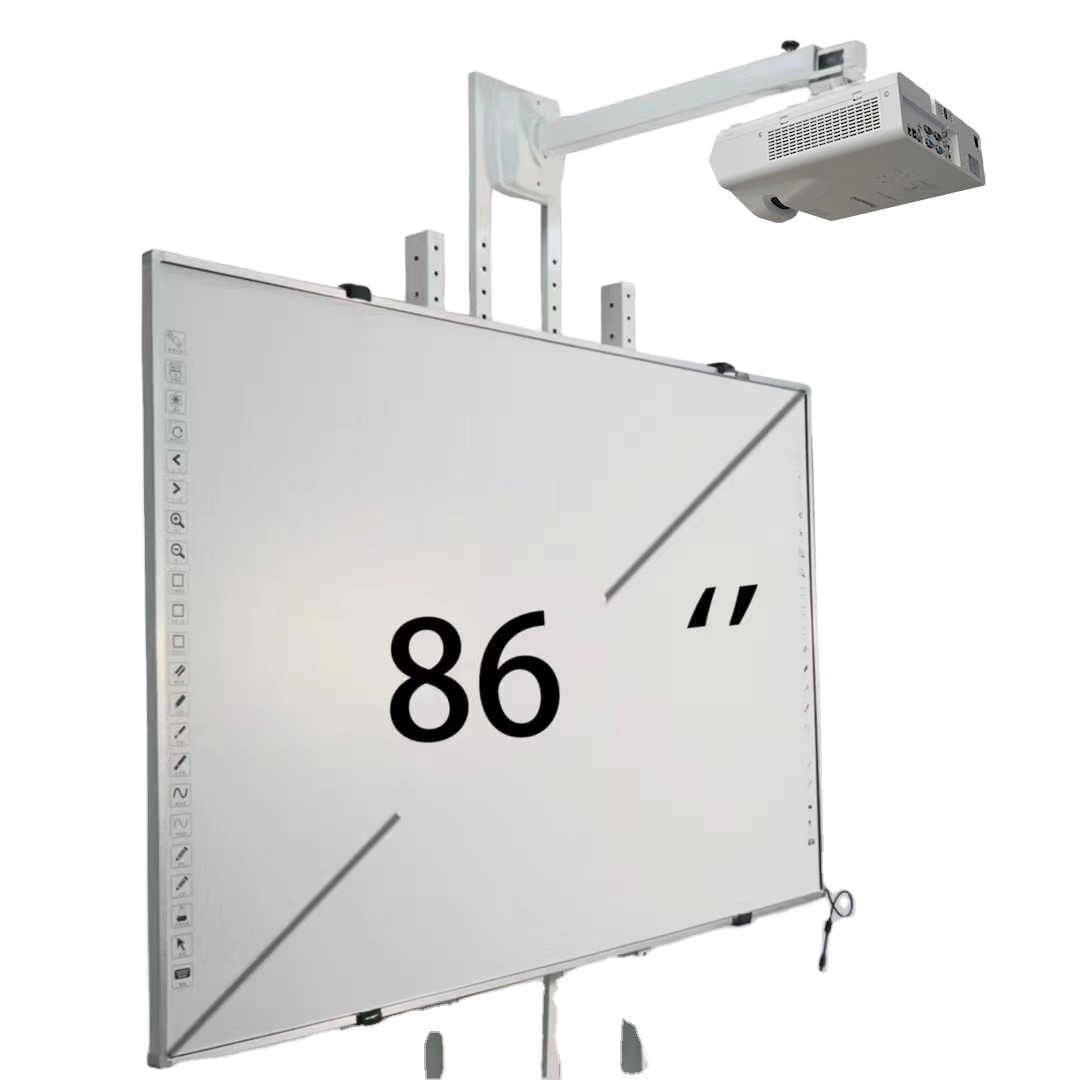
86 Inch Interactive Smart Board for Classroom Use Dual-system Metal PET Construction Whiteboard 22 Shortcuts Finger Multi-Touch
An 86-inch dual-system interactive smart board with metal/PET construction, 22 shortcuts, finger multi-touch, and whiteboard functionality. Sized for Columbus K–12 classrooms, teacher-training rooms, and project rooms where quick start-up and simple annotation matter.
View product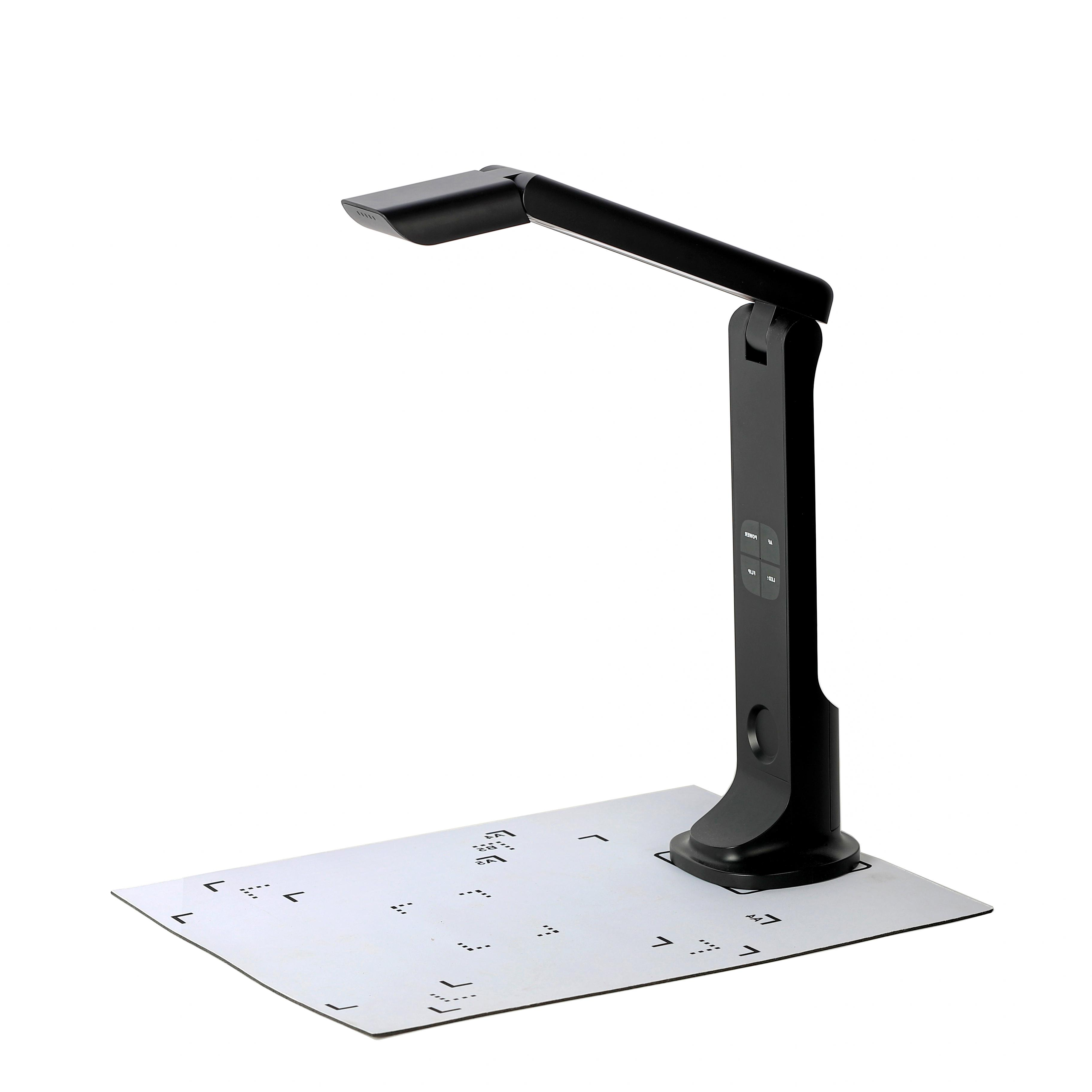
ShenMaiDi MD-13MT Home A3 Document Scanner Large Format 13MP Resolution CMOS Sensor USB Foldable LED Light Automatic Visual
A home and office A3 document scanner with 13MP CMOS resolution, foldable arm, LED light, and USB output. A practical entry point for teachers, tutors, and remote staff who need larger-format capture without installing a fixed visualizer.
View product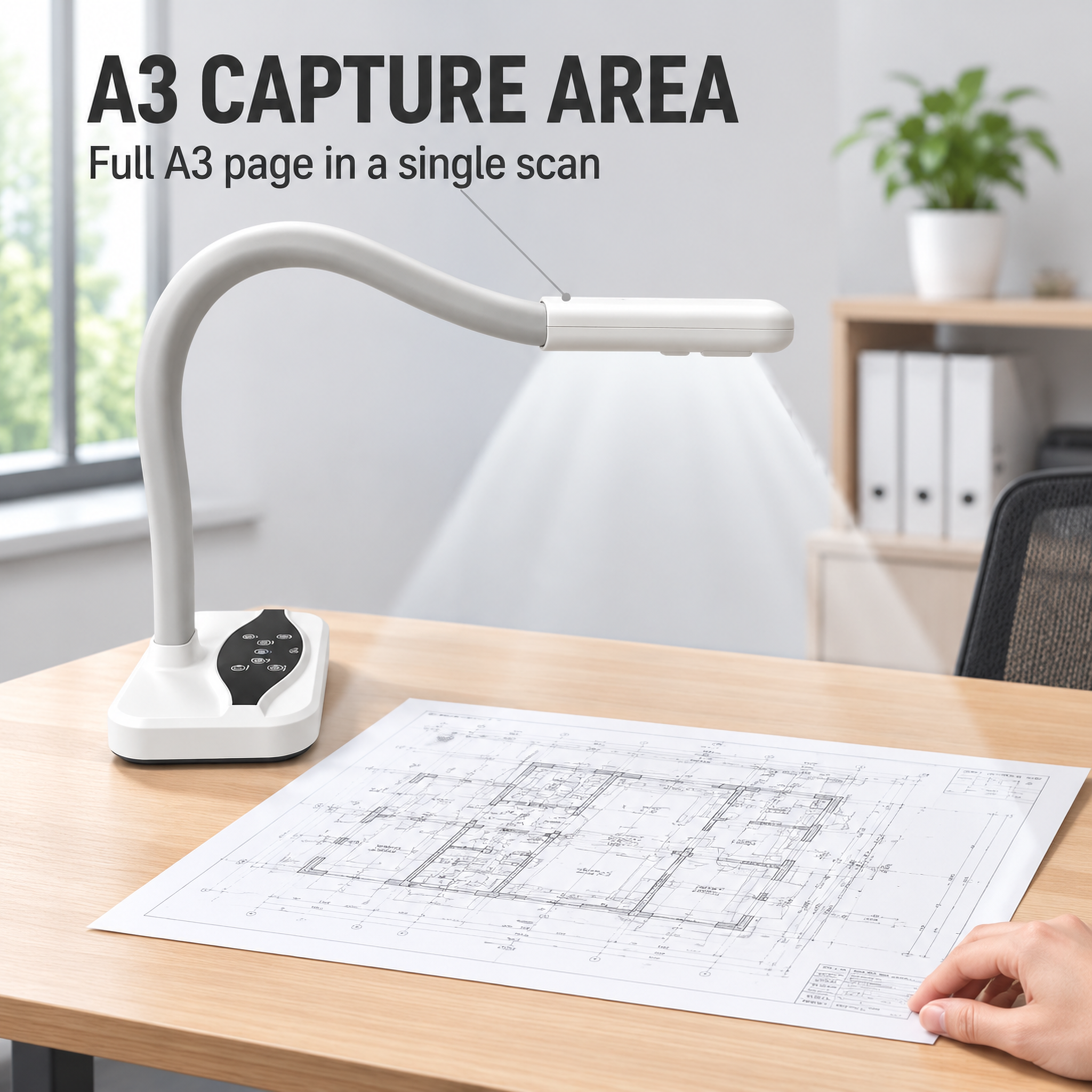
4K HD Document Camera A3 Capture Area HDMI Output Type C Touch Key SD Card Visual Presenter Educational Scanner
A 4K document camera with A3 capture area, HDMI and Type-C output, touch keys, and SD-card recording. It supports PC-free presenting in lecture halls and multi-use training rooms where HDMI remains the simplest, most reliable connection.
View product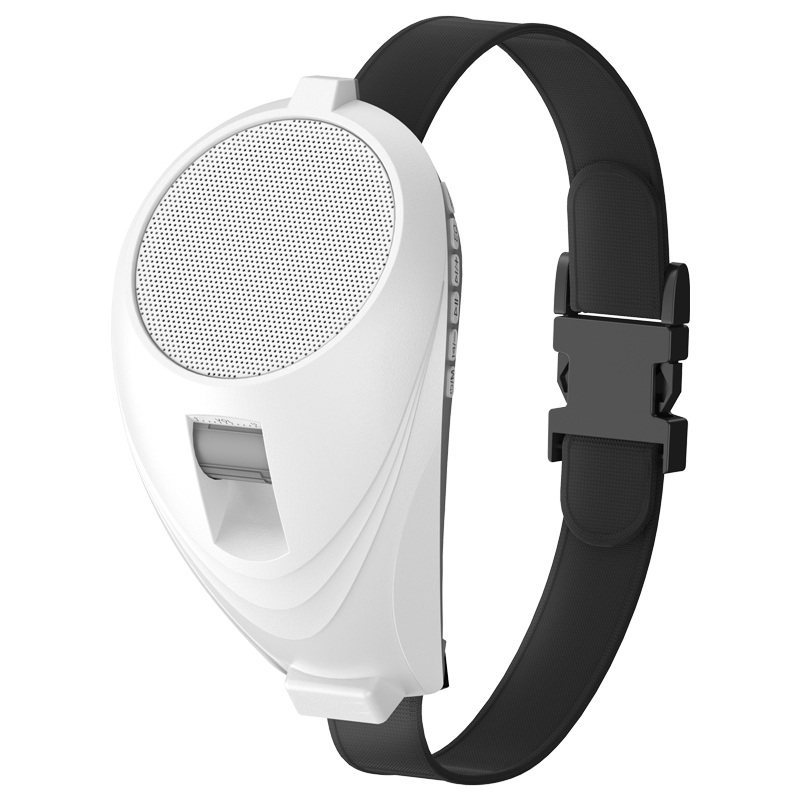
Wireless Active Mini Megaphone Belt-Mounted for V5.0 20W Output 5000mAh Battery Super Bass Stereo Sound for Indoor
A belt-mounted 20W wireless megaphone with 5000mAh battery and stereo sound. Useful for outdoor lessons, cafeteria briefings, staff huddles, and large training rooms where the built-in room audio is inconsistent.
View product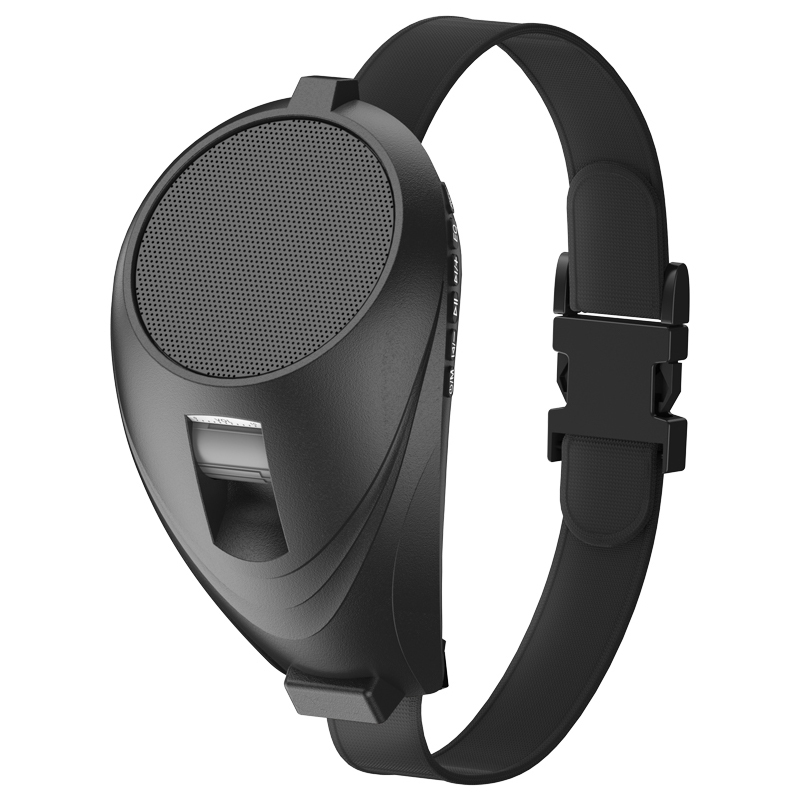
Active for 5.0 Plastic Mini Speaker Super Bass Stereo Sound Belt-Mounted Megaphone for Teachers' Speech 5000mAh Battery
A 5000mAh belt-mounted mini speaker and teacher voice amplifier with stereo sound. Suited to classroom teachers, tour guides, and trainers who need hands-free voice reinforcement without carrying a full PA system.
View product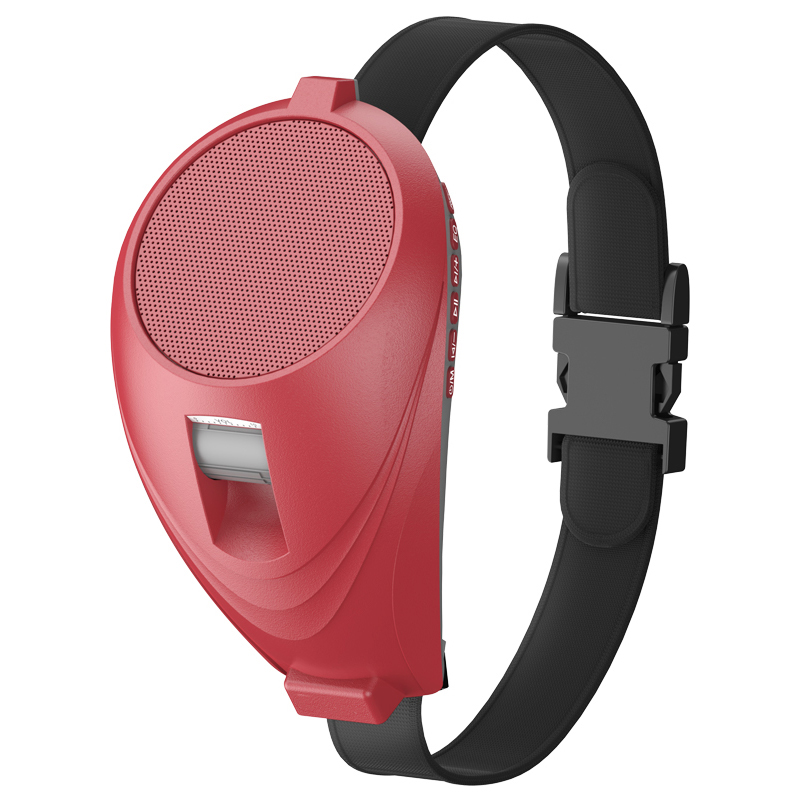
Wireless for 5.0 Active Mini Megaphone 5000-10000mAh Battery Belt-Mounted Super Bass Stereo Sound Portable Speaker for
A higher-capacity 5000–10000mAh belt-mounted wireless speaker for longer sessions, indoor presentations, and mobile teaching. The portable format supports staff training, multi-room use, and voice reinforcement when a permanent audio installation is not available.
View product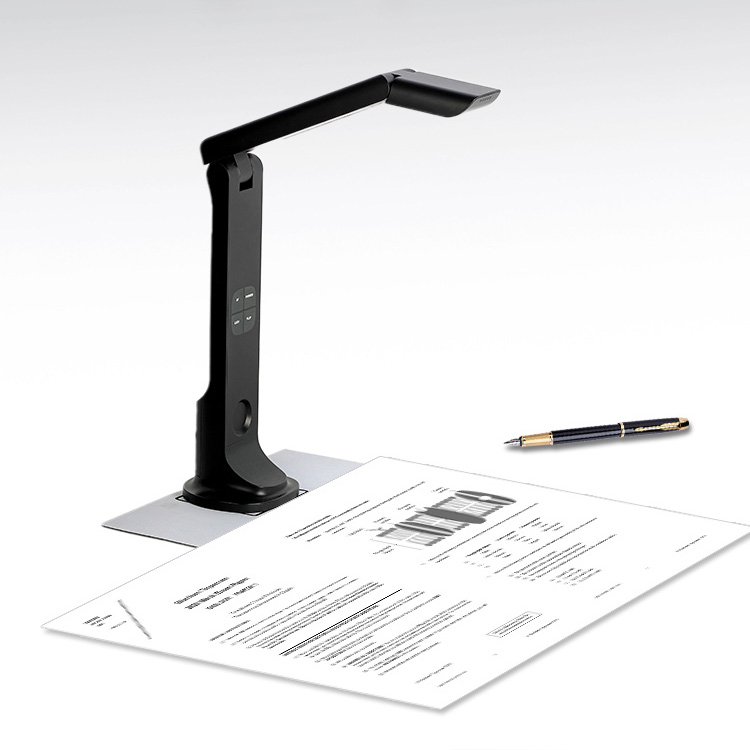
A4 A3 Digital Visualizer USB Document Camera Scanner Book Paper Scanner 16MP Portable Visual Presenter for Kids Education
A 16MP USB document camera and book/paper scanner with a portable visual presenter design. A strong fit for elementary education, tutoring, and hybrid lessons that need quick capture of books, worksheets, handwriting, and live demonstrations.
View productWhy Columbus Buyers Need More Than a Generic Interactive Board Supplier
Columbus is not a single buying center. The metro includes Columbus City Schools and nearby suburban districts such as Dublin, Hilliard, Westerville, Worthington, and Gahanna-Jefferson; higher-education teams at The Ohio State University and Columbus State Community College; healthcare training groups; state and local agencies; and corporate learning teams serving employers such as Nationwide, Cardinal Health, Huntington, and AEP. Each buyer may use a different approval path, but the classroom problem is consistent: teachers need a display that starts quickly, a camera that makes small objects visible, and audio that reaches the back row.
Procurement is just as layered. Ohio’s local-control structure means a district may buy through board approval, a cooperative or consortium, or an AV integrator. A factory-direct supplier can create value on product cost, customization, and technical documentation, but it does not replace a local installer or a district compliance review. The strongest model is often a factory-direct teaching-board supplier working alongside a Columbus-area AV integrator for site survey, mounting, cabling, commissioning, and staff training.
Semantic search for “interactive teaching board factory Columbus” comes from different intents: a district technology director comparing suppliers, a school business official checking lead times, an integrator sourcing OEM boards, a teacher looking for classroom document cameras, and a training manager planning a hybrid room. That is why this page connects product selection, local scenarios, delivery, and evidence rather than treating every visitor as the same lead.
For buyers who are early in the process, the most useful first step is to define the room, not only the screen size. A standard classroom with front-of-room projection has different requirements from a lecture hall, a mobile teaching cart, or a corporate training room with video conferencing. The right bundle usually combines an interactive teaching board, a document camera, a scanner or visual presenter, and voice reinforcement in a configuration that staff can operate without a technician.
Qualitative Buying Signals from Columbus-Area Conversations
The bars below summarize recurring priorities in project conversations and RFQs. They are qualitative buying signals, not survey statistics or a claim of local market research coverage.
Interactive Teaching Board Applications in Columbus Classrooms, Campuses, and Training Rooms
Product fit is decided in the room, not on a specification sheet alone. These scenarios show how Columbus buyers can combine the eight factory-direct products into practical teaching and training systems.
K–12 Classrooms in Columbus and Suburbs
Place an 86-inch interactive smart board at the front of the room and pair it with an 8MP or 16MP document camera. The board supports annotation, dual-system classroom applications, and 22 shortcuts; the camera makes worksheets, science demonstrations, and small parts visible to every student.
Higher Education and Teacher Training
For methods classrooms, lecture spaces, and teacher-preparation labs, use a 4K document camera with HDMI/Type-C output and an 86-inch interactive board. Teacher candidates can model live annotation, book scanning, and hybrid lesson delivery while keeping the workflow simple for visiting faculty.
Corporate Learning and Development
Columbus employers train distributed teams across offices and plants. Combine a 4K visual presenter with a portable 20W megaphone for large rooms or off-site sessions. Keep HDMI as a fallback so a training session can start even when a laptop or room PC is not configured.
Healthcare and Clinical Training
Document cameras can show anatomy models, printed protocols, device labels, and medication packaging without passing materials around the room. Dual-system boards support annotation, while belt-mounted speakers help instructors project their voice in simulation labs and training rooms.
Public Agencies and Workforce Programs
Use the A3 scanner and portable visualizers for intake documents, skills demonstrations, and job-readiness workshops. Interactive boards support group planning, community presentations, and staff briefings where multiple people need to annotate the same working document.
Mobile and Hybrid Teaching Carts
A foldable 13MP A3 scanner, 16MP visualizer, and belt-mounted speaker can turn a standard room into a capture station. This model suits substitute teachers, traveling trainers, and satellite sites that share equipment across rooms rather than installing a board in every space.
Columbus Market Trends That Affect Your Interactive Teaching Board Specification
Local buying behavior is shaped by classroom renewal cycles, hybrid instruction, voice protection, and evidence-first procurement. These trends should be reflected in the RFQ, not discovered after installation.
From Projector Boards to Interactive Flat Panels
Many districts are replacing projector-and-whiteboard combinations with all-in-one displays or touch overlays. When comparing, clarify whether the room needs a projection surface, an all-in-one Android/Windows display, or a touch overlay on an existing display. An 86-inch dual-system board is not the same purchase as a projection-based smart board.
Hybrid Learning Raises Camera and OCR Expectations
Remote students, tutoring, and recorded lessons continue to shape classroom design. A 4K visual presenter or 16MP document camera keeps handwriting, book pages, and demonstrations legible. OCR-assisted text conversion helps turn scanned materials into searchable or editable resources for lesson planning.
Teacher Voice and Room Audio Are Part of the Environment
Suburban Columbus classrooms can be large, and gyms or multi-purpose rooms are worse. Belt-mounted wireless speakers and megaphones reduce vocal strain. Specify battery life, charging routine, and whether multiple rooms can share the device so that teachers are not competing for one amplifier.
Evidence-First Procurement and Compliance Review
Buyers need datasheets, warranty terms, certifications, packing lists, and clear minimum order quantities. For U.S. projects, confirm whether UL/ETL-listed power components, FCC documentation, or district-specific insurance requirements apply. A supplier that flags gaps early is more useful than one that ignores them until after the purchase order.
Factory-Direct Teaching Board and Camera Bundles for Columbus Buyers
These are practical starting points for RFQs and pilot rooms. Final specifications should be confirmed with datasheets, site dimensions, software requirements, and the district or integrator’s compliance checklist.
Standard K–12 Classroom
Best when teachers need annotation, quick book capture, and a familiar USB workflow.
- 86-inch dual-system interactive smart board
- 8MP A3/A4 portable document scanner
- 16MP portable visual presenter
Lecture Hall or Auditorium
Use HDMI for PC-free presenting and confirm sightlines, mounting height, and cable path before installation.
- 86-inch interactive smart board
- 4K HDMI/Type-C document camera
- SD-card recording and touch-key control
Mobile and Hybrid Teaching Kit
Package the equipment in a lockable cart so staff can move between rooms and satellite sites.
- 13MP A3 foldable document scanner
- 4K document camera with HDMI and Type-C
- 20W wireless belt-mounted megaphone
Large-Room Training and Voice Support
Match audio power to room size and ceiling height, then test the system in the actual room before scaling.
- 5000mAh belt-mounted teacher voice amplifier
- 5000–10000mAh portable wireless speaker
- 86-inch interactive board and document camera
Inside the Kawelo Factory Advantage: What Columbus Buyers Can Verify
Experience, process evidence, and transparent limits are more useful than slogans. The following details come from the company profile and production capabilities behind the products on this page.
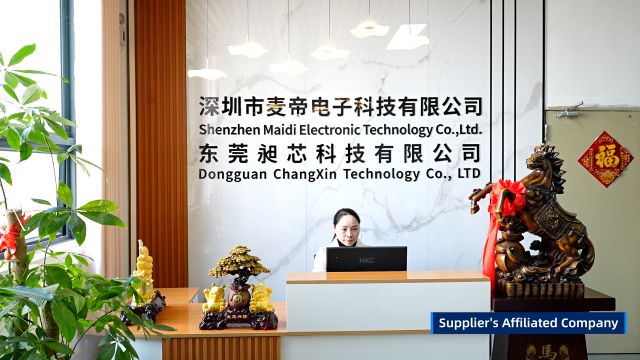
Shenzhen Kawelo Electronic Technology Co., Ltd. is a manufacturer with an integrated trading function. The company was founded in 2019 near the Guangming Science City high-tech park, and its founder has 18 years of experience developing visualizers, cameras, and teaching equipment. Production is based in Dongguan, Guangdong, with a documented production footprint of up to 3,000 m², a team of 11–50 staff, and annual output in the US$2.5M–US$5M range.
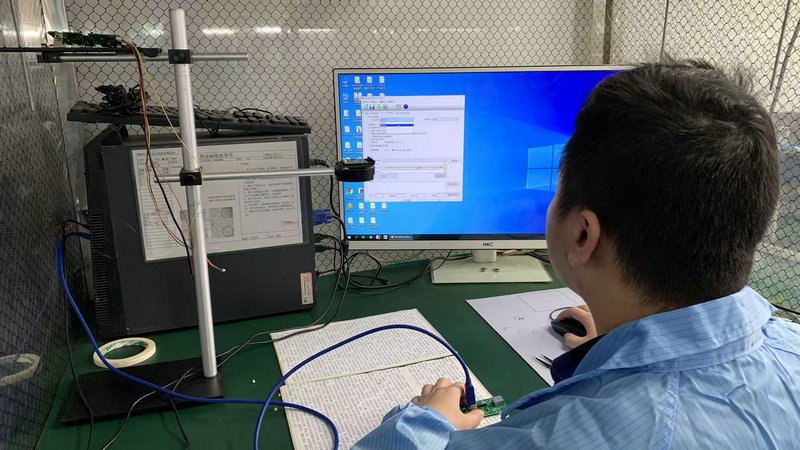
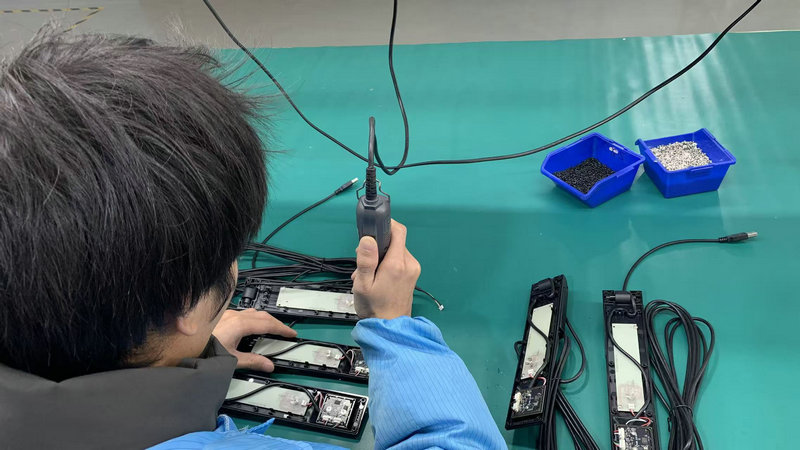
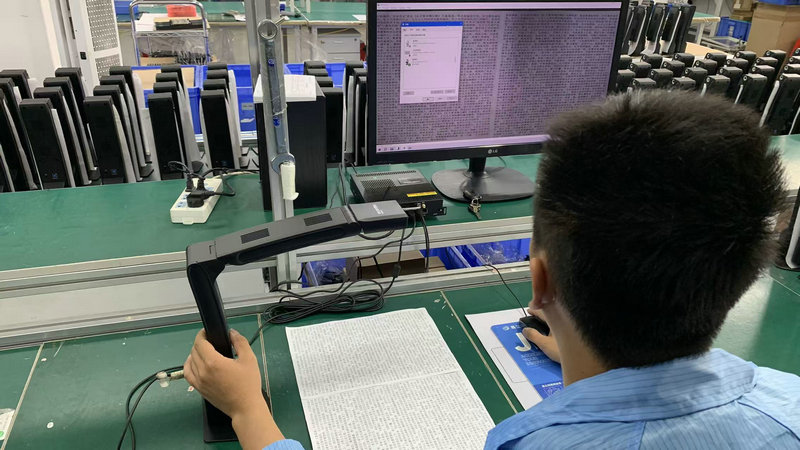
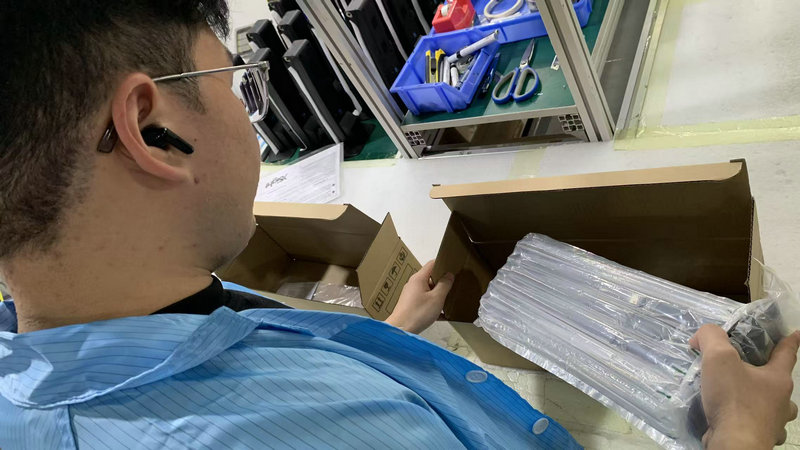
R&D, firmware, assembly, QC, and packing are handled in-house. Selected models carry CE certification, and the factory has passed an SGS onsite supplier assessment. OEM service, design service, and buyer-label production include logo printing, custom packaging, and graphic customization. Firmware is flashed and verified on dedicated burning stations, which matters for distributors that need consistent behavior across lots.
Document cameras may start from 1 piece on selected models; most webcams and document cameras start from 4–5 pieces; interactive whiteboards typically start at 30 pieces. T/T in USD or HKD and FOB terms are standard. Document cameras carry a 1-year warranty; other categories should be confirmed with sales before the quotation is finalized.
- Manufacturer with integrated trading function
- SGS onsite supplier assessment
- CE-certified document camera range
- OEM, ODM, and buyer-label production
- In-house firmware burning and verification
- Complete classroom and meeting-room BOM
Your Brand, Your Packaging
Logo printing, custom gift boxes, graphic customization, and full buyer-label production support private brands and tender-specific packaging requirements.
Chip-to-Firmware Engineering
In-house imaging and audio algorithm work, firmware flashing, and SDK support help software integrators reduce compatibility surprises and driver conflicts.
Third-Party Verified
An SGS onsite assessment, verified production processes, and CE certification on the document camera range reduce sourcing risk and support procurement review.
Flexible Order Sizes
Sample and trial orders start from 1 unit on selected models, so a Columbus pilot room can be validated before a district or multi-site rollout.
Complete Room Bundles
Pair document cameras, interactive boards, scanners, speakers, and conference cameras from one supplier for tender-ready classroom and meeting-room kits.
Export-Ready Operations
Shipping to Southeast Asia, Africa, North America, and Oceania on FOB terms with T/T in USD or HKD, supported by export packing and buyer-label carton options.

Shipping, Installation, and Procurement Planning for Columbus Projects
Factory-direct purchasing works best when freight, compliance, and site responsibilities are clear before the order is placed.
Columbus is served by Rickenbacker International Airport, a rail-served inland port, and the I-70/I-71 corridor. Most factory-direct orders from Dongguan move by ocean freight to a U.S. port and then by rail or truck into Central Ohio. Air freight is possible for urgent samples, but it changes the landed cost. Lead time is not a single number: it depends on model, production schedule, ocean or air booking, customs clearance, and local delivery. Interactive whiteboards typically start at 30 pieces, so first projects should plan for production plus transit, not just a promised ship date.
Kawelo is a China-based manufacturer, not a Columbus installation contractor. For mounting, electrical work, network configuration, and user training, buyers should engage a local AV integrator. Kawelo can provide product datasheets, packing lists, commercial invoices, and available certification documents to support the integrator’s site plan. If a district requires UL/ETL-listed power supplies, FCC documentation, or specific insurance endorsements, confirm these before purchase; the published credentials here include SGS onsite assessment and CE certification on the document camera range.
Sample and Validation
Selected document cameras and conference cameras start from 1 piece; webcams and document cameras often start at 4–5 pieces; interactive whiteboards usually start at 30 pieces. Validate firmware, software, and mounting before scaling.
Payment and Terms
T/T in USD or HKD and FOB terms are standard. Request a formal quotation with Incoterm, lead time, packing dimensions, and warranty by SKU so that the purchase order matches the technical file.
Logistics to Central Ohio
Use Rickenbacker International Airport for air cargo, or ocean freight to U.S. ports with rail and truck delivery into Columbus. Share the delivery address, unloading capability, and receiving appointment rules early.
Warranty and Support
Document cameras include a standard 1-year warranty. Ask for the RMA process, spare-parts list, and firmware update path for interactive boards and audio products before finalizing the purchase order.
Common Questions About Interactive Teaching Board Factory Supply and Local Procurement
These are the questions procurement teams, integrators, and school technology staff ask most often before a first Columbus order.
Is Kawelo a manufacturer or a trading company?
What OEM and ODM customization is available for Columbus distributors?
What is the minimum order quantity for a first Columbus project?
How do you support local installation and commissioning in Columbus?
Which certifications and compliance documents are available?
Do your document cameras support SDK and OCR integration?
What payment, lead time, and shipping terms apply?
What warranty and export markets are supported?
Send Your Columbus Classroom or Training-Room Requirements
Share classroom count, room dimensions, preferred board size, camera workflow, audio needs, target budget, compliance requirements, and delivery address. Kawelo will recommend matching models, confirm MOQ, and provide a quotation with available datasheets, packing information, and warranty terms. For U.S. projects, state any UL/ETL, FCC, or district insurance requirements up front so gaps can be identified early.
info@kawelotech.com