8 Non-Contact Capture & Hybrid-Learning Products for Kyoto Projects
Kyoto procurement teams often test a small pilot before a district, university or multi-site rollout. The eight products below are from the original Kawelo factory range and cover document cameras, A3 scanners, interactive displays, conference cameras and classroom audio. Product links and original product images are preserved for direct evaluation.
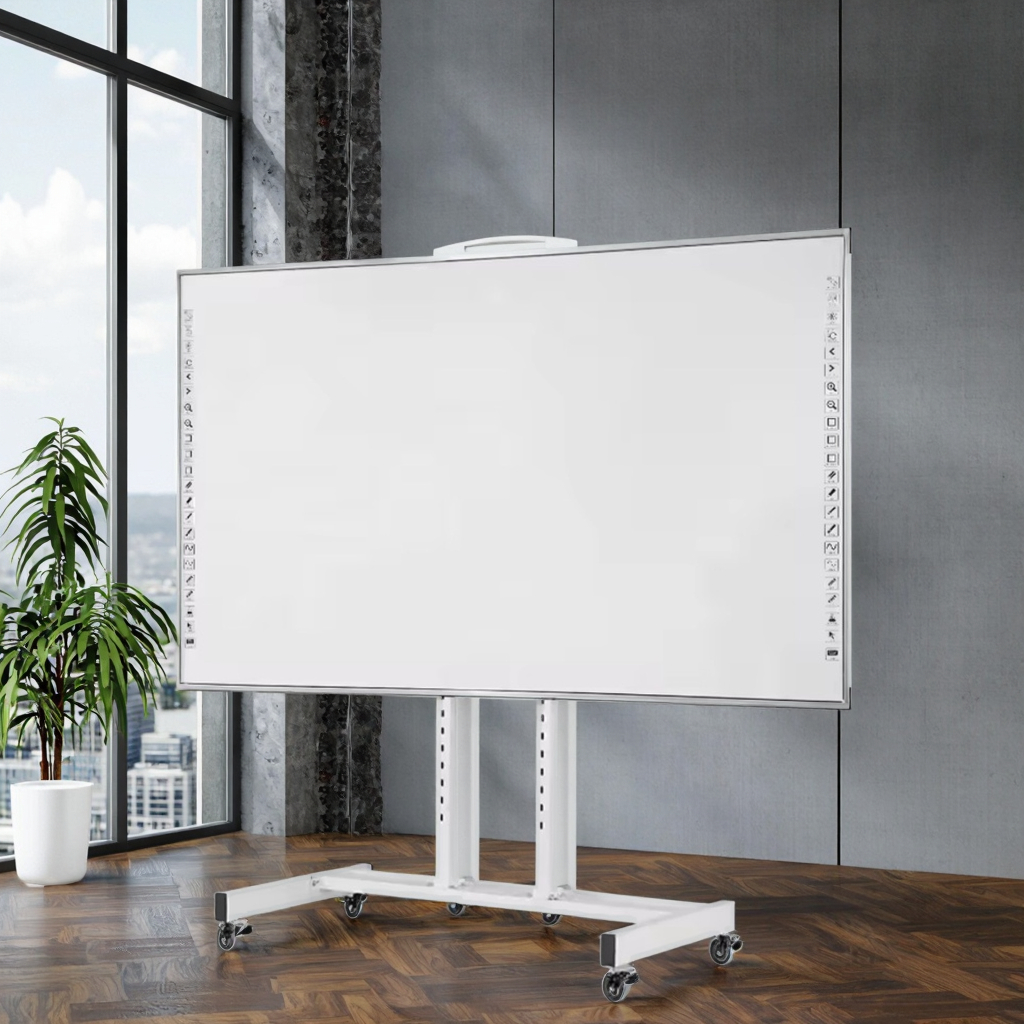
MD086-B 86-Inch Multi-Touch Interactive Smart Metal Whiteboard
A dual-system all-in-one display for Kyoto seminar rooms and modern classrooms. Pair it with a non-contact document camera so teachers can annotate textbooks, calligraphy examples, maps and student work without pressing fragile originals flat.
- 86-inch
- Multi-touch
- Dual system
- Metal body
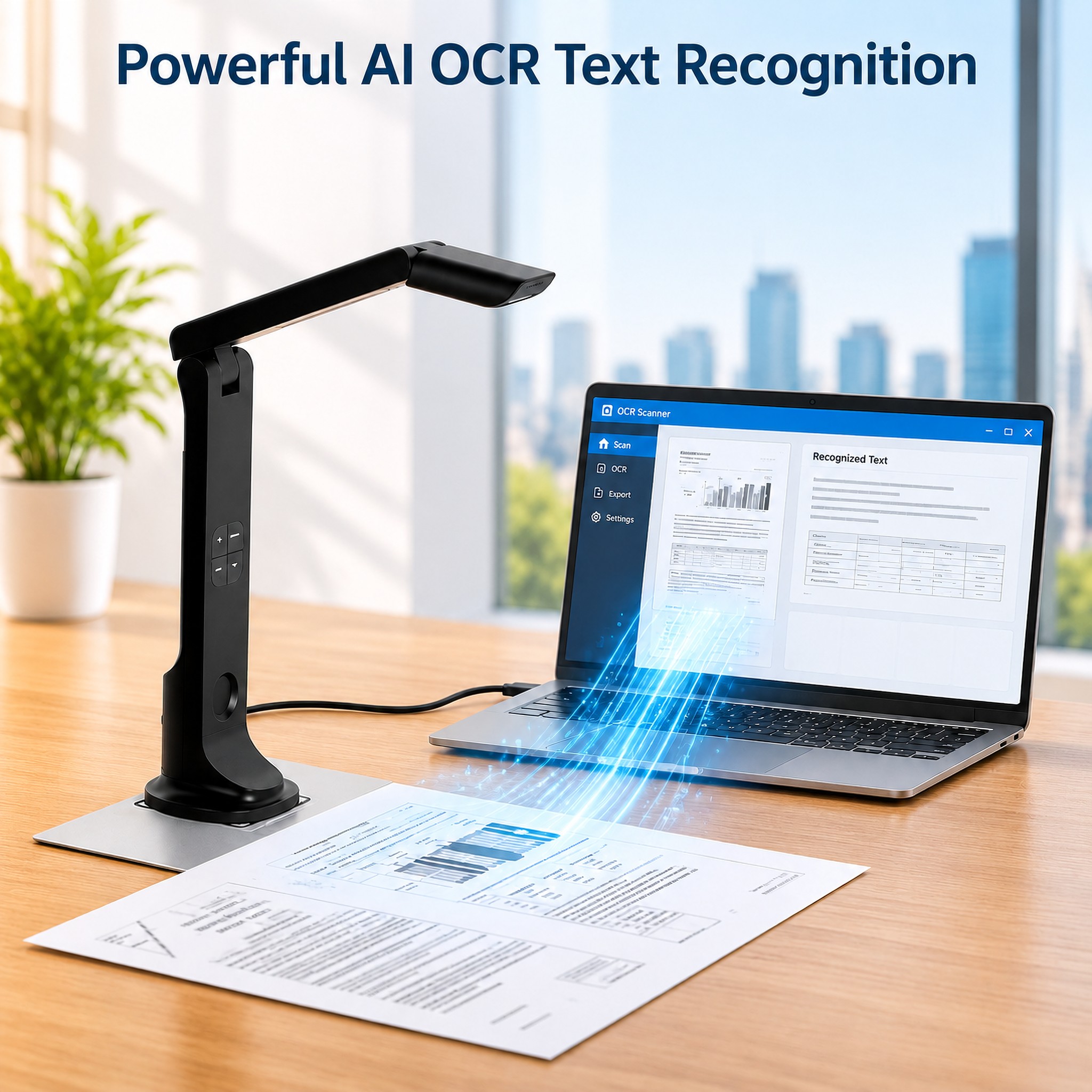
MD-16MT A3 Document Scanner 16MP CMOS Visual Presenter with OCR
A strong fit for Kyoto archives, school libraries and service counters handling bound books, maps, application forms and teaching materials. The foldable arm, LED light and OCR text recognition support live demonstration and digitization without contact.
- 16MP CMOS
- A3 capture
- OCR
- LED light
- USB
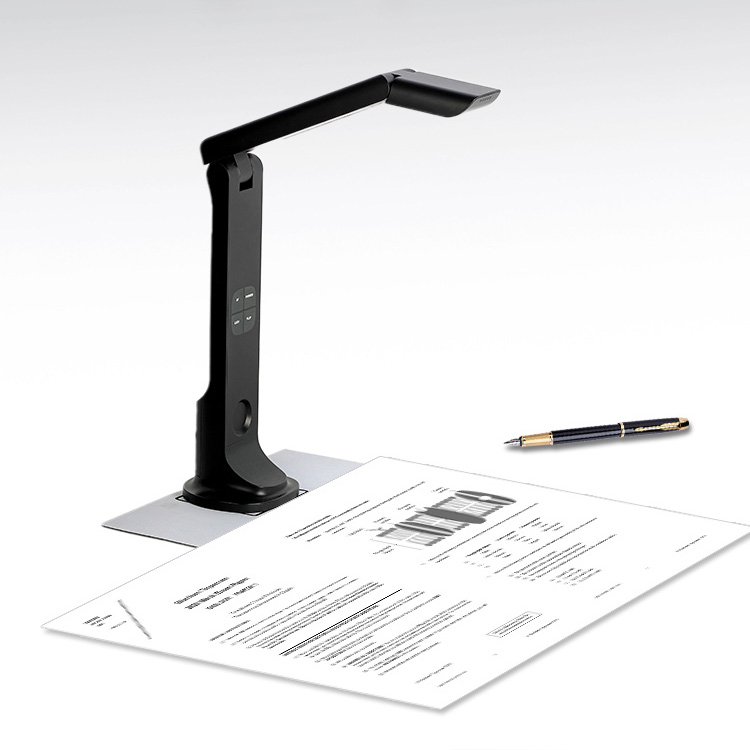
A4 A3 16MP USB Digital Visualizer Document Camera for Education
An approachable non-contact scanner for kindergartens, tutoring centers and university classrooms in Kyoto. It captures books, artwork, science demonstrations and handwritten notes in real time through USB, making it useful for hybrid lessons and traveling instructors.
- 16MP
- A3 / A4
- USB
- Portable
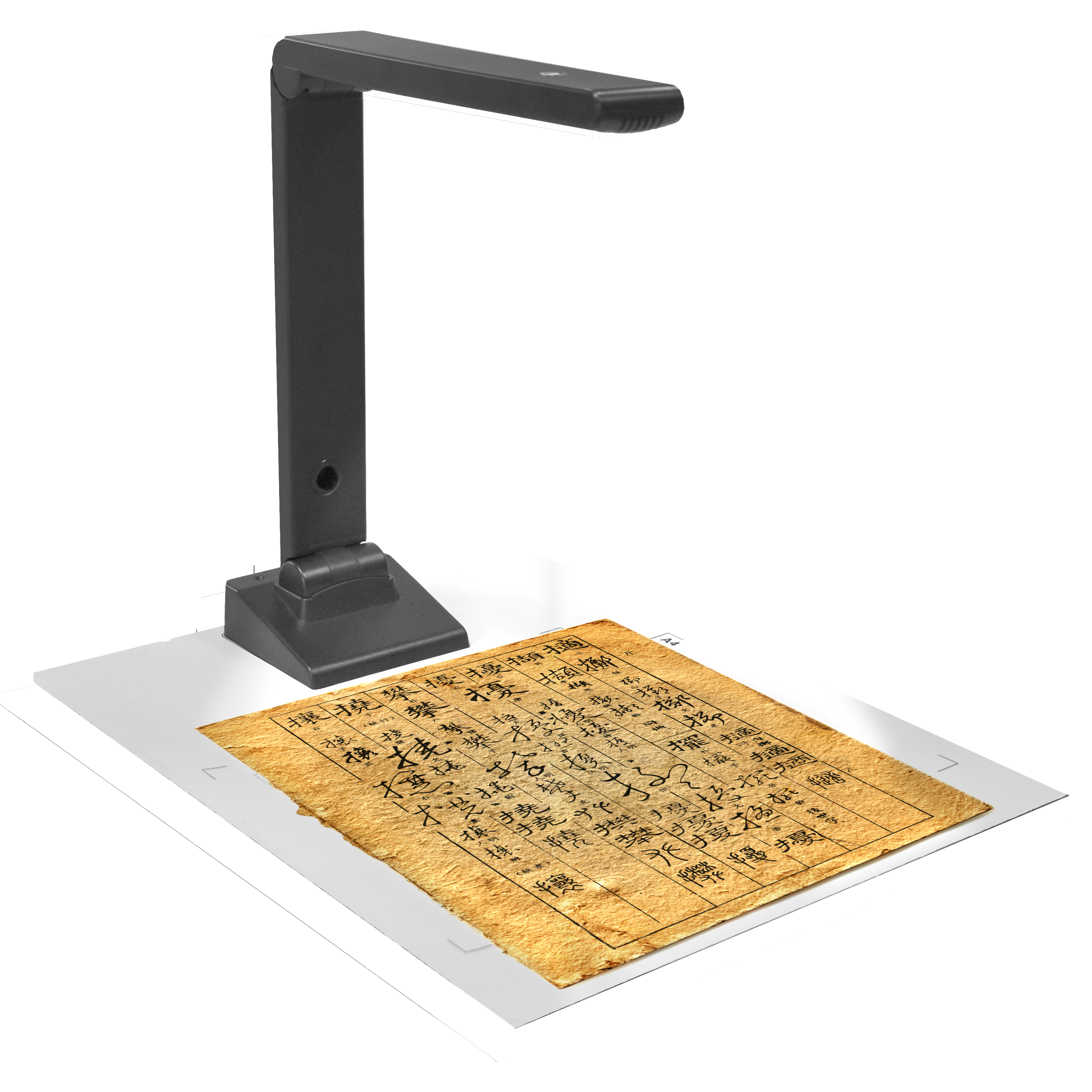
8MP Portable Foldable Document Camera with USB LED and OCR
For compact Kyoto offices, small tutoring rooms and retail counters where storage is limited. The foldable body, LED fill light and OCR-assisted book scanning help staff capture pages and labels while keeping the counter clear and customer-facing.
- 8MP
- Foldable
- LED light
- OCR
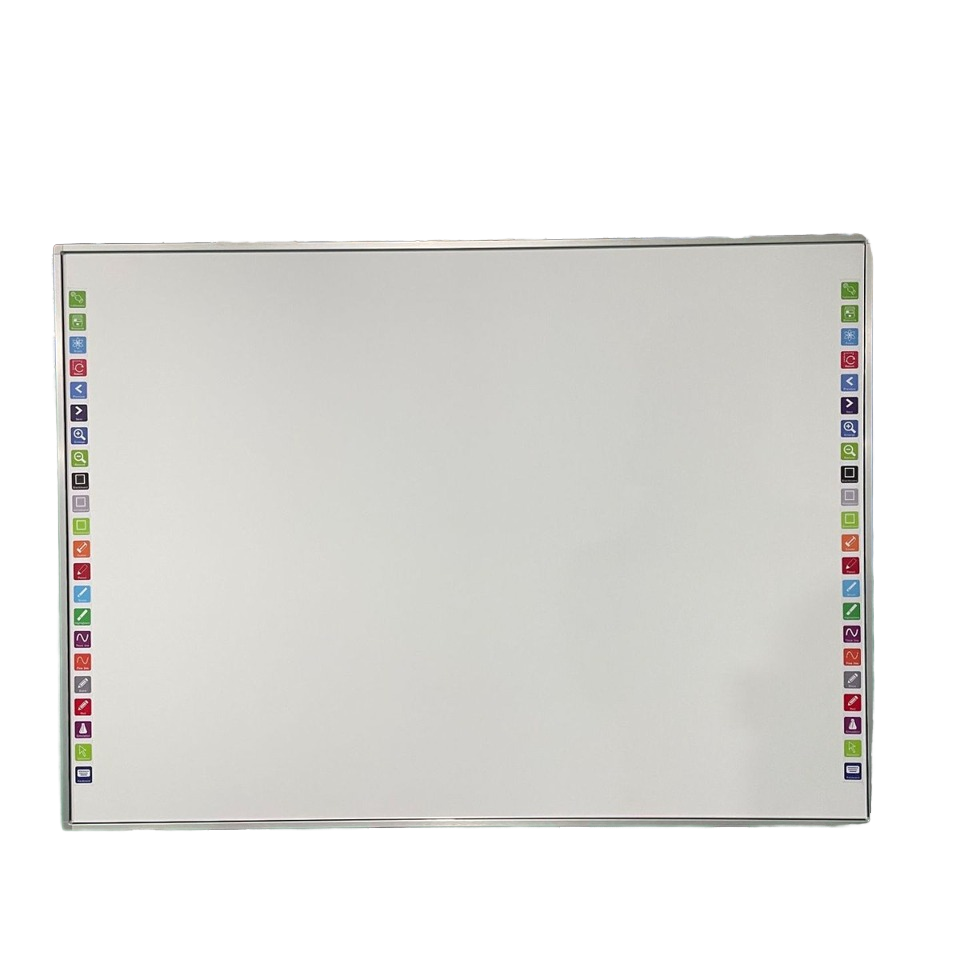
ShenMaiDi 102-Inch Portable Interactive Smart Whiteboard Projector
A large interactive canvas for Kyoto lecture halls, hotel training rooms and exhibition briefings. Combine it with a non-contact scanner to enlarge rare documents, diagrams or product samples while teams write notes directly over the live image.
- 102-inch
- Portable
- Projection interactive
- Large rooms

ShenMaiDi 4K PTZ Conference Camera with Real-Time Recording & Translation Audio
For Kyoto universities, tourism operators, municipal meeting rooms and training centers running remote sessions. The 4K PTZ camera and audio conference system support online training, recording and mixed-language communication when paired with the right software workflow.
- 4K
- PTZ
- Recording
- Online training
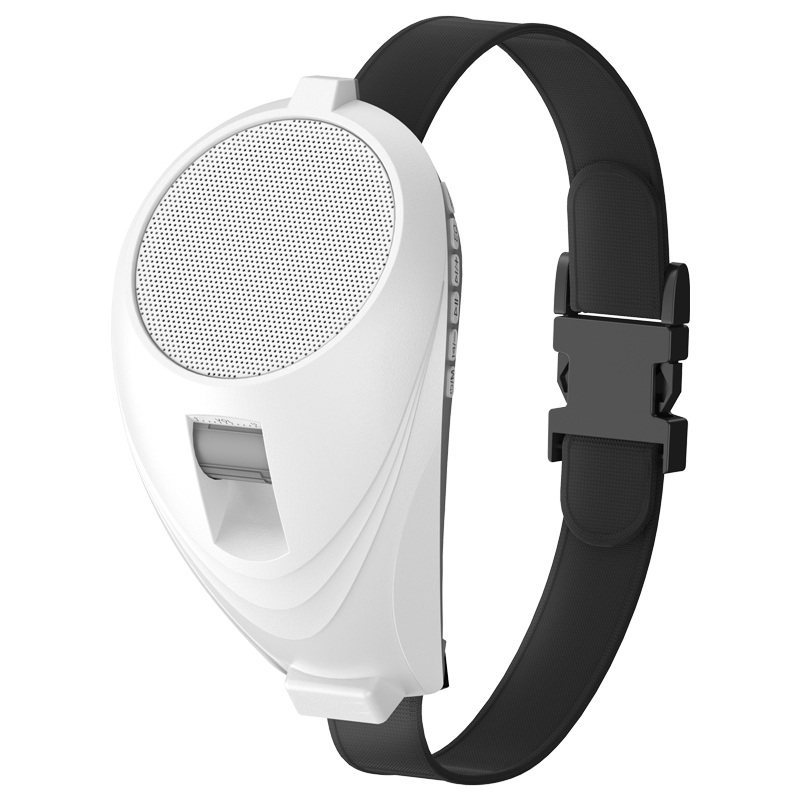
Wireless 20W Portable Megaphone with Bluetooth and 5000mAh Battery
A practical audio accessory for Kyoto campus tours, museum orientation, outdoor classes and retail promotion. The belt-mounted design, 20W output and 5000mAh battery help guides and teachers communicate clearly while another staff member operates a visual presenter or scanner.
- 20W
- Bluetooth 5.0
- 5000mAh
- Belt-mounted
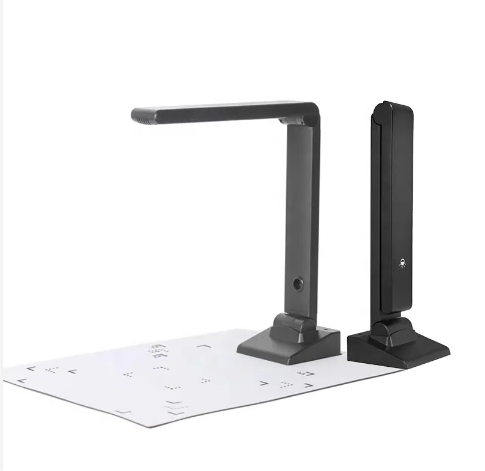
ShenMaiDi Portable 8MP A3 Document Scanner with Visual Presenter
A cost-conscious A3 scanner for Kyoto counter digitization, school administration and classroom demonstration. The visual presenter format supports fast page capture and live display, while the compact footprint suits shared service desks and temporary project rooms.
- 8MP
- A3
- High-speed
- Visual presenter
Why Non-Contact Scanning Suits Kyoto’s High-Touch, Space-Sensitive Operations
Kyoto buyers rarely need “just a scanner.” They need a calm, repeatable way to show or digitize originals while protecting the material, the customer experience and the staff workflow. A non-contact scanner keeps the camera above the object, so books, maps, textiles, forms and product samples can be captured without pressure or page flattening.
Cultural archives & museums
Capture fragile maps, calligraphy, postcards, textiles and reference books without contact. LED lighting and OCR-assisted metadata workflows help curators create searchable records while keeping originals in controlled storage.
Schools & universities
Show textbook pages, science experiments, art techniques and handwritten work on a large display. Portable visual presenters support mixed in-person and remote classes without requiring every student to touch the original.
Municipal & healthcare counters
Review application forms, certificates, identity documents and reference sheets on screen while reducing physical handling. SDK-ready models can be discussed for software teams that need image capture inside an existing case-management workflow.
Retail, tourism & hospitality
Demonstrate menus, labels, itineraries, product samples and training materials without handling multiple copies. Combine with the wireless megaphone or 4K conference camera for guided tours, hotel training and multilingual service teams.
Kyoto-specific note: before a tender, confirm the actual capture area, viewing distance, local power-accessory requirements, software language support and service process. A responsible exporter will separate documented capabilities from assumptions.
Kyoto Market Trends Reshaping Non-Contact Scanner Procurement
Across Kyoto’s education, culture, public-service and hospitality sectors, purchasing conversations are moving from “highest pixel count” to total workflow value: preservation, compactness, OCR/SDK fit, staff training and reliable export communication.
Digital preservation with physical-care standards
Museums and archives want high-resolution capture without flattening or touching delicate materials. Non-contact scanning is becoming part of conservation-aware digitization planning.
Compact tools for limited rooms
Kyoto facilities often balance heritage architecture with modern equipment. Foldable document cameras and portable visual presenters reduce storage pressure and setup time.
Hybrid service & multilingual communication
Remote training, online consultations and international visitor service require clear visual sharing. Conference cameras and document cameras work together as a practical hybrid-room kit.
OCR, SDK and total cost validation
Integrators ask earlier about software compatibility, firmware customization, warranty terms and spare-unit planning. The scanner is evaluated as part of a system, not as a standalone box.
The percentages above are illustrative buyer-priority indicators based on typical B2B sourcing discussions, not third-party market research statistics. They are intended to help procurement teams frame questions, not replace local due diligence.
The Top 10 Non Contact Scanner Factory & Exporter Scorecard for Kyoto Buyers
A “top 10” factory or exporter in the Kyoto market should not be judged only by catalog size. Use these ten evidence points to compare suppliers before samples, tenders or volume orders. They are the same questions serious education, public-sector and AV buyers tend to ask during technical review.
Optical clarity
Check CMOS resolution, lens quality, focus behaviour and real capture area—not interpolated marketing numbers.
True non-contact capture
Confirm the camera can capture books, maps and samples from above with no page pressing or object contact.
Lighting control
LED fill light should reduce shadows and glare on glossy pages, laminated menus and textured artefacts.
OCR & SDK readiness
Ask which models support OCR text recognition, SDK access, driver documentation and software-team testing.
Compact form factor
For Kyoto rooms with limited storage, folding arms, belt-mounted audio and portable displays are practical advantages.
Connectivity fit
Verify USB, HDMI, Type-C or SD-card options against existing PCs, projectors, displays and meeting-room systems.
OEM/ODM capability
Confirm logo printing, packaging, buyer-label production and firmware flashing before promising a private-label rollout.
QC & factory evidence
Look for onsite assessment, production photos, inspection process, quality-management certification and traceable testing.
Export terms & MOQ
Clarify FOB terms, T/T currency, sample MOQ, carton dimensions, lead time and documentation responsibilities.
Warranty & support
Document warranty length, spare-part process, remote troubleshooting path and who answers technical questions after delivery.
 Onsite assessed
SGS Group
Inside Kawelo: Manufacturing Depth Behind the Kyoto Shortlist
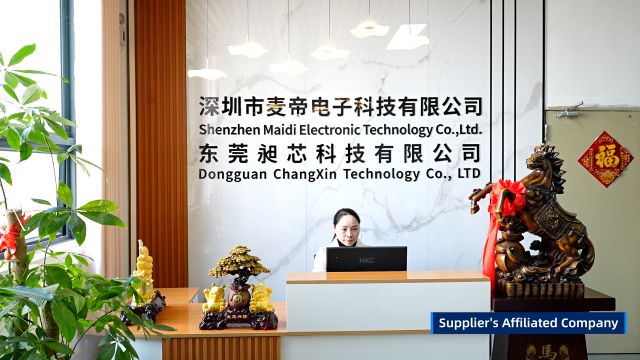
Shenzhen Kawelo Electronic Technology Co., Ltd. is a manufacturer with an integrated trading function. The company was founded in 2019 near the Guangming Science City high-tech park, and its founder has spent 18 years developing visualizers, cameras and teaching equipment. That experience shapes product selection, imaging tuning, firmware work and the practical details that matter in classrooms and meeting rooms.
Production takes place in Dongguan, Guangdong, on a floor of ≤3000 m². R&D, firmware flashing, assembly, quality control and packing are handled in-house. The factory has passed an onsite supplier assessment by SGS Group, and the document camera range carries CE certification. For Kyoto buyers, these are not decorative badges: they are prompts for a deeper technical review before samples and bulk orders.
- Business typeManufacturer & trading company
- Team11–50 staff including R&D, production and sales
- Annual outputUS$2.5M – US$5M
- Contract manufacturingOEM, design service, buyer label
- QualityQuality-management certified; CE document cameras
- Export termsT/T in USD or HKD; FOB quotations
Manufacturer with trading function
Kawelo is not a catalog-only reseller. R&D, firmware, assembly, QC and packing are handled in-house, giving technical buyers a clearer path to custom requirements.
Chip-to-firmware engineering
Solution selection, imaging algorithms, sensing, audio tuning and firmware flashing are part of the factory skill set. SDK and OCR topics can be discussed with the right model in mind.
OEM/ODM and buyer-label production
Logo printing, custom packaging, graphic customization and buyer-label production help distributors and project suppliers build a local brand without inventing a product line.
SGS assessment & CE documentation
The SGS onsite supplier assessment and CE certification for the document camera range give procurement teams evidence to request and verify. Japan-specific regulatory checks should still be confirmed for the destination configuration.
Flexible sampling and MOQ
Selected document cameras and conference cameras start from 1 piece; most webcams and document cameras from 4–5 pieces; interactive whiteboards typically from 30 pieces. This supports pilot-first Kyoto projects.
Export-ready order conversation
Quotations are available on FOB terms with T/T payment in USD or HKD. Document cameras carry a standard 1-year warranty; other categories should be confirmed with the sales team.
Questions Kyoto Buyers Commonly Ask Before Ordering
These answers are written for procurement, IT and academic technology teams that need a clear next step rather than vague sales language. For model-specific confirmation, request a datasheet and sample discussion.
Is Kawelo a manufacturer or a trading company?
Can Kyoto buyers start with a small sample or pilot order?
Which non-contact scanner is suitable for fragile Kyoto documents and books?
Do you support OCR and SDK integration?
What certifications and factory evidence can be reviewed?
What payment and delivery terms are available?
Do you offer OEM/ODM branding and custom packaging?
Do you have a Kyoto warehouse or local office?
Planning a Kyoto Classroom, Archive or Service-Counter Project?
Send your use case, capture area, quantity, software requirements and target installation date. The Kawelo team can match models from the eight-product shortlist, share factory evidence, discuss OEM/ODM options and advise on samples before you commit to a tender or volume order.
Email: info@kawelotech.com