Top China Image Scanner Suppliers & Exporter for the Canada Market
A practical, compliance-aware selection guide for Canadian schools, AV distributors, integrators, libraries and service counters comparing ShenMaiDi document scanners, visual presenters and classroom AV from an SGS-assessed China manufacturer.
8 Canada-Relevant Models From the ShenMaiDi / Kawelo Range
The title is about image scanners, but Canadian procurement rarely buys a scanner in isolation. School boards and integrators often bundle a document camera with a whiteboard, classroom audio, a USB visualizer and a portable backup unit. Every product URL below is preserved exactly; each card adds a Canada fit note so buyers can shortlist faster.
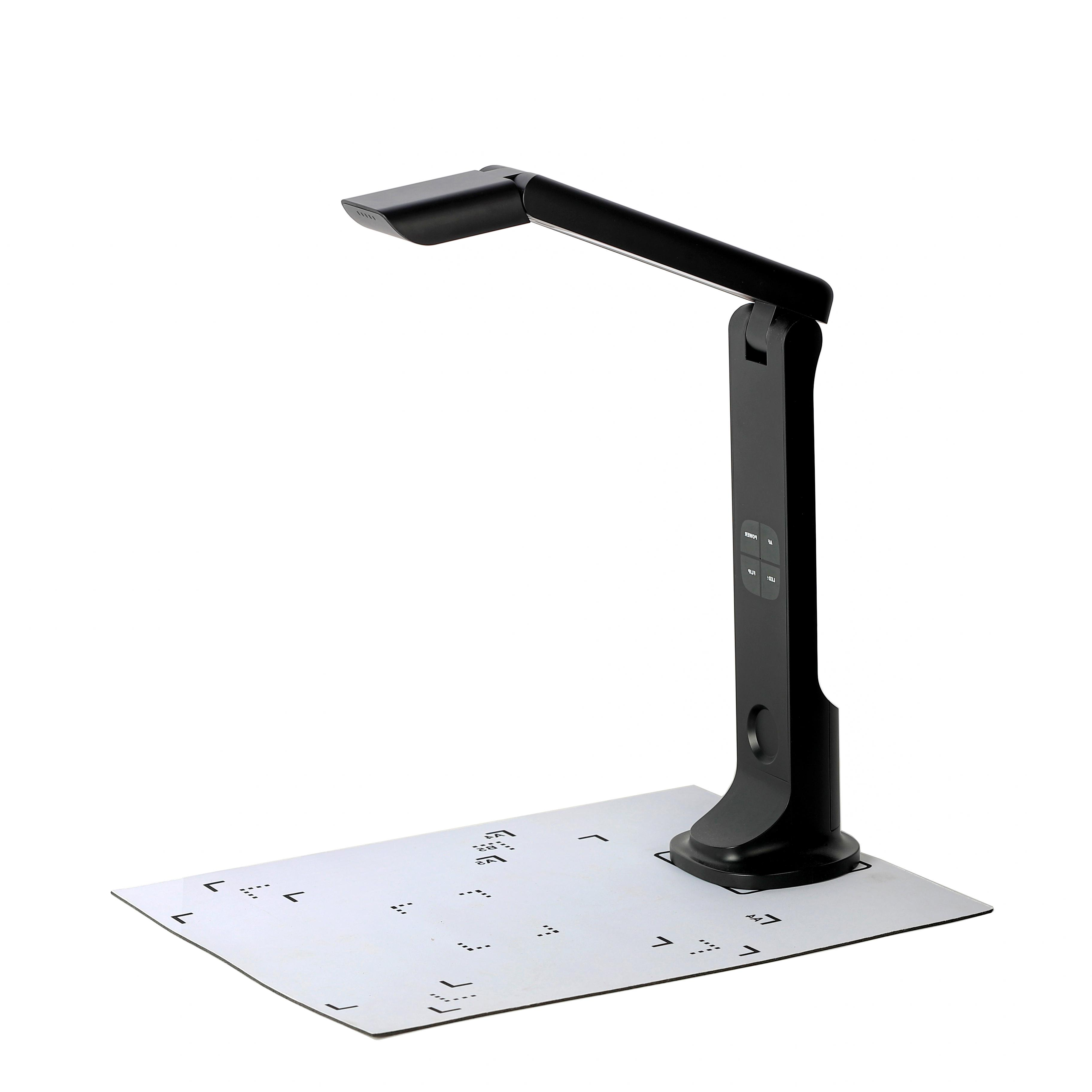
ShenMaiDi MD-13MT Home A3 Document Scanner Large Format 13MP Resolution CMOS Sensor USB Foldable LED Light Automatic Visual
Useful for small offices, school resource rooms and remote-learning families that need A3 capture without a fixed scan station.
- 13MP
- A3
- USB
- Foldable
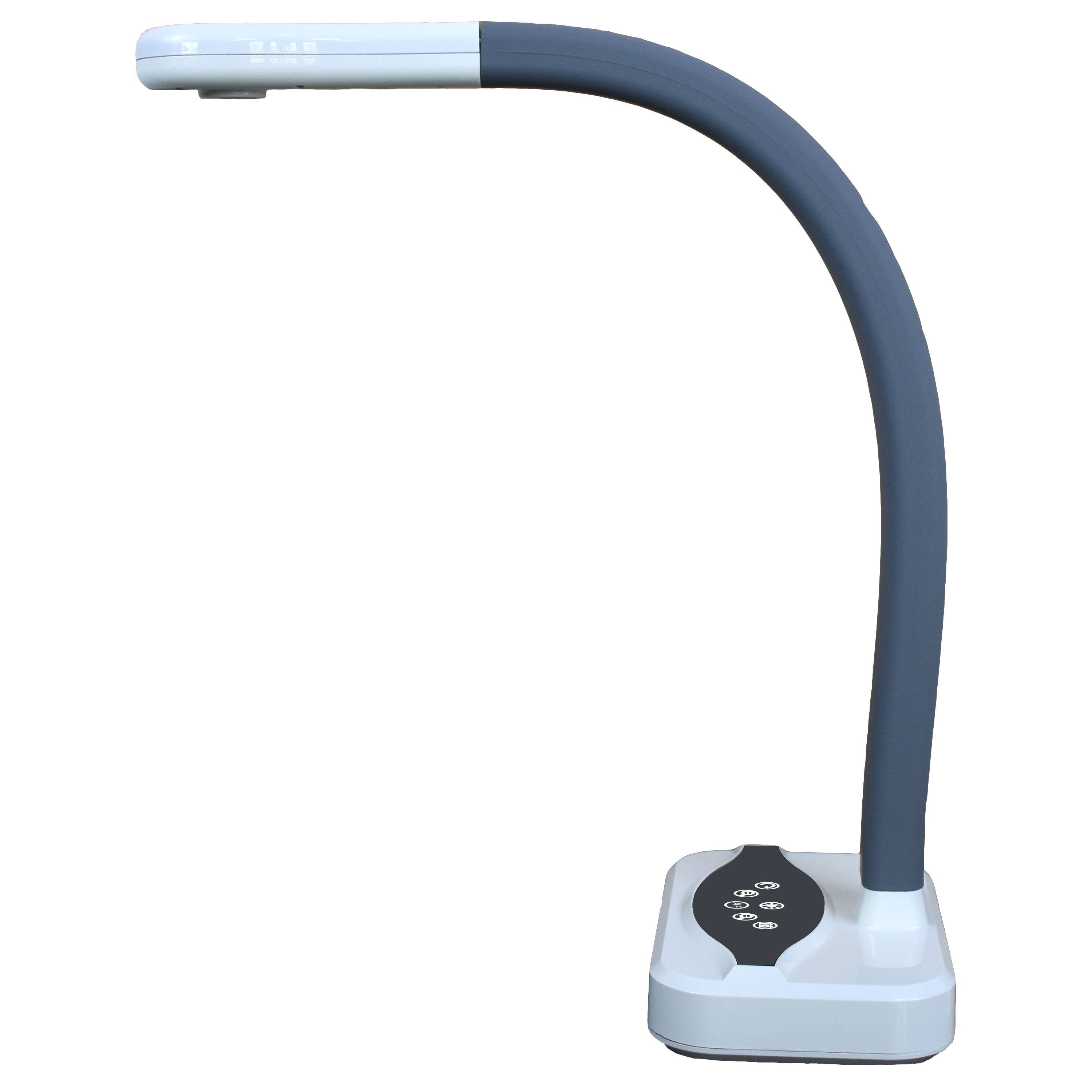
ShenMaiDi 13MP White Foldable Plastic Document Camera Scanner CMOS Sensor A3/A4 USB 1S Scan SDK Smart Classroom Video Presenter
A budget-sensitive visual presenter for travelling teachers, substitute classrooms and PC-based demonstration workflows.
- 13MP
- A3/A4
- SDK
- Smart classroom
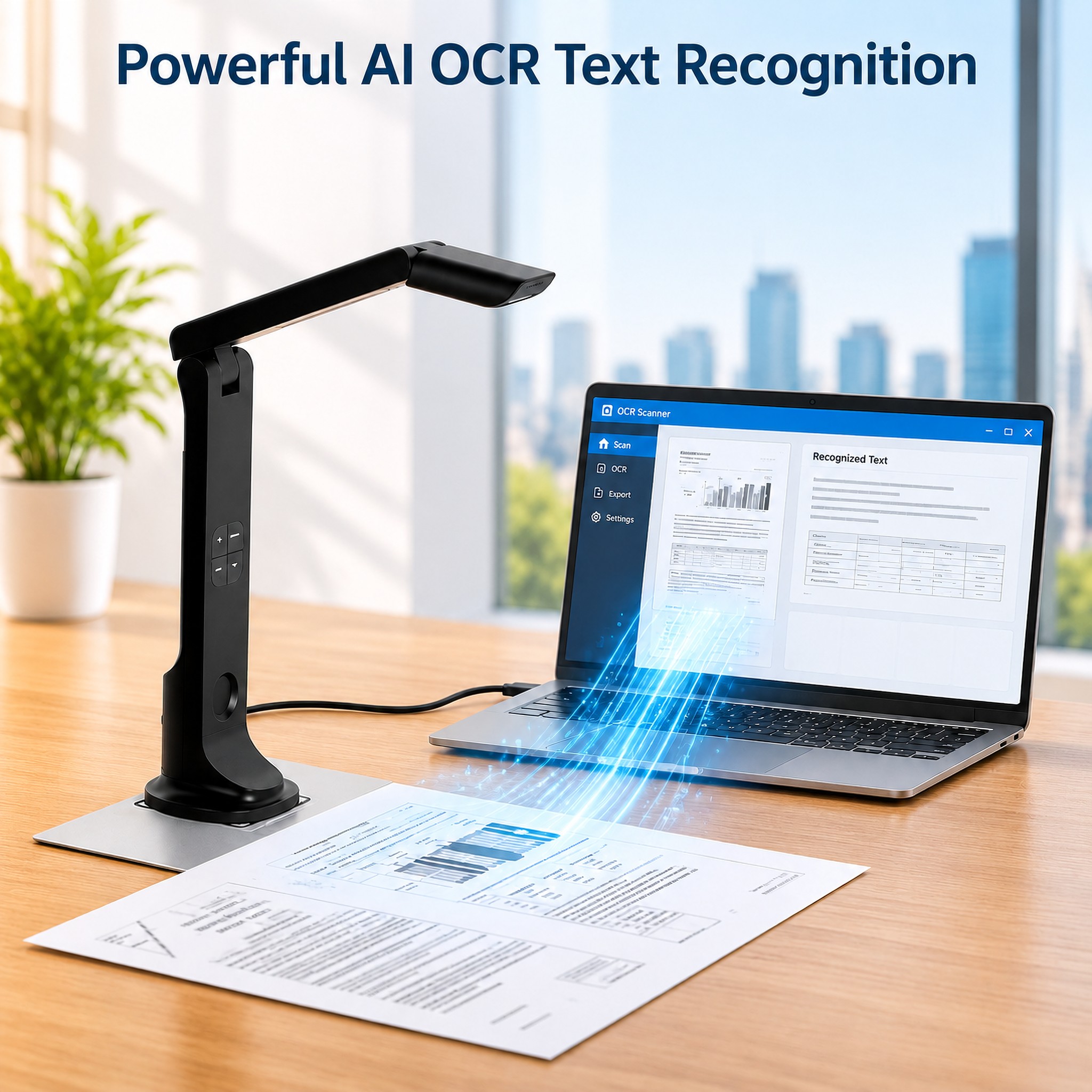
MD-16MT A3 Document Scanner 16MP CMOS USB Foldable Visual Presenter LED Light OCR Text Recognition Teching
A stronger option for document-heavy digitization, administrative forms, library material and classroom OCR demonstrations.
- 16MP
- OCR
- LED
- A3
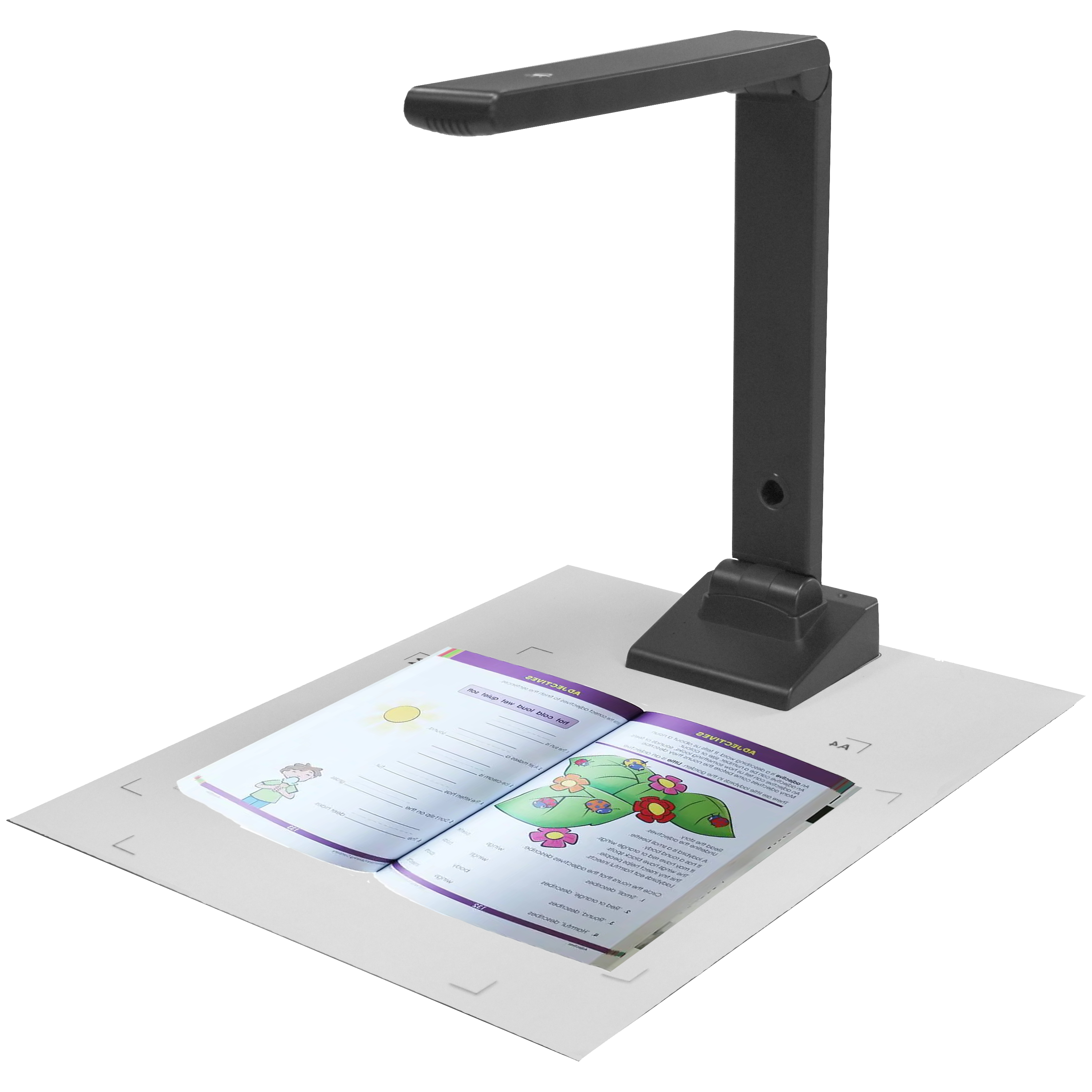
16 MP CMOS Sensor Document Scanner OEM Digital Visualizer Presenter Auto Focus A3 Educational Equipment USB Plastic School
Designed for distributors and private-label education suppliers that need a tender-ready visualizer with OEM flexibility.
- 16MP
- Auto focus
- OEM
- Education
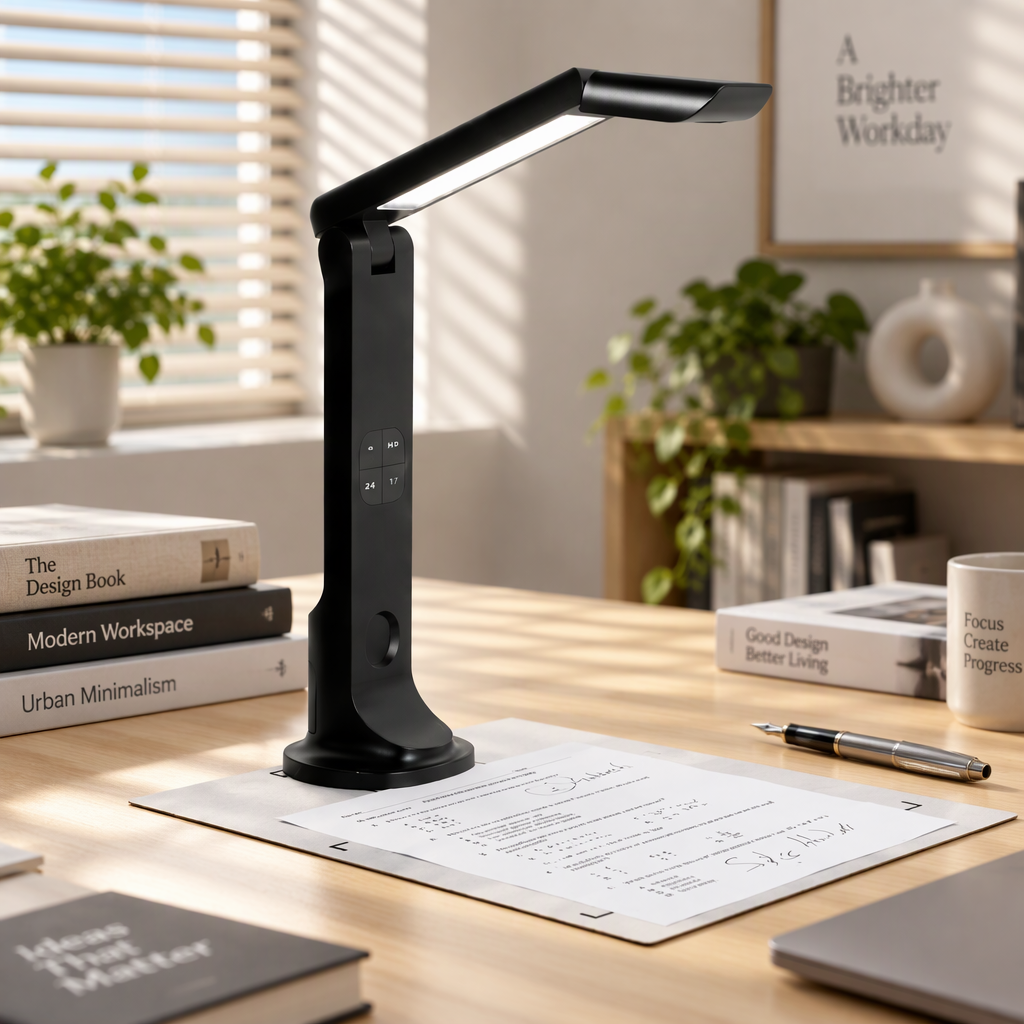
A4 A3 Plastic Digital Document Camera Scanner Portable USB High Speed for PC in Stock
A plug-and-play USB scanner for PC-driven capture, clinic counters, government service desks and short pilot programs.
- A4/A3
- USB
- High speed
- Portable
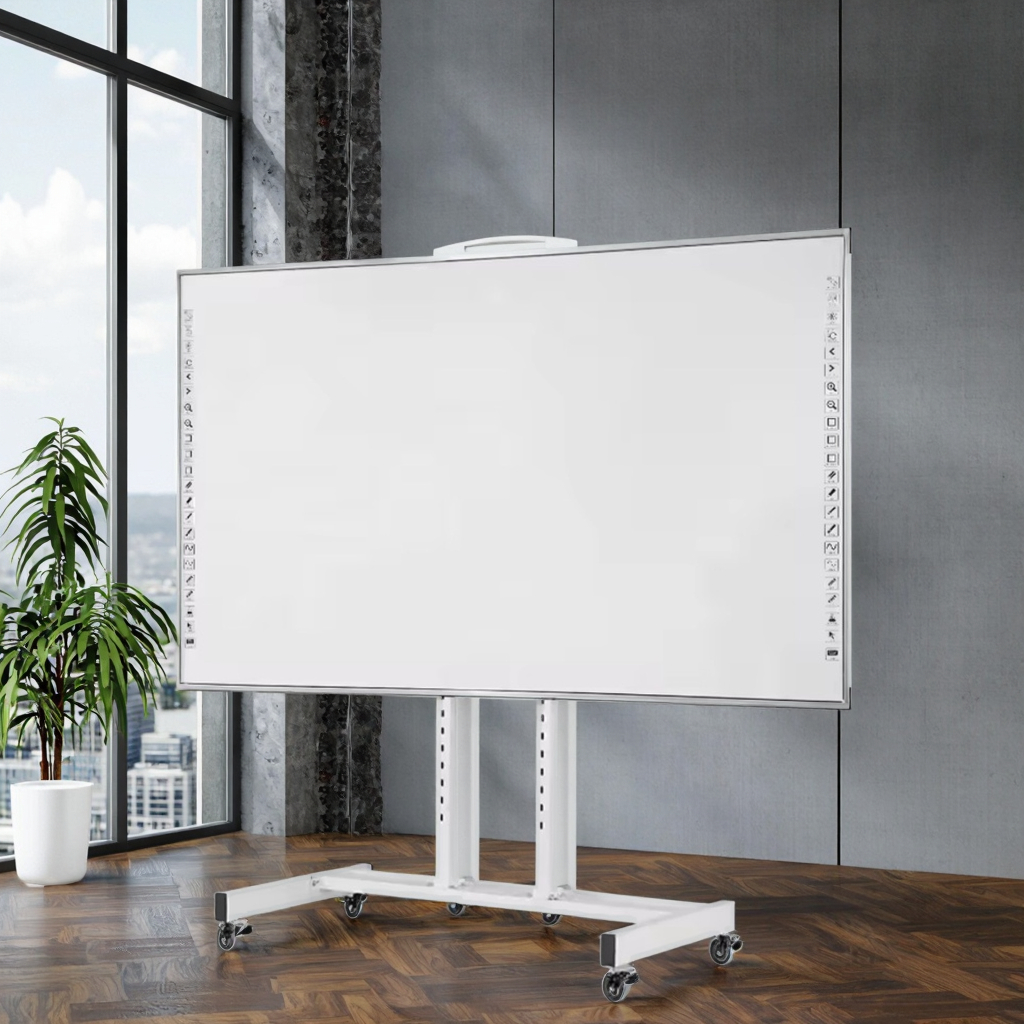
MD086-B Best Price 86-Inch Multi-Touch Interactive Smart Metal Whiteboard All-In-One for School Classrooms with Dual System
An all-in-one touch display for classrooms and boardrooms; often bundled with document cameras in Canadian digital-classroom RFQs.
- 86-inch
- Multi-touch
- Dual system
- Metal
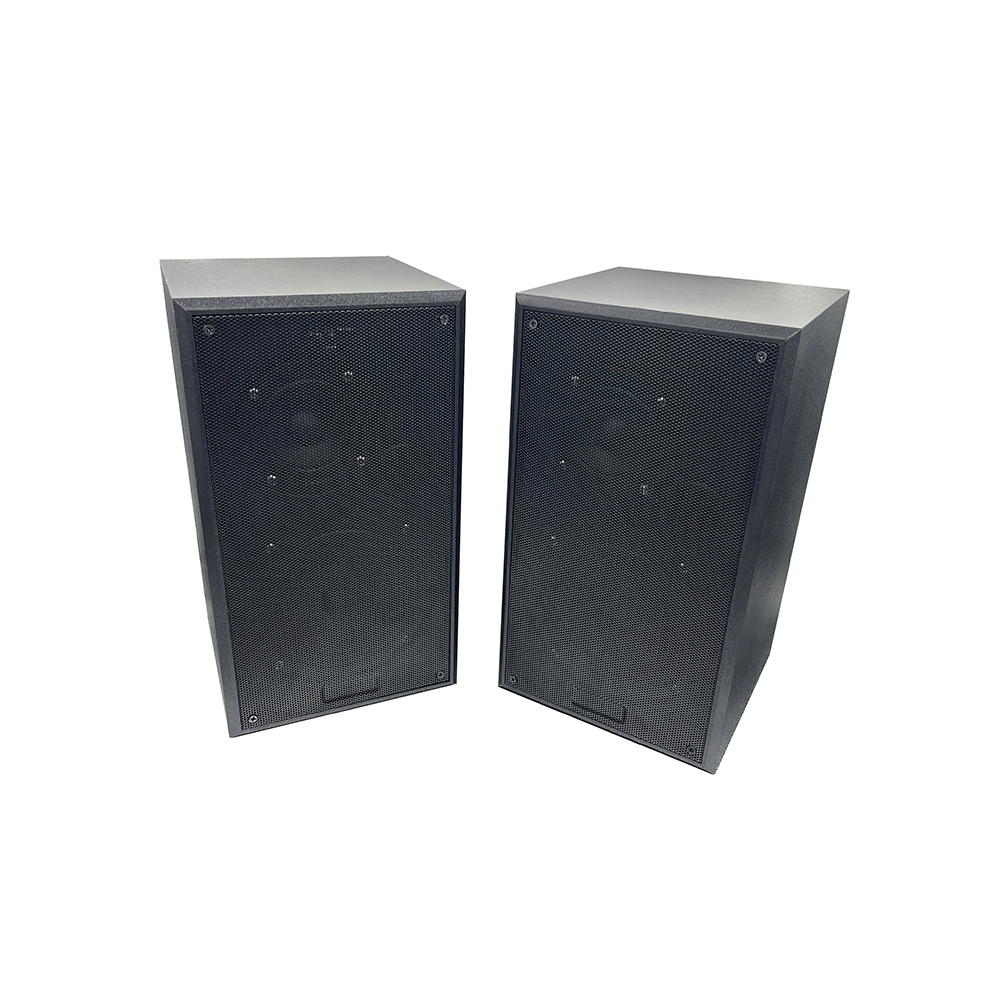
SHENMAIDI MD-S50A 50W Integrated Stereo Speaker Sound Amplifier Educational CE/CCC/FCC/ROHS/ISO9001 Certified 1 Year Warranty
Classroom audio for hybrid lessons, French listening exercises and rooms where projector audio is not sufficient.
- 50W
- Stereo
- CE/FCC
- 1-year warranty
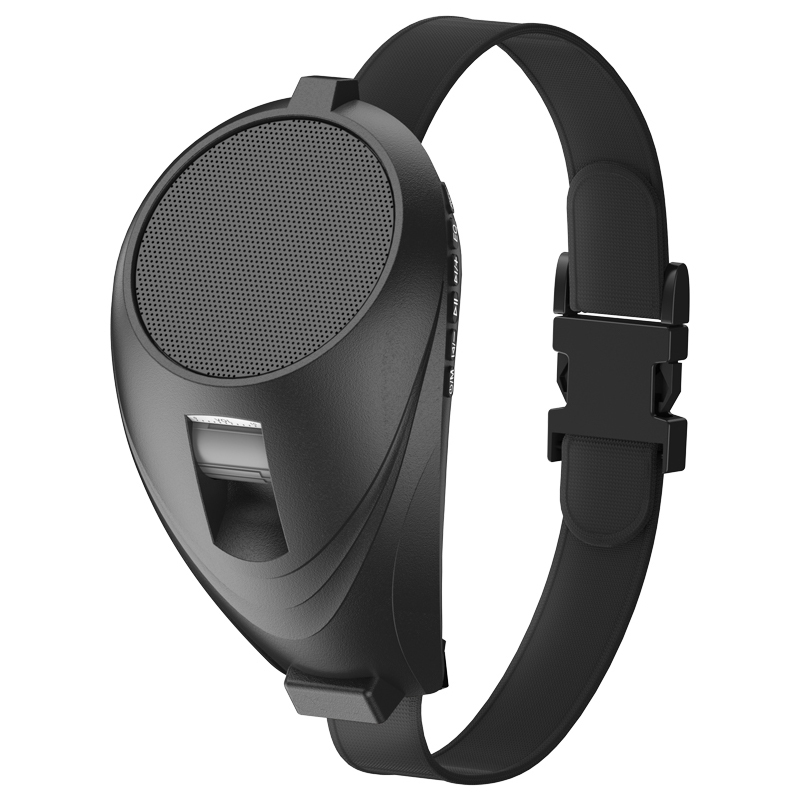
Active for 5.0 Plastic Mini Speaker Super Bass Stereo Sound Belt-Mounted Megaphone for Teachers' Speech 5000mAh Battery
Portable voice amplification for large rooms, outdoor teaching, orientation sessions and mobile presentations.
- 5000mAh
- Belt-mounted
- Wireless 5.0
- Portable
Where Canadian Buyers Actually Use Image Scanners & Visual Presenters
Canadian demand is shaped by geography, bilingual operations, provincial purchasing rules and a strong need to document paper-heavy workflows without adding IT complexity. The strongest supplier is not always the lowest quote; it is the one that can support the room, the network and the compliance file.
K-12 classrooms & French immersion
Document cameras help teachers show math manipulatives, science experiments and French-language texts to the whole class. A3 capture and LED lighting matter in rooms with older projectors. Request bilingual quick-start sheets and test French accents in OCR before board-wide deployment.
Colleges, universities & hybrid lectures
Visual presenters support hyflex teaching, lab demonstrations and remote office hours. Buyers often prefer USB plug-and-play for PC labs and HDMI or SD-card capture where instructors should not depend on a laptop. For lecture halls, specify optical clarity and audio together rather than treating them as separate purchases.
Libraries, archives & municipal records
Scanners are used for local history collections, genealogy requests, permits, council records and community documentation. A3 models with OCR can reduce manual indexing, but teams should agree retention rules, file naming and redaction steps. Ask the supplier for sample output at 300 DPI and test OCR on French and English documents.
Clinics, telehealth & regulated environments
Clinics may scan referral forms, insurance cards and consent documents. Privacy is not a feature to add later: confirm whether capture is local, whether software calls a cloud service, and how images are stored. For Ontario health settings, PHIPA obligations often sit with the healthcare custodian; the supplier should support privacy questionnaires with clear answers.
Government counters, banking & insurance
Service desks scan IDs, applications and supporting documents under time pressure. A one-second capture workflow, auto focus and SDK integration can matter more than pixel count. Canadian buyers should ask about local storage, audit logging, driver signing and IT security review requirements before a branch rollout.
Corporate training & distributed teams
Sales teams, trainers and quality managers use visual presenters to show products, documents and process steps over video calls. A compact USB model is easier to ship to satellite offices than a fixed scanner. Pair it with classroom audio where the room is larger than a huddle space.
What Is Changing in Canadian Scanner & Classroom Technology Procurement
These are the signals worth writing into your RFQ. They are not a substitute for your own bid data, but they explain why Canadian buyers increasingly ask for compliance files, French assets and mixed product bundles rather than a single low-cost scanner.
Illustrative Canada evaluation weights
Directional model based on common RFQ questions; use it as a discussion checklist, not as published market statistics.
Hybrid classrooms are becoming normal, not exceptional
Teachers need devices that work quickly without an IT ticket. USB plug-and-play remains important, while HDMI and SD-card capture appeal to rooms where instructors present without a PC.
OCR and SDK requests are moving from novelty to workflow requirement
Canadian libraries, insurers and government desks increasingly ask whether scanned text can flow into an existing records system. The answer depends on the model, firmware and software integration, not the camera alone.
Bilingual documentation is a practical procurement issue
English and French manuals, quick-start cards, labels and training decks reduce deployment friction. Quebec-focused projects should raise French requirements early so artwork, firmware strings and support files can be reviewed.
Compliance is shifting from “has CE” to “show the Canadian file”
CE and FCC are useful signals but do not automatically satisfy Canadian requirements. Buyers should request ICES information for digital products, cUL/CSA or NRTL evidence where required, and a clear statement of what the exact SKU includes.
Smaller distributed orders are replacing single huge shipments
Provincial, municipal and private-school buyers often test a room, a school or a department before scaling. Suppliers that support low-MOQ samples and repeat mixed orders reduce the risk of a large, unused container.
Audio is being bundled back into the image-capture decision
If a scanner is used for live teaching, the class also needs to hear the teacher. A 50W classroom speaker or a portable voice amplifier can be a practical add-on in the same purchase order.
Six Checks That Separate a Good Quote From a Costly Import
A China image scanner supplier can be a strong partner for Canadian buyers, but the purchasing file should be specific. These are the checks we recommend for education, healthcare, government and AV reseller projects.
Ask for the exact-SKU compliance file
Do not accept a category-level statement. Request the datasheet, model number, CE or FCC report where applicable, RoHS declaration, and a written note on Canadian requirements such as ICES and cUL/CSA/NRTL where relevant. CE is not a substitute for every Canadian safety or EMC requirement.
Confirm 120V/60Hz power and plug details
Canada uses 120V/60Hz with NEMA 5-15 outlets in most commercial settings. Ask whether the product uses an external 100–240V adapter, what output it needs, and whether a Canada-compatible cord or certified local cord is included. For fixed whiteboards, plan installation and electrical review.
Test French OCR and bilingual materials
If the workflow includes French documents, ask for sample OCR output with accents and administrative terms. Confirm whether the OCR engine supports the required language pack and whether manuals, labels and training slides can be produced in English and French.
Map privacy and data flow before purchase
Ask whether images stay on the connected PC, whether any software transmits files, and what SDK permissions are required. For healthcare and public-sector settings, a short data-flow diagram is more useful than a generic “secure” claim. Align the answer with PIPEDA, PHIPA or your organization’s privacy impact assessment.
Clarify Incoterm, customs and tax responsibilities
The current public terms are FOB with T/T payment in USD or HKD. Canadian buyers should confirm who handles freight, customs clearance, duty, GST/HST and provincial tax. Ask for HS code guidance and a commercial invoice example before the first shipment, especially for mixed classroom AV orders.
Write the warranty and RMA route into the order
Document cameras are stated with a standard one-year warranty. Confirm DOA handling, spare-part policy, return address, diagnostic steps and whether advance replacement is available. For multi-school rollouts, a spare-parts kit is often cheaper than shipping individual units back and forth.
Why Kawelo / ShenMaiDi Can Support Canadian B2B Buyers
Shenzhen Kawelo Electronic Technology Co., Ltd. is a manufacturer with an integrated trading function. The founder brings 18 years of experience in visualizers, cameras and teaching equipment, and the company combines chip-level solution selection, imaging and sensing algorithms, firmware work and audio tuning with in-house assembly and QC in Dongguan, Guangdong.
SGS-assessed manufacturing
The factory has passed an onsite supplier assessment by SGS Group, with production, firmware, assembly, QC and packing handled in-house. This gives Canadian buyers a documented starting point for supplier due diligence.
Chip-to-firmware engineering
Selected document cameras support SDK integration, and the MD-16MT offers OCR text recognition. The team handles firmware flashing and verification on dedicated burning stations, which helps when a Canadian integrator needs a stable software baseline.
OEM, ODM and buyer-label service
Logo printing, custom packaging, graphic customization and private-label production are available. For Canadian distributors, this is useful for creating a local brand, a tender-specific model name or bilingual retail packaging.
Flexible order sizes for pilots
MOQ depends on the model: selected document cameras and conference cameras can start from one piece, many webcams and document cameras from four to five pieces, and interactive whiteboards typically from 30 pieces. That structure supports room-level trials before district-wide orders.
Room-ready bundles
Kawelo can combine document cameras, interactive whiteboards, USB cameras, webcams and speakers from one supplier. For tender teams, this can reduce the number of vendors, freight documents and warranty routes in a classroom or meeting-room project.
Export-ready operations
Public export information lists Southeast Asia, Africa, North America and Oceania, with T/T payment in USD or HKD and FOB quotations. Canada-specific logistics, compliance documents and delivery terms should always be confirmed with the current sales team and your customs broker.
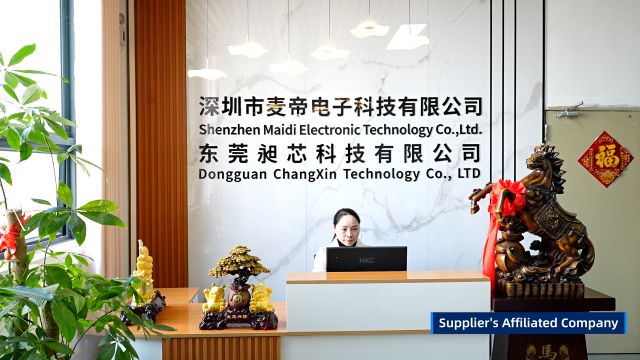
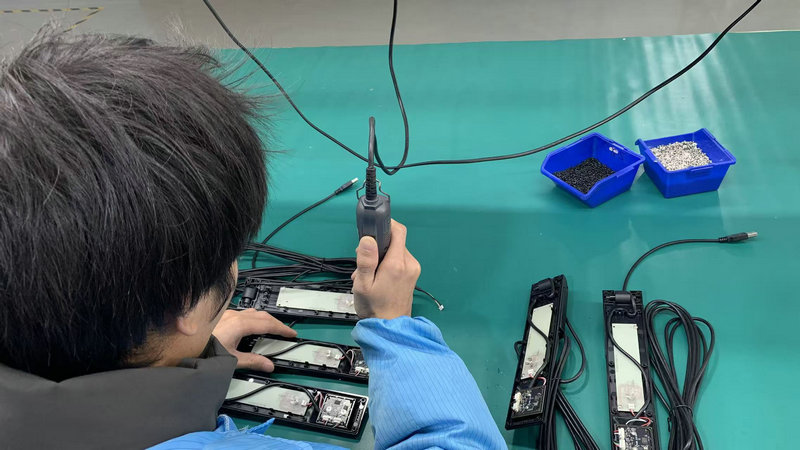
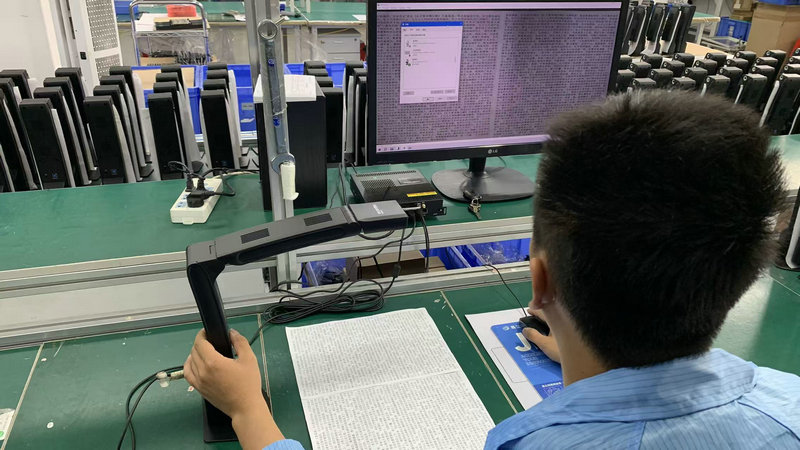
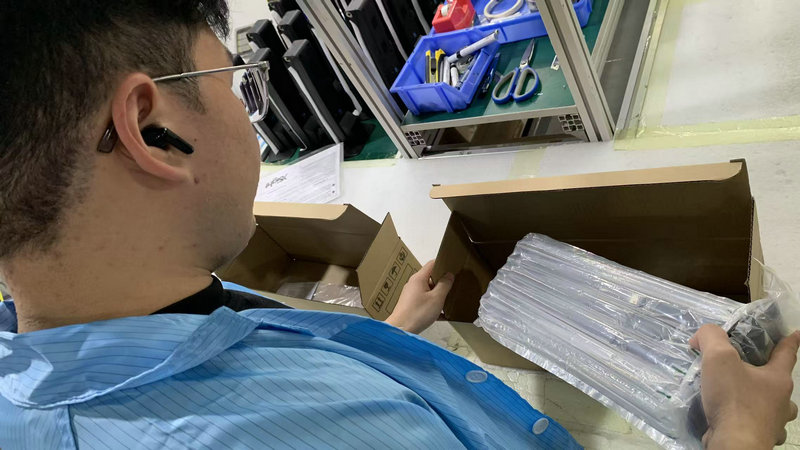

Verified assessment is a starting point, not the finish line. Canadian buyers should still match the exact SKU to the required documentation, test the power configuration, review French-language assets and confirm warranty handling before a provincial or district rollout.
How to Compare China Image Scanner Suppliers for Canada
Use the same evidence pack for every supplier. This keeps the comparison fair and avoids selecting a low-cost unit that later fails a school-board, hospital or municipal IT review.
Technical fit
Resolution, A3/A4 area, auto focus, LED light, OCR, SDK, HDMI or USB. Match the workflow before comparing price. A 16MP scanner with the wrong interface is more expensive than a 13MP model that works.
Canadian compliance path
Ask what is already tested and what must be reviewed locally. Clarify ICES, cUL/CSA/NRTL and any provincial electrical or procurement requirements. Keep the answer in writing.
Software and privacy
Request SDK notes, driver support, local-storage explanation and data-flow evidence. A privacy questionnaire response from the factory is more useful than a marketing statement.
Bilingual deployment
Check French OCR, English/French quick-start files, label artwork and training material. For Quebec projects, raise the language requirement at RFQ stage, not after the purchase order.
Logistics and tax
Compare FOB, DDP or delivered quotes with the same assumptions for freight, duty, GST/HST and provincial tax. A low unit price with unclear landed cost is not a real comparison.
Lifecycle support
Confirm warranty, spare parts, DOA process, firmware updates and a named technical contact. For schools and clinics, downtime is part of total cost of ownership.
Information-gain note: the strongest Canadian sourcing decision combines a documented product URL, an exact-SKU compliance check, a real sample test and a clear privacy/logistics answer. Do not rely on one certificate logo or one headline specification.
Common Questions From Canadian Procurement Teams
These answers reflect the current Kawelo / ShenMaiDi public information and typical Canada sourcing practice. Specifications, certifications and lead times should always be reconfirmed for the exact SKU and order quantity.
Is Kawelo a manufacturer or a trading company?
What is the MOQ for a Canadian pilot order?
Which certifications matter for Canada?
Can you ship to Toronto, Vancouver or Montreal?
Do your scanners support French OCR?
Will the products work with 120V power in Canada?
What warranty and RMA process is available?
Can you produce OEM/ODM units with bilingual packaging?
Build a Canada-Ready Scanner & Classroom AV Shortlist
Send your province, target application, quantities, required certifications, French-language needs and needed-by date. The sales team can reply with matching product URLs, current specifications, MOQ by model, sample options and the documents your procurement team should review.
Send an Inquiry